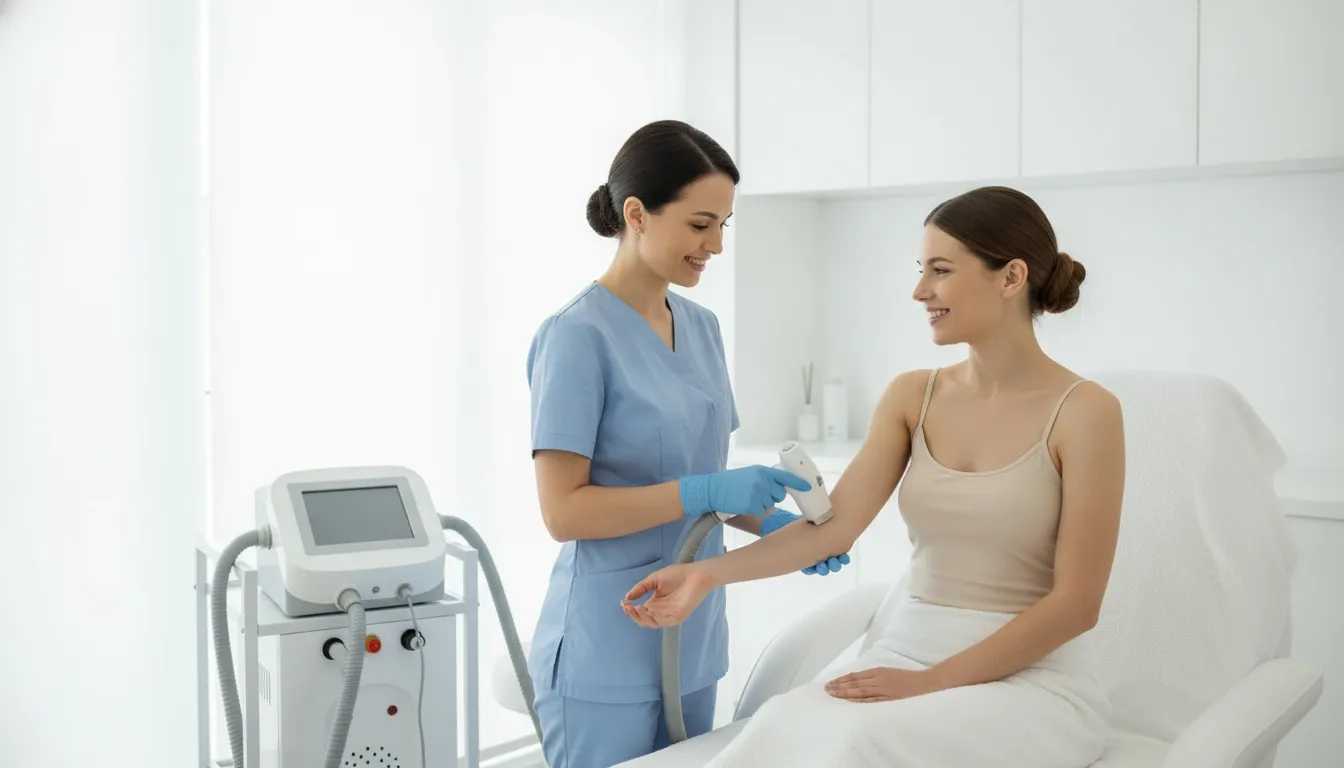
Laser hair removal is designed to target unwanted hair, but treated skin can still react to heat and light. Knowing what is expected, what is less common, and when to contact your provider can make the experience feel more manageable.
Most laser hair removal side effects are temporary, such as mild discomfort, redness, or swelling that can resemble a light sunburn. The American Academy of Dermatology notes that these common reactions often last one to three days. Less common problems can include blistering, infection, scarring, or changes in skin color. Individual risk depends on skin color, hair characteristics, device and settings, treatment area, provider experience, and your preparation and aftercare. This guide offers general education, not a diagnosis or personal medical advice.
Safety begins before the appointment with an honest review of your skin, medical history, medications, products, and recent sun exposure. It also continues through careful aftercare and prompt communication if a reaction seems severe, unusual, or persistent.
What Are the Most Common Laser Hair Removal Side Effects?
Most people notice temporary skin changes after laser hair removal rather than a serious complication. The most common reactions are mild discomfort, redness, swelling, and small areas of puffiness around the treated follicles. The American Academy of Dermatology describes redness and swelling as similar to a mild sunburn, and notes that common side effects often last about one to three days. That is a general range, not a promise for every person or treatment area.
What normal discomfort can feel like
During and shortly after treatment, the sensation may include warmth, brief stinging, or a snapping feeling as the laser delivers light energy to the hair follicles. The intensity can vary with the treatment area, hair characteristics, skin sensitivity, device, and settings. If you want more detail about the sensation itself, read our guide to what laser hair removal feels like.
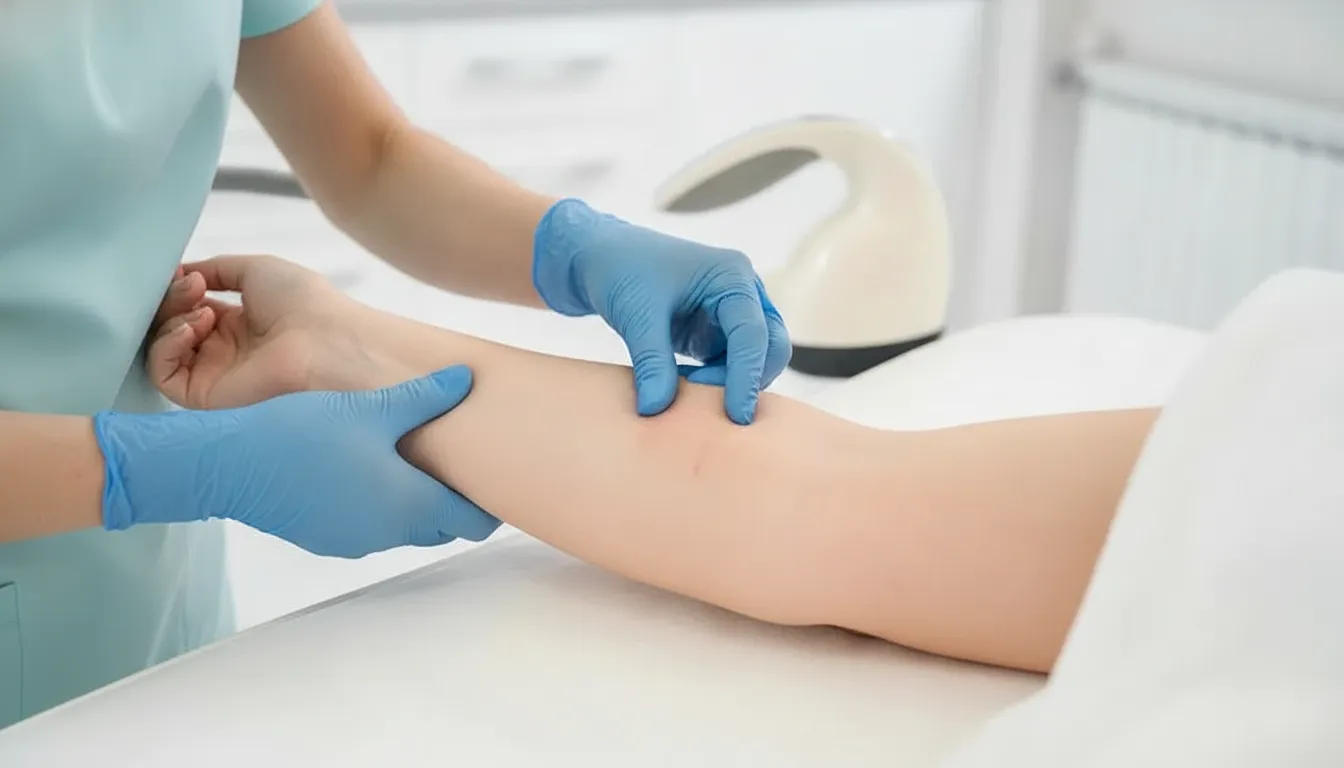
Afterward, treated follicles may look slightly raised or more noticeable for a short period. Redness can be easier to see on some skin tones, while swelling may be more apparent around individual follicles or in sensitive areas. Ultimate Image MedSpa’s clinical guidance notes that redness or swelling generally subsides within hours for many patients, but timing varies. Your treating professional can explain what is expected for your skin, treatment area, and settings.
When discomfort deserves a call
Mild tenderness or a sunburn-like feeling can be part of the expected response. A reaction that is severe, worsening, unusually painful, or not improving as expected should not be self-diagnosed online. Contact the clinic that performed your treatment and describe what you are seeing, when it started, and whether it is spreading. Blisters, significant swelling, open or draining areas, marked color changes, or other symptoms that concern you warrant prompt professional guidance. Seek urgent medical care for severe symptoms, especially if you have trouble breathing, faintness, or signs of a serious allergic reaction.
Laser hair removal side effects can differ because skin type, recent sun exposure, body area, device, and treatment parameters all influence the response. A consultation and careful screening help set realistic expectations without treating a general article as a diagnosis.
Which Laser Hair Removal Risks Are Rare but Important?
Most laser hair removal side effects are temporary, but a consultation should also address less common reactions. The American Academy of Dermatology lists blistering, cold-sore outbreaks, infections, scarring, and skin lightening or darkening among possible rare effects. Some pigment changes can last, so skin history, recent sun exposure, treatment settings, and aftercare all matter. Read the AAD laser hair removal guidance for additional safety information.
Pigment changes, burns, and blisters
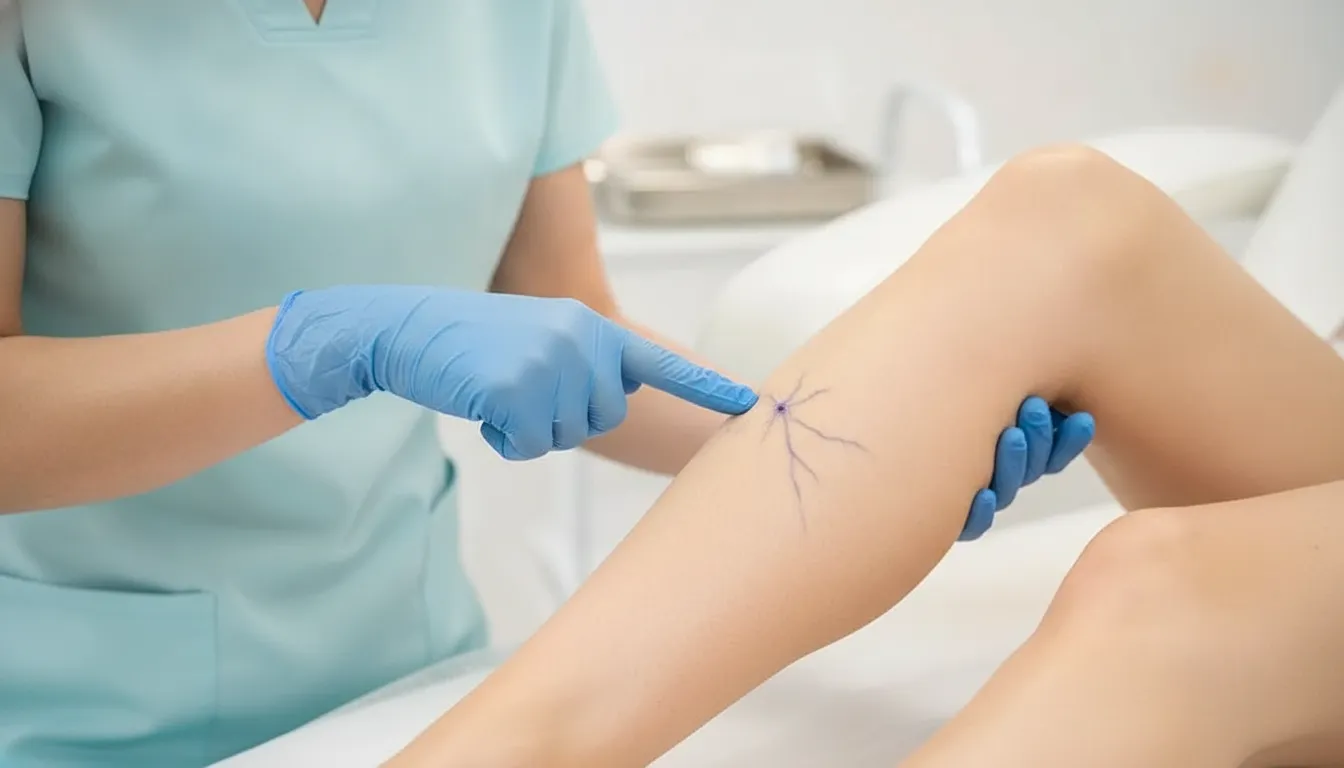
Because laser energy interacts with pigment, treated skin may temporarily become lighter or darker. Lasting changes are uncommon, but the risk can increase with darker skin tones or when someone has not avoided sun exposure before or after treatment. Inappropriate settings, a recent tan, or an unsuitable device can also increase the chance of excessive heat, burns, blistering, crusting, or changes in skin texture. These are not expected reactions to ignore. Contact the treating clinic promptly if the skin develops significant blistering, open areas, worsening pain, or unusual color changes.
Infection, cold sores, scarring, and folliculitis
Infection and scarring are rare, yet they deserve discussion during screening. A history of cold sores or genital herpes should be disclosed because treatment may be associated with a cold-sore outbreak in susceptible patients. Folliculitis, an inflammation around hair follicles, has also been reported after light-based hair removal. It can look different from the mild redness or perifollicular swelling that often follows treatment, so do not assume every bump has the same cause. A tendency to scar or a history of keloids is also relevant before treatment.
Paradoxical hair growth and eye safety
Rarely, hair may grow thicker around the treated area. This is called paradoxical hypertrichosis, and it should be evaluated rather than managed by changing settings at home. A systematic review of light-assisted hair removal complications also describes eye injuries as an important, sometimes overlooked risk. The patient and operator should wear wavelength-specific protective eyewear, especially during facial or periocular treatment. Laser hair removal is generally not recommended on the eyelids, eyebrows, or immediately surrounding areas because of the potential for serious eye injury. The PubMed review summarizes these cutaneous and ocular complications: review of adverse events from light-assisted hair removal.
These possibilities do not mean treatment is unsafe for everyone. They reinforce why individualized screening, appropriate equipment and settings, trained operation, and clear aftercare instructions are important. Seek medical advice for severe pain, spreading redness, drainage, fever, blistering, vision symptoms, or any reaction that is worsening instead of settling.
How Do Skin Tone, Settings, and Provider Experience Affect Risk?
Laser hair removal uses light energy that is absorbed by hair pigment and converted to heat. Because skin also contains pigment, safe planning depends on matching the device and settings to the person, treatment area, and current skin condition. That does not mean certain skin types should automatically be excluded. It means the consultation should account for skin tone, recent tanning, hair characteristics, and medical history before treatment begins.
The American Academy of Dermatology notes that skin color, the treatment plan, and adherence to care instructions all affect risk. A review of light-assisted hair removal complications likewise found associations with skin type, treated region, device, settings, and recent sun exposure. These factors help explain why the same treatment can produce different results or reactions in different people.
| Factor | Why it matters | Safer planning question |
|---|---|---|
| Skin tone and sun exposure | Recent tanning can increase unwanted heating and color-change risk. | Should treatment wait after recent sun exposure? |
| Body area and hair characteristics | Results and settings vary with the treatment region, hair color, hair coarseness, and growth cycle. Sensitive or contoured areas may require additional care. | What settings fit this body area and the hair being treated? |
| Wavelength and device | Different wavelengths interact with hair and skin pigment differently. UIMS identifies its Candela GentleMax Pro service as using 755 nm Alexandrite and 1064 nm Nd:YAG wavelengths. | Which wavelength is appropriate for this skin and hair combination, and why? |
| Energy settings and cooling | Parameters that are too aggressive can increase irritation, burns, or pigment changes. Cooling supports comfort and helps manage heat at the skin surface. | How will settings be selected, and what cooling method will be used? |
| Operator training and experience | Laser physics, skin assessment, protective eyewear, and consistent technique all affect safety. Experience treating different skin colors can improve planning. | How often does the provider treat my skin tone, and who will perform the procedure? |
UIMS describes Dynamic Cryogen Device cooling with the Candela platform and requires wavelength-matched protective eyewear for patients and staff. Those details are useful to discuss, but a device name alone cannot guarantee a particular outcome. The provider still needs to assess your skin in person, review medications and topical products, ask about scarring or cold sores, and consider recent procedures or sun exposure.
For a broader overview of the laser hair removal service, ask how the treatment plan will be individualized. The goal is not to promise zero risk. It is to identify relevant risk factors early and choose a measured plan supported by appropriate training and informed consent. AAD guidance and the published safety review both support this individualized approach.
How Should You Prepare to Lower the Chance of Irritation?
Preparation is part of safe planning, not a guarantee that every reaction can be prevented. Laser hair removal candidacy should be assessed individually based on factors such as skin type, medical history, medications, topical products, allergies, prior procedures, and recent sun exposure. Share complete, current information during your consultation so the treating professional can decide whether treatment is appropriate and how it should be planned.
- Disclose relevant health and treatment information during your consultation. Tell the provider about your medical history, medications and topical products, allergies, prior cosmetic procedures, recent tanning or sun exposure, and any tendency to scar or develop keloids. A history of cold sores or genital herpes may also be relevant. Do not stop or change a medication on your own. Ask the treating professional how your information affects candidacy and preparation.
- Avoid sun exposure for two weeks before treatment. Recent sun exposure can affect treatment planning and may increase the chance of unwanted skin-color changes. Follow the clinic’s specific instructions about sun protection, and be candid if you have developed a tan or sunburn. A treatment date may need to be reconsidered after recent exposure.
- Shave the treatment area within 24 hours. Shaving helps prepare the area while leaving the hair follicle available for the laser to target. Follow the provider’s instructions if your treatment plan includes a different approach.
- Arrive with clean, product-free skin. Remove lotions, oils, deodorant, makeup, and other products from the treatment area unless the clinic gives you different instructions. Clean skin helps the provider evaluate the area and follow the planned treatment safely.
- Use retinoids only as directed. Do not create your own pause schedule or resume a topical product based on general internet advice. Tell the provider which retinoid or other active product you use, then follow individualized instructions about whether and when to use it.
For a broader overview of candidacy and preparation in the area, review this laser hair removal safety and preparation guide. It provides general education, but a consultation remains the right place to discuss your specific circumstances.
What Should You Do After Laser Hair Removal?
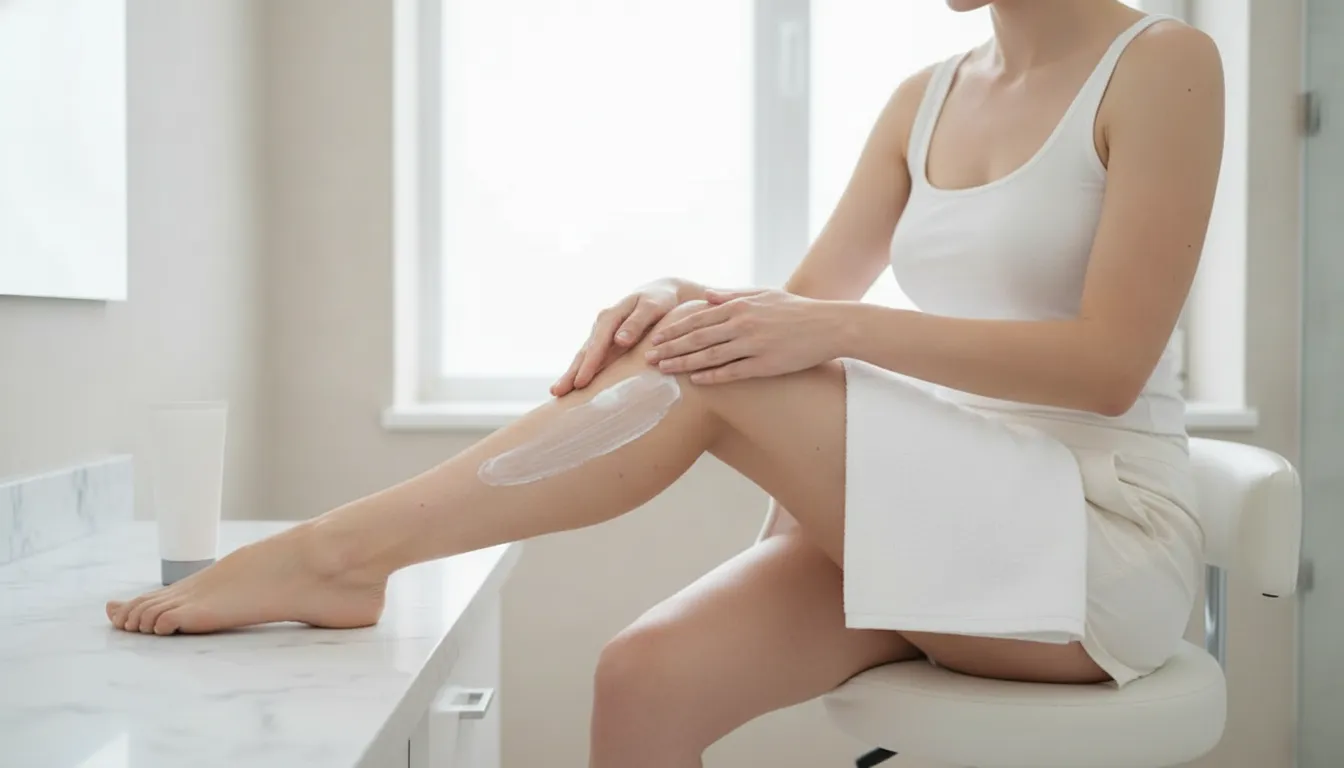
After treatment, follow the specific instructions from your treating clinician before adding products or changing your usual routine. Aftercare matters because the skin can be temporarily sensitive, and the right steps depend on the treatment area, your skin, and the plan used. The American Academy of Dermatology recommends a cool compress for discomfort and avoiding direct sunlight on treated skin and indoor tanning equipment. You can review more practical laser hair removal aftercare tips as a helpful companion to the instructions provided at your appointment.
Use gentle cooling and follow your clinic’s instructions
A cool compress may help soothe warmth or discomfort after the procedure. Use it as directed by your clinic, and avoid experimenting with strong products, exfoliants, or medication changes unless your treating professional approves them. Do not assume that a product that feels comfortable on one area is appropriate for freshly treated skin elsewhere.
It is also useful to keep expectations realistic. Mild redness, swelling, or a sunburn-like sensation can occur after laser hair removal. The AAD reports that common minor reactions often last one to three days. UIMS clinical guidance notes that redness or swelling may subside within hours for some patients. Timing varies, so your clinician’s advice should take priority over a universal recovery promise.

Protect treated skin from sunlight and tanning
Avoid direct sun on the treated area and do not use tanning beds, sun lamps, or other indoor tanning equipment during the period specified by your clinician. Sun exposure can affect how treated skin responds and may increase the chance of unwanted color changes. Ask your clinic how to protect the area outdoors, including which sunscreen and clothing choices are appropriate for your treatment plan.
Know when to contact the treating clinic
Contact the clinic that performed your treatment if a reaction concerns you, persists, worsens, or does not follow the aftercare guidance you were given. Blistering, marked skin changes, signs of infection, or significant pain should not be self-diagnosed online. The clinic can review what happened and tell you what to do next. Seek urgent medical care for severe or rapidly worsening symptoms.
Protective eyewear is a treatment-room safety standard, not an aftercare step. Everyone in the room should wear wavelength-appropriate protective eyewear during the procedure, especially when treatment is near the face or eyes. This helps reduce the risk of unwanted laser exposure. Research reviews identify operator training and proper eye protection as important safeguards.
The American Academy of Dermatology’s laser hair removal guidance also emphasizes following both before- and after-treatment instructions to reduce side-effect risk.
How Can You Choose a Safer Laser Hair Removal Provider?
A careful consultation should feel like a safety conversation, not a sales appointment. Before treatment, ask how the provider evaluates your skin type, recent sun exposure, medical history, medications, topical products, allergies, and previous procedures. Mention any tendency to scar or history of cold sores, and ask whether anything you disclose changes the treatment plan. The American Academy of Dermatology’s preparation guidance specifically recommends discussing these details before laser hair removal.
Ask how the provider chooses the device, wavelength, and settings for your skin and hair. Laser hair removal risks are influenced by skin type, treatment area, device parameters, and recent sun exposure, according to a review of reported light-assisted hair-removal complications. A responsible provider should be able to explain why a particular approach is appropriate, whether a test spot or modified settings are advisable, and how cooling is used. For context, Ultimate Image MedSpa identifies the Candela GentleMax Pro as its platform, with 755 nm Alexandrite, 1064 nm Nd:YAG, and Dynamic Cryogen Device cooling. Technology alone is not a guarantee of safety. Training and appropriate settings matter.
Questions worth asking before treatment
- Who performs the procedure, and what training and experience do they have with my skin tone and treatment area?
- Which wavelength and settings are you considering, and how will you adjust them if my skin has recently tanned?
- What cooling method will be used, and what sensations or reactions should I report during treatment?
- Will everyone in the room wear wavelength-matched protective eyewear?
- What risks, alternatives, expected reactions, and aftercare instructions will be covered in informed consent?
Operator knowledge and laser-physics training are important safety recommendations in the PubMed review. Protective eyewear is also essential. The AAD states that everyone in the treatment room should wear it. The review emphasizes wavelength-specific goggles for both the patient and operator, particularly during facial or periocular treatment. You can learn more about the clinic’s laser hair removal service, then use a consultation to determine whether its approach fits your needs. A qualified provider should welcome questions and explain what happens if your circumstances make treatment inappropriate that day.
Frequently Asked Questions
What are the negatives of laser hair removal?
Temporary redness, swelling, discomfort, or a sunburn-like sensation are common. Less common risks include burns, blisters, pigment changes, infection, scarring, and paradoxical hair growth. Risk can vary with skin tone, hair characteristics, treatment area, device, settings, and provider experience. The American Academy of Dermatology recommends discussing potential side effects with a qualified professional.
Is laser hair removal 100% safe?
No cosmetic procedure is completely risk-free or appropriate for everyone. A safety-focused consultation should review your skin type, medical history, medications, topical products, allergies, recent procedures, and sun exposure. Share these details honestly so the treating professional can assess candidacy and choose appropriate settings. This article provides general education, not a personal diagnosis or treatment recommendation.
What should I know before laser hair removal?
Ask who will perform the treatment, which device and wavelength may be used, how your skin will be evaluated, and what aftercare you should follow. Tell the clinic about active irritation or infection, photosensitizing medications, recent cosmetic procedures, and any history of unusual healing. Do not change prescribed medication without guidance from the relevant healthcare professional.
Can I shave two hours before laser hair removal?
Clinic guidance commonly recommends shaving within 24 hours rather than relying on a same-day shave. Arrive with clean skin free of lotions, deodorant, makeup, and other products on the treatment area. Follow the specific timing instructions from your treating professional, especially if shaving causes irritation or small cuts.
When should I seek help after treatment?
Contact the treating clinic about severe, worsening, or persistent pain, swelling, redness, blistering, drainage, signs of infection, or unexpected skin color changes. Seek urgent medical care for severe symptoms, vision concerns, breathing problems, or another emergency. Do not try to diagnose a complication from an online article.
Book Your Laser Hair Removal Consultation
A consultation gives you space to discuss your skin type, treatment goals, medical history, and safety questions before deciding whether laser hair removal is appropriate for you.