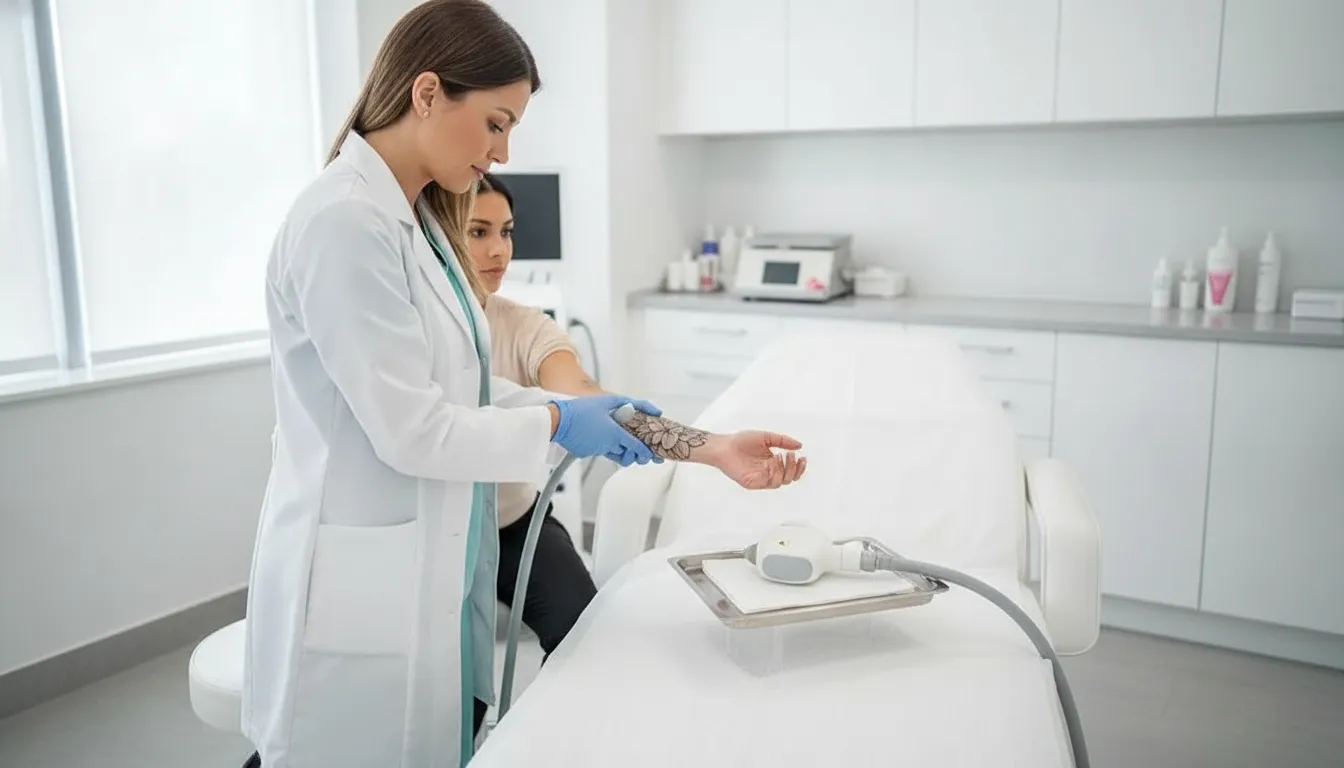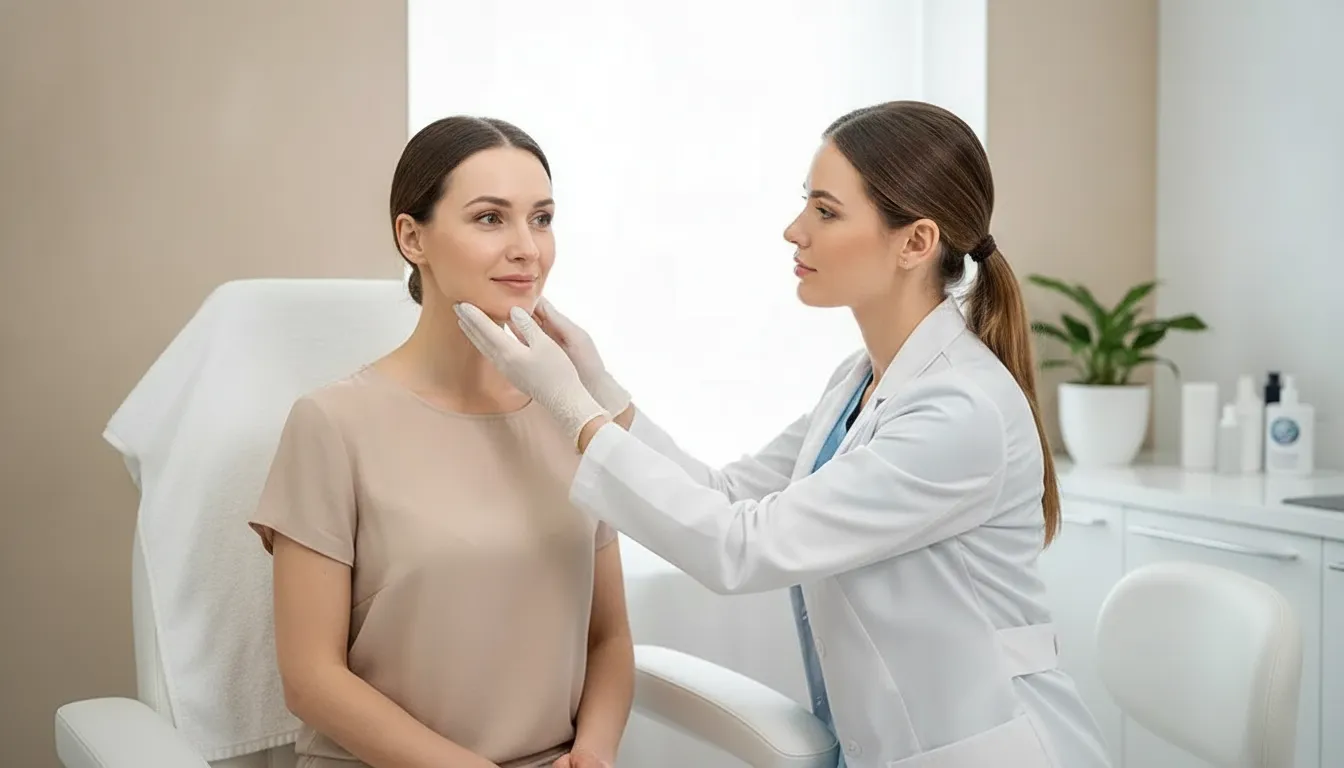

Skin tightening treatments can be part of a conversation about selected concerns related to mild skin laxity and firmness. The best next step depends on the area, your goals, your skin, and a professional assessment. Non-surgical care is not a substitute for surgery, and no option can promise the same change for every person. This guide explains how to sort through the questions before choosing a treatment path.
What can skin tightening treatments address?
Skin may look or feel less firm for different reasons. Age, weight changes, natural variation in skin structure, and the specific area involved can all affect what a person notices. A non-surgical treatment discussion is most useful when you can identify a particular concern, such as a softer-looking jawline, laxity around the neck, or a body area that does not look as firm as you would prefer. Those examples are not diagnoses or promises that a certain service will address them.
Try to describe the concern without prescribing the solution. “I want a firmer-looking lower face” gives a provider a starting point. “I need a particular device” assumes that the method is right before the area and skin have been assessed. A consultation can help distinguish a concern that may fit a non-surgical service from one that requires another kind of evaluation.
Texture and laxity are related in everyday conversation, but they are not identical goals. If the main concern is roughness or uneven-looking texture, explain that. If the concern is visible looseness, describe where it appears and whether it has changed. Being specific helps keep the discussion focused and makes it easier to understand why a provider might recommend one path rather than another.

How do the options differ?
“Skin tightening” is an umbrella description, not a single procedure. Methods can differ in how they deliver energy, which areas they are intended to address, what a visit involves, and what a person may experience afterward. Ultimate Image MedSpa lists Skin Tightening as a service, but the exact approach and candidacy should be confirmed in a personal discussion. Do not infer a device, setting, or treatment protocol from a broad service label.
Use this comparison to organize questions, not to choose a treatment on your own. The right column is intentionally broad because an individual plan depends on assessment. If the goal seems more substantial than a non-surgical option is designed to address, ask whether another kind of professional evaluation would be more appropriate.
| Planning question | Non-surgical skin tightening discussion | Surgical lifting discussion |
|---|---|---|
| General aim | Explore a firmer appearance or selected mild laxity concerns | Discuss a more substantial lift when clinically appropriate |
| What shapes the plan? | Area, skin condition, goals, health and treatment history | Assessment by a qualified surgical professional, overall health, and desired change |
| What should you clarify? | Specific method, expected course, possible temporary effects, aftercare, and follow-up | Procedure details, anesthesia, recovery, risks, and follow-up |
| How is cost handled? | Ask for consultation-based pricing for the proposed plan | Ask the surgical professional for an individualized estimate |
This is a starting framework, not medical advice or a claim that every option is suitable. For research background, this published assessment of a water-filtered near-infrared treatment concerns the specific treatment studied. Its findings should not be generalized to every energy-based method, device, treatment area, or individual.
What should you consider before choosing?
Match the treatment discussion to the area
Face, neck, and body concerns may involve different considerations. When you make an appointment, identify the area that matters most rather than asking only for “tightening.” A provider can explain whether the listed service is intended for that area and what limitations apply. If you have more than one concern, ask whether the priorities should be considered separately instead of assuming one treatment will address them all.
Ask what the method actually involves
A broad label does not tell you what you will experience. Ask which approach is proposed, how it is generally intended to work, what a visit involves, and what sensations or temporary effects may occur. Ask what aftercare is recommended and whether your health history, medicines, or prior procedures affect the plan. Follow the individual instructions you receive rather than relying on generalized advice from another treatment or another person.
Think about your starting point and expectations
Before the visit, write down what change would feel meaningful to you. It can help to describe the concern in ordinary terms and note when you first noticed it. A realistic discussion should include what improvement might be possible, what is unlikely to change, how progress would be reviewed, and when the plan should be reconsidered. A consultation cannot guarantee an individual result. Response and visible change vary.
Be cautious about comparing yourself with a generic photograph or a promised outcome. Photos can differ in lighting, pose, timing, and the person’s starting point. Instead, ask how the provider will assess your particular concern and explain the limits of the option being discussed. If your goals cannot reasonably be met by the proposed service, it is useful to hear that before deciding.
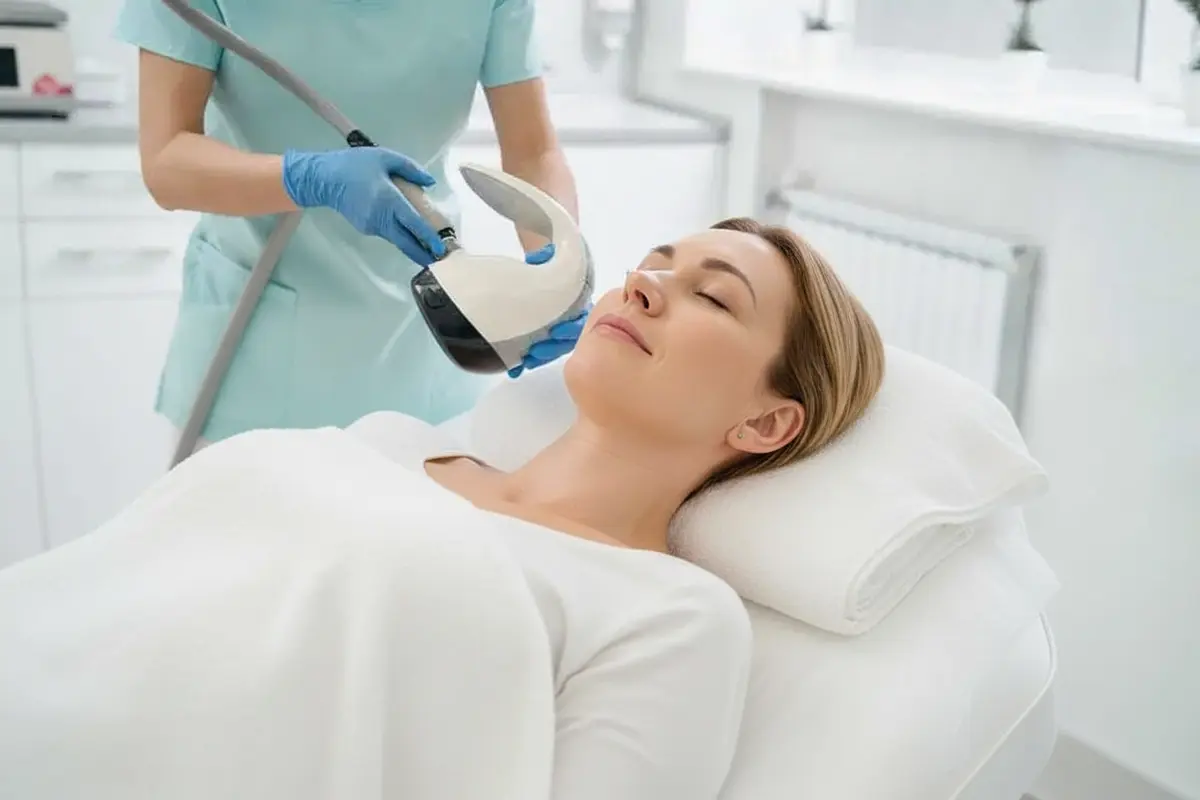
How can you prepare for a consultation?
A little preparation can make the appointment more productive. Bring a concise description of the area and goal, plus a list of treatments you have tried and how your skin responded. Share relevant health information and treatment history honestly. If you are unsure whether a medicine or prior procedure matters, ask rather than leaving it out. Do not stop a prescribed medicine unless the professional who prescribed it advises you to do so.
Consider bringing questions in a few groups so that the conversation covers suitability, practical expectations, and cost. You do not need to know the technical terms. The aim is to understand the proposed plan well enough to make an informed decision.
- Which area and concern is this service intended to address?
- What specific method are you considering, and why does it fit my stated goal?
- What should I expect during a visit, and what temporary effects may follow?
- What aftercare and follow-up would apply to my plan?
- What factors could make the treatment unsuitable or change the recommendation?
- How will you describe realistic improvement and assess progress?
- How is pricing determined, and what exactly is included in the quoted plan?
How should you compare plans and providers?
Compare the reasoning behind a recommendation, not just the name of a service. Ask whether the provider has examined the area, listened to your goal, discussed relevant history, and explained both benefits and limitations. A recommendation should connect clearly to the concern you brought in. If the explanation is vague, ask for it in plain language before agreeing to anything.
It can also help to request the proposed plan in writing. Note the method, the area being considered, the expected course, aftercare instructions, follow-up, and total estimated cost. Written details make it easier to compare options without assuming that similar names mean identical treatments. Do not treat a menu listing as proof that a service is right for your individual needs.
For pricing, ask about the full recommended plan rather than focusing only on the cost of one visit. This article does not quote a fixed price because the recommendation and cost depend on the individual discussion. Clarify whether an estimate reflects the complete plan, any follow-up, and what happens if the provider advises against treatment. Take time to review the answer before making a decision.
Ultimate Image MedSpa provides a skin tightening service. Review the services menu for the listed offerings and the new client information if you are preparing for a first visit. The About Us page gives additional context about the practice. A HydraFacial overview describes a separate service, not a substitute for skin tightening.
When might a different skin concern call for another conversation?
Not every concern that appears on the face or body is primarily about laxity. If your main goal is addressing texture, explain that distinction. Ultimate Image MedSpa lists SkinPen Microneedling as a separate service. That does not mean it is interchangeable with skin tightening or appropriate for every person; it simply gives you a specific question to raise if texture is the priority.
Likewise, a treatment that addresses one aspect of appearance may not address another. Make a short list of your top concerns and rank them. Ask which one the proposed plan is designed to address, which concerns it will not address, and whether separate timing or evaluation is advisable. This keeps the conversation grounded in your actual priorities instead of turning a service menu into a checklist.
Readers comparing options can also use this guide to skin tightening options as a starting point for questions. General reading can help you prepare, but it cannot determine candidacy. A useful next step is to discuss the area, your expectations, and the exact method with a qualified professional.
What should you do after you receive a recommendation?
Before you decide, repeat the proposed plan back in your own words. Confirm the area, approach, practical course, expected aftercare, and cost. Ask which parts of the recommendation are based on your assessment and which are general guidance. If you need more time, say so. You should understand the plan and feel comfortable asking follow-up questions before moving ahead.
If the recommendation changes after the provider learns more about your history or examines the area, ask what new information affected the decision. A change in plan is not automatically a problem; it may reflect individualized assessment. What matters is receiving a clear explanation, knowing what choices remain, and understanding any limits or uncertainties.
When you compare more than one professional, ask each the same core questions: what concern is being treated, why this method is being considered, what its limits are, what the plan involves, and how cost is calculated. That makes the responses easier to compare and reduces the chance of choosing based on a headline claim alone.
Book your consultation to discuss skin tightening options
Frequently asked questions
Are non-surgical treatments the same as a surgical lift?
No. They differ in approach and in the degree of change they may address. A qualified professional can discuss whether your goal fits a non-surgical service or warrants another kind of evaluation.
Can a consultation tell me exactly what result I will get?
No consultation can guarantee an individual result. It can help assess your concern, outline realistic possibilities and limitations, and explain how follow-up may work.
How much do skin tightening treatments cost?
Cost depends on the recommendation and the individual plan. Ask for the estimated cost of the proposed plan before deciding; this article does not provide a fixed price.
What should I bring to the appointment?
Bring your questions, a clear description of the area and goal, and information about relevant health history, medicines, and prior treatments. Ask the provider whether any additional preparation is needed.
Could a texture concern point to a different service?
Possibly. Explain whether texture or laxity is your main priority and ask what listed services may fit that concern. A separate service should not be assumed to be interchangeable with skin tightening.
A thoughtful consultation can help you understand your options, their limits, and whether a skin-tightening plan aligns with your goals.