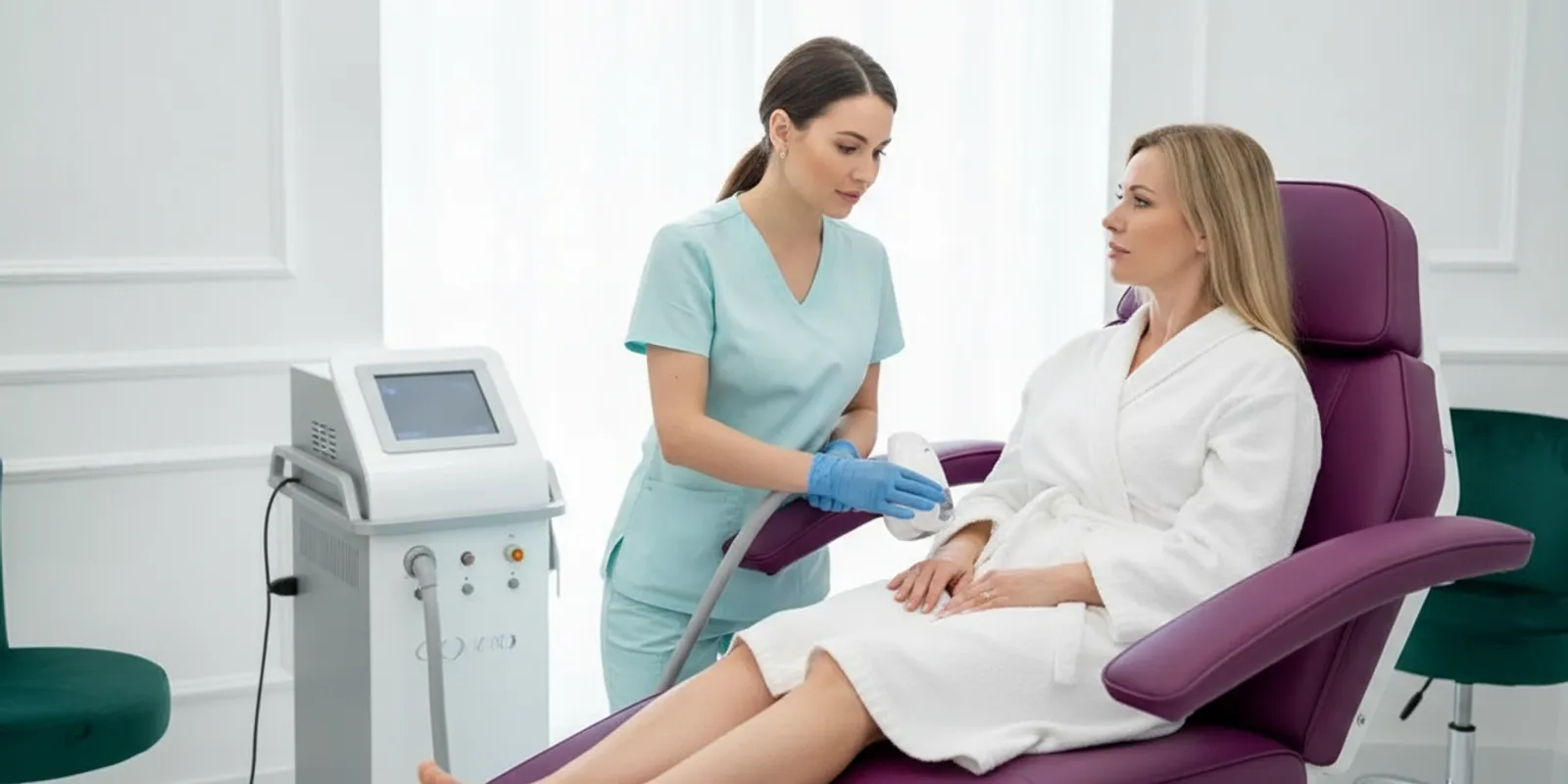
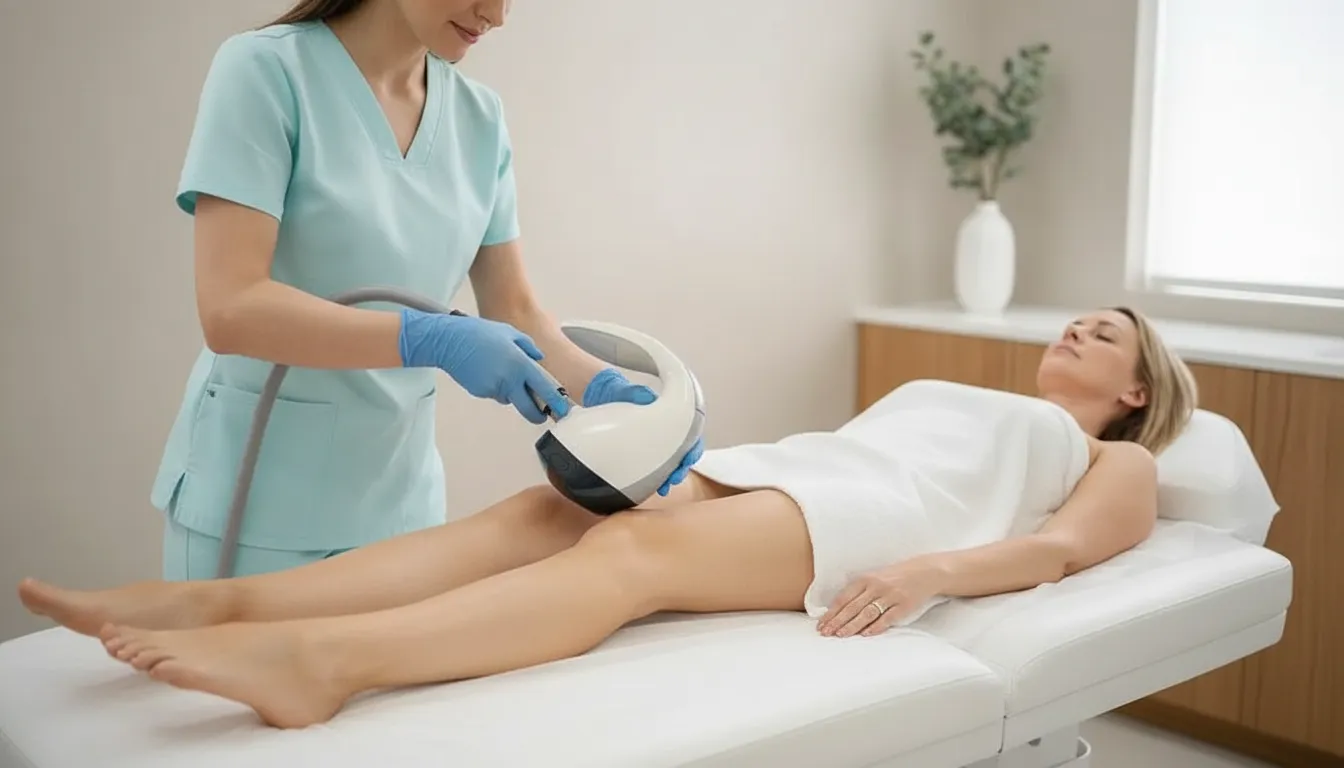
Frequent shaving, waxing, or tweezing can make unwanted hair feel like a recurring task rather than a lasting solution. The decision depends on your skin, hair, health history, schedule, and goals.
For readers asking laser hair removal in plano texas why it may be worth considering. The treatment can provide long-term hair reduction with a personalized plan, but results, session needs, and maintenance vary. At Ultimate Image MedSpa’s flagship Plano location, a consultation can address candidacy, medical history, medications, recent sun exposure, expected outcomes, alternatives, and aftercare before treatment begins.
Understanding the reasons people consider treatment can help you prepare more useful questions and evaluate whether the approach aligns with your priorities. Start by looking at the practical benefits of choosing a professional provider in Plano.
Why consider laser hair removal in Plano, Texas?
Choosing a laser hair removal provider is about more than finding the closest appointment. For patients considering laser hair removal in Plano, Texas, the decision may include the provider’s experience. The planning process, the technology available, and whether the location fits naturally into an ongoing treatment schedule.
Plano is the flagship location for Ultimate Image MedSpa, a Texas medical aesthetics provider with nearly 15 years of experience. Its location at 4674 McDermott Rd., Suite 309, Plano, TX 75024 may be convenient for patients who live or work in Plano and nearby communities. Convenience matters because laser hair removal is typically performed as a series of appointments rather than a single visit.
A consultation also gives you a chance to discuss your goals before committing to a plan. The provider should review your medical history, medications, allergies, skin type, sun exposure, and the area you want treated. That information helps determine whether treatment is appropriate, what settings may be considered, and what expectations are reasonable for your hair and skin characteristics.
Personalized planning is especially important when patients have questions about comfort, darker skin, prior tanning, or maintenance after the initial series. A responsible provider should explain potential benefits, limitations, alternatives, aftercare, and possible temporary reactions instead of promising identical results for everyone.
For an overview of the treatment approach, visit the laser hair removal treatment page. Then use a consultation to decide whether the provider, schedule, and plan match your needs.
What makes the treatment approach worth asking about?
Laser hair removal is not simply a matter of choosing a device and applying the same setting to everyone. At Ultimate Image MedSpa, the treatment approach uses the Candela GentleMax Pro, a dual-wavelength platform designed to give the provider more than one way to plan treatment. The system includes a 755 nm Alexandrite wavelength and a 1064 nm Nd:YAG wavelength. Your provider can consider your skin type, hair characteristics, treatment area, and response when determining an appropriate approach.
In plain language, the two wavelengths interact with hair and skin differently. That flexibility can be useful when a patient needs careful planning rather than a one-size-fits-all protocol. The device also uses Dynamic Cryogen Device cooling. A brief burst of cooling helps protect the skin’s surface and may make the treatment more comfortable. Some patients describe the laser sensation as similar to a quick rubber-band snap, although experiences vary by person and area.
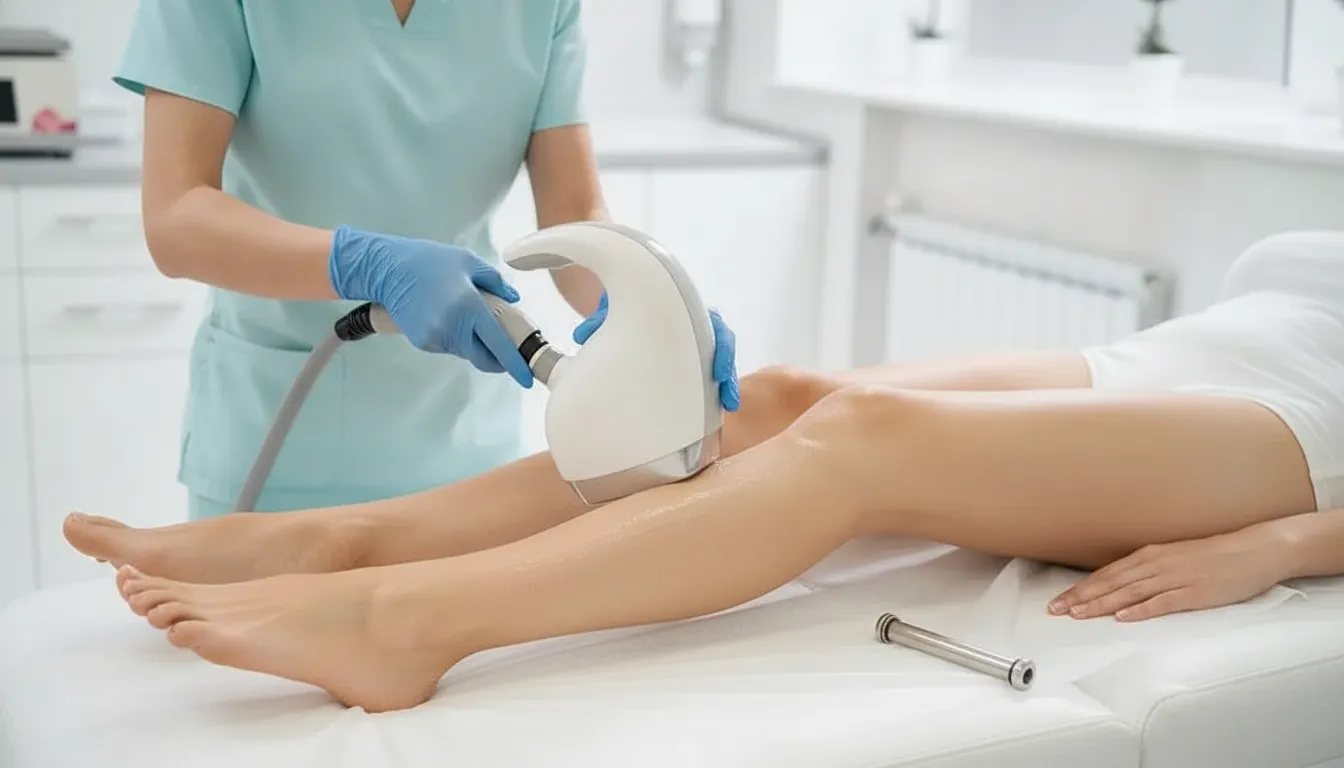
Technology is one part of the decision, but the consultation remains important. Settings should be individualized after reviewing your skin type, medical history, medications, allergies, recent sun exposure, goals, and other factors that may affect candidacy or aftercare. The platform is described in the clinic’s materials as FDA-cleared for Fitzpatrick skin types I through VI. But that does not mean every person should receive the same treatment or that results are guaranteed.
To understand the process and what planning may involve, review the laser hair removal treatment details and the Candela GentleMax Pro laser guide. The inline image illustrates the treatment topic, but it should not be treated as proof that it depicts the exact device used for your appointment.
Is laser hair removal safe for every skin type?
Laser hair removal is not automatically appropriate for every person, but a range of skin tones can be evaluated for treatment. The Candela GentleMax Pro platform used by Ultimate Image MedSpa is described in the clinic’s knowledge base as FDA-cleared for Fitzpatrick skin types I through VI. That classification helps describe how skin responds to ultraviolet exposure, but it does not replace an individual consultation or guarantee candidacy. You can review the FDA’s device database for clearance information.
Safety depends on matching the treatment approach to your skin, hair, and current circumstances. During intake, the provider should review your medical history, medications, allergies, skin type, recent sun exposure, and any relevant contraindications. These details help determine whether treatment should proceed, whether it should be delayed, and which settings and precautions are appropriate. A recent tan or sun exposure may affect the timing of an appointment. So tell the provider what your skin has experienced rather than assuming a standard schedule is safe.
People with darker skin tones may have specific questions about protecting surrounding skin and choosing appropriate settings. Our guide to laser hair removal for darker skin explains why individualized planning matters. You can also read more about laser hair removal safety before your consultation.
Even when treatment is considered appropriate, temporary redness or swelling can occur and may subside within hours. Some patients describe the sensation as a rubber-band snap, while cooling is used to support comfort and skin protection. Ask what to expect for your treatment area, how to follow aftercare instructions, and when to contact the clinic. The overview of possible laser hair removal side effects can help you prepare informed questions. No provider should promise risk-free treatment or universal candidacy.
Who is a good candidate for laser hair removal?
A good candidate is usually someone who wants a longer-term reduction in unwanted hair and is prepared for a series of treatments rather than a one-time solution. Laser hair removal may be considered for areas such as the face, underarms, bikini area, back, arms, or legs. Results can vary based on the treatment area, hair characteristics, skin type, and the way hair grows.
Hair color and texture also matter. The provider will evaluate whether the hair is likely to respond well and explain what results may be realistic. The goal is not to diagnose candidacy from an online article. Instead, an individualized assessment helps determine whether laser treatment is appropriate and how settings and scheduling should be planned.
Skin type is part of that conversation. The Candela GentleMax Pro platform used by Ultimate Image MedSpa is described in the company knowledge base as FDA-cleared for Fitzpatrick skin types I through VI. That does not mean every person or every area can be treated under identical conditions. A provider should assess your skin and select appropriate settings. Patients with darker skin can also review the clinic’s guidance on laser hair removal safety before a consultation.
Your health history is equally important. During intake, expect questions about medications, allergies, prior reactions, current skin conditions, and other relevant medical factors. Recent sun exposure or tanning should be discussed because it may affect treatment timing and skin-safety planning. Temporary redness or swelling can occur after treatment, so ask what to expect and which aftercare instructions apply to you.
A consultation gives you a chance to share your goals, ask about alternatives, and understand likely sessions and next steps. That personalized review is more useful than relying on a general checklist, especially if you take prescription medication. Have recently tanned, or are unsure whether your hair and skin characteristics are suitable.
How many sessions and what results should you expect?
Laser hair removal works through a planned series rather than a single appointment. A typical plan involves 4 to 10 sessions, usually spaced 4 to 8 weeks apart. The timing allows the provider to treat hair during a growth phase that responds to the laser. Your treatment area, hair characteristics, skin assessment, and response over time all influence the schedule.
| Planning factor | What it means | Why it varies |
|---|---|---|
| Number of sessions | Many patients plan for approximately 4 to 10 appointments. | Hair characteristics and the treatment area affect how the hair responds. |
| Time between sessions | Appointments are commonly scheduled 4 to 8 weeks apart. | The interval supports treatment timing as different hairs enter an active growth phase. |
| Appointment length | A small area may take about 15 minutes, while full legs may take about 60 minutes. | Larger areas require more passes and more time for careful coverage. |
| Long-term outcome | The knowledge base cites 70% to 90% permanent hair reduction after a complete series. | Results are individual, and occasional maintenance may still be needed. |
Reduction does not mean guaranteed complete removal. Some hair may remain, and maintenance can be appropriate as your provider evaluates your response. A realistic plan focuses on progressively less visible or less frequent hair, not an absolute promise.
For a closer look at timing for the legs, review this laser hair removal session schedule. A consultation can also help translate general ranges into a plan for your goals and treatment area.
How should you prepare for an appointment?
Good preparation helps your provider assess your skin and hair accurately and plan a safe treatment. Avoid recent sun exposure before the appointment, since changes in skin color can affect how treatment is approached. Follow the clinic’s specific instructions, and shave within 24 hours only if your provider confirms that this is appropriate for your treatment area.
Before you arrive, make a list of current medications, allergies, relevant medical history, and recent changes in your skin. Tell the provider about recent tanning or significant sun exposure, products or treatments that may affect the area, and any concerns about sensitivity. These details help guide the skin assessment, candidacy discussion, expected outcomes, and aftercare plan. Do not stop a medication or change a treatment routine unless your healthcare professional tells you to do so.
It is also useful to arrive ready to discuss your goals and the areas you want treated. Ask which preparation steps apply to you, what sensations to expect, how many visits may be appropriate, and what alternatives or maintenance could be considered. You can review more practical details in this guide on how to prepare for a laser hair removal appointment.
After treatment, follow the provider’s instructions for caring for the treated skin and protecting it from unnecessary sun exposure. Temporary redness or swelling may occur and can subside within hours, but your provider should explain what is expected and when to contact the clinic with a concern.
Book your consultation to review your goals, history, preparation questions, and next steps with the Ultimate Image MedSpa team.
What should you ask during a Plano consultation?
A consultation should help you understand whether laser hair removal fits your goals, skin, hair characteristics, and health history. Instead of focusing only on the device, bring questions that help you make an informed decision about the treatment area and plan.
- Am I a candidate for this treatment? Ask how your skin type, hair color and texture, medical history, medications, allergies, and recent sun exposure affect suitability. Candidacy and settings should be assessed individually.
- Which device and settings would you use for my treatment area? Ask why the provider recommends a particular approach, how skin protection and cooling are handled, and whether settings may change as your treatment progresses.
- How many sessions might I need, and how far apart will they be? A typical plan may involve 4 to 10 sessions spaced 4 to 8 weeks apart, but the area and hair characteristics can change that estimate. Ask how progress will be evaluated.
- What reduction is realistic for me? Ask how the provider defines expected hair reduction, whether maintenance may be needed, and what results cannot be promised. Laser treatment is not guaranteed complete removal.
- What risks and temporary effects should I expect? Discuss redness, swelling, pigment changes, or other possible laser hair removal side effects, and ask when to contact the provider.
- What should I do before and after treatment? Confirm sun-exposure precautions, whether shaving within 24 hours is appropriate for you, aftercare, and when normal skincare or hair-removal methods can resume.
- Are there alternatives for my goals? Ask whether another approach may be more appropriate based on your hair, skin, timeline, or expectations, and request a clear next-step plan.
A Plano consultation is the right place to review these questions, clarify likely outcomes, and decide whether to proceed without guessing about your candidacy.
Frequently Asked Questions
Who is a good candidate for laser hair removal?
A good candidate is someone seeking a longer-term reduction in unwanted hair and willing to follow a personalized treatment plan. During a consultation, the provider reviews your hair characteristics, skin type, medical history, medications, allergies, sun exposure, and goals before determining whether treatment is appropriate.
Is laser hair removal safe for every skin type?
The Candela GentleMax Pro platform used at Ultimate Image MedSpa is described as FDA-cleared for Fitzpatrick skin types I through VI. But that does not mean every setting is right for every person. Individual assessment, appropriate settings, skin protection, and discussion of possible temporary redness or swelling are important parts of safe planning. Read more about laser hair removal for darker skin.
How many sessions are usually needed?
A typical plan may include 4 to 10 sessions spaced about 4 to 8 weeks apart. The number depends on the treatment area, hair characteristics, growth cycle, and individual response. Your consultation should establish a realistic schedule rather than promise a fixed number of visits.
Is laser hair removal permanent?
Laser hair removal should be understood as long-term hair reduction, not guaranteed complete removal. The company knowledge base cites 70% to 90% permanent reduction after a complete series, while noting that occasional maintenance may still be needed. Results vary, so your provider should explain what is realistic for your goals.
What should I look for when choosing a provider in Plano?
Look for a provider that explains the technology, screens for contraindications, reviews your medical history and medications, discusses risks and alternatives, and provides clear aftercare instructions. A consultation should feel specific to your skin, hair, goals, and comfort rather than rely on universal promises.
Ready to discuss laser hair removal in Plano, Texas?
A consultation gives you space to discuss your goals, candidacy, treatment planning, realistic expectations, and possible next steps with the team at Ultimate Image MedSpa.