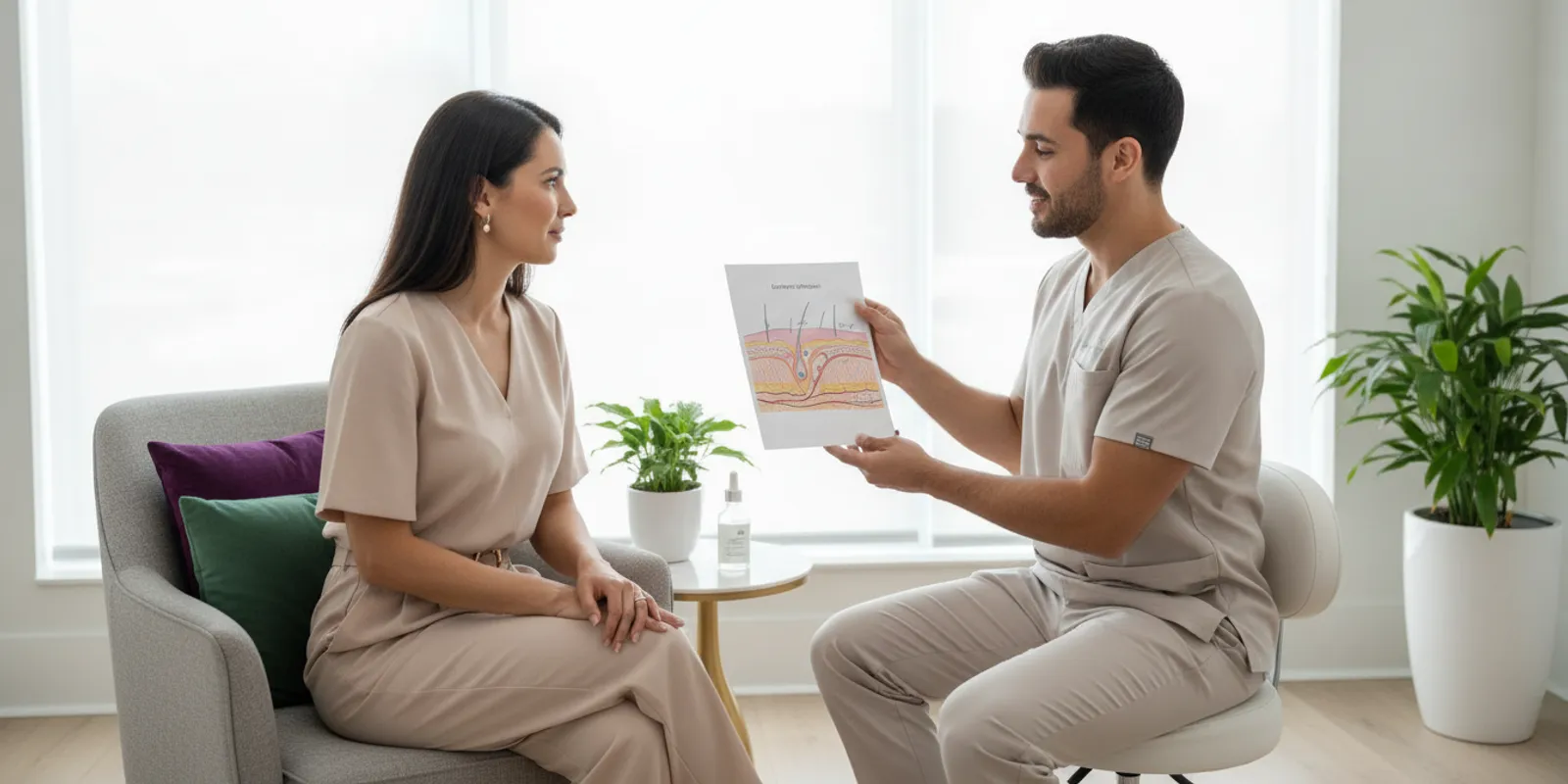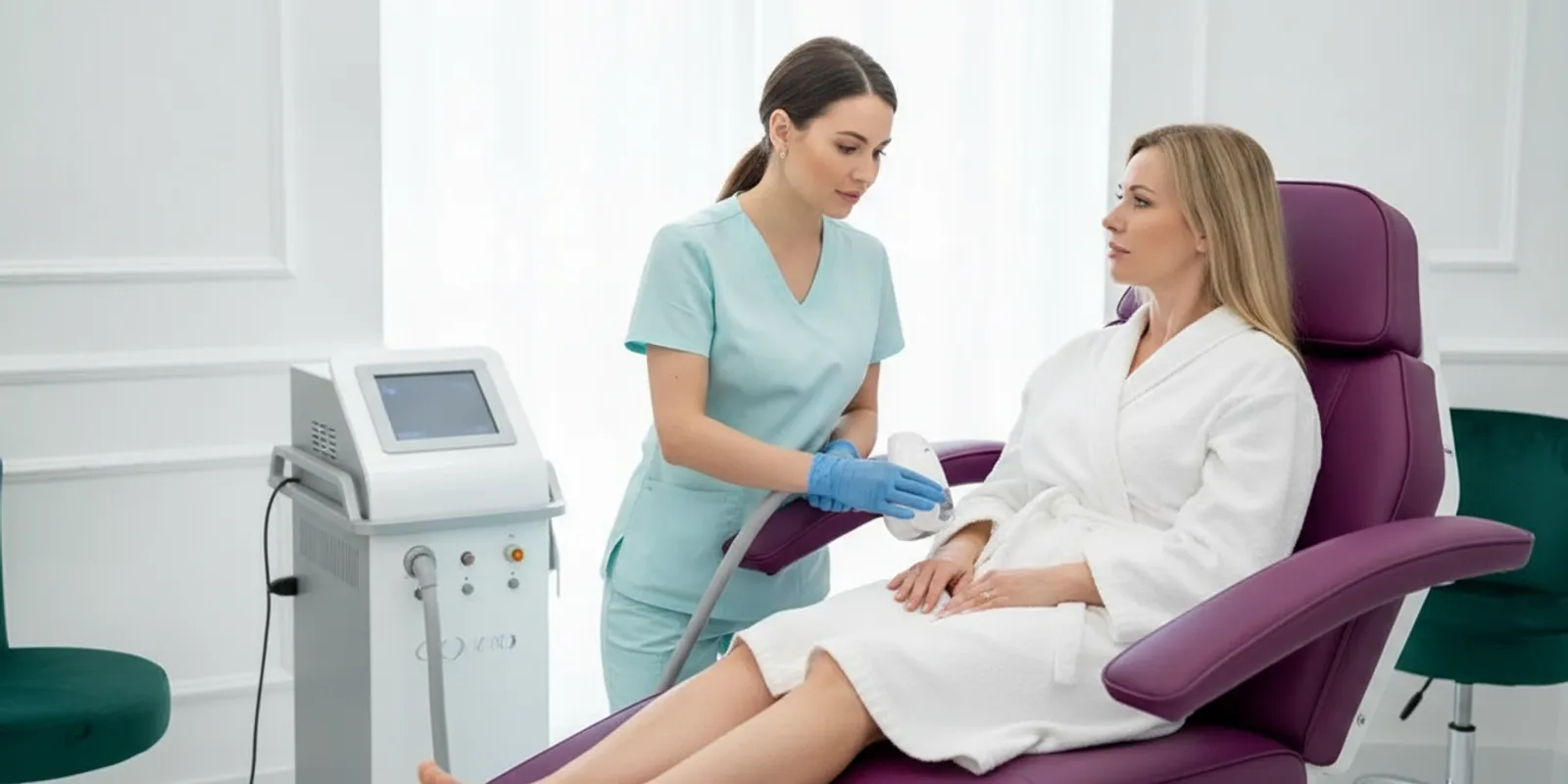
There’s a lot of pressure on new moms to “snap back” after giving birth, but that’s not how biology works. During pregnancy, your skin’s underlying support structure, made of collagen and elastin, stretches to its limit. After delivery, it needs time and support to recover. Instead of focusing on unrealistic expectations, let’s talk about what’s really happening with your skin and what you can do to help it. This guide cuts through the myths to give you honest, practical advice. We’ll cover everything from the science of skin laxity to the proven methods for skin tightening post pregnancy, so you can make informed choices that feel right for you and your body. For a broader look at all available treatments beyond the postpartum context, check out our complete guide to skin tightening options.
Quick answer: There is no universal start date for skin tightening after pregnancy. Wait until your postpartum healthcare provider confirms your recovery is progressing, disclose whether you are breastfeeding, and complete treatment-specific screening with Ultimate Image MedSpa instead of relying on a fixed six-week rule.
Ready to discuss your postpartum skin goals? Book your consultation with Ultimate Image MedSpa.
Key Takeaways
- Combine professional treatments with healthy habits: You’ll see the best results when you pair services like microneedling with a supportive lifestyle, including a protein-rich diet, consistent hydration, and gentle exercise.
- Embrace the process of gradual improvement: Non-invasive treatments work by stimulating your body’s natural collagen production, which means firmness and texture improve over time, not overnight.
- Consult an expert for a tailored plan: Your postpartum recovery is unique, so scheduling a consultation is the best first step to set realistic goals and find the right treatments for your skin, budget, and schedule.
Why Does Skin Change After Pregnancy?
Your body does some incredible things during pregnancy, and your skin is no exception. After you’ve welcomed your little one, it’s completely normal to notice that your skin, especially around your belly, doesn’t look or feel the same. This change is a natural part of the postpartum journey. Understanding what’s happening beneath the surface can help you feel more in control and find the right path forward for your skin. Let’s look at the main reasons your skin changes after pregnancy.
The Role of Hormones and Collagen
During pregnancy, your hormones are on a rollercoaster, and they have a huge impact on your skin. These hormonal shifts can affect your skin’s structural proteins: collagen and elastin. Think of collagen as the framework that keeps your skin firm, and elastin as what gives it that stretchy, bounce-back quality. As your belly grows, these fibers stretch to their limits. After delivery, as your hormone levels return to normal, your body starts the recovery process. However, the stretched collagen and elastin fibers can have a tough time snapping back into place, which leads to looser skin. Treatments like microneedling are designed specifically to encourage new collagen growth and help restore that firmness.
How Skin Stretches
The most obvious change during pregnancy is the incredible stretching of the skin on your abdomen. To make room for a growing baby, your skin has to expand significantly over a relatively short period. This rapid growth can damage the elastin fibers responsible for keeping skin tight. The extent of this stretching depends on several factors, including your genetics, how much weight you gained, and whether you carried multiples. While your body is amazing at healing, this process takes time. Loose skin is a common challenge for new moms, and while your body will begin to recover on its own, there are professional aesthetic services that can support and speed up the process.
The Impact of Weight Changes
Weight fluctuation is a given during pregnancy. The weight you gain helps support your baby’s development, but the subsequent weight loss after birth can contribute to skin laxity. When you lose the baby weight, the volume underneath your skin decreases, but the skin itself may not shrink back at the same rate. For many women, the skin will gradually tighten on its own over several months to a year as the body recovers. However, sometimes it can be stubborn and needs a little extra help. If you find that diet and exercise aren’t enough to address loose skin, it might be time to schedule a consultation to explore your options.
Explore Non-Invasive Skin Tightening Treatments
Understanding the cost is an important part of planning. Review our skin tightening cost guide for a full breakdown.
After pregnancy, your body has done something amazing, and it’s completely normal for your skin to look and feel different. If you’re looking for ways to help your skin feel a bit firmer, you have some incredible non-invasive options. These professional treatments are designed to work with your body’s natural healing processes, often by encouraging new collagen production, which is the protein responsible for your skin’s structure and elasticity. As we age and after significant events like pregnancy, collagen production naturally slows down, but these treatments give it a helpful nudge.
Unlike surgical procedures, they typically require little to no downtime, making them a practical choice for busy moms who can’t press pause on life. You can often schedule a session during your lunch break or while the baby is with a sitter and get right back to your routine. From therapies that use gentle heat to treatments that resurface the skin, there’s a solution that can fit your specific goals, budget, and comfort level. Exploring these options can feel empowering, giving you a way to care for yourself after you’ve spent so much time caring for your little one. Let’s walk through some of the most effective and popular choices available to help you feel confident and comfortable in your skin.
Radiofrequency Therapy
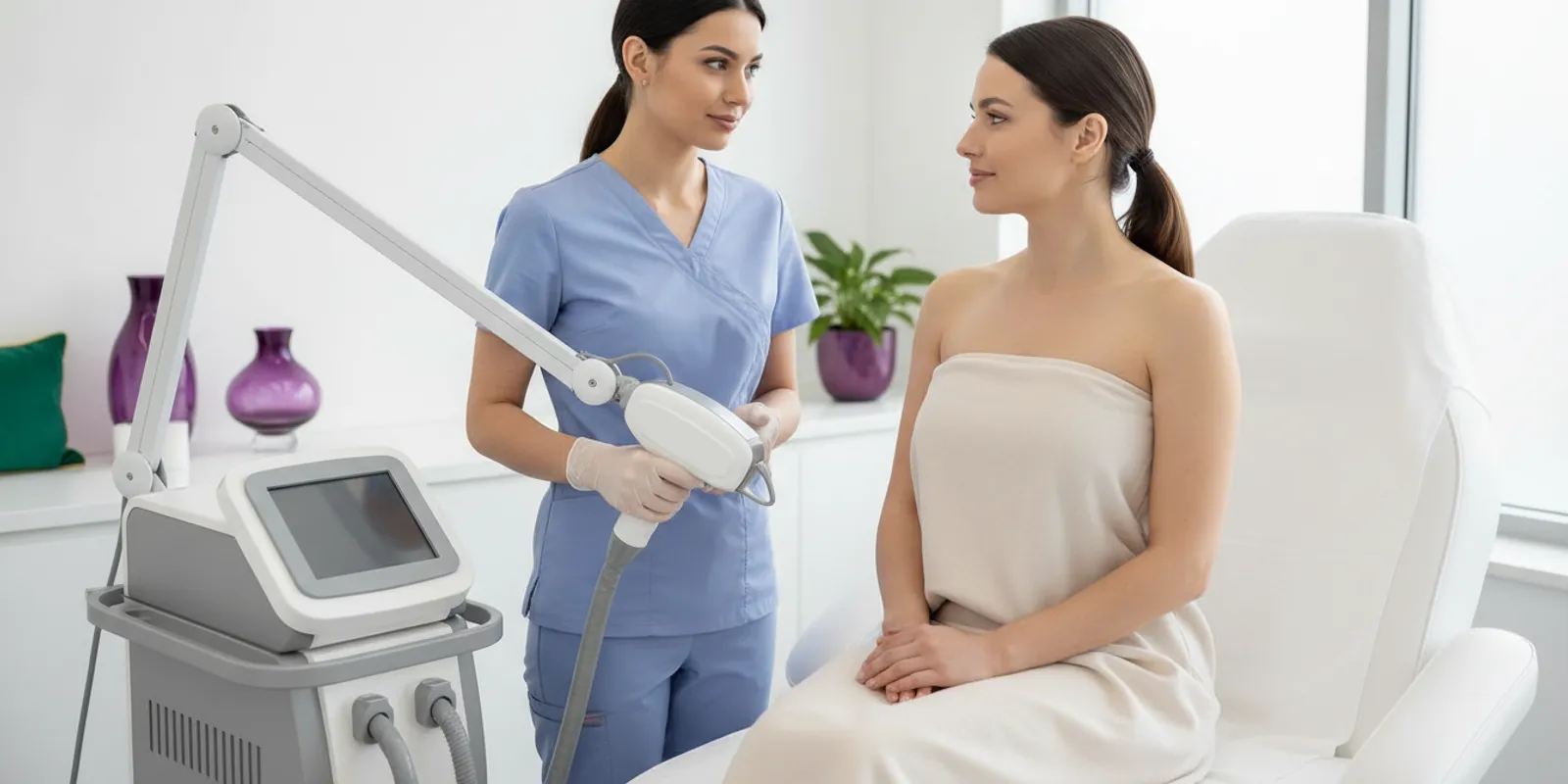
Radiofrequency (RF) therapy is a fantastic option if you’re looking to address loose skin on your abdomen, arms, or thighs. This treatment uses a special device to gently heat the deeper layers of your skin. This heat kickstarts your body’s natural collagen production, which helps tighten and firm the area over time. Think of it as waking up your skin’s own internal support system. Many people love RF treatments because they are comfortable and don’t require any recovery time. You can get back to your day right after a session. It’s a gradual process, but with a series of treatments, you can achieve smoother, more toned-looking skin.
Ultrasound Treatments
Similar to radiofrequency, ultrasound treatments use targeted energy to stimulate collagen deep within your skin’s foundation. This method is especially effective for lifting and tightening skin on the face and neck, but it can also be used on other areas of the body. A well-known example is Ulthera, which allows practitioners to see the layers of tissue they are treating, ensuring the energy is delivered precisely where it’s needed most. This precision helps create a noticeable lift and improves skin firmness from the inside out. It’s a great non-surgical alternative for anyone wanting to restore a more youthful contour without any downtime.
Laser Skin Tightening
Laser treatments are another powerful tool for improving skin texture and firmness after pregnancy. Technologies like fractional lasers work by creating tiny, controlled micro-injuries in the skin, which prompts your body to heal itself by producing fresh collagen and elastin. This process not only tightens the skin but also helps improve its overall texture and tone. If you have stretch marks or other textural changes, laser skin tightening can make a significant difference. It’s a popular and effective way to rejuvenate your skin, helping it look and feel smoother and more resilient.
Microneedling
Another fantastic option is microneedling, a treatment that has gained a loyal following for its impressive results. This procedure uses fine needles to create tiny punctures in the top layer of the skin. These micro-injuries trigger your body’s natural wound-healing process, which results in increased collagen and elastin production. While it might sound intense, the treatment is minimally invasive with very little downtime. Many women find it incredibly effective for improving the texture of belly skin postpartum. For the best outcome, you’ll likely need a series of sessions, but over time, you can see a real improvement in skin firmness and overall appearance.
Which Topical Products Actually Work?
Navigating the world of skincare can feel overwhelming, especially when you’re looking for something to help with post-pregnancy skin. Let’s be honest: no cream or serum is a magic wand. However, the right topical products can absolutely support your skin’s healing process, improve its texture, and work alongside professional treatments to give you the best possible results. Think of them as your daily support system for healthier, more resilient skin. When you combine a consistent at-home routine with effective treatments, you’re giving your skin everything it needs to recover its strength and tone.
Key Ingredients to Look For
When you’re scanning product labels, a few key ingredients can make a real difference. Your skin needs certain vitamins to maintain its firmness and elasticity. Look for formulas that contain Vitamin C, a powerful antioxidant that plays a crucial role in collagen synthesis. Retinoids, a derivative of Vitamin A, are also fantastic for encouraging cell turnover and improving skin texture. Other helpful ingredients include Vitamin E for moisture and repair. While many products contain collagen, it’s more effective to use ingredients that encourage your body to produce its own, like peptides and retinoids.
Formulas That Support Collagen and Elastin
Beyond individual ingredients, you want to find formulas specifically designed to improve your skin’s structure. Many products are made to support collagen and elastin, the two proteins responsible for your skin’s firmness and bounce. Look for serums and firming body lotions that are lightweight enough to penetrate the skin effectively. For an even greater impact, consider how professional treatments can help. A procedure like SkinPen Microneedling creates tiny micro-channels in the skin, allowing these powerful, supportive products to absorb much more deeply and work more efficiently.
Our Top Product Recommendations
Instead of focusing on one specific brand, we recommend looking for product types that fit your needs. During pregnancy, many women find success with rich stretch mark creams and oils that keep the skin hydrated and supple. After your baby arrives, your skin’s needs change. This is a great time to introduce a targeted serum or firming lotion designed for postpartum recovery. The most important thing is consistency. Applying a quality product daily will yield far better results than sporadic use of an expensive one. For a routine tailored perfectly to your skin, we always recommend a personal consultation.
Support Your Skin with These Lifestyle Changes
While professional treatments can make a significant difference, the daily habits you build are just as important for your skin’s recovery journey. Think of these lifestyle changes as the foundation for everything else. By supporting your body from the inside out, you create the best possible environment for your skin to heal, firm up, and regain its strength. Pairing these simple, consistent efforts with targeted treatments can help you achieve incredible results and feel your best. It’s all about a holistic approach that honors the amazing things your body has done.
Eat for Better Skin Elasticity
What you put on your plate has a direct impact on your skin’s health and elasticity. A balanced diet full of fruits, vegetables, healthy fats, and lean proteins gives your skin the nutrients it needs to repair itself. Protein is especially important because it provides the building blocks for collagen, the very thing that gives your skin its structure and firmness. Try to incorporate foods like fish, chicken, beans, and nuts into your meals. These small dietary choices add up over time, supporting the treatments you may be considering, like microneedling, which also works to stimulate collagen production.
Stay Hydrated for Healthier Skin
Think of water as an internal moisturizer for your skin. When you’re well-hydrated, your skin is more supple, resilient, and elastic. Aiming for about a gallon of water throughout the day can feel like a lot, but it makes a noticeable difference in your skin’s texture and tone. Proper hydration also helps your body function at its best, which is crucial during the postpartum recovery period. If you’re looking for an extra hydration boost, a professional treatment like the Hydrafacial can drench your skin in moisture from the outside in, complementing all your hard work of hydrating from within.
Exercise for Muscle Tone and Firmness
Gentle, consistent exercise can be a game-changer for tightening loose skin. When you focus on building lean muscle through strength training, you’re essentially firming up the foundation beneath your skin. This can help create a smoother, more toned appearance. You don’t have to spend hours at the gym; starting with 30 minutes of weight training, yoga, or Pilates a few times a week is a great goal. As you build strength, you’ll not only feel better physically but also see improvements in your body’s contours. These efforts work hand-in-hand with our professional skin tightening services.
Prioritize Sleep and Manage Stress
We know that getting a full night’s sleep with a new baby can feel like a fantasy, but prioritizing rest whenever you can is vital. Sleep is when your body does its most important repair work, and that includes healing your skin. Just as important is managing your stress levels. The postpartum period is a time of immense change, so be patient and kind to yourself. High stress can negatively impact your skin, while a calm mind supports your body’s recovery. When you feel ready to take a moment for yourself, we’re here to help. You can always contact us to schedule a consultation.
When Can You Start Skin Tightening After Pregnancy?
There is no single postpartum date that makes skin tightening appropriate for everyone. Timing depends on your recovery, delivery history, current health, medications, treatment area, and whether you are breastfeeding. Ultimate Image MedSpa’s clinical guidance lists pregnancy and breastfeeding as reasons to wait for treatment, so do not schedule an energy-based or other aesthetic treatment without discussing your situation with the clinician who manages your postpartum care.
Start with medical clearance, not a calendar
Complete your postpartum follow-up and ask your OB/GYN or other treating clinician when elective cosmetic treatment is appropriate for you. A six-week checkup can be an important conversation, but it is not automatic clearance for every procedure. If you have ongoing healing concerns, an infection, unusual pain, bleeding, or another postpartum concern, contact your postpartum healthcare provider promptly and defer cosmetic treatment until they advise you.
What a UIMS consultation covers
After you have medical guidance, request a consultation. Ultimate Image MedSpa can review your goals, skin condition, medical history, medications, and treatment area before discussing whether its Candela GentleYAG skin tightening service fits your needs. The service is non-invasive, but candidacy and expected results vary and should be discussed during the consultation.
If you are breastfeeding
Tell the clinic before scheduling and at the consultation. Because breastfeeding can affect treatment eligibility and timing, Ultimate Image MedSpa’s clinical guidance lists breastfeeding as a reason to wait for treatment. Your treating clinician and the UIMS team can help determine when a consultation or treatment discussion is appropriate. Do not stop breastfeeding or change prescribed care to pursue a cosmetic treatment.
What to Expect from Professional Treatments
When you’re ready to explore professional options, it’s helpful to know what the process looks like. While at-home care and lifestyle changes build a great foundation, non-invasive treatments can significantly support your skin’s recovery and help you feel more like yourself again. These procedures are designed to work with your body’s natural healing processes, encouraging collagen and elastin production for firmer, smoother skin.
Every person’s journey is unique, so your experience will be tailored to your specific needs and goals. The first step is usually a consultation where you can discuss your concerns and create a personalized plan. This is your chance to ask questions and get comfortable with the process. From there, you can start thinking about timelines, costs, and how to best combine treatments with your daily routine for results you’ll love. It’s all about finding a path that feels right for you and your body.
How Long Until You See Results?
Patience is a virtue, especially when it comes to postpartum recovery. Your body does an incredible amount of healing on its own, and it’s common for loose skin to naturally tighten over the first year after giving birth. Professional treatments are there to give your skin an extra hand, especially in areas that are slow to bounce back.
For treatments like microneedling, you won’t see a dramatic change overnight. Instead, the results appear gradually as your skin ramps up its collagen production. Most people notice improvements after a series of sessions, with the full effect becoming visible a few months after the final treatment. Remember, this is a process of rebuilding from within, so giving your skin the time it needs to regenerate is part of the journey.
Understanding Costs and Treatment Schedules
Let’s talk about the practical side of things: budget and time. The cost of professional skin tightening treatments can vary widely depending on the technology used, the size of the treatment area, and the number of sessions you need. Generally, non-invasive options are more affordable than surgical procedures and don’t require significant downtime.
To get a clear picture of what to expect, your best bet is to schedule a consultation. A specialist can assess your skin and create a treatment plan that outlines the recommended number of sessions and the total cost. Most non-invasive treatments require multiple appointments, typically spaced four to six weeks apart, to achieve the best and most lasting outcome.
Combining Treatments for the Best Outcome
Think of professional treatments as one piece of a larger wellness puzzle. While they are powerful on their own, they deliver the best results when combined with a supportive lifestyle. A balanced diet, consistent exercise, and a solid skincare routine create the ideal environment for your skin to heal and thrive. This holistic approach ensures you’re supporting your body from the inside out.
For example, you might pair a series of skin-tightening sessions with treatments that improve skin texture and hydration, like a Hydrafacial. This combination addresses firmness and overall skin health at the same time. By pairing professional procedures with healthy daily habits, you’re not just treating the symptom; you’re building a foundation for long-term skin health and confidence.
Recovery and Long-Term Maintenance
One of the biggest perks of non-invasive treatments is the minimal downtime. You can typically return to your daily activities right after a session, which is a huge plus for busy moms. Your provider will give you specific aftercare instructions, which usually involve keeping the skin hydrated and protected from the sun.
True recovery, however, is about more than just post-treatment care. Your body needs rest to repair itself, so prioritizing sleep whenever you can is essential for your skin’s healing process. Maintaining your results also depends on your long-term habits. Continuing to eat well, stay active, and care for your skin will help you enjoy the benefits of your treatments for years to come. It’s a commitment to yourself that pays off.
How to Choose the Right Treatment for You
Deciding on the best way to care for your postpartum skin is a personal choice. There’s no one-size-fits-all answer, but you can find the right path by thinking through a few key things. Your skin’s specific condition, your daily life and budget, and what you hope to achieve will all point you toward the best solution. By looking at your journey from these angles, you can create a plan that feels right for you and your body.
This approach helps you move forward with confidence, whether you’re starting with simple at-home habits or exploring professional treatments. Let’s walk through how to assess your needs, consider your lifestyle, and set achievable goals for your skin recovery.
Assess Your Skin’s Needs
First, it’s helpful to understand what’s happening with your skin. During pregnancy, your skin, especially on your belly, stretches significantly. This can push the collagen and elastin fibers, which keep your skin firm and stretchy, to their limits. After birth, it can be difficult for your skin to bounce back to its original shape. The degree of skin laxity you experience can depend on genetics, how much weight you gained, and your age.
Take a gentle, honest look at your skin. Is the looseness mild or more significant? Are you also seeing stretch marks or changes in texture? Answering these questions will help you figure out what level of support your skin needs. For some, consistent moisturizing and massage are enough, while others might find that professional treatments like microneedling can provide the extra help needed to stimulate collagen production more effectively.
Consider Your Budget and Lifestyle
Your daily routine and budget play a huge role in what treatments will work for you. The great news is that there are many options available, from simple daily habits to advanced non-surgical procedures. At-home care, like using firming creams and staying hydrated, is budget-friendly and can be easily incorporated into your day. However, these methods typically offer more subtle, gradual improvements.
On the other hand, professional services are an investment that can deliver more noticeable and lasting results. When thinking about these options, consider not just the cost but also the time commitment. As a new mom, you might prefer a treatment with minimal downtime that fits into a busy schedule. It’s all about finding a balance that supports your skin without adding stress to your life.
Set Realistic Goals for Your Recovery
Patience is your best friend on this journey. It takes time for your skin to tighten, often several weeks or months. Your body has done an incredible thing, and giving it time to recover is part of the process. While your belly might not look exactly as it did before pregnancy, you can absolutely see a lot of improvement.
It’s important to set realistic expectations from the start. While some skin tightening happens naturally, intentional effort through lifestyle changes and professional treatments can significantly help. The goal is progress, not perfection. A great first step is to schedule a consultation with a professional who can help you understand what results you can realistically expect and create a treatment plan tailored to your specific goals.
Where to Find Quality Treatments and Products
Once you’ve decided to explore professional treatments, the next step is finding the right provider and products to support your goals. Knowing where to look and what to ask for can make all the difference in your experience and results. Let’s walk through how to find a qualified professional, where to source effective skincare, and how to make your treatments more affordable. If you are looking for local providers, searching for skin tightening near me can connect you with experienced med spas in your area.
Medical Spas vs. Dermatology Clinics
You’ll likely come across two main options for skin tightening treatments: medical spas and dermatology clinics. A dermatology clinic is a medical office run by a board-certified dermatologist who diagnoses and treats skin conditions. A medical spa blends the relaxing experience of a day spa with the advanced procedures you’d find at a medical clinic.
While both can offer safe and effective treatments, the key is to choose a reputable facility with experienced, licensed professionals and medical oversight. A high-quality medical spa is an excellent choice for cosmetic services like skin tightening, offering a comfortable environment where you can focus on your aesthetic goals. Always check credentials and ask about the technology they use before booking.
Where to Buy Skincare Products
When it comes to skincare that delivers visible results, professional-grade products are often a step above what you can find at the drugstore. For post-pregnancy skin tightening, you’ll want formulas with active ingredients like retinoids, peptides, and hyaluronic acid to support collagen and elasticity.
Instead of guessing which products will work for you, get a personalized recommendation from a skincare professional. A consultation at a medical spa or dermatology clinic can help you build a routine tailored to your specific needs. They can recommend products that complement professional treatments, like microneedling, to help you get the best possible results from your investment.
How to Find Deals and Packages
Professional treatments are an investment, but there are ways to make them more accessible. Since many skin tightening procedures require multiple sessions for optimal results, providers often bundle them into packages at a discounted rate. This can be a great way to commit to a full treatment plan while saving money.
Be sure to check the websites of local medical spas for seasonal promotions or special offers. Signing up for their email newsletter is another smart move, as you’ll be the first to know about new deals. Don’t hesitate to contact a provider directly and ask if they have any packages available. They can work with you to create a plan that fits your goals and your budget.
When to Expect Skin Tightening Results
It’s the big question on everyone’s mind: how long will this take? The honest answer is that it’s different for everyone. Your body just did something incredible, and the recovery process is a journey, not a race. Patience is your best friend here. Whether you’re letting your body heal naturally or exploring professional treatments, seeing changes takes time. Your skin’s firmness will improve gradually, and understanding the timeline can help you set realistic expectations and be kind to yourself in the process. It’s easy to compare your progress to others, but your journey is uniquely yours. Factors from genetics to lifestyle play a part in how your skin recovers. Some people see changes within a few months, while for others, it might take a year or more. Professional treatments can certainly help, but they also require a commitment to the process. The goal is to feel good in your skin, and that starts with having a clear picture of what to expect. Let’s break down the typical timelines, the factors that influence your results, and how you can support your skin along the way so you can feel confident and informed.
Timelines by Treatment Type
After pregnancy, your body works to recover, and your skin will often tighten on its own over several weeks or months. For many, significant improvement happens within the first year. If you decide to explore professional options, the timeline shifts. Treatments like microneedling work by stimulating your body’s natural collagen production, so results appear gradually over a few weeks to months after your sessions. Most non-invasive procedures require a series of appointments to achieve the best outcome. During a personal consultation, we can create a treatment plan tailored to your goals and give you a much clearer idea of the timeline you can expect for your specific journey.
Factors That Affect Your Results
Several things influence how your skin bounces back, and many are completely out of your control. Your genetics, for example, play a huge role in your skin’s natural elasticity and how it behaves post-pregnancy. Other factors include your age, how much weight was gained during pregnancy, and whether you’ve had multiple pregnancies. Each of these can affect the skin’s ability to retract. Understanding this isn’t about placing blame or feeling discouraged. Instead, it’s about recognizing your unique starting point. This knowledge helps you and your provider choose the most effective services to help you reach your goals.
How to Maintain Firm, Healthy Skin
You can play an active role in supporting your skin’s health and maximizing your treatment results. Simple lifestyle habits make a big difference. Staying hydrated by drinking plenty of water helps keep your skin supple. What you eat matters, too. A diet rich in protein, healthy fats, and vitamins C and E can provide the building blocks your body needs for collagen production. Gentle exercise, especially strength training, helps build muscle tone, which can create a firmer foundation beneath the skin. Think of these practices as your daily support system, working in harmony with any professional treatments to help you feel your best.
Related Articles
- Stomach Skin Tightening Before and After: A Photo Guide – Ultimate Image MedSpa
- Skin Tightening Before and After: A Visual Guide – Ultimate Image MedSpa
- Stomach Skin Tightening: Your Ultimate Guide – Ultimate Image MedSpa
Ready to discuss your postpartum skin goals? Book your consultation with Ultimate Image MedSpa.
Frequently Asked Questions
How long should I wait after giving birth before considering skin tightening treatments? It’s so important to give your body time to heal and recover naturally. We generally recommend waiting until after your six-week postpartum checkup with your doctor. This appointment is the perfect time to get medical clearance and ensure your body is ready. Once your doctor gives you the green light, you can confidently schedule a consultation to create a treatment plan that’s safe and effective for you.
With so many options, how do I know which treatment is right for me? There really is no single “best” treatment for everyone, because every woman’s skin and recovery journey is unique. The ideal choice for you depends on factors like your skin’s condition, your specific goals, and your lifestyle. The most effective way to figure it out is to come in for a personal consultation. We can assess your skin and talk through your concerns to design a plan that is perfectly tailored to you.
Are non-invasive treatments like microneedling painful? This is a very common and understandable question. While everyone’s comfort level is different, these treatments are designed to be very tolerable. For a procedure like microneedling, we apply a topical numbing cream beforehand to make the experience as comfortable as possible. Most people describe the sensation as a light prickling or warmth on the skin rather than actual pain.
Can I get great results with just creams and exercise, or do I really need a professional treatment? A healthy lifestyle is the foundation for everything. Consistent exercise, a nutritious diet, and quality skincare can absolutely improve your skin’s tone and texture. Think of these habits as essential daily support. Professional treatments, however, work on a deeper level to stimulate significant new collagen growth, which is what creates a more noticeable improvement in skin firmness. The two approaches work best together for the most comprehensive results.
Will my skin go back to exactly how it was before pregnancy? Your body has done something amazing, and it’s natural for it to change. The goal of any postpartum treatment plan is progress, not a perfect return to your pre-baby body. While you can achieve incredible improvements in skin firmness and texture, it’s helpful to set realistic expectations. Our aim is to help you feel strong, confident, and beautiful in your skin right now.