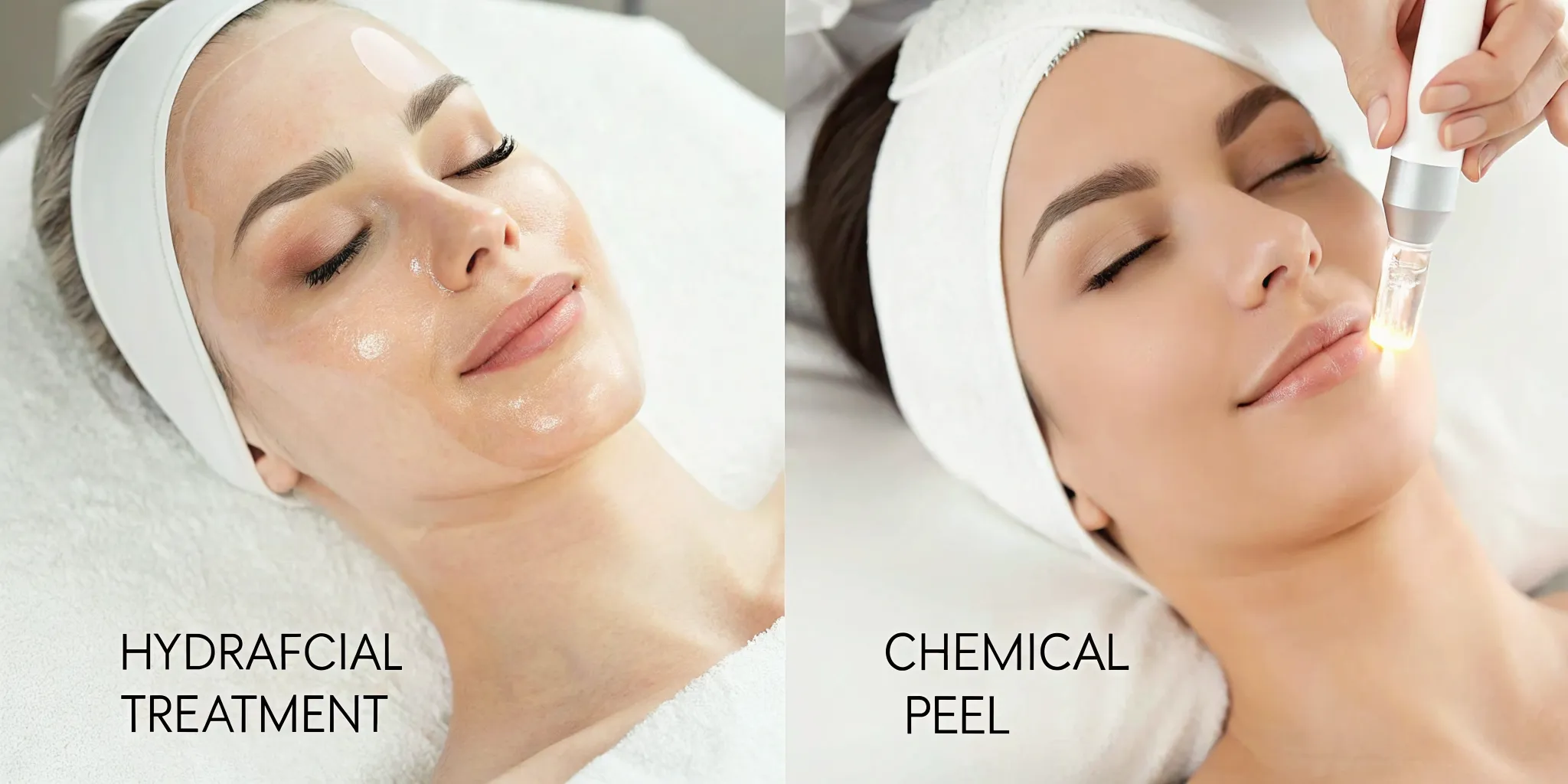
The term “chemical peel” can sound a bit intimidating, while a “HydraFacial” might sound like just another relaxing spa service. The reality of both treatments is much more nuanced. A chemical peel is a highly effective procedure that can dramatically improve skin texture and tone, and it’s often much gentler than people think. A HydraFacial is a medical-grade treatment that goes far beyond a standard facial to deeply cleanse, extract, and hydrate. Understanding the truth behind HydraFacial vs chemical peel is the first step toward finding your perfect solution. Let’s clear up the confusion and break down what these treatments actually do, how they feel, and the real results you can expect from each.
Key Takeaways
- Prioritize Instant Glow or Long-Term Correction: A HydraFacial is your best bet for immediate radiance and deep hydration with no downtime. A chemical peel is designed for more significant, lasting change by targeting specific issues like sun damage, acne scars, and fine lines.
- Match the Treatment to Your Downtime: Your schedule is a key factor in the decision. A HydraFacial lets you return to your day immediately with a healthy glow, while a chemical peel requires planning for a few days of recovery as your skin heals and renews itself.
- Get a Professional Skincare Strategy: The most effective results come from a plan tailored to your unique skin. A professional consultation is the best way to determine which treatment—or even a combination of both—will safely and effectively help you reach your goals.
What Exactly Is a HydraFacial?
If you’ve ever wished for a treatment that could do it all—deep clean, exfoliate, and hydrate—without any downtime, let me introduce you to the HydraFacial. Think of it as the next generation of facial, one that goes beyond the surface to give your skin a serious reset. It’s a gentle, multi-step treatment that uses a special medical-grade device to clear out your pores while simultaneously pushing potent, nourishing serums deep into your skin.
Unlike more intensive procedures, a HydraFacial is a relaxing experience that delivers immediate, noticeable results. It’s fantastic for just about any skin type and tackles a whole range of common concerns, from fine lines and uneven texture to oily skin and congested pores. Whether you’re prepping for a big event or just want to give your skin a healthy, radiant glow, it’s one of the most effective and refreshing skincare treatments available.
Breaking Down the Three-Step Process
The magic of a HydraFacial lies in its patented three-step process. First, your skin is gently cleansed and exfoliated to sweep away dead skin cells and reveal a fresh, new layer. This step includes a mild peel with ingredients like glycolic and salicylic acids to loosen dirt and debris from deep within your pores without causing irritation. Next, the device uses a painless vortex suction to extract impurities, blackheads, and congestion. At the same time, it infuses your skin with intense moisturizers to quench its thirst. Finally, your newly cleansed skin is saturated with a custom blend of antioxidants and peptides to protect it and maximize your glow.
The Magic Wand: How the Tech and Serums Work
The star of the show is the unique handheld wand and its spiral-designed tips. This device uses what’s called vortex-fusion technology, which creates a whirlwind effect to easily dislodge and remove impurities while delivering hydrating skin solutions. It’s this simultaneous action that makes the treatment so effective and efficient. The process helps cleanse and infuse the skin with active serums without stripping or irritating it. Best of all, the serums used can be tailored to your specific skin goals, whether you’re focused on brightening, calming inflammation, or smoothing fine lines. It’s a truly personalized treatment from start to finish.
And What About a Chemical Peel?
If a HydraFacial is like a deep-cleaning power wash for your face, a chemical peel is more like a strategic resurfacing. This treatment uses a specialized chemical solution to remove the outer layers of your skin, encouraging fresh, new cell growth. It’s a classic and effective way to address concerns like fine lines, sun damage, acne scars, and uneven skin tone.
But the term “chemical peel” covers a wide range of treatments, from a gentle refresh to a more intensive overhaul. Understanding the differences is key to figuring out if this is the right path for your skin.
Not All Peels Are the Same: Light, Medium, and Deep
Chemical peels aren’t a one-size-fits-all solution. They come in different strengths, and the right one for you depends entirely on your skin goals and how much downtime you’re comfortable with. Think of them in three main categories: light, medium, and deep. A light or superficial peel is the mildest option, working only on the outermost layer of skin. It’s great for a quick refresh with little to no recovery time. A medium peel goes a bit deeper to target more stubborn issues and requires a few days of healing. Deep peels are the most intensive, addressing significant skin concerns but also requiring a couple of weeks for recovery.
HydraFacial vs. Chemical Peel: The Core Differences
So, how does a peel stack up against a HydraFacial? The biggest difference is the approach. A HydraFacial gently exfoliates and infuses your skin with hydrating serums, all with zero downtime. A chemical peel, on the other hand, creates a type of controlled injury to the skin to trigger its natural healing and renewal process. This process is what helps with issues like acne and texture, but it also means you’ll likely experience some redness and peeling afterward. While a HydraFacial delivers an instant, dewy glow, a chemical peel is often chosen for more significant, long-term textural changes. The best choice really comes down to what you want to achieve.
Who Is the Ideal Candidate for Each Treatment?
Choosing between a HydraFacial and a chemical peel really comes down to your unique skin goals, your lifestyle, and what you want to achieve. Think of it like choosing a workout: are you looking for a light, refreshing yoga class or an intense training session to make big changes? Both are fantastic, but they serve different purposes. One treatment offers an instant, dewy glow with zero downtime, making it perfect for regular maintenance or a pre-event boost. The other works on a deeper level to correct more persistent issues, requiring a bit of recovery time in exchange for more dramatic, lasting results.
Let’s break down who each treatment is best for so you can feel confident in your choice. Understanding the ideal scenarios for each will help you align your expectations with the outcome and get you one step closer to the skin you’ve been dreaming of.
When to Choose a HydraFacial
A HydraFacial is your go-to treatment if you’re looking for a gentle but effective refresh. It’s suitable for virtually all skin types, even sensitive skin, because it’s so customizable and non-irritating. If your skin feels dry, dull, or congested, this is the perfect solution to bring it back to life. Think of it as a deep clean, exfoliation, and hydration boost all in one. Because there’s absolutely no downtime, it’s the ideal choice before a big event like a wedding or vacation. You can walk out of your appointment with an immediate, noticeable glow. It’s also a fantastic option for regular skin maintenance to keep your complexion clear and radiant.
When a Chemical Peel Is the Better Choice
If you’re dealing with more specific and stubborn skin concerns, a chemical peel is likely the better path. This treatment is designed to produce more significant change by targeting deeper layers of the skin. If you want to address issues like sun damage, persistent acne, noticeable fine lines, or uneven skin texture, a chemical peel offers a more powerful solution. It’s an excellent choice for anyone seeking serious anti-aging effects or wanting to correct hyperpigmentation like dark spots or melasma. Just keep in mind that this strength comes with a bit of recovery time, so you’ll need to plan for a few days of social downtime while your skin heals and reveals its fresh, new layer.
Matching the Treatment to Your Skin Concern
To make it even clearer, let’s match the treatment to the problem.
Opt for a HydraFacial if your main concerns are:
- Dry, dehydrated, or dull skin
- Clogged pores and blackheads
- Mild acne and superficial marks
- Early signs of aging
- Overall skin texture and vibrancy
Consider a chemical peel if you want to target:
- Moderate to severe acne and acne scars
- Dark spots, sun spots, and melasma
- Fine lines and wrinkles
- Rough or uneven skin texture
The best way to know for sure is to get a professional opinion. A skilled esthetician can assess your skin and create a personalized plan just for you. Feel free to schedule a consultation to discuss your goals with an expert.
Let’s Talk Pros and Cons
Deciding between treatments is all about weighing the pros and cons. Both HydraFacials and chemical peels offer incredible benefits, but they work differently and fit different needs. Let’s break down the advantages and disadvantages of each so you can get a clearer picture of which one aligns with your skin goals and lifestyle.
The Good and the Not-So-Good of HydraFacials
Think of a HydraFacial as the ultimate refresh button for your skin. Its biggest pro is the instant, noticeable glow you get with zero downtime. The treatment is fantastic for hydrating thirsty skin, repairing your skin’s natural barrier, and balancing your complexion. It gently cleanses and infuses your skin with customized serums without harsh stripping or irritation. Many people find a HydraFacial makes their skin feel smoother and healthier right away. The main thing to consider is that it’s more about maintenance and radiance. If you’re looking to address deeper concerns like significant acne scarring, a HydraFacial might not be intensive enough on its own.
Weighing the Benefits and Downsides of Peels
A chemical peel works on a deeper level to create more dramatic change. By using a chemical solution to remove the top layer of damaged skin, it encourages your body to produce fresh, new cells. This process can be a game-changer for improving skin texture, reducing sun damage, and clearing up many types of acne. The main downside is the recovery time. Depending on the peel’s intensity, you can expect some redness and peeling for a few days. While peels are powerful, they may not be the right solution for very deep cystic acne. For those kinds of texture concerns, other services might be a better fit.
Instant Glow vs. Lasting Transformation
Your decision might simply come down to your timeline and goals. Are you looking for a quick pick-me-up before a big event, or are you ready to commit to a more profound, long-term change? A HydraFacial delivers that “wow” factor almost instantly. You’ll walk out with a visible glow in about 30 minutes. In contrast, a chemical peel is more of an investment in your skin’s future. The real results unfold gradually over one to two weeks as your skin heals. It’s a choice between immediate radiance and a lasting transformation that requires a little patience. A professional consultation can help you decide which path is right for you.
What to Expect After Your Appointment: Downtime and Aftercare
Understanding the recovery process is just as important as choosing the right procedure. The aftercare for a HydraFacial and a chemical peel are worlds apart, and knowing what to expect will help you plan your schedule and give your skin the support it needs to heal beautifully. One offers an instant return to your daily life, while the other requires a bit more patience and TLC. Let’s walk through what recovery looks like for each so you can feel confident and prepared for your post-treatment glow-up.
HydraFacial Recovery: Quick and Easy
If you’re looking for a treatment with zero social downtime, the HydraFacial is your answer. You can walk out of your appointment and head straight to lunch, a meeting, or back to your daily routine without missing a beat. There’s no redness or peeling involved. Instead, you’ll leave with an immediate, noticeable glow. Your skin will feel deeply hydrated, clean, and refreshed. Because the treatment is so gentle, you can even apply makeup right after if you wish. It’s the perfect “lunchtime” facial for anyone who needs great results without any recovery time.
Chemical Peel Recovery: A Guide to Healing
A chemical peel works by removing the outer layers of skin, so it’s natural to expect some recovery time as your fresh, new skin reveals itself. The length and intensity of this process depend entirely on the strength of the peel you receive. For a light peel, you might experience some mild redness and light flaking for a few days, similar to a sunburn. Deeper peels will involve more significant peeling for up to a week or more. During this time, your main job is to be gentle with your skin. Keeping it constantly moisturized is key to a comfortable healing process and achieving the best results from our skincare services.
Protecting Your New Skin: The Golden Rules
After any professional skin treatment, your skin is more vulnerable, but this is especially true after a chemical peel. Think of that fresh layer of skin as a brand-new canvas—it needs to be protected. The number one rule of aftercare is sun protection. You must be diligent about applying a broad-spectrum SPF 30 or higher every single day, even if you’re just indoors near a window. For several weeks post-peel, it’s best to avoid direct sun exposure as much as possible. This will prevent hyperpigmentation and protect your investment. Always follow the specific aftercare plan we provide, and don’t hesitate to contact us with any questions.
The In-Office Experience: What Does It Feel Like?
Knowing what to expect can make any new treatment feel more comfortable. While both a HydraFacial and a chemical peel are designed to give you incredible skin, the process and sensation for each are quite different. Let’s walk through what a typical session looks like for both, so you can feel confident and prepared when you walk through our doors. Both treatments are straightforward, but understanding the journey helps you appreciate the results even more.
A Look Inside a HydraFacial Session
Think of a HydraFacial as a supercharged, medical-grade facial. The experience is often described as painless and even relaxing. Using a special handheld device, your esthetician will gently cleanse and exfoliate your skin, removing dead cells and debris. Next, a gentle suction extracts impurities from your pores—it’s surprisingly satisfying! The final step is the best part: your fresh, clean skin is infused with intensive serums packed with antioxidants and peptides. You’ll leave with an immediate, dewy glow and hydrated, balanced skin, all without any irritation.
What Happens During a Chemical Peel?
A chemical peel sounds more intense than it often feels. During the treatment, your provider will apply a specialized acidic solution to your skin. You might feel a slight tingling or warming sensation as the solution gets to work, but it’s generally very manageable. This process carefully removes the outermost layer of damaged skin, signaling your body to ramp up new cell production. We offer different strengths of peels among our services, and your provider will choose the one that’s perfect for your skin type and goals, ensuring the experience is both safe and effective.
Setting Realistic Expectations for Your Results
The biggest difference in results is the timing. A HydraFacial delivers that instant gratification—you’ll walk out with a noticeable glow, making it perfect before a big event. A chemical peel, on the other hand, is more of a long-term investment. Your results will appear gradually over one to two weeks as your skin completes its renewal process. While the peel requires a bit more patience, the outcome can be more dramatic and long-lasting, with results that can be maintained for months. To figure out which timeline fits your needs, you can always contact us for a personal consultation.
Breaking Down the Cost
Let’s talk about one of the most practical parts of any skincare decision: the budget. Understanding the cost of treatments isn’t just about the price tag for a single appointment; it’s about seeing the bigger picture and what makes the most sense for your wallet and your skin in the long run. Both HydraFacials and chemical peels are investments in your skin’s health, but they have different pricing structures and offer different types of value over time. We’ll explore what goes into the cost of each treatment and how to think about them as part of your ongoing skincare strategy.
What Influences the Price of Each Treatment?
When you look at the menu, you’ll notice that chemical peels often have a broader price range. A gentle, superficial peel designed for a quick refresh will naturally cost less than a deeper peel that targets more significant concerns like deep-set wrinkles or acne scars. The price reflects the strength of the solution and the expertise required. A HydraFacial typically has a more standardized price, though it can be customized with special boosters to address specific issues, which can affect the final cost. While a single chemical peel can sometimes be less expensive, the best way to get an accurate idea is to consider the specific type of treatment your skin needs.
Planning for Long-Term Value
Beyond the cost of one session, it’s helpful to think about long-term value. A HydraFacial is an amazing option for consistent upkeep, with many clients coming in every four to six weeks for that instant, dewy glow. The results are immediate but more temporary. In contrast, chemical peels tend to deliver more durable, long-lasting effects. You might invest in a series of peels to achieve a significant transformation, but the results can last for months. So, the real question is about your goals. Are you looking for regular maintenance or a more profound, lasting change? Thinking about this helps frame the cost as an investment in your specific skincare journey. We can help you create a personalized plan when you contact us for a consultation.
Can You Get the Best of Both Worlds?
If you’re torn between the instant glow of a HydraFacial and the deep renewal of a chemical peel, I have great news: you don’t always have to choose. These two treatments can work together as a powerful team for your skin. Think of it like this: a HydraFacial is your skin’s regular fitness routine, keeping it clean, hydrated, and balanced. A chemical peel is more like a seasonal deep clean, targeting more stubborn issues and providing a major refresh. Many people find they get the best results by using both. By strategically combining them, you can achieve comprehensive results that a single treatment might not deliver on its own, keeping your skin consistently healthy while also tackling bigger goals.
How to Safely Combine Treatments for Better Results
The key to combining treatments is all about timing and strategy. A HydraFacial can be a fantastic way to prepare your skin for a chemical peel by thoroughly cleansing and hydrating it, which can help the peel work more effectively. After a peel, you’ll need to give your skin time to heal before your next hydrating session. For a light chemical peel, you can typically get a HydraFacial about one to two weeks later. If you opt for a medium or deep peel, your skin will need more recovery time, so it’s best to wait at least four to six weeks. This approach allows you to maintain your glow while also addressing deeper concerns like sun damage or fine lines over time.
Why You Should Always Consult an Expert
While combining treatments sounds exciting, this is not the time for guesswork. Your skin is unique, and creating a safe and effective treatment plan requires a professional touch. An experienced esthetician will analyze your skin type, listen to your concerns, and help you map out a schedule that aligns with your goals. They can determine the right type of peel for you and the ideal timing between appointments to maximize benefits and prevent irritation. Before you book anything, it’s essential to have a conversation with a professional. We can help you build the perfect plan for your skin, so feel free to contact us to get started.
Making Your Decision: Which One Is Right for You?
Choosing between a HydraFacial and a chemical peel comes down to your unique skin, your goals, and your lifestyle. There’s no single “best” answer, only the treatment that’s best for you. Think of it as picking a workout—some days you need a restorative yoga session, and other days you need a high-intensity class. Both are great, but they serve different purposes. The right facial treatment depends entirely on what your skin needs right now and the results you want to see in the mirror.
A Quick Checklist for Choosing Your Treatment
Let’s simplify the decision. A HydraFacial is likely your perfect match if you want instant radiance, deep hydration, and a gentle cleanse with absolutely no downtime. It’s fantastic for all skin types and is an ideal choice for regular maintenance or getting a healthy glow before a big event. On the other hand, a chemical peel might be the better option if you’re targeting more significant concerns. If you want to address stubborn acne, reduce the appearance of deep scars, or correct more pronounced sun damage and hyperpigmentation, the targeted exfoliation of a peel can deliver more dramatic, long-term changes. Just be prepared for a few days of recovery as your skin renews itself.
Let’s Find Your Perfect Skincare Solution at Ultimate Image MedSpa
Feeling confident about your choice is the most important step. The best way to get there is by talking with a skincare professional who can assess your skin and listen to your goals. An expert can see nuances you might miss and recommend a treatment plan tailored specifically to you. We can help you weigh the pros and cons for your skin type and create a path to the results you’ve been dreaming of. Ready to find your perfect fit? Let’s schedule a consultation and start the conversation about your skin.
If you are also considering microneedling alongside these options, our guide on how HydraFacial, microneedling, and chemical peels compare breaks down all three treatments side by side.
Related Articles
- HydraFacial Cost: Is It Worth the Price? – Ultimate Image MedSpa
- Your Guide to Using HydraFacial for Acne Treatment – Ultimate Image MedSpa
- HydraFacial for Acne: A Clear Skin Solution – Ultimate Image MedSpa
Frequently Asked Questions
Which treatment is actually better for acne? It really depends on the kind of acne you’re dealing with. A HydraFacial is fantastic for managing clogged pores, blackheads, and mild breakouts because it deeply cleanses the skin without causing irritation. If you’re struggling with more persistent acne or the textured scars left behind, a chemical peel is often the more effective choice because it works on a deeper level to encourage skin renewal and smooth the surface.
I have really sensitive skin. Can I still get either of these treatments? Absolutely. A HydraFacial is a go-to for sensitive skin because it’s incredibly gentle and can be customized with soothing serums to reduce redness and hydrate. You can still benefit from a chemical peel, but we would select a very light, superficial formula designed specifically for sensitive skin. The most important step is a consultation so we can choose the safest and most effective option for you.
How often do I need to get these treatments to maintain the results? For a HydraFacial, most people find that coming in once a month is the sweet spot for keeping their skin consistently clear and glowing. The schedule for chemical peels varies more. You might do a series of light peels every few weeks to achieve a specific goal, whereas the transformative results from a single medium-depth peel can last for several months.
Does a chemical peel hurt? The name sounds a little intense. That’s a completely fair question! Most people don’t find the treatment painful. You can expect to feel a tingling or warming sensation for a few minutes after the solution is applied, but it’s temporary and subsides quickly. Your esthetician stays with you throughout the process to make sure you are comfortable the entire time.
Which treatment will give me results that last longer? A chemical peel typically provides more durable, long-term results. By removing damaged outer layers and stimulating new cell growth, it creates changes in skin texture and tone that can last for months. A HydraFacial delivers an immediate, beautiful glow that’s perfect for an event or regular upkeep, but the results are more temporary compared to the lasting transformation of a peel.