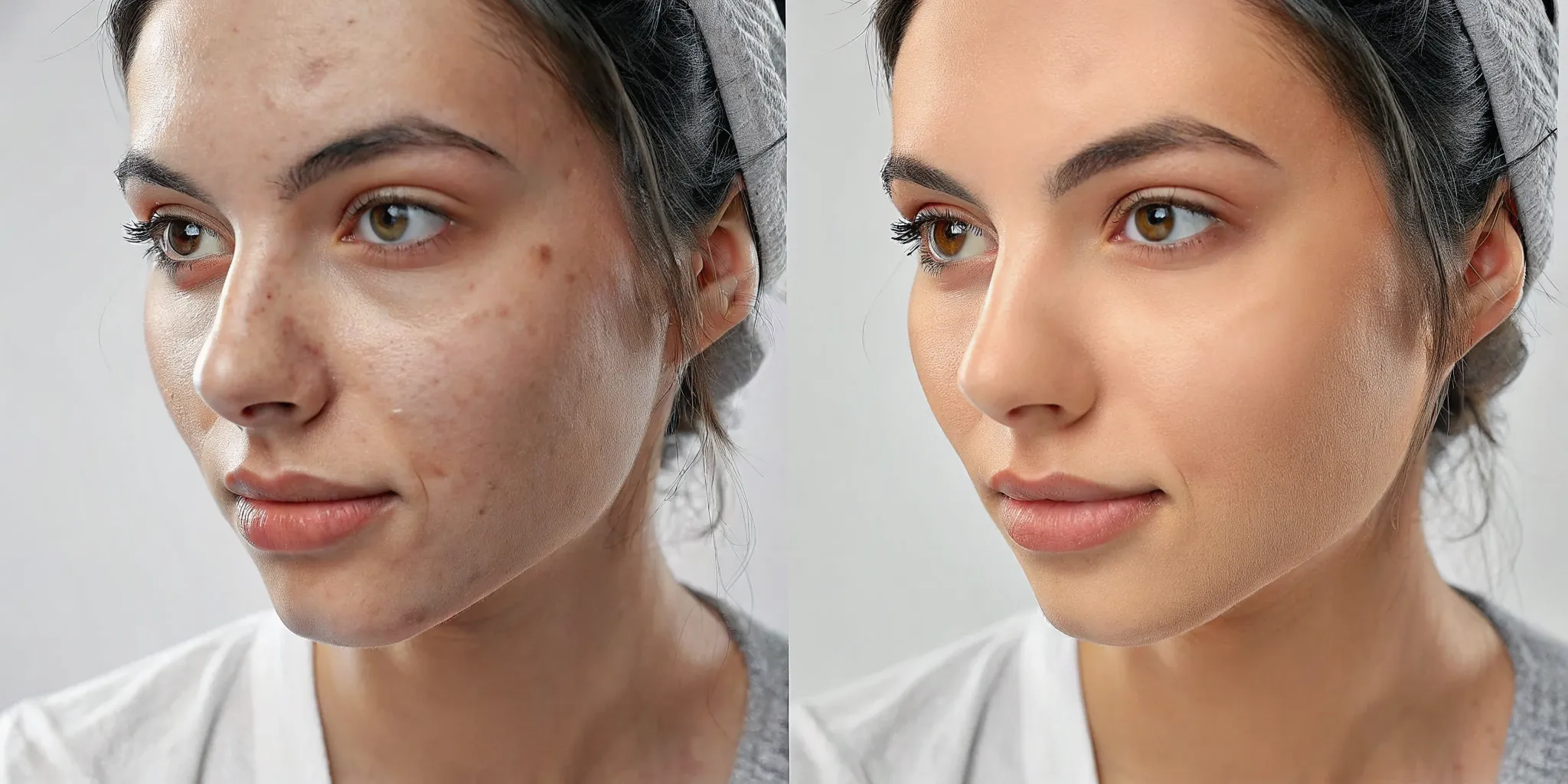
When it comes to skincare, finding one treatment that can tackle multiple issues at once feels like hitting the jackpot. If you’re dealing with a combination of concerns—like sun damage from years spent outdoors, persistent redness from rosacea, and even the lingering marks from old breakouts—an IPL photofacial is a true multi-tasker. Instead of needing different procedures for different problems, this single treatment uses broad-spectrum light to address discoloration, visible blood vessels, and uneven texture all in one go. It’s an incredibly efficient way to refresh your entire complexion, making it a go-to choice for achieving comprehensive and noticeable results.
Key Takeaways
- Think of IPL as a color and texture reset: This treatment uses intense pulsed light to target and fade unwanted pigment from sun damage and redness, while also encouraging new collagen production for a smoother, more refined skin surface.
- Achieving results is a process, not a single event: Expect to need a series of 3-5 treatments spaced about a month apart. While downtime is minimal, the most significant improvements appear gradually after you complete your personalized treatment plan.
- Your provider and aftercare are crucial for success: Choosing an experienced, licensed professional with medical-grade technology is essential for your safety and results. Afterward, protecting your skin from the sun with daily SPF is the most important step to maintain your new glow.
What Is an IPL Photofacial, and How Does It Work?
If you’ve ever wished you could hit a reset button on your skin, an IPL photofacial might be the treatment you’re looking for. It’s a popular, non-invasive way to improve your skin’s tone and texture without surgery. Standing for Intense Pulsed Light, IPL uses light energy to address a variety of skin concerns, helping you achieve a more even and radiant complexion. Think of it as a powerful, high-tech facial that works from the inside out.
How Intense Pulsed Light Technology Works
So, how does light actually fix skin issues? An IPL device sends out multiple wavelengths of light energy into your skin. Unlike a laser, which uses a single, focused wavelength, IPL uses a broad spectrum. This light is drawn to pigment, or color, in your skin. When the light hits these targeted areas—like brown spots or red patches—it gently heats the unwanted cells. Your body’s natural healing process then takes over, clearing away these damaged cells and revealing clearer, healthier skin underneath. This process also encourages new collagen production, which helps give your skin that firm, youthful glow.
Targeting Skin Imperfections with Light
One of the best things about IPL is its versatility. Because it uses a broad spectrum of light, it can address several different concerns in a single treatment session. It’s an effective way to treat a wide range of common skin imperfections. An IPL photofacial can help minimize the appearance of age spots, sun damage, and freckles. It’s also great for reducing redness from rosacea, calming broken blood vessels, and improving the look of fine lines and acne scars. Essentially, it targets the specific pigmented or damaged cells responsible for these issues, helping to restore a more uniform skin tone.
Busting Common IPL Myths
It’s easy to get IPL and laser treatments confused, but they aren’t the same. While both use light, lasers use a single, highly concentrated wavelength, making them more intense and often requiring more recovery time. IPL is a gentler approach that uses different light wavelengths, allowing it to treat multiple skin problems at once with minimal downtime. Another common concern is safety. You can rest easy knowing that IPL therapy is a well-established and safe procedure. It has been used for decades in dermatology and aesthetics without any evidence of increasing cancer risk, making it a trusted choice for skin rejuvenation.
What Skin Concerns Can an IPL Photofacial Address?
An IPL photofacial is one of the most versatile treatments available for achieving clearer, more youthful-looking skin. Think of it as a multi-tasking powerhouse that can tackle several common complaints at once. Instead of needing different procedures for different problems, IPL uses broad-spectrum light to address everything from discoloration to texture in a single session. It’s a fantastic option if you’re looking to refresh your overall complexion without significant downtime. Many people love it because it delivers noticeable results with a treatment that feels manageable and fits into a busy schedule.
So, what can this treatment actually do for your skin? The light energy is uniquely absorbed by pigment (melanin) and redness (hemoglobin) in the skin, allowing it to precisely target imperfections while leaving the surrounding tissue unharmed. This process helps break down unwanted pigment and reduce visible blood vessels, all while stimulating collagen production for a smoother, firmer appearance. It’s a comprehensive approach to skin rejuvenation. Let’s break down the key concerns an IPL photofacial can help you with, from sun spots to fine lines. It’s a cornerstone of the advanced aesthetic services we offer to help you achieve your skin goals.
Fading Sun Damage and Age Spots
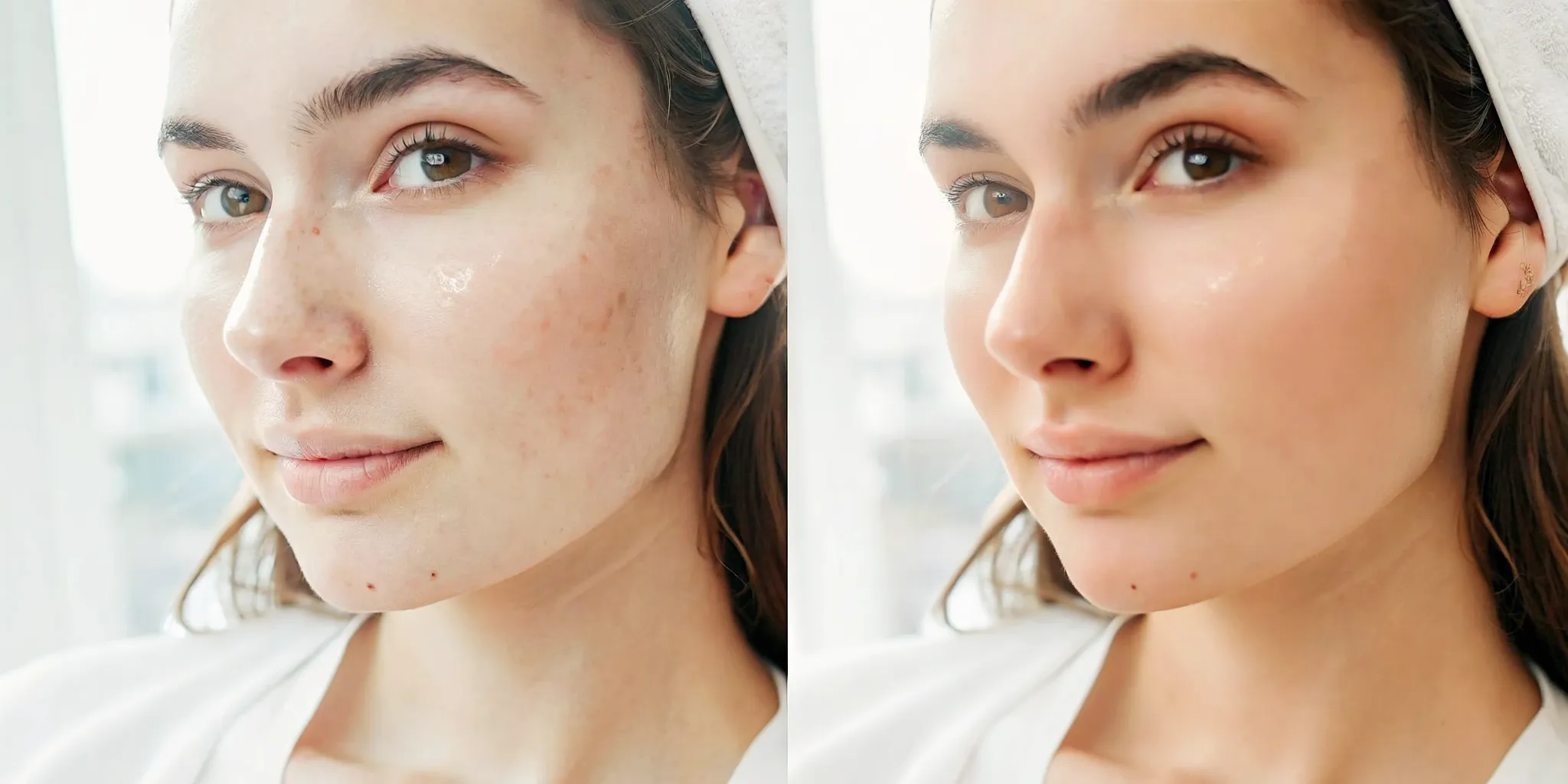
If you’ve spent years enjoying the Texas sun, you might have some souvenirs in the form of brown spots, freckles, or general discoloration. IPL is incredibly effective at treating this type of sun damage and other pigmentation issues. The intense pulsed light is absorbed by the excess melanin in these dark spots, gently heating them. This process breaks the pigment down into smaller particles, which your body then naturally clears away. Over a series of treatments, you’ll see those spots fade, revealing a much more even and radiant skin tone. It’s one of the most popular reasons people seek out IPL—it essentially helps to hit the reset button on sun-related aging.
Calming Rosacea and Redness
Persistent facial redness, rosacea, and broken capillaries can be frustrating to manage with makeup alone. An IPL photofacial offers a great solution by targeting the source of the redness. The light energy is absorbed by the hemoglobin in the visible blood vessels just beneath the skin’s surface. This causes the vessel walls to gently collapse, and they are then absorbed and eliminated by the body. The result is a significant reduction in overall redness and a calmer, more even complexion. It’s a go-to treatment for managing the visible symptoms of rosacea and achieving clearer skin.
Smoothing Acne Scars and Uneven Texture
While active acne needs a different approach, IPL is excellent for addressing the lingering marks that breakouts leave behind. It can effectively reduce the red or brown post-inflammatory hyperpigmentation that often looks like a scar. Beyond just color correction, the gentle heat from the IPL treatment also stimulates collagen production deep within the skin. This helps improve overall skin texture, making it feel smoother and look more refined. For deeper, pitted acne scars, we might recommend pairing IPL with a treatment like SkinPen Microneedling to get the best possible results for both tone and texture.
Minimizing Fine Lines and Pores
While IPL is famous for correcting color, its collagen-boosting benefits are a fantastic bonus for anyone concerned with early signs of aging. The light energy gently warms the deeper layers of the skin, which signals your body to ramp up its natural production of collagen. This essential protein is what gives skin its firmness and elasticity. As new collagen forms, it helps to plump the skin from within, which can soften the appearance of fine lines and wrinkles. This process can also help tighten and reduce the appearance of enlarged pores, giving your skin a smoother, more polished finish.
Your IPL Photofacial Appointment: What to Expect
Knowing what happens during your appointment can make the entire experience feel more comfortable and relaxing. From the initial chat to the treatment itself, here’s a clear breakdown of what your IPL photofacial journey will look like. We want you to feel confident and prepared every step of the way, so you can focus on the exciting results ahead.
Before You Begin: Your Consultation and Skin Assessment
Your first step is always a one-on-one consultation. This is where we get to know you and your skin. We’ll discuss your goals, analyze your skin type and tone, and determine if an IPL photofacial is the right fit for you. It’s also the perfect time for you to ask any questions you have. We’ll go over your health history, as it’s important to let us know if you are pregnant, have a specific skin condition, or are taking medications like blood thinners or Accutane. This initial meeting ensures your treatment is both safe and tailored to deliver the best possible results. Ready to start the conversation? You can contact us to schedule your personal consultation today.
A Step-by-Step Guide to the Procedure
When you arrive for your treatment, we’ll start by cleansing your skin to remove any makeup or oils. Next, we’ll apply a thin layer of cool gel to the treatment area, which helps the light penetrate your skin effectively and keeps you comfortable. You’ll be given a pair of protective glasses to wear to shield your eyes from the bright flashes of light. Then, your technician will gently place the smooth, glass surface of the IPL device onto your skin and begin the treatment. The entire process is quite quick, typically taking between 20 and 30 minutes, depending on the size of the area being treated.
Does It Hurt? What the Treatment Feels Like
This is one of the most common questions we get, and the answer is that most people find the treatment very manageable. As the light pulses, you’ll feel a warm sensation. Many clients describe the feeling as a quick snap, similar to a tiny rubber band against the skin. While you might feel a mild, fleeting discomfort, the sensation is over in an instant. The cooling gel helps soothe your skin throughout the process, and our experienced technicians are dedicated to making sure you feel as comfortable as possible from start to finish. We’ll check in with you every step of the way.
Your Treatment Plan: How Many Sessions Will You Need?
One of the most common questions about IPL is, “How many treatments will I actually need?” The short answer is that it’s a process. An IPL photofacial delivers gradual, noticeable improvement with each session, rather than a dramatic, overnight transformation. Think of it as a journey to clearer, more even-toned skin.
The exact number of sessions you’ll need depends entirely on your skin and your goals. Are you looking to fade a few sunspots, or are you tackling more widespread redness from rosacea? During your initial consultation, we’ll create a personalized treatment plan tailored to you. We’ll discuss what you want to achieve and map out a timeline that fits your needs, ensuring you know exactly what to expect every step of the way. This customized approach is central to all of our medspa services.
Mapping Out Your Treatment Timeline
For optimal results, most people need a series of treatments. A typical plan involves anywhere from three to five sessions, though some may need up to seven depending on their specific skin concerns. These appointments are usually scheduled about four weeks apart. This isn’t an arbitrary number—that month-long interval gives your skin the time it needs to heal and regenerate. It also allows your body’s natural processes to work on clearing away the pigmented or damaged cells that were targeted during the treatment. Sticking to this schedule is key to achieving the best, most lasting outcome.
When to Expect Visible Results
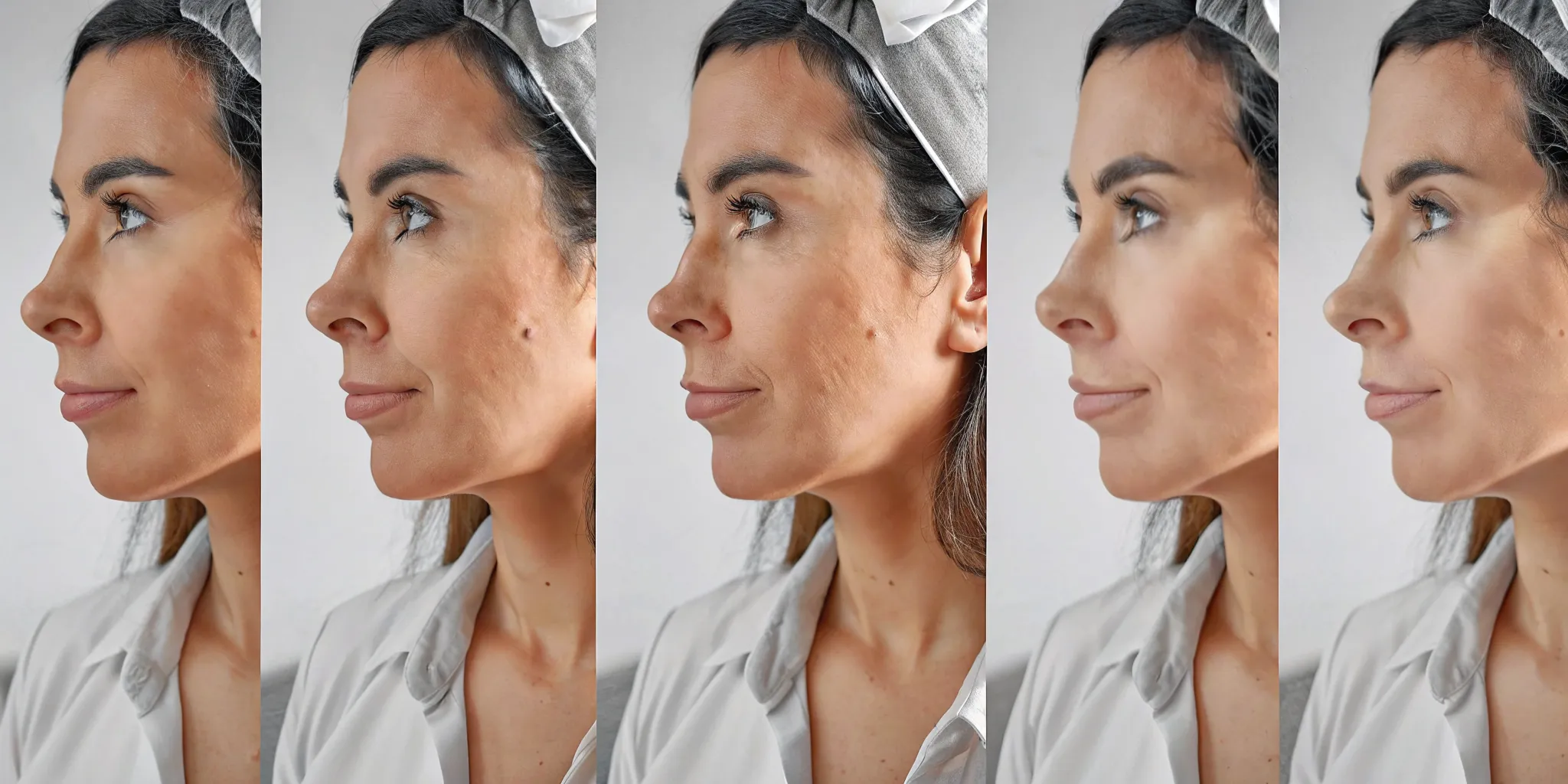
Patience is your best friend when it comes to IPL results. While you might notice some initial improvements after your very first session—like a subtle brightening or fading of spots—the most significant changes appear over time. The full, beautiful results tend to become most apparent after you’ve completed a series of three to five treatments. At that point, you could see a major reduction—up to 70%—in brown spots and sun-induced redness. It’s important to remember that it can take several weeks after each session for the final outcome to reveal itself as your skin continues to repair and renew from within.
What Influences Your Final Outcome
Several factors can influence your final results. IPL technology works best for individuals with pale to light brown skin tones. This is because the light energy is designed to target darker pigment (like in sunspots or broken capillaries) without affecting the surrounding skin. Your specific skin concern also plays a role, as does your body’s unique healing response. The best way to know what kind of results you can expect is to have a one-on-one chat with a professional. We can assess your skin and confirm if you’re an ideal candidate, so feel free to contact us to schedule your consultation.
The Details: Cost, Recovery, and Aftercare
Once you’ve decided that an IPL photofacial might be right for you, it’s time to get into the practical side of things. Understanding the investment, what to expect during recovery, and how to care for your skin afterward are all crucial steps for a smooth and successful experience. Think of it as your game plan for getting that gorgeous glow. Proper aftercare is just as important as the treatment itself, as it protects your results and keeps your skin healthy. It’s the difference between a good result and a great one.
We’ll walk through the typical cost of an IPL series, what your skin will feel like right after a session, and the simple but essential steps to take care of it. We’ll also cover who makes the best candidate for this treatment, because safety and suitability are always the top priority. At Ultimate Image MedSpa, we believe in full transparency, ensuring you have all the information you need before starting any of our services. Having all the details upfront helps you feel confident and prepared as you move forward with your skincare goals, knowing exactly what to expect every step of the way.
Understanding the Cost of IPL
Investing in your skin is one of the best things you can do for your confidence, and it’s helpful to know the financial commitment upfront. A single IPL session typically costs between $300 and $600. Since most people need a series of treatments to achieve their desired results, the total cost can range from $900 to over $3,000. It’s important to remember that IPL is considered a cosmetic procedure, so it’s generally not covered by health insurance. The best way to get an accurate price for your specific needs is to schedule a consultation, where we can create a personalized treatment plan just for you.
What to Expect After Your Treatment: Recovery and Downtime
One of the best parts of an IPL photofacial is the minimal downtime. Immediately after your session, your skin will likely feel warm and look a bit red, similar to a mild sunburn. This sensation usually fades within a few hours. You might also notice that any dark spots or freckles you treated appear darker at first—this is a great sign! It means the treatment worked, and these spots will gradually flake off over the next week or so. You can typically apply makeup and return to your daily activities right away, making it an easy treatment to fit into a busy schedule.
Your Aftercare Checklist for the Best Results
To get the most out of your IPL treatment and protect your beautiful results, following a solid aftercare plan is key. Your main job is to shield your skin from the sun.
- Wear sunscreen daily. Choose a broad-spectrum sunscreen with at least SPF 30 and apply it generously. Reapplying every two hours is essential, even on cloudy days.
- Be gentle with your skin. Use a mild cleanser and moisturizer, and avoid harsh exfoliants or scrubs for about a week.
- Avoid direct sun exposure. Besides sunscreen, wearing a wide-brimmed hat when you’re outdoors gives you an extra layer of protection.
Proper aftercare ensures your skin heals perfectly and helps maintain your clear, even-toned complexion long-term.
Is IPL Right for Everyone? Safety First
While IPL is a fantastic treatment for many, it’s not a one-size-fits-all solution. It works best for individuals with pale to light brown skin tones because the technology targets the contrast between skin pigment and darker spots. IPL is not recommended for very dark skin, as it can carry a higher risk of discoloration. You should also avoid IPL if you are particularly sensitive to light, have a recent tan, are using retinoid creams, or have certain skin conditions. A thorough consultation with a professional is the most important step to confirm that an IPL photofacial is a safe and effective choice for your unique skin.
Finding the Right IPL Provider for You
Choosing where to get your IPL photofacial is just as important as deciding to get the treatment in the first place. Since this is a medical aesthetic procedure that involves powerful light technology, the skill of the person performing it directly impacts your safety and your results. A great provider will not only have the right credentials but will also make you feel comfortable, heard, and confident in your treatment plan. They should be your partner in achieving your skin goals.
Think of your search for a provider as an interview process where you’re in the driver’s seat. You want to find a place that invests in top-tier technology and has a team of experienced, licensed professionals who can tailor the treatment specifically to you. This isn’t the time to bargain-hunt; it’s the time to prioritize expertise. A qualified provider will conduct a thorough skin assessment, listen to your concerns, and be transparent about what IPL can (and can’t) do for you. At Ultimate Image MedSpa, we believe a personalized approach is the only approach, ensuring every client gets the focused care they deserve.
What to Look For in a Provider’s Credentials and Experience
When it comes to your skin, qualifications are non-negotiable. You should always seek treatment from a licensed professional, such as a skilled nurse or physician assistant, operating under the supervision of a medical director. Don’t hesitate to ask about their specific training and how many IPL treatments they perform.
Experience is your best indicator of expertise. An experienced provider will understand the nuances of treating different skin types and concerns. Ask to see a portfolio of their work—specifically before-and-after photos of clients they have personally treated for issues similar to yours. This will give you a clear idea of their skill and the kind of results you can realistically expect.
The Importance of High-Quality Technology
Not all IPL devices are created equal. The quality of the technology used plays a huge role in the safety and effectiveness of your treatment. Advanced, medical-grade IPL systems offer a higher degree of precision, allowing the provider to customize the light wavelengths to target your specific concerns, whether it’s brown spots or redness.
Superior devices also come with built-in cooling systems. This feature is critical for protecting the top layer of your skin, making the procedure much more comfortable and significantly reducing the risk of side effects. When a medspa invests in high-quality equipment, it shows a commitment to providing the best possible aesthetic services and prioritizing client safety above all else.
IPL vs. Other Facials: Which Is Best for You?
With so many treatments available, it’s helpful to know where IPL fits in. Think of an IPL photofacial as a corrective treatment focused on color and texture. If your main goals are to fade sun damage, reduce redness from rosacea, or minimize broken capillaries, IPL is one of the most effective options available.
In contrast, a treatment like a Hydrafacial is designed for deep cleansing, hydration, and infusing the skin with nourishing serums. While it leaves your skin glowing, it doesn’t target pigment issues in the same way. More aggressive laser treatments can produce faster results for texture, but they often come with significant downtime. IPL offers a fantastic middle ground: real, visible results with a much gentler recovery.
Key Questions to Ask at Your Consultation
Your consultation is the perfect opportunity to get all your questions answered and ensure you feel completely comfortable moving forward. Feeling prepared can make all the difference.
Here are a few key questions to bring with you:
- Based on my skin assessment, am I a good candidate for an IPL photofacial?
- What specific results can I expect for my concerns (e.g., sun spots, redness)?
- How many sessions do you recommend, and how far apart will they be spaced?
- What does the aftercare process involve?
- Can you walk me through your safety protocols?
Be ready to share your full medical history, including any skin conditions, medications you’re taking, and whether you’re prone to cold sores. This transparency is crucial for a safe and effective treatment. Ready to start the conversation? Contact us to schedule your personal consultation.
Related Articles
- Photofacials 101: Everything You Need to Know – Ultimate Image MedSpa
- Photofacial Before and After: See The Results – Ultimate Image MedSpa
- Photofacial Dallas: What to Expect Before & After – Ultimate Image MedSpa
Frequently Asked Questions
How is an IPL photofacial different from a regular spa facial? Think of a regular facial as great for maintenance—it cleanses, hydrates, and gives you a temporary glow. An IPL photofacial, on the other hand, is a corrective treatment that works on a deeper level. It uses light energy to target and break down specific concerns like sun spots, redness, and broken capillaries, creating lasting changes in your skin’s tone and texture.
What will my skin look like immediately after the treatment? Right after your session, it’s normal for your skin to look a little pink and feel warm, much like a mild sunburn. This typically subsides within a few hours. You might also notice that any brown spots you treated look darker at first. This is a positive sign that the treatment is working, and these spots will naturally flake off over the following week.
Are the results from an IPL photofacial permanent? The results can be very long-lasting. IPL physically breaks down the pigmented cells that cause spots and redness, and your body clears them away for good. However, the treatment doesn’t stop the natural aging process or prevent new sun damage from occurring. The best way to maintain your results is to protect your skin with daily sunscreen and consider a maintenance session once a year.
Can I get an IPL photofacial if I have a tan? This is a firm no. Because IPL technology targets pigment, treating tanned or recently sun-exposed skin can be unsafe and may lead to unwanted side effects like discoloration. For the best and safest results, you should avoid direct sun exposure and tanning beds for at least four weeks before your appointment.
How do I know if IPL is the right choice for my specific skin concerns? The best way to find out is through a one-on-one consultation. While IPL is fantastic for a wide range of issues, a professional assessment is the only way to confirm it’s the most effective solution for you. We can analyze your skin, discuss your goals, and create a personalized plan to help you achieve the clear, radiant complexion you’re looking for.