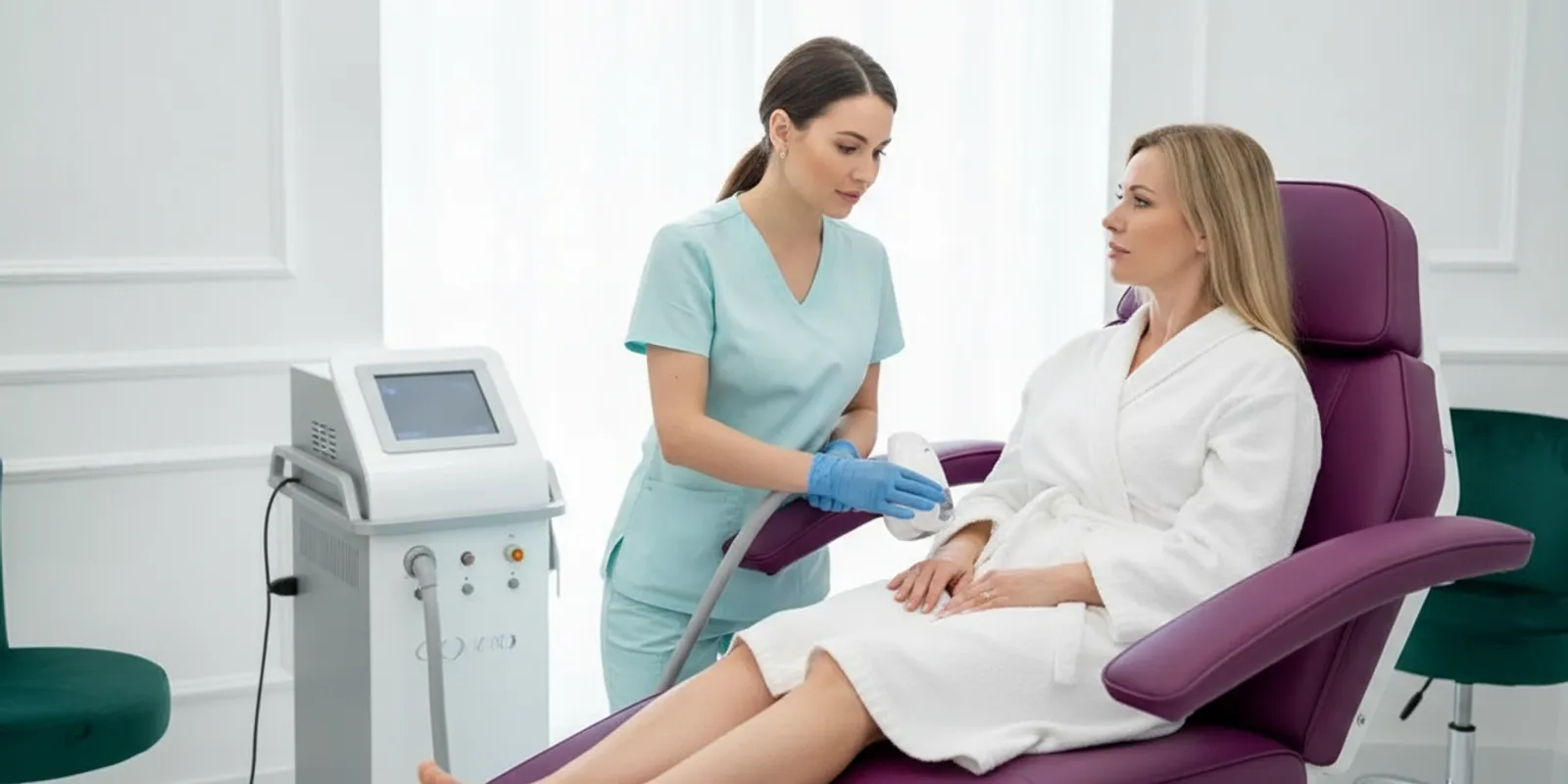
At Ultimate Image MedSpa, shedding coarse patches of body hair is a process that requires both advanced technology and patience. Proper laser hair removal aftercare is the key factor that determines how quickly and safely your skin heals between each clinical session. Following a personalized post-treatment plan helps protect the skin, reduces temporary side effects, and allows the advanced laser technology to work at peak efficiency.
Schedule Your Laser Hair Removal Consultation Today
Proper laser hair removal aftercare directly impacts treatment success by protecting the healing skin barrier and ensuring optimal follicular destruction. After each session, gentle care helps prevent irritation, supports natural shedding, and maximizes long-term hair reduction from your Candela GentleMax Pro treatments.
Before you can enjoy smooth, care-free skin, your treated follicles must progress through a delicate healing phase. Understanding the steps of Immediate Aftercare: The First 24-48 Hours will help you prevent irritation and keep your recovery on the fastest possible track. Here is how to protect your skin immediately after your session.
Laser Hair Removal Aftercare: Immediate Aftercare: The First 24-48 Hours
The first two days after your laser session are vital for your skin. Your hair follicles absorb high heat during the process. This heat leaves your skin sensitive and prone to irritation. Knowing what to do can keep you comfortable and help you avoid unwanted skin issues.
What is Normal After Laser Hair Removal
You may see some changes in your skin right after your session. Redness and mild swelling are common side effects immediately after laser hair removal and typically resolve within 24 hours. Some people feel a mild warmth in the skin, which is like a light sunburn. This sensitivity after laser hair removal can sometimes persist for a couple of days in certain individuals. Understanding these signs can help you feel at ease as you start managing post-treatment side effects at home.
Bathing and Cleansing Your Skin
After laser hair removal, it is recommended to be gentle with the treated area, including when bathing, for the first 24-48 hours. You do not have to skip your bath, but you must change how you wash. Use cool or lukewarm water instead of hot water. Hot water can make your skin swell and feel worse. Pick a mild, fragrance-free soap to wash the area. Avoid rough scrubs, washcloths, or loofahs. When you finish, do not rub your skin with a towel. Gently pat the area dry with a soft cloth to prevent friction.
Soothing Skin Irritation
You can use simple creams to help your skin heal. Moisturizing the treated area with a mixture of 1% hydrocortisone cream and petroleum jelly (like Vaseline or Aquaphor) can help soothe post-treatment skin. You may apply this mixture up to three times daily. This blend locks in moisture and calms irritation fast. If your skin feels hot, you can also apply a cool washcloth to the area for ten minutes.
What to Avoid During the First 48 Hours
To protect your skin, you must steer clear of certain habits for 24 to 48 hours. It is recommended to avoid hot showers, baths, and strenuous exercise for 24 to 48 hours post-treatment. High heat and sweat can trap bacteria in your open pores. This can lead to bumps or infection. You must also skip public pools, saunas, hot tubs, and steam rooms. If you treat your underarms, avoiding deodorants on the treated area for the first 24-48 hours can help prevent irritation. If you treat your face, avoid wearing heavy makeup or cosmetic creams during this time.
What to Wear and When to Seek Help
Your choice of clothing plays a role in how your skin heals. Wear loose, light clothes made of cotton. Tight pants or synthetic fabrics can rub against your sensitive skin and cause red bumps. Most side effects are mild and fade fast. But you should contact your provider if you notice severe pain, skin blistering, or signs of infection. Watching your skin closely during this early stage ensures a safe path to smooth results.
How Do You Soothe and Protect Treated Skin After Laser Hair Removal?
Following your session, caring for your healing skin barrier is the most important step in your preparing for your first laser hair removal appointment journey. At Ultimate Image MedSpa, our licensed professionals ensure the laser energy specifically targets your follicles, making a gentle and consistent routine vital for preventing irritation. Proper laser hair removal aftercare focuses on calming the skin, maintaining deep hydration, and avoiding friction.
Applying Cool Compresses and Soothing Gels
To ease any immediate warmth or minor swelling after your treatment, you can apply a clean, cool compress to the area. Dampen a soft cloth with cold water and press it gently against your skin for ten to fifteen minutes at a time. This simple method helps reduce local inflammation and brings quick comfort to sensitive tissue. You can repeat this process several times throughout the day as needed.
For additional cooling relief, pure aloe vera gel is an excellent soothing agent that calms inflammation and hydrates without clogging pores. Experts at Healthline suggest using gentle, fragrance-free, and soothing moisturizers like aloe vera to support the skin during recovery. Apply a thin layer of the gel to the treated area to help cool the skin and lower any lingering irritation.
Selecting Safe and Fragrance-Free Moisturizers
As your skin heals, keeping it hydrated is key to rebuilding a healthy skin barrier. However, you must avoid harsh chemicals, active acids, and heavy perfumes. Medical experts recommend using only gentle, fragrance-free lotions to prevent unwanted skin irritation. Look for products that contain ceramides or hyaluronic acid, which help seal in moisture without causing a reaction.
In the first couple of days, your skin is extra sensitive, so using basic, clean products is the safest path. Applying a simple, fragrance-free moisturizer twice daily keeps the skin soft and assists the natural healing process. If your skin feels particularly dry or sensitive, consult with your specialist about rich, plain creams that support skin repair safely.
Preventing Friction and Sweating
Friction can easily irritate healing hair follicles and cause discomfort. To protect your treated skin, wear loose, breathable clothing made from natural fibers like cotton or bamboo. Tight pants, synthetic materials, or rough fabrics can rub against the skin, leading to redness or even tiny bumps in the treated area.
You must also avoid vigorous exercise and heavy sweating for 24 to 48 hours after your session. Strenuous workouts, hot tubs, and saunas raise your body temperature and cause sweat to collect in the open follicles, which can lead to severe irritation or infection. Resting for a day or two keeps the skin cool and ensures a smooth, quiet healing phase.
Your Daily Post-Treatment Skincare Routine
To keep your aftercare simple and highly effective, follow a structured morning and evening routine during the first two days after your treatment. In the morning, wash the area with cool water and a very mild, soap-free cleanser. Pat the skin dry with a clean, soft towel, apply a thin layer of pure aloe vera or a fragrance-free lotion. And always finish with a broad-spectrum sunscreen if the area is exposed to light.
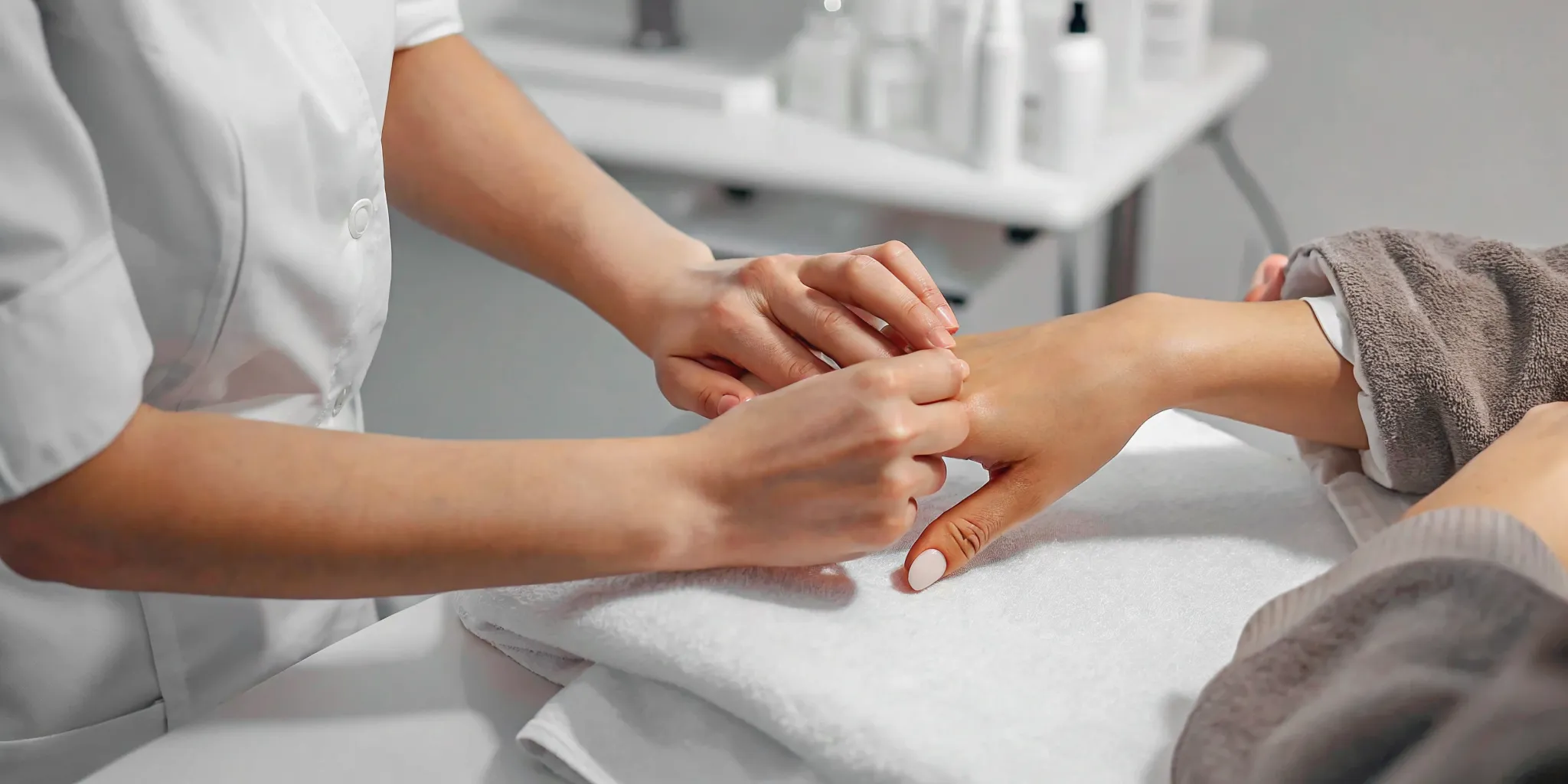
In the evening, repeat the gentle cleansing process to remove any daily buildup or sunscreen. Apply your fragrance-free moisturizer generously to help the skin recover while you sleep. By keeping your routine minimal, clean, and completely free of artificial perfumes, you give your skin the perfect environment to heal beautifully.
Why Is Sun Protection a Non-Negotiable Aftercare Step?
At Ultimate Image MedSpa, protecting your skin from the sun is the most important part of your laser hair removal aftercare routine. Laser energy targets hair follicles by passing through the outer layers of your skin. This process leaves the treated area highly sensitive, and sun exposure can lead to hyperpigmentation or skin damage. To keep your skin safe and ensure the best results, you must take active steps to shield your skin from ultraviolet rays.
Why Treated Skin Needs Sun Shielding
After a laser session, your skin is in a temporary state of recovery. Because the skin barrier is sensitive, sunlight can trigger melanin production too quickly. According to the American Academy of Dermatology, excessive sun exposure on treated skin can increase the risk of complications. When you do not protect these areas, you may develop dark spots, light patches, or mild burns that slow down your treatment progress.
How to Apply Daily Sunscreen
You must wear sunscreen every single day, even when it is cloudy or when you stay indoors. It is best to apply a broad-spectrum sunscreen with SPF 30 or higher daily to protect treated skin. Put on the cream twenty minutes before you go outside, and apply more every two hours if you stay in the sun. Choose a gentle, fragrance-free formula to prevent skin irritation while your pores are still healing.
Cover Up and Avoid Direct Sunlight
Sunscreen alone is not enough during your recovery weeks. Try to stay out of the sun during peak hours when the rays are strongest. When you must go outdoors, wear loose clothing made of tightly woven fabric to cover the treated areas. Wide hats and long sleeves are great ways to keep the sun off your face and arms. These simple steps protect your skin from damage and keep your hair removal progress on track.
Understanding Hair Shedding and Between-Session Care
A few weeks after your treatment, you will notice hairs rising to the surface of your skin. This is a normal part of the process called shedding. The heat from the laser damages the roots of active hairs, causing them to push out and drop away. This phase is not new hair growth, but rather the treated hairs exiting your skin.
The Timeline of Post-Treatment Shedding
Dead hairs do not fall out immediately after your session. Instead, hair shedding after laser hair removal typically occurs within 1 to 3 weeks following the treatment session, as noted by Healthline. During this time, the skin slowly pushes the dead roots to the surface. Gently washing the area with a washcloth during your bath can help speed up this process.
Shaving and Safe Grooming Between Sessions
You do not have to let your hair grow out between your visits. The American Society for Aesthetic Plastic Surgery states that laser hair removal is designed to replace traditional shaving methods. This means that shaving between your sessions is perfectly safe. Shaving does not disturb the root of the hair under the skin. It only cuts the shaft at the surface, keeping the follicle ready for your next laser visit.
Why You Must Avoid Waxing and Tweezing
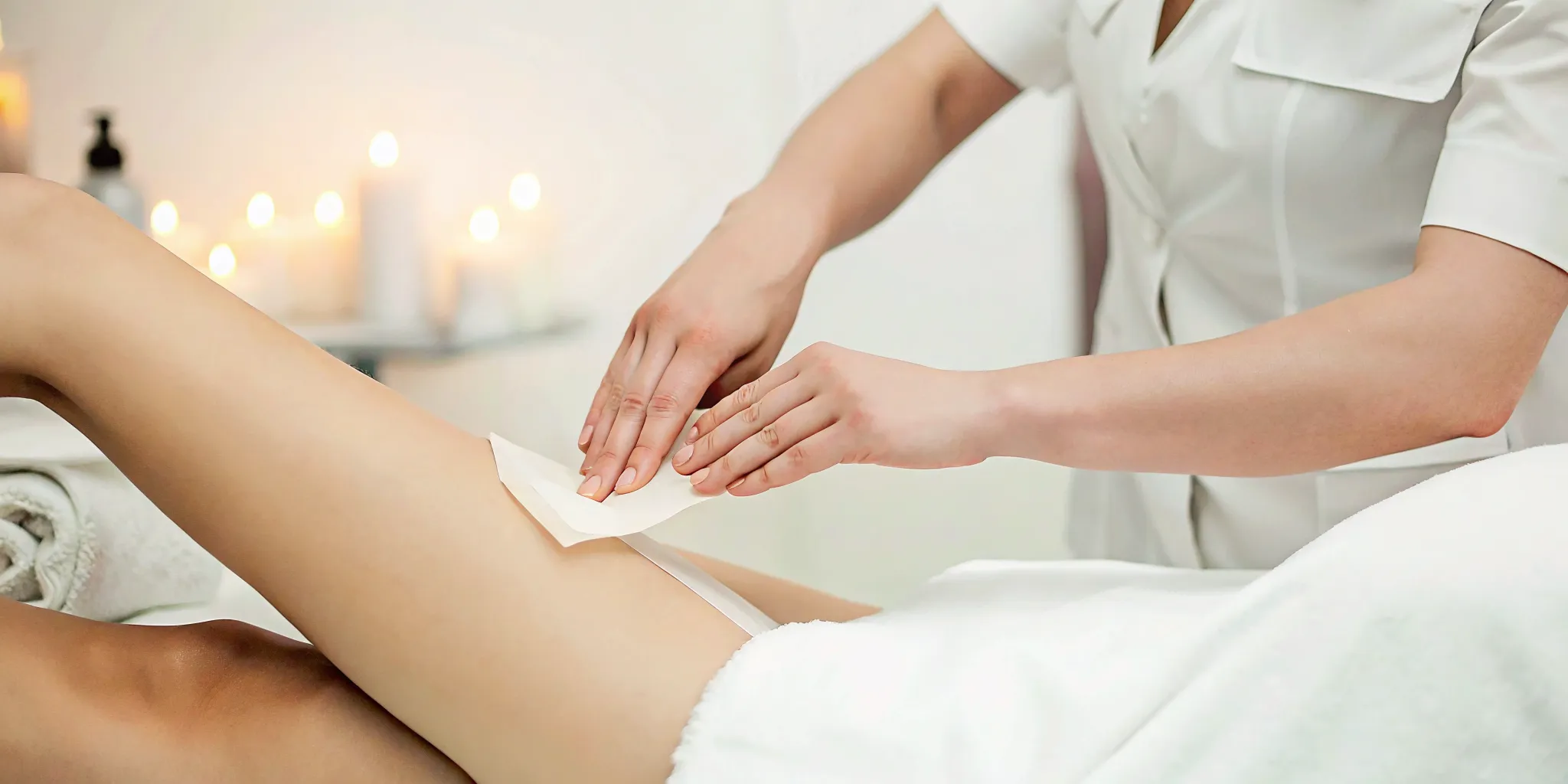
While shaving is allowed, other hair removal methods are strictly off-limits. You must avoid waxing, tweezing, sugaring, or using hair removal creams for at least 4 weeks before your next treatment, according to care guides on Milan Laser. These methods pull the hair out from the root. The laser needs an intact hair follicle to work, as the energy targets the pigment inside the root. If the follicle is empty, the laser cannot destroy it. For more details on protecting your skin, read our guide on managing post-treatment side effects.
The Need for Multiple Scheduled Sessions
To get the best results, you must schedule a series of treatments over several months. Laser hair removal works best on hair in the active growth phase, as explained by the Mayo Clinic. Because your hair grows in cycles, only a portion of your hair is in this active phase at any single time. This is why multiple sessions are required to target all the follicles. Most patients require a series of treatments, typically between two and six, to achieve optimal hair reduction. For the best outcome, you should schedule your sessions approximately every 4 to 6 weeks to catch each new cycle of active hair growth.
How Proper Aftercare Maximizes Long-Term Results
Following a strict routine after each session is key to getting the best possible results from your treatment. Proper post-care is not just about keeping your skin comfortable. It plays a direct role in how well the laser targets and weakens hair growth over time. When you care for your skin correctly, you help your body heal safely and prepare for your next visit.
Protecting Your Skin Barrier
Each treatment relies on concentrated light to target hair. The laser energy heats the hair follicle, which weakens its ability to grow new hair. This heat can leave your outer skin layer dry and sensitive. Protecting this skin barrier helps your skin stay strong and calm. A strong skin barrier can handle follow-up sessions without delay, which keeps your treatment plan on track.
If you ignore your post-treatment care, your skin may become dry, flaky, or cracked. Damaged skin is much more likely to react poorly to future light exposure. Keeping your skin hydrated and calm ensures that your next session can proceed safely. It also helps the light energy penetrate smoothly to reach the root of the hair.
Preventing Pigment Changes
Sun protection is another vital part of your routine. Freshly treated skin is very sensitive to heat and ultraviolet light. Sun exposure on weak skin can trigger your body to produce too much melanin. This response can lead to dark spots or patches, known as hyperpigmentation. These dark marks can take months to fade and can make future sessions much harder to perform.
Most lasers need a clear contrast between your skin tone and your hair color to work best. Pigment changes from sun damage can interfere with this contrast. To avoid these risks, you must protect your skin from the sun. Always follow your laser specialist’s instructions and apply a broad-spectrum sunscreen daily. This safeguard protects your skin and keeps your treatment path clear and safe.
How Technology Supports Your Results
At our clinics, we use the Candela GentleMax Pro platform to deliver safe and reliable care. This advanced system combines dual wavelengths: the 755nm Alexandrite laser and the 1064nm Nd:YAG laser. This dual-light design makes it highly versatile. Long-pulsed laser technology has enabled effective treatment for darker skin tones as well as traditional dark hair on light skin. This means we can safely treat all Fitzpatrick skin types I through VI.
The device also uses a patented Dynamic Cooling Device. This system sprays a cooling burst onto your skin right before each laser pulse to keep you comfortable. But even with this cooling system, your skin still needs proper rest and care to heal well. A professional assessment will determine the exact settings for your skin type, but your daily habits at home are what lock in those results.
Typical Treatment Timelines
To achieve smooth, hair-free skin, you will need multiple sessions. This is because hair grows in cycles, and the light only targets hair in its active growth phase. The total number of sessions you will need varies based on hair density, hair color, and the specific area being treated. While most people see great progress in four to ten sessions, your personal plan depends on your body’s unique growth patterns.
Choosing professional laser hair removal services ensures that your timeline is customized for you. Clinical studies show laser hair removal significantly reduces long-term hair growth in treated areas. By pairing these proven treatments with diligent daily care, you can enjoy smooth, clear skin for years to come.
Aftercare Habits Compared
How you care for your skin between sessions can make a huge difference in your safety and final outcome. The table below compares the long-term impact of good and poor daily habits after your sessions.
| Care Area | Good Aftercare Habits | Poor Aftercare Habits | Long-Term Impact |
|---|---|---|---|
| Sun Care | Apply daily SPF 30+ and cover up | Unprotected sun exposure or tanning | Prevents dark spots and keeps next sessions safe |
| Skin Hydration | Use gentle, fragrance-free lotions | Apply heavy creams with perfumes | Soothes skin and prevents clogged pores |
| Heat Exposure | Take cool or lukewarm showers | Use hot tubs, saunas, or hot baths | Reduces swelling and prevents blister risks |
| Hair Removal | Only shave between your sessions | Wax, pluck, or tweeze active hair | Keeps hair roots intact for the laser to target |
What Aftercare Mistakes Can Slow Your Progress?
Your post-treatment choices play a big role in your final results. Making mistakes during your laser hair removal aftercare window can lead to skin irritation or poor hair reduction. To keep your skin safe and get the most out of your session, you should avoid several common traps.
Heat and Sweat on Treated Skin
Freshly treated skin is highly sensitive to heat. Applying extra warmth can trigger major irritation, swelling, or even blisters. It is best to keep your skin cool and calm for at least the first day or two after your visit.
Follicle Damage Between Treatments
The laser needs an intact hair follicle to work. If you pull the hair out from the root between your visits, the laser cannot find its target. This can make your next session far less effective and slow your progress down.
- Taking hot showers or baths too soon: Hot water can irritate treated skin. You should avoid hot showers, steam rooms, and hot baths for 24 to 48 hours after treatment, as noted by Los Gatos Dermatology. Use lukewarm water instead to keep the skin calm.
- Waxing or tweezing between sessions: You must avoid waxing, tweezing, or sugaring for at least 4 weeks before your next treatment. Competitor care guides on Milan Laser show that you need to keep the hair follicle intact so the laser can target it. Shaving is the only safe way to manage hair growth between visits.
- Applying deodorant to treated underarms: Putting deodorants on treated underarm skin can cause severe irritation. It is best to avoid deodorant for 24 to 48 hours post-treatment. For more tips on managing your skin, read our guide on managing post-treatment side effects.
- Exercising too soon after your session: Heavy sweat can trap bacteria and irritate your open pores. You should wait 24 to 48 hours before doing any intense workout, according to Healthline. Keep your activity light to let your skin heal without extra friction.
Frequently Asked Questions
What should you not do after laser hair removal?
To avoid severe irritation, do not take hot showers, use saunas, or do heavy exercise for 48 hours. You must also avoid direct sun exposure. According to the American Academy of Dermatology, shielding your skin from UV rays is critical. Do not wax, tweeze, or use hair removal creams, as you need to keep your hair follicles intact for your next session.
How long does it take for hair to fall out after laser treatment?
You will not see your hair vanish right away. Instead, treated hairs will begin to slide out of their follicles gradually. According to Healthline, this natural shedding process typically occurs within one to three weeks after your session. You can help them along by wiping gently with a soft washcloth in the shower.
Can you shave between laser hair removal sessions?
Yes, shaving is the only hair removal method you should use between your treatments. Unlike waxing or plucking, shaving leaves the hair root intact beneath the skin. This allows the laser to target the hair during your next visit. Wait a few days until any temporary redness fades before you use a clean razor on the area.
Is redness normal after laser hair removal?
Mild redness and slight swelling are very common immediately after your treatment. This is a normal response as the laser heat targets your hair follicles. For most people, this warm sensation and pink skin will resolve within 24 hours. You can apply a cool compress or a thin layer of pure aloe vera gel to soothe the area.
What is the best moisturizer to use after laser hair removal?
You should use a gentle, fragrance free lotion to keep your skin hydrated without causing a reaction. Look for simple, soothing creams or pure aloe vera gel. If your skin feels very warm or itchy, a mixture of 1% hydrocortisone cream and petroleum jelly can help. Apply this blend up to three times daily to calm the skin.
When can you exercise after laser hair removal?
You should wait at least 24 to 48 hours before you engage in vigorous exercise or activities that cause heavy sweating. Exercise increases your body heat and sweat can trap bacteria in your sensitive hair follicles. This can lead to extra redness, bumps, or skin irritation. Stick to light walks until your skin fully heals.
Why is sun protection important after laser hair removal?
Your skin is highly sensitive to heat and UV light after a laser session. If you expose the treated area to the sun, you run a high risk of skin damage, blistering, or dark spots. You must apply a broad spectrum sunscreen with SPF 30 or higher daily. Cover the treated skin with loose clothing whenever you go outside.
Ready to book your laser hair removal consultation?
Delaying your skin care path can mean dealing with the constant chore of shaving and waxing for much longer than needed. Starting your treatments now allows you to align your sessions with your hair growth cycles. This proactive step helps you get smooth, hair-free skin much sooner.
At Ultimate Image MedSpa, we use the advanced, FDA-approved Candela GentleMax Pro system to provide safe and effective results for all skin types. Our licensed professionals design a custom treatment plan just for you. With four convenient DFW locations in Dallas, Plano, Richardson, and Lewisville, professional care is always nearby.
Ready to get started? You can book your laser hair removal consultation online today or call us at (972) 800-2127 to schedule your visit with our expert team.