Unwanted facial or body hair can feel especially frustrating when hormonal changes are part of the picture. If polycystic ovary syndrome (PCOS) is contributing to excess growth, laser treatment may help reduce the hair that is currently visible. But it does not diagnose or treat the hormonal condition itself.
Laser hair removal for PCOS can be a useful cosmetic option for reducing unwanted hair, especially when treatment is tailored to your skin tone, hair characteristics, and treatment area. Because hormonal activity may contribute to new growth, realistic planning can include several sessions and occasional maintenance rather than a promise that every future hair will be gone.
The right plan begins by understanding how PCOS-related hair growth develops, what laser energy can and cannot do, and when medical guidance should be part of your care. Those distinctions make the treatment process more predictable and more comfortable.
What Does PCOS Have to Do With Unwanted Hair Growth?
Polycystic ovary syndrome, commonly called PCOS, is a hormonal condition that can change the balance of sex hormones. One possible result is hirsutism, meaning extra dark or coarse hair that grows in areas such as the face, chest, or back. If you are considering laser hair removal for PCOS, the treatment can address visible hair, but it does not diagnose or treat the hormonal condition behind it.
Why can PCOS affect facial or body hair?
Androgens are hormones that include testosterone. When androgen activity is elevated or the hair follicles are especially sensitive to it, some follicles can respond by producing thicker, darker hair. These are often called androgen-sensitive follicles. The pattern may be noticeable on the upper lip, chin, jawline, chest, abdomen, or back, although each person’s experience is different.
Hirsutism is a symptom, not a diagnosis by itself. PCOS is one possible cause, but unwanted hair can also have other explanations. A qualified medical provider can review your symptoms, health history, medications, and any needed testing before determining whether PCOS or another condition is involved. Rapid or unusually heavy new hair growth deserves medical attention, especially when it occurs with other changes such as a deeper voice or increased muscle development. The Mayo Clinic overview of hirsutism provides additional guidance on symptoms and evaluation.
What can laser hair reduction do?
Laser hair reduction uses focused light absorbed by pigment in the hair. That energy becomes heat and damages the targeted follicle, which can reduce the amount of hair that grows back. It is a cosmetic approach to managing visible hair, not a treatment for hormone levels, ovulation, insulin regulation, or PCOS itself.
Because hormonal activity may continue to influence new hair growth, people with PCOS may need realistic expectations about regrowth and future maintenance. Existing hair may become less noticeable while new growth develops over time. A consultation can help assess your skin tone, hair characteristics, treatment area, medical history, and medications, then determine whether a personalized plan is appropriate. Medical care for suspected PCOS should continue separately with your physician or another qualified provider.
Does Laser Hair Removal Work for PCOS?
Yes, laser hair removal can reduce unwanted hair associated with polycystic ovary syndrome (PCOS), but it does not treat the hormonal condition itself. Because ongoing hormonal activity may stimulate new growth, realistic results usually include reduction plus possible maintenance treatments.
What the research suggests
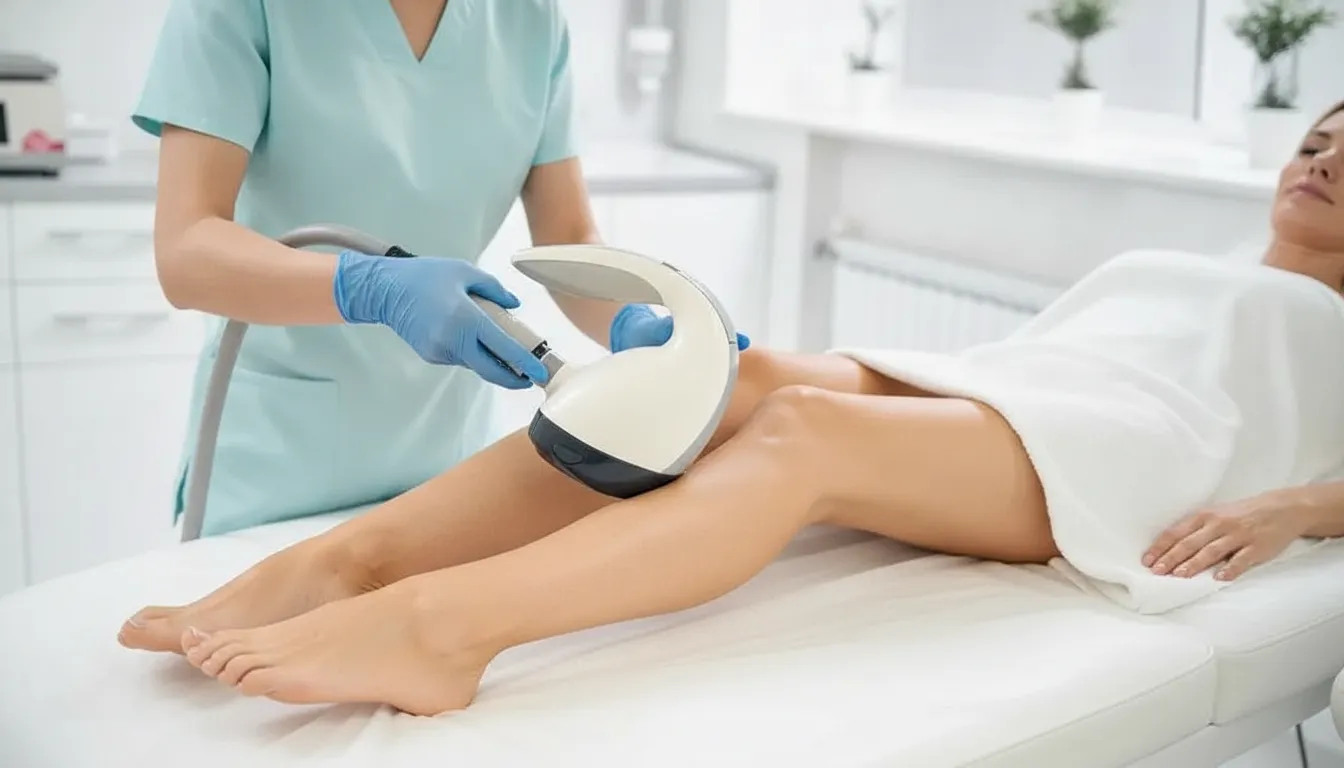
Laser hair removal works by directing light toward pigment in the hair. The energy becomes heat and damages the targeted follicle, which can reduce the amount and thickness of hair that grows back. For people with PCOS-related hirsutism, this can make facial or body hair less noticeable and reduce the need for frequent shaving or other temporary methods.
A 2024 systematic review examined six studies involving 423 patients with PCOS who received laser or other light-based hair-reduction treatments. The review reported improvements in hirsutism severity with Alexandrite laser, along with improvements in some psychological outcomes. It also found that some combined approaches performed better than diode laser alone. However, the authors emphasized that the overall certainty of the evidence was limited, with relatively few studies focused on effectiveness and safety in people with skin of color. Read the PubMed review for the full findings.
Why PCOS can affect long-term results
Laser treatment reduces existing, actively growing hair. It does not correct the hormone changes that can contribute to hirsutism. If androgen activity continues or changes over time, additional follicles may become active and produce new hair. That does not mean the original treatment failed. It means that PCOS-related hair growth can require a longer-term plan than hair growth with no known hormonal influence.
For that reason, a treatment plan should not promise permanent removal or a universal percentage of reduction. Your response depends on factors such as hair color, hair thickness, skin tone, treatment area, laser selection, settings, and hormonal activity. Darker, coarser hair generally provides more pigment for the laser to target, while very light, gray, white, or red hair may respond less effectively.
What to expect from a treatment plan
At Ultimate Image MedSpa, the consultation includes a review of your goals, medical history, medications, skin type, sun exposure, and hair characteristics. The Candela GentleMax Pro platform uses Alexandrite and Nd:YAG wavelengths, allowing treatment settings to be individualized. PCOS-related hair reduction is a cosmetic service, so coordinate with your qualified medical provider for evaluation and management of the underlying hormonal condition. Your plan may include an initial series followed by occasional maintenance, depending on how your hair responds over time.
Who Is a Candidate for Laser Hair Removal for PCOS?
Good candidates typically have unwanted hair with enough pigment for the laser to target and are able to follow individualized safety instructions. A consultation is important because PCOS-related hair growth, skin tone, medications, recent sun exposure, and medical history can all affect whether treatment is appropriate and how it should be planned.
Hair color, thickness, and treatment area
Laser energy targets pigment in the hair, so dark, coarse hair generally responds better than blonde, white, gray, or red hair. Fine hair may also respond differently than thick hair. Common areas include the upper lip, chin, underarms, bikini line, legs, and other facial or body areas. The treatment team can assess the hair and skin together rather than assuming every area will respond in the same way.
Ultimate Image MedSpa uses the Candela GentleMax Pro platform, which combines 755 nm Alexandrite and 1064 nm Nd:YAG wavelengths. Its documented approach includes individualized wavelength selection and adjustable settings for Fitzpatrick skin types I through VI. That does not make treatment risk-free or guarantee a particular result, especially when hair growth is hormonally influenced. You can learn more about the laser hair removal service before scheduling.
Skin, medication, and sun-exposure screening
During intake, disclose your skin type, medical history, current medications and topical products, allergies, previous cosmetic procedures, and any history of unusual healing or pigment changes. The team also needs to know about recent tanning or significant sun exposure, active skin infections. Photosensitizing medications, and other factors that may raise the risk of irritation, burns, or pigment changes. Pregnancy and breastfeeding status should also be discussed.
Follow the clinic’s current instructions about sun avoidance and hair removal before treatment. A consultation may recommend postponing treatment or modifying the plan when the skin is recently tanned, irritated, or otherwise not ready.
Realistic expectations and medical guidance
Laser hair removal reduces visible hair, but it does not diagnose or treat PCOS or correct hormone levels. Hormonal activity may contribute to new growth, so some people need maintenance over time. If facial or body hair has appeared rapidly, become unusually heavy, or occurs with other concerning symptoms, speak with a qualified medical provider. PCOS diagnosis and hormone management belong with a physician or other appropriate clinician, while aesthetic hair reduction can be planned separately and collaboratively.
What Happens During a PCOS Laser Hair Removal Plan?
A PCOS-focused plan begins with an individualized consultation, not a predetermined package. Laser hair removal is a cosmetic hair-reduction service, so it does not diagnose or treat the hormonal condition itself. The goal is to understand your hair-growth pattern, choose appropriate treatment areas, and set expectations that account for possible hormonal regrowth.

Review your goals and medical history
Your provider will discuss the areas that concern you, such as the upper lip, chin, jawline, underarms, bikini line, legs, or other body areas. Share whether you have a PCOS diagnosis, are being evaluated for symptoms, or have noticed recent changes in hair growth. The intake should also cover your medical history, medications and topical products, allergies, prior cosmetic procedures, pregnancy or breastfeeding status, and relevant skin concerns. New or rapidly worsening facial or body hair deserves medical evaluation, since laser treatment does not address the cause of excess growth.
Assess skin tone, hair characteristics, and treatment areas
Hair color, coarseness, density, skin tone, recent sun exposure, and the presence of irritation or infection can affect planning. Ultimate Image MedSpa uses the Candela GentleMax Pro platform, which combines 755nm Alexandrite and 1064nm Nd:YAG wavelengths. The appropriate wavelength and settings are selected during an assessment rather than assumed from a PCOS label. Screening also considers photosensitizing medications, recent procedures, and other factors that may change the safety plan.
Create a realistic session schedule
UIMS generally documents a planning range of 4 to 10 sessions, depending on the area and hair characteristics. Appointments are typically spaced about 4 to 8 weeks apart so the provider can treat hairs during an appropriate growth phase. These are planning guidelines, not a guarantee of a specific number of visits or a fixed result. A smaller area may take about 15 minutes, while a full-leg appointment may take about 60 minutes, depending on the treatment plan.
Review progress and plan maintenance
At follow-up visits, your provider can assess how the treated areas are responding and whether the plan should be adjusted. Hormonal hair growth may mean that new hair appears over time, even after existing hair has been reduced. Occasional maintenance may therefore be part of a longer-term plan. Keep your medical provider involved in PCOS care, and tell the laser provider about meaningful changes in symptoms, medications, or treatment goals.
To learn more about the technology and treatment areas, visit the Ultimate Image laser hair removal service page. When you are ready to discuss your situation, you can book a consultation so the team can review candidacy and next steps with you.
Book your consultation to discuss a PCOS hair-reduction plan
How Should You Prepare and Care for Treated Skin?
Prepare by following the clinic’s instructions for sun exposure, shaving, medications, and skin products. After treatment, protect the area from irritation while it settles. Your exact instructions may depend on your skin type, treatment area, medical history, and the settings selected during your assessment.
Before your appointment
- Avoid sun exposure for two weeks before treatment, unless your provider gives different instructions. Recent tanning can affect how treatment is planned and may increase the risk of unwanted skin changes.
- Shave the treatment area within 24 hours when instructed. Shaving leaves the hair root available for the laser while reducing surface hair that could irritate the skin.
- Arrive with clean skin. Remove lotions, deodorant, makeup, and other products from the treatment area unless the clinic tells you otherwise.
- Tell the provider about prescription medications, over-the-counter medicines, topical products, allergies, recent cosmetic procedures, active skin concerns, and any relevant pregnancy or breastfeeding status. Photosensitizing medications and certain skin conditions can change whether treatment is appropriate or how it should be performed.
After treatment
Temporary redness or swelling can occur and generally subsides within hours. Treat the skin gently, follow the clinic’s current sun-protection and heat-avoidance instructions, and do not wax or pluck between sessions unless your provider specifically advises otherwise. For a fuller checklist, review these laser hair removal aftercare instructions.
When to contact a provider
Contact the treatment provider if a reaction is severe, worsening, or does not settle as expected. Or if you notice blistering, significant pain, signs of infection, or unusual changes in skin color. Ask for guidance before your next session if you develop a new skin condition, start a medication, or experience substantial sun exposure. Careful follow-up helps keep a PCOS-related hair reduction plan individualized and separate from medical care for the underlying hormonal condition.
Laser Hair Removal vs Electrolysis for PCOS
Laser hair removal and electrolysis can both be considered for unwanted hair associated with PCOS. But they work differently and neither treats PCOS or changes the underlying hormone pattern. The better fit depends on the hair’s pigment, the treatment area, your skin, and whether new growth is continuing. A consultation can help you compare realistic reduction and maintenance needs instead of assuming one method is right for everyone.
| Consideration | Laser hair removal | Electrolysis |
|---|---|---|
| Hair color | Usually responds best when the hair contains more pigment, especially dark hair. Blonde, white, gray, and red hair may respond less effectively because there is less suitable pigment to target. | Can be discussed when individual hairs have little usable pigment for a laser approach. The provider should assess the hair and skin rather than promise a result based on color alone. |
| Treatment area | Often suits larger or multiple areas, such as the face, underarms, legs, bikini line, chest, or back, because the device treats many follicles during an appointment. | Targets individual follicles, so it may be more practical for small areas or scattered hairs. Treating a larger area may require more time and a longer overall plan. |
| Treatment approach | Focused light targets pigment in the hair and converts to heat that damages the follicle. Skin tone, hair characteristics, and settings all matter. | A fine probe is used to work with individual follicles. Technique, experience, and the condition of the skin should be reviewed during a consultation. |
| Hormonal regrowth | May reduce existing hair, but hormone-related new growth can affect results and create a need for maintenance. It does not treat the cause of excess hair. | May address individual hairs that are present, but it also does not manage PCOS or prevent future hormone-influenced growth elsewhere. |
Questions to ask before choosing
Ask whether your hair color and skin type are suitable for the proposed method. Which areas should be prioritized, and how the provider will handle new growth between visits. For laser hair removal, ask which technology and settings are appropriate for your skin. At Ultimate Image MedSpa, the Candela GentleMax Pro platform combines Alexandrite and Nd:YAG wavelengths, with treatment planning individualized during assessment. You can review the laser hair removal service before your visit.
Also share your PCOS diagnosis, medications, recent sun exposure, and any changes in hair growth. Continue medical care with a qualified clinician for PCOS and seek evaluation for rapid or unusually heavy new facial or body hair. A cosmetic hair-reduction plan and medical hormone management can be coordinated, but they are not interchangeable.
When Should You See a Medical Provider About PCOS Symptoms?
Short answer: Speak with a qualified medical provider if you have new, rapidly increasing. Or distressing facial or body hair, especially alongside irregular periods, acne, scalp hair thinning, or other hormone-related changes. A medical evaluation can help determine whether polycystic ovary syndrome (PCOS) or another condition is involved.
Signs that deserve medical evaluation
Hirsutism means extra dark or coarse hair growth in a pattern that is unusual for you. It may affect the face, chest, back, or other areas. Because excess androgens, including testosterone, can contribute to this pattern, sudden or heavy new growth should not be treated as only a cosmetic concern. A clinician may evaluate your symptoms and, when appropriate, refer you to an endocrinologist or dermatologist. Mayo Clinic explains when hirsutism warrants medical attention.
Where laser hair reduction fits
Laser hair removal for PCOS can reduce visible unwanted hair, but it does not diagnose PCOS, correct hormone levels, or treat the underlying condition. Hormonal activity may contribute to new growth and change how often maintenance is useful. Medical care and cosmetic care can therefore work alongside one another, but they have different purposes.
At Ultimate Image MedSpa, a consultation can address candidacy questions for aesthetic hair reduction. The team reviews medical history, medications, skin type, sun exposure, and other safety factors before discussing an individualized plan. It cannot replace evaluation by your physician or diagnose a hormone disorder. If you are already receiving PCOS care, share relevant treatment information so your providers can coordinate appropriately.
Frequently Asked Questions
Does laser hair removal work for PCOS-related hair growth?
It can significantly reduce existing dark, coarse hair, but it does not treat the hormonal cause of PCOS-related growth. New hair may continue to develop, so results can require several sessions and occasional maintenance. A 2024 systematic review found benefit from laser and light-based therapies in people with PCOS, although the certainty of evidence was limited. Read the review.
Will insurance pay for laser hair removal if you have PCOS?
Coverage depends on your individual health plan and how the service is classified. Cosmetic laser hair reduction is not automatically covered because unwanted hair is related to PCOS. Contact your insurer before treatment to ask about eligibility, documentation, and any required medical diagnosis or referral. Your provider can explain the consultation process and available treatment plan.
What should someone with PCOS avoid before treatment?
Do not assume treatment is appropriate without a safety screening. Tell your provider about medications, recent procedures, active skin infections, allergies, and recent sun exposure. Your intake should also review skin type and medical history. If hair growth is sudden or unusually heavy, seek medical evaluation rather than relying only on cosmetic treatment. Mayo Clinic discusses hirsutism evaluation.
How many sessions and maintenance treatments might be needed?
Ultimate Image MedSpa generally documents four to 10 sessions spaced about four to eight weeks apart, depending on the treatment area and hair characteristics. Hormonal regrowth can affect the timeline, and occasional follow-up treatments may help maintain reduction. Your consultation is the right time to discuss realistic results, maintenance, and whether the plan fits your skin and hair characteristics.
Ready to Plan Your Next Step?
A consultation can help clarify whether laser hair reduction fits your goals, skin type, hair characteristics, and PCOS-related concerns. You can also discuss realistic expectations, possible regrowth, maintenance, and questions about coordinating cosmetic care with medical support.