Seeing red, blue, or purple lines on your legs can leave you wondering whether laser treatment is appropriate, or whether the veins point to a deeper medical concern. Laser vein treatment for legs may be an option for selected visible surface vessels, but candidacy starts with an assessment rather than a one-size-fits-all treatment plan.
Laser vein treatment for legs uses concentrated light to target some visible surface spider veins and small vessels. Ultimate Image MedSpa uses the Candela GentleYAG laser and describes the treatment as non-invasive, with minimal discomfort and downtime. A consultation helps determine whether the vessels are appropriate for cosmetic laser care and whether medical evaluation should come first.
What Can Laser Vein Treatment for Legs Address?
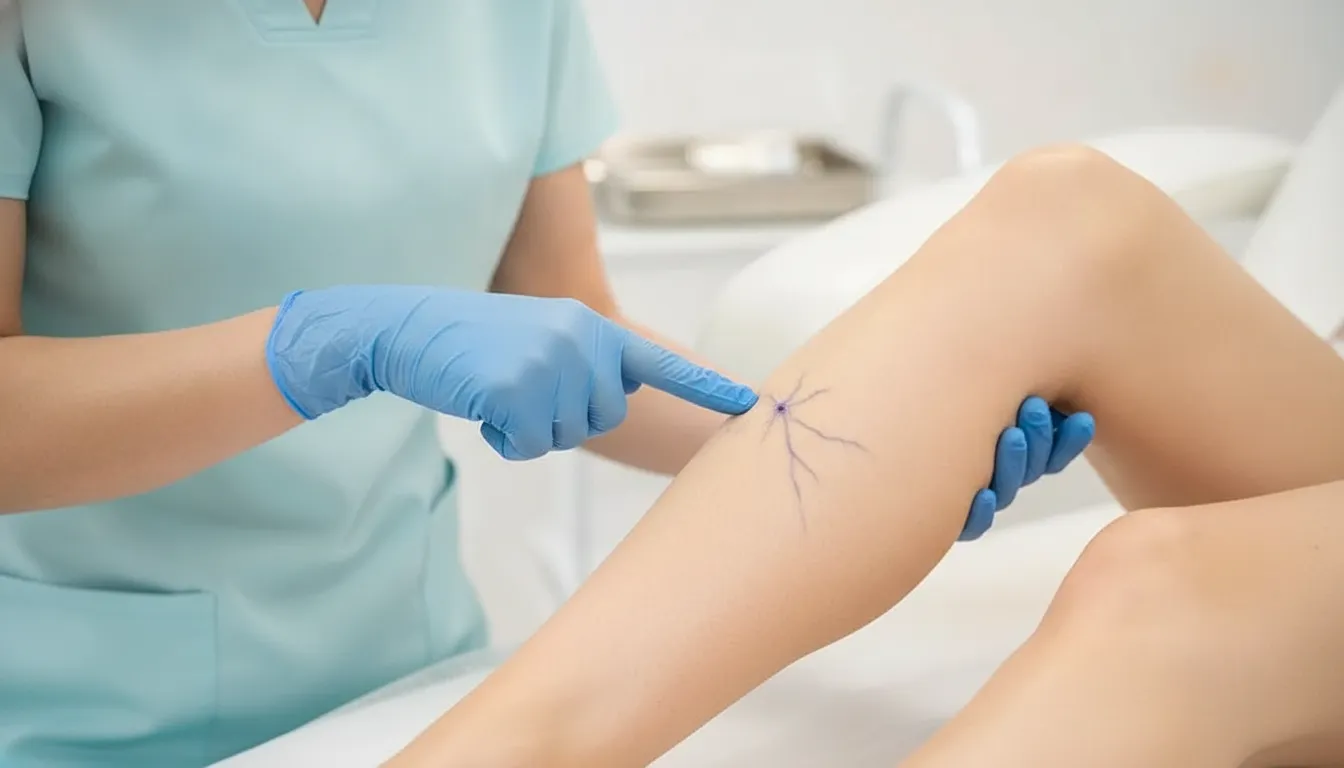
Laser vein treatment is generally considered for visible vessels near the skin’s surface, including spider veins. Spider veins, also called telangiectasias, are small damaged blood vessels that may look red, blue, or purple. They often appear in clusters on the legs and are usually a cosmetic concern. The Cleveland Clinic explains that spider veins are usually harmless, while also noting that they can sometimes occur alongside blood-flow problems.
Ultimate Image MedSpa offers Laser Vein Treatment with the Candela GentleYAG laser for spider veins and visible vessels on the face and body. The service uses light energy directed toward the targeted vessel. That energy converts to heat, which may cause the vessel wall to collapse and gradually fade from view. The response depends on the vessel’s depth, diameter, color, the treatment area, and your skin and medical history.
Cosmetic treatment can improve the appearance of selected surface vessels, but it does not promise that every visible vein will disappear. New spider veins may also develop over time. Your provider can explain the realistic goal for the vessels being assessed and whether another approach may be more appropriate.
Are Spider Veins the Same as Varicose Veins?
No. The terms are sometimes used together in everyday conversation, but they describe different visible concerns. Spider veins are usually small, flat, branching vessels close to the surface of the skin. Varicose veins are larger, enlarged veins that may bulge or become more prominent when you stand. The best treatment depends on what is causing the appearance and whether you have symptoms.
| Concern | Common appearance | Why assessment matters |
|---|---|---|
| Spider veins | Small red, blue, or purple lines in a web or branch pattern | May be a cosmetic concern and may be considered for surface treatment after assessment |
| Varicose veins | Larger, raised, twisted, or prominent veins | May need evaluation for an underlying venous condition and a different treatment plan |
| Possible circulation concern | Visible veins with pain, heaviness, swelling, warmth, skin changes, or sores | Medical evaluation should come before selecting a cosmetic service |
Spider veins are not technically true veins. They are small blood vessels, but the familiar name helps describe how they look. They can exist without symptoms, yet they may also appear with varicose veins or chronic venous insufficiency. The Mayo Clinic notes that a leg examination and, when appropriate, a venous Doppler ultrasound can help a healthcare professional assess blood flow and look for a clot.
When Should Medical Evaluation Come First?
A cosmetic laser consultation is not a substitute for medical diagnosis. Seek medical evaluation before choosing surface laser treatment if a vein or leg symptom is new, changing quickly, painful, warm, swollen, or associated with skin breakdown. These signs do not establish a diagnosis by themselves, but they deserve attention from a qualified healthcare professional.
- Persistent pain, burning, cramping, or itching in the leg.
- Legs that feel unusually tired or heavy, especially after standing.
- Swelling in the foot, ankle, or leg.
- Warmth, tenderness, or a blood vessel that appears inflamed.
- Skin color or texture changes, a rash, or an ulcer.
- A vein that changes rapidly or begins bleeding.
These symptoms can occur with conditions affecting circulation. A medical evaluation may include a physical examination while you are standing and questions about when symptoms began, what makes them better or worse, and your personal or family history. A venous Doppler ultrasound may be used when a clinician needs to assess blood flow through the valves in the leg veins.
This distinction is especially important because treating the visible surface vessels does not correct an underlying venous problem. If a deeper issue is suspected, that issue should be evaluated and addressed through appropriate medical care before cosmetic treatment is considered.
Book a consultation to discuss your visible leg veins.
Is Laser Vein Treatment the Same as EVLT?
No. Surface laser treatment and endovenous laser treatment, often called EVLT or endovenous laser ablation, are different procedures with different purposes.
Surface laser treatment directs light through the skin toward selected visible vessels. It is used in a cosmetic treatment context for certain superficial spider veins and small vessels. At Ultimate Image MedSpa, the relevant service uses the Candela GentleYAG laser and is planned after an individual assessment.
EVLT places a laser fiber inside an affected vein to treat certain larger veins associated with chronic venous disease. The NCBI Bookshelf overview of endovenous laser therapy describes it as a minimally invasive treatment for selected varicose veins, generally after medical evaluation and consideration of conservative care. It is not the same as an external laser treatment for the appearance of small surface vessels.
Because the procedures are not interchangeable, use precise language when describing your concern. If you have discomfort, swelling, warmth, or other changes, tell your healthcare professional. If your concern is limited to small visible vessels without concerning symptoms, a cosmetic provider can discuss whether surface treatment is appropriate.
How Does GentleYAG Laser Treatment Work?
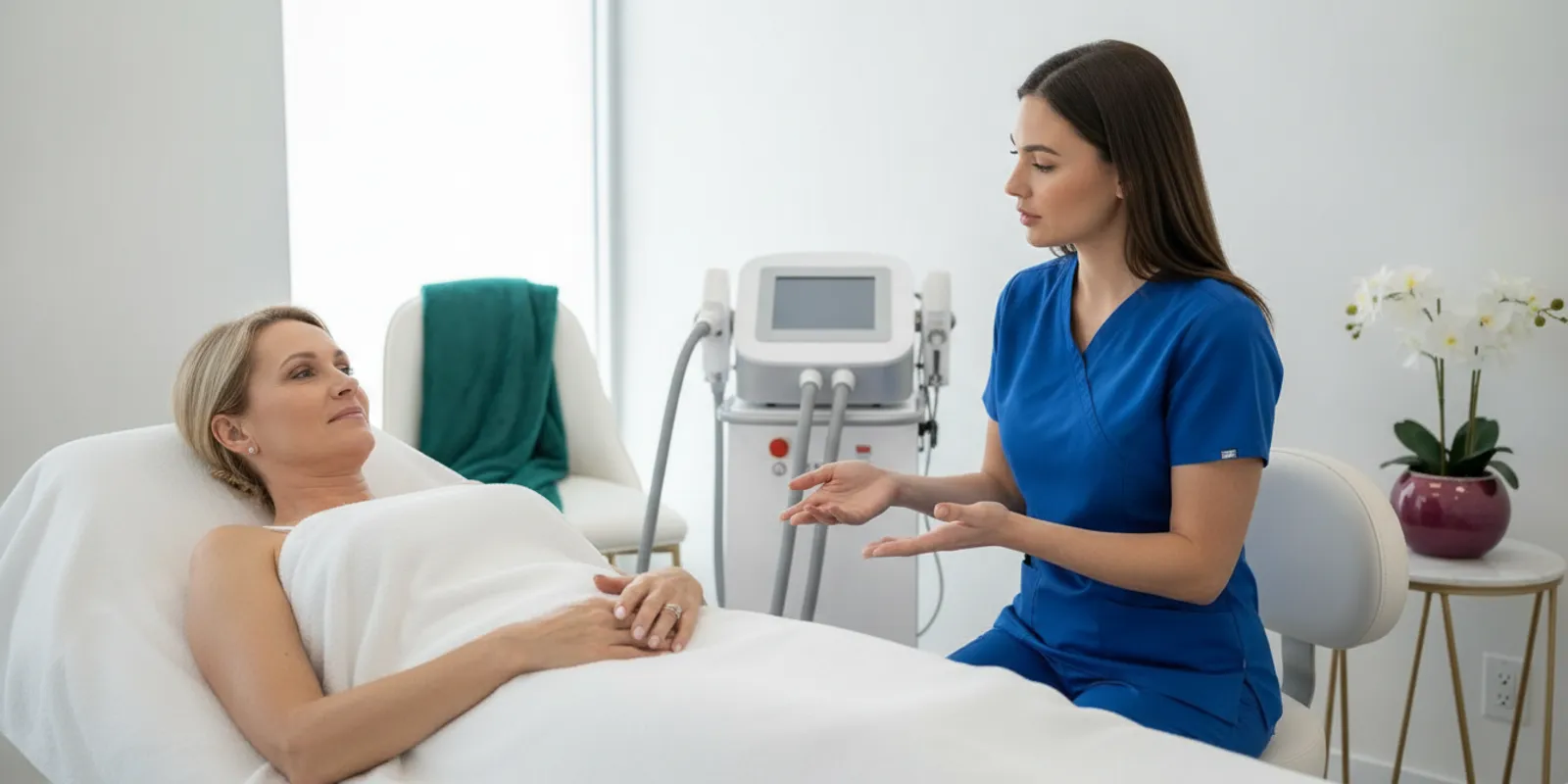
During a consultation, a licensed provider reviews the appearance of the vessels and asks about your health history, medications, allergies, prior procedures, skin type, recent sun exposure, and any factors that may affect treatment. This screening helps determine whether cosmetic laser care is a reasonable option and how the treatment should be approached.
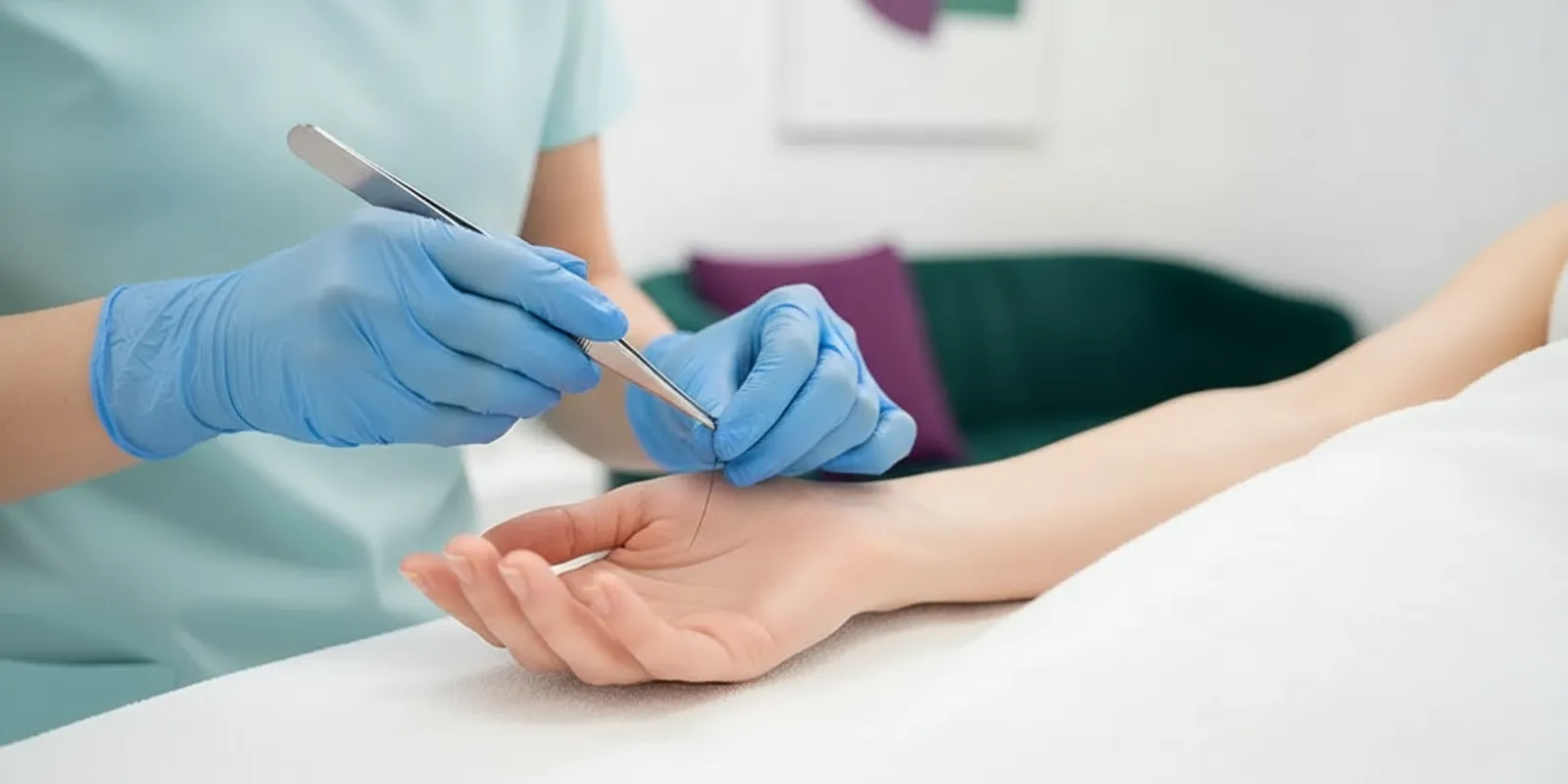
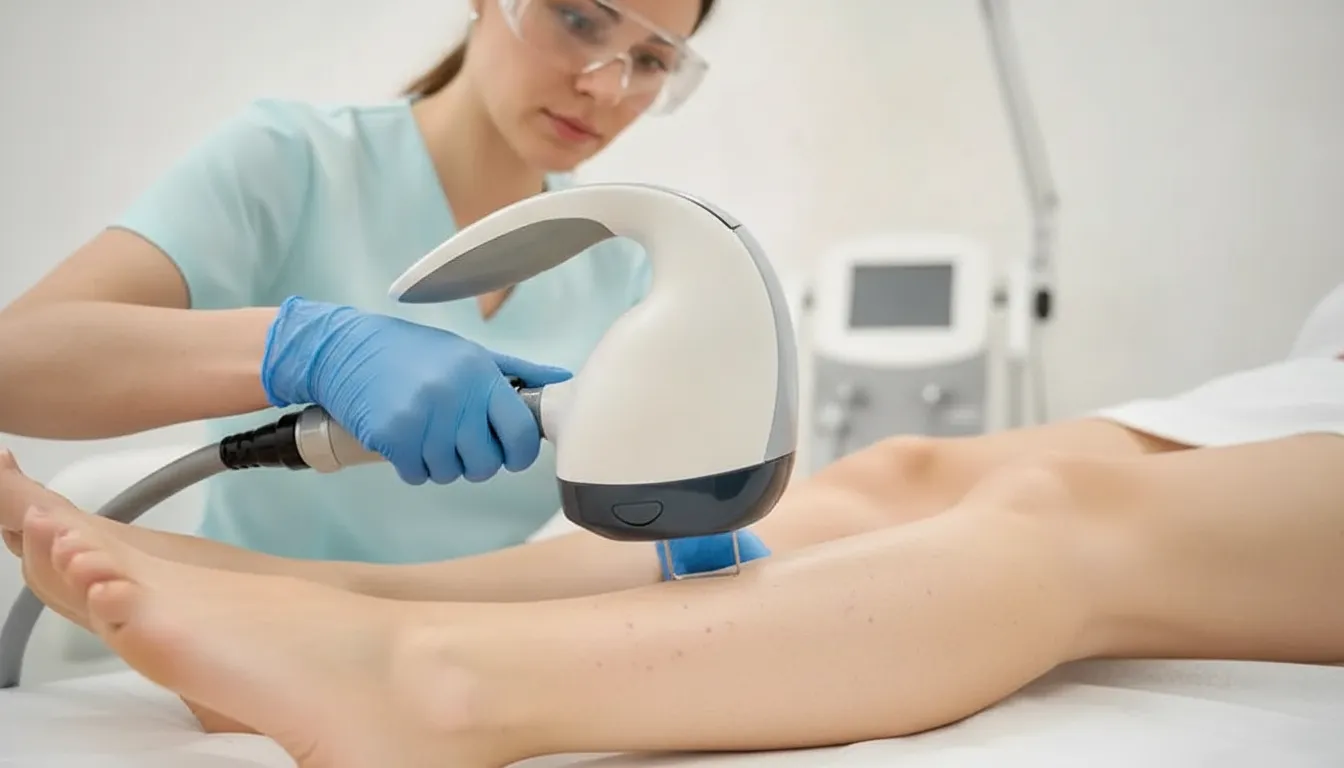
For treatment, the laser delivers concentrated light to the selected vessel. The light energy becomes thermal energy in the target area, which may cause the vessel wall to collapse. The body then gradually processes the treated vessel. The laser is directed at the visible vessel, not used to diagnose what is causing leg symptoms.
Comfort varies. Ultimate Image MedSpa describes the service as generally involving minimal discomfort and minimal downtime, but individual experiences can differ. Protective eyewear and the provider’s safety protocol are part of responsible laser care. You can read the practice’s laser vein treatment process before your consultation.
What factors can affect candidacy?
Candidacy is individual. The provider may consider:
- Whether the vessels are small, visible, and near the skin’s surface.
- The color, diameter, depth, and pattern of the vessels.
- The size and location of the treatment area.
- Your skin type and how your skin may respond to laser energy.
- Current and recent medications, including medications that affect photosensitivity or bleeding.
- Recent sun exposure, active skin infection, recent procedures, and other health factors.
- Whether your symptoms suggest a need for medical evaluation instead.
Share complete information during intake. If you take a prescribed blood thinner or another medication, do not stop it on your own. Ask the clinician who manages your care and the treating provider how it should be handled.
How Many Sessions Might You Need?
Ultimate Image MedSpa describes an average plan of three to five sessions for laser vein treatment, with visits commonly spaced four to six weeks apart. This is a planning range, not a guarantee or a prescription for every person. Your provider may recommend a different plan based on the vessels being treated and how the area responds.
Multiple sessions may be considered because vessels vary in size, depth, and color, and because visible improvement develops over time. A first treatment may provide some reduction, while additional visits may be discussed after the area has been reassessed. The right decision is based on your response and the provider’s clinical judgment, not on a fixed promise of a specific result.
If your goal is to understand the appointment sequence, recovery, compression questions, and how results may change over time, review the existing laser vein treatment for legs guide. That article covers the what-to-expect intent, while this guide focuses on candidacy and safe distinction between surface vessels and deeper venous disease.
What Is Recovery Like?
Recovery depends on the treatment area, vessel pattern, and your individual response. Ultimate Image MedSpa notes that mild redness or swelling may occur and generally subsides within hours. Your provider will give instructions for skin care, sun exposure, activity, and any follow-up needed for your treatment plan.
There is no universal compression-stocking rule for every cosmetic surface-vessel treatment. Depending on your procedure and medical history, a clinician may recommend compression for a specific period, or may not recommend it. Do not copy another person’s instructions. Ask what is appropriate for you, including whether compression is needed, what level is intended, and how long to use it.
Contact your provider about unexpected or worsening symptoms. Significant pain, marked swelling, warmth, skin breakdown, or another concerning change should not be dismissed as routine recovery. When in doubt, seek medical guidance promptly.

How Much Does Laser Vein Treatment for Legs Cost?
Laser vein treatment pricing is consultation-based at Ultimate Image MedSpa. The cost depends on the treatment area and vessel complexity, so publishing a generic number would not accurately represent every plan. During a consultation, the provider can evaluate the visible vessels, discuss whether treatment is appropriate, explain the expected number of visits, and review the cost for the recommended plan.
Ask what areas are included, whether the plan is a single session or a series, what follow-up involves, and which aftercare instructions apply. If you are asking about insurance, remember that coverage can depend on whether care is considered cosmetic or medically necessary. The insurer and healthcare professional can explain how those rules apply to your situation.
Book your consultation for a personalized treatment plan.
Frequently Asked Questions
Is laser vein treatment for legs painful?
Comfort varies by person, vessel pattern, and treatment area. Ultimate Image MedSpa describes GentleYAG laser vein treatment as generally involving minimal discomfort. Your provider can explain what sensations to expect and which comfort measures are appropriate for your plan.
Can laser treatment remove all visible veins?
No treatment can responsibly promise that every visible vein will disappear. The response depends on the vessels being treated and your individual skin and medical factors. New spider veins may form over time, so your provider should set realistic expectations during consultation.
Is treatment safe for every skin type?
Ultimate Image MedSpa describes its laser services as suitable for all skin types when appropriate assessment and safety screening support treatment. Laser settings and precautions should be individualized. Tell your provider about your skin history, recent sun exposure, medications, and any prior reactions to treatment.
Should I choose laser treatment if my leg is swollen?
Do not assume swelling is only a cosmetic issue. Swelling, warmth, pain, heaviness, skin changes, or a rapidly changing vein should be evaluated by a healthcare professional before cosmetic treatment. Surface laser treatment is not a substitute for evaluation of an underlying circulation concern.
What should I bring to a consultation?
Be ready to describe your goals, when you noticed the vessels, and any symptoms. Bring an accurate list of medications, supplements, allergies, relevant medical conditions, recent procedures, and changes in sun exposure. Do not stop prescribed medication before an appointment unless the clinician managing your care instructs you to do so.
If you are considering laser vein treatment for legs for visible spider veins, a consultation is the best way to clarify candidacy, distinguish cosmetic surface vessels from concerns needing medical evaluation, and build a plan around your goals.