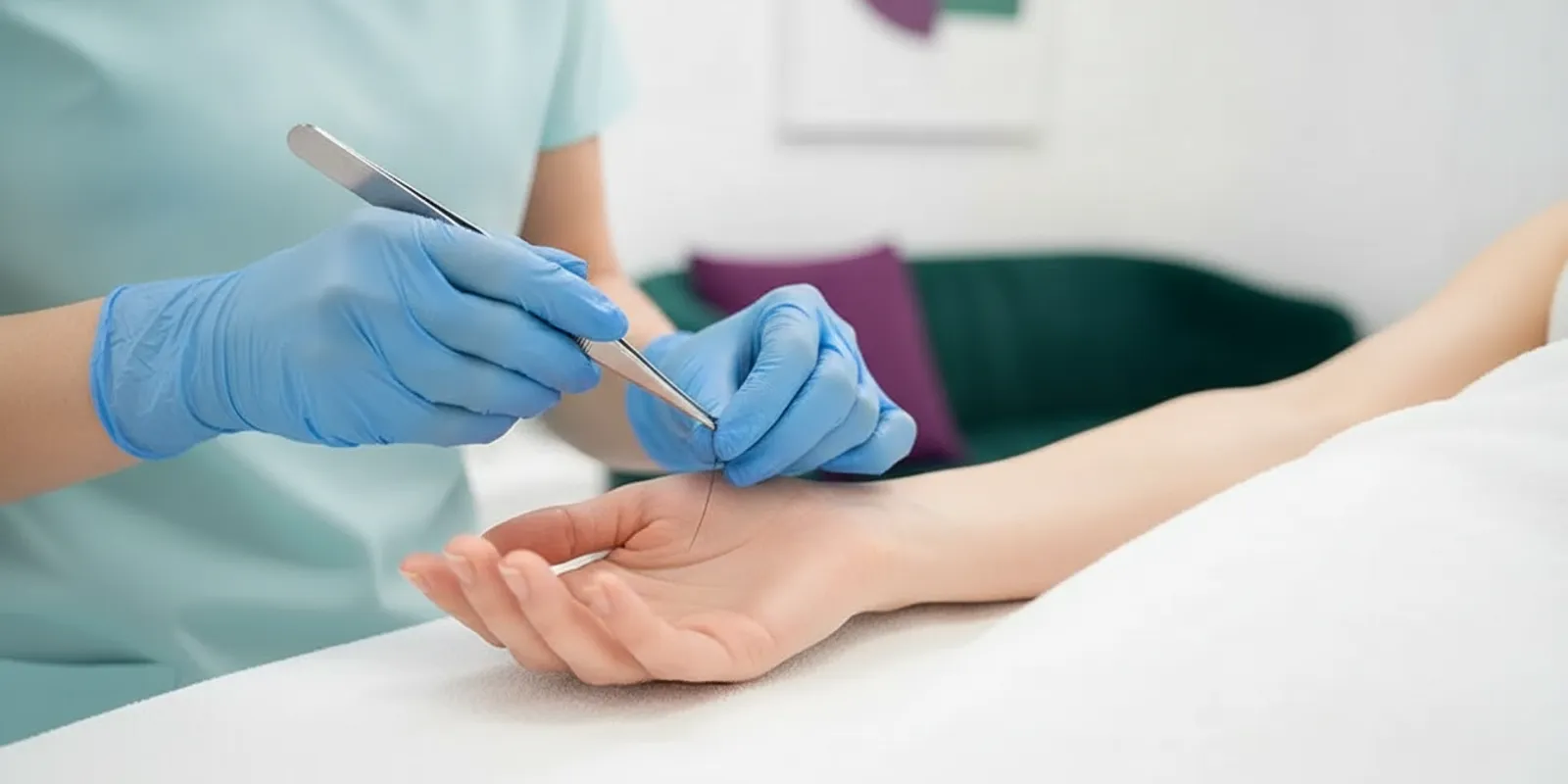

Microneedling recovery is easier to plan when you understand what may happen afterward, leave room for individual differences, and know which instructions apply to your treatment. SkinPen Microneedling is a professional service listed by Ultimate Image MedSpa, but the right plan and expected response depend on an individual assessment. Before choosing a date, discuss your goals, health history, skincare routine, and upcoming commitments with a qualified provider.
What does microneedling recovery involve?
Microneedling uses a device with fine needles to create controlled openings in the skin. Afterward, the treated area may look or feel different temporarily. Some people notice redness, sensitivity, tightness, dryness, or a feeling similar to mild sun exposure. These are possible responses, not a forecast for any one person. The provider should explain what may be expected for the approach being discussed and what changes should prompt a call.
There is no single recovery schedule that fits every person or treatment plan. The area treated, the approach selected, your skin, and your personal health context can affect the experience. Avoid relying on a precise timeline from a friend or an online post. Ask for written instructions and guidance about how to reach the practice if a question comes up.
Planning means more than deciding when you can return to work. Consider whether visible redness or sensitivity would bother you during meetings, exercise, travel, or a special event. You can then discuss a date and an appropriate buffer with the provider instead of assuming that your skin will look a particular way by a certain day.
How can you choose a date that leaves enough flexibility?
Start with your calendar and discuss it during consultation. If you have a wedding, work presentation, photo session, trip, or other event, share the date before scheduling. A provider can explain how the proposed treatment may affect your plans, but cannot promise an exact return-to-normal date. If an event is important, consider choosing a different time rather than relying on a narrow recovery window.
- Map the days around the appointment. Note work obligations, public-facing activities, outdoor plans, exercise, and travel. Identify which commitments could be moved if your skin needs extra attention.
- Allow a personal buffer. Ask how much flexibility the provider recommends for your plan. Treat the answer as individualized guidance, not a guarantee that every visible change will be gone by a fixed point.
- Think about practical support. If you have a busy day immediately after the appointment, ask whether you should arrange a lighter schedule. Confirm what you should do if discomfort or a concern affects your plans.
- Check the calendar again before treatment. If you become unwell, develop a new skin concern, or have a change in your health, contact the practice before proceeding.
For example, someone with a major event on Friday should not assume that a treatment earlier that week will be invisible by the event. The useful question is not simply, “How many days does recovery take?” Ask what temporary changes are possible with the proposed plan, whether the event timing is sensible, and how much margin is prudent for your own situation.
To understand what the practice lists, review its SkinPen Microneedling information and broader service menu. Those pages are starting points for questions, not a substitute for advice tailored to you.

Which personal details should you discuss first?
Share information that could matter to treatment planning before the appointment, not only after it. Mention current skin concerns in or near the treatment area, past irritation or sensitivity, recent procedures, recent sun exposure, allergies, medicines, supplements, and relevant health history. Do not stop a prescribed medicine on your own. If a medicine or health issue raises a question, ask the clinician who manages it and the treatment provider how to proceed.
Talk through your routine product by product. Include cleansers, moisturizers, sunscreen, exfoliants, and products with active ingredients. Do not guess which products to pause, when to restart them, or whether something marketed for post-treatment care is suitable. Ask for directions that reflect the specific procedure and your skin. If guidance from another clinician differs, clarify the plan with both clinicians before making a change.
It is also reasonable to ask whether a new concern means you should wait. A provider may recommend postponing or seeking another clinician’s input based on what you share. A consultation should leave you with a clear understanding of what is proposed, why it may fit your concern, and what alternatives or limits should be considered.
Discuss your recovery questions
How can you organize aftercare before you leave?
Keep the plan simple and follow the instructions given for your treatment. Before leaving, make sure you know what to do at home, what to avoid, and whom to contact if you have a concern. Written instructions help when you are managing several details or do not remember every part of a conversation.
- Repeat the first steps back. Ask the provider to explain what to do during the initial period after treatment, including any cleansing or product directions. Confirm when and how to follow them.
- Ask about products and activities. Get specific guidance on makeup, skincare products, exercise, heat, outdoor exposure, and any other activity relevant to your routine. Do not assume that instructions for a different procedure also apply.
- Prepare only what is recommended. Have the advised basics ready, if needed. Avoid introducing new products simply because they are promoted for sensitive or post-treatment skin.
- Keep the area undisturbed. Follow directions for handling the treated skin. Avoid rubbing, picking, or scrubbing unless your provider specifically tells you otherwise.
- Save contact details and warning guidance. Know how to contact the practice, what response is expected, and which symptoms call for prompt medical attention.
- Write down questions as they arise. If an instruction is unclear at home, use the contact route provided rather than improvising a routine from a general article.
Sun exposure deserves a direct conversation, especially if your work or recreation keeps you outside. Ask how to protect the treated area and when outdoor activities are appropriate for your plan. Do not assume that applying sunscreen makes every activity suitable immediately after a procedure. Follow the provider’s specific directions.
Procedures can have different aftercare needs. Instructions for a VI Peel or a HydraFacial should not automatically be used for microneedling. Ask for directions for the treatment you actually receive.
What can you do before appointment day?
A little preparation can make it easier to follow instructions without turning recovery into a complicated project. Use the consultation to confirm what you should do before treatment, rather than borrowing a checklist written for a different device or procedure. If a step is optional or unclear, ask whether it applies to your plan.
- Make a current routine list. Write down products you use regularly and bring the list or product names to the consultation. Include occasional exfoliants and anything you recently started, since an incomplete list can make it harder to give relevant guidance.
- Keep a record of changes. Note recent procedures, skin irritation, or changes in medicines and health. If the information changes between consultation and appointment, update the provider.
- Set up your calendar. Protect time for the appointment and avoid stacking it with commitments that would make it difficult to follow the care directions. Ask what activities to plan around rather than deciding from a generic timeline.
- Confirm how follow-up works. Save the contact information and ask when the practice is available to answer a question. If you have an urgent health concern, know that you should seek medical care rather than waiting for a routine response.
For example, if you use several active skincare products and have a weekend outdoors planned, bring both details into the conversation. Ask which products, if any, need a temporary adjustment and whether your plans affect appointment timing. You do not need to make those decisions alone or stop a product without instructions. Getting answers in advance is more practical than trying to reconstruct your routine after the appointment.
How can you make a useful follow-up plan?
Before leaving, make sure you can distinguish routine questions from concerns that need prompt attention. Ask the provider to explain the symptoms they expect, how to reach the practice, and when to seek medical care. This discussion should be specific to the treatment, not a promise that a certain response will happen.
It may help to save the written aftercare instructions in a place you can find easily and note any steps with timing attached. If you live with someone who may help you, share the instructions with them, while keeping your own provider’s contact details available. Do not rely on a social media post or another person’s experience to decide whether a change is normal for you.
If a concern arises, describe what you notice, when it began, and whether it is changing. Follow the provider’s advice about next steps. When the symptoms feel severe or urgent, seek prompt medical care. Clear communication and a record of the directions you received can make follow-up more straightforward.
How do other skin services compare for recovery planning?
A comparison helps you prepare questions, but it does not establish which treatment is right for you. Services have different purposes and procedures, and their planning requirements may differ. The provider should explain the option being considered, its own aftercare, and whether it is appropriate to your goals and circumstances.
| Planning point | SkinPen Microneedling | Another professional skin service |
|---|---|---|
| What to understand | How the proposed treatment is tailored and what temporary changes may occur | How that service works and what it is intended to address |
| Aftercare | Ask which products, activities, and skin-care steps apply to your plan | Request separate, service-specific instructions |
| Scheduling | Discuss events and leave flexibility for your individual response | Ask about timing for that service rather than reusing another timeline |
| Plan and cost | Request consultation-based details for the proposed plan | Ask what assessment and costs apply to the option under discussion |
| Follow-up | Clarify who to contact and what symptoms warrant follow-up | Confirm the follow-up process for that particular service |
For a broader framework for evaluating professional care, read the practice’s guide to choosing a DFW MedSpa. If you are comparing types of skin services, information about eMatrix skin resurfacing or skin tightening options can help you form questions. They are different services, not interchangeable recovery instructions.
What should you ask during a consultation?
A consultation is the time to understand the proposed treatment before deciding. Bring your calendar, a list of products and medicines, and a concise description of your goals. Tell the provider what temporary visible changes you would find difficult to manage and which dates matter to you.
- What will you assess before recommending SkinPen Microneedling for my concern?
- What temporary changes could occur with the plan you are proposing, and what should lead me to contact you?
- What written aftercare instructions will I receive, and how can I ask a follow-up question?
- Which products or activities should I pause, and when may I resume them?
- How should I plan around work, exercise, outdoor exposure, and an upcoming event?
- Is there a reason to wait or consider a different approach based on my health history or current skin?
- How will you decide whether additional visits are appropriate? The final number of sessions varies by person and should not be promised in advance.
- What is the consultation-based cost for the plan you recommend?
It can help to write down the answers in your own words before leaving. For instance, note which steps are for the same day, which activities need to wait, and who to contact if your skin changes in a way you did not expect. If the plan is not clear, ask for clarification before treatment rather than trying to resolve uncertainty afterward.
If your main concern is acne scarring, you may also review the practice’s SkinPen guide to acne scars and bring any questions to consultation. That educational information does not establish your candidacy or predict a personal result.

How should you compare recovery expectations with cost and visit plans?
Cost and the number of visits are reasonable consultation topics, but they should be considered alongside the proposed care and recovery planning. Do not compare plans by visit count alone. Ask what each visit would involve, what follow-up is included or recommended, and what assumptions the plan makes about your skin and goals. The appropriate number of sessions varies by person.
Ask for the cost of the plan being recommended rather than relying on a price from a different service, an old offer, or another person’s experience. The microneedling cost guide can help you identify questions to raise, while the provider can explain consultation-based details for your circumstances. No price or treatment schedule should be treated as a personal recommendation without assessment.
Compare the information consistently. For each option, write down the goal, what the service involves, expected aftercare, likely scheduling considerations, and the cost details provided. If one plan leaves important questions unanswered, ask for clarification rather than choosing solely because it appears simpler or faster.
When should you wait or seek medical advice?
Before treatment, tell the provider if you are unwell, have a current skin concern, or notice a change in your health. The provider can discuss whether to proceed, postpone, or seek input from another clinician. If something changes after you book, contact the practice before the appointment. This is more useful than trying to decide from a generic checklist whether a particular issue is safe to ignore.
After treatment, contact the provider if symptoms concern you, worsen, or do not match the directions you received. For severe symptoms or an urgent health concern, seek prompt medical care. An article cannot assess your skin or determine the cause of a symptom, and it is not a substitute for medical advice.
For independent general information about skin health, the American Academy of Dermatology provides patient-facing resources. Use general education as background, and ask a qualified clinician about symptoms or decisions specific to you.
Frequently asked questions
How long does microneedling recovery take?
There is no single timeline that applies to everyone. Ask the provider what may occur with your proposed plan, how to arrange your schedule, and when to contact the practice about symptoms.
Can I schedule microneedling just before an event?
Discuss the event date before scheduling. Individual responses differ, so avoid relying on a guaranteed return-to-normal date or booking immediately before an occasion when visible skin changes would be difficult.
Can I use my regular skincare products afterward?
Ask for personal instructions about your routine, including when to restart active ingredients. Do not assume that a product you usually tolerate is suitable immediately after treatment.
How many appointments will I need?
The plan depends on individual assessment and goals. The final number of sessions varies by person; no fixed number or outcome can be guaranteed.
What if I am unsure whether a symptom is expected?
Use the contact instructions provided by the practice and explain what you are experiencing. Seek prompt medical care for severe symptoms or an urgent health concern.
Thoughtful microneedling recovery planning starts with an individual conversation, written aftercare guidance, and enough flexibility to respond to your own needs.