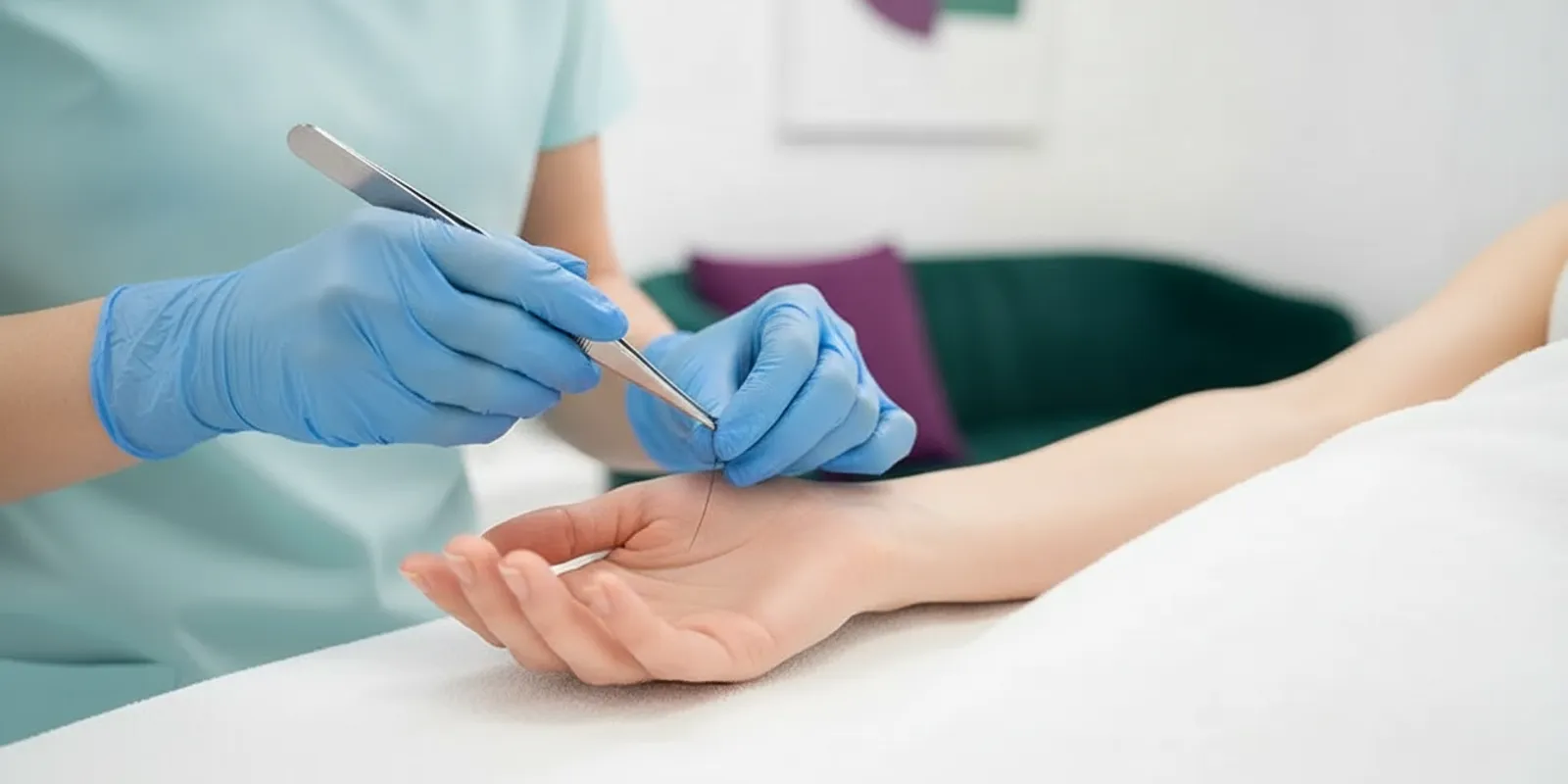

Microneedling preparation begins well before the appointment: share your skin and health history, understand the instructions that apply to you, and leave room in your schedule for recovery. If you are considering SkinPen Microneedling, a consultation can help determine whether the treatment fits your goals and how to prepare. General guidance cannot replace individualized advice from your treatment professional.
What should you discuss before microneedling?
Begin with your reason for considering treatment. Describe what you hope to address, what change would feel meaningful, and whether you have tried other approaches. Bring questions as well as expectations. The provider can explain what the treatment may and may not address, whether another approach deserves consideration, and what a realistic plan could involve.
Prepare a complete list of skincare products and treatments. Include prescription products, over-the-counter exfoliants, recent procedures, and anything you apply regularly. Also mention medications, allergies, relevant health history, irritation, sunburn, active skin concerns, medication changes, or anything that might affect healing. If you are uncertain whether a detail matters, mention it rather than deciding on your own that it is irrelevant.
Do not stop a prescribed medicine or product unless the clinician responsible for it advises you to do so. If guidance from different professionals seems to conflict, ask them how to proceed before changing your routine. Review the practice’s SkinPen Microneedling information and use the consultation to clarify details that apply to your own skin.
How is candidacy assessed?
There is no universal checklist that confirms candidacy without an assessment. A treatment professional should consider your skin, goals, and relevant history. Be candid about recent procedures, irritation, infection, medications, allergies, and any condition that could affect healing. If treatment is not appropriate at the moment, postponing or gathering more information may be the sensible next step.
For example, if your skin becomes irritated shortly before your appointment, tell the provider rather than waiting until you arrive. The professional can decide whether to assess the area, change the timing, or request more information. Likewise, report a new medicine or a recent skin procedure even if you already discussed your history at an earlier visit. Your circumstances can change between consultation and treatment day.
Ask what the evaluation includes and which findings could change the recommendation. You should understand the reason behind the proposed plan, its limitations, and alternatives that may fit your circumstances. You are not expected to diagnose yourself or decide whether a concern is safe to treat. The consultation is the opportunity to put the relevant details together with a trained professional.
What can you do in the days before an appointment?
Follow the instructions provided for your specific visit. Products, skin conditions, and treatment plans differ, so a generic online schedule may not fit. Ask whether you should pause exfoliating or potentially irritating products and when you may resume them. Keep your routine simple if instructed, and avoid adding a new active product just before treatment.
- Confirm the date, location, and whether the appointment is a consultation, treatment, or both.
- Prepare an up-to-date list of medicines, skincare products, and recent procedures.
- Tell the provider about recent sun exposure, irritation, or changes in your health or routine.
- Ask what to do about shaving, waxing, exfoliation, and prescribed products.
- Request written instructions so you can refer to them at home.
Do not scrub, wax, shave, or otherwise alter the treatment area unless the practice has advised you to do so. If you are unsure about a product or medicine, contact the provider before making a change. A brief clarification can prevent confusion on appointment day.
One practical way to prepare is to make a simple timeline. Write down when you last used exfoliating products, when you had any recent skin treatment, and when you noticed a new concern. This is not a substitute for clinical instructions; it helps you report the sequence accurately. Bring the product containers or clear photographs of their labels if you are not sure of the names or ingredients.

How should you plan your appointment day?
Before leaving home, review the instructions you received and bring your product and medication list. Arrive with enough time to ask a final question instead of feeling rushed. Tell the professional if anything has changed since the consultation, including new irritation, illness, medicine, or a recent skin treatment.
Ask what the appointment will involve, what sensations may occur, and what steps are taken to prepare the skin. Confirm whether the visit is an assessment, a treatment, or both. That distinction matters when arranging transportation, work, or other commitments. It also helps avoid assuming that every first visit follows the same format.
If you have concerns about comfort, say so before treatment begins. Ask what options are available and what you can do if you feel uncomfortable. You should feel able to pause and ask for an explanation. Understanding the process is part of making an informed decision, not an inconvenience.
Before proceeding, make sure you understand the consent information and have had a chance to ask questions. If a term or instruction is unfamiliar, ask for a plain-language explanation. You can also request a moment to review the plan rather than feeling pressed to decide while the appointment is moving forward. A clear conversation helps you know what is planned and what remains uncertain.
How can you plan around recovery?
Set aside time to follow the aftercare instructions and let your skin settle. Temporary changes and their duration can vary by person and plan. Ask what appearance or sensations may be expected, which activities or products to avoid, how to care for the area, and what symptoms should prompt a call. Do not assume that another person’s experience predicts yours.
Think through your calendar before choosing a date. If you have a presentation, celebration, travel, or photography session coming up, ask whether the timing leaves adequate flexibility. You may prefer not to schedule immediately before an event if temporary visible changes would concern you. This is a practical scheduling choice, not a prediction about exactly how your skin will look.
Plan your home routine around the instructions you actually receive. Have recommended gentle care items available, but do not buy or apply products based on a generic list if the provider has not approved them for you. Follow guidance on cleansing, sun protection, makeup, exercise, and resuming active ingredients. If the directions are unclear once you are home, ask before improvising.
It can help to arrange a low-demand period after the visit, especially if your schedule is usually full. Review the aftercare directions when you are calm, note any timing instructions, and keep the practice’s contact information accessible. If you have questions later, describe what you notice and when it began rather than relying only on a vague impression. That makes it easier for the professional to understand your concern and advise you on the appropriate next step.

What should you expect from results and treatment timing?
Microneedling is not a one-size-fits-all plan, and no result or number of visits should be promised. The provider can discuss realistic expectations after assessing your skin and hearing your goals. Recommendations about spacing or repeat visits should be individualized. Ask how progress will be reviewed and when it makes sense to revisit the plan.
Define what you want to evaluate before treatment. Are you hoping for a change in a particular concern, or trying to understand whether treatment fits a broader skincare plan? A specific, realistic goal makes it easier to ask useful questions and discuss what a meaningful assessment would involve. It also helps you avoid judging a plan solely by the number of visits.
Ask what factors may limit the result, how long the professional recommends waiting before evaluating progress, and what might lead to adjusting the plan. Do not treat a general timeline or another person’s photographs as a personal forecast. Your response and recommendations may differ based on your circumstances. If the plan changes after an assessment, ask what new information shaped that change.
How can you compare preparation needs?
Different professional skin treatments have their own assessment, preparation, and recovery instructions. This table is a question-planning tool, not a clinical comparison or a recommendation. A provider can explain what applies to you and whether another approach is worth discussing.
| Planning point | SkinPen Microneedling | Another professional skin treatment |
|---|---|---|
| Before choosing | Discuss goals, skin history, products, and candidacy. | Ask about its own candidacy and whether it addresses your goal. |
| Preparation | Follow instructions tailored to your skin and treatment plan. | Request procedure-specific directions rather than reusing another treatment’s checklist. |
| Recovery | Ask about aftercare, temporary changes, and when to seek guidance. | Clarify expected recovery and how to contact the provider. |
| Timing and cost | Discuss recommended timing and consultation-based pricing. | Request an individualized plan and pricing details before deciding. |
When comparing options, look beyond a short label such as “minimal downtime.” Ask what that phrase means for your routine, which instructions you would need to follow, and what uncertainty remains. Different treatments should not be assumed interchangeable just because both are intended to improve skin appearance. Compare the steps you would need to take before and after each option, not only the name of the procedure.
What questions can make the consultation more useful?
A prepared list can keep the conversation focused. Choose questions that address your situation, and ask for plain-language explanations when an answer is unclear:
- Based on my skin and goals, am I a suitable candidate now?
- Which products, medicines, recent treatments, or health details should I disclose?
- What preparation instructions apply specifically to me, and when do they begin?
- What changes might I notice afterward, and how should I care for my skin?
- Which activities or products should I avoid, and when can I resume them?
- What symptoms or concerns should prompt me to contact the practice?
- How will we assess progress, and when should we discuss the next step?
- What is included in the proposed plan, and what is the consultation-based cost?
You can ask for the plan in writing so you do not have to rely on memory. If it includes several steps, repeat back your understanding: what to do beforehand, what to expect at the visit, and whom to contact afterward. A useful note might have three headings: before the visit, appointment day, and aftercare. Fill each in with the provider’s actual instructions, not assumptions copied from another person’s experience.
It is also reasonable to ask what the plan does not include. Clarify whether the visit includes an assessment or treatment, whether a follow-up discussion is recommended, and how questions are handled afterward. If the estimated timeline or plan feels difficult to fit into your life, say so. A conversation about practical constraints can help you decide whether the timing is workable.
For service details, read about SkinPen Microneedling and review the current services menu. The practice website also provides general information. These pages can help you prepare topics, but they cannot assess your individual skin or replace a consultation.
How should you decide whether to proceed?
Take time to weigh the treatment’s purpose, preparation, recovery, uncertainty, and cost. You can ask for time to consider a recommendation rather than deciding during the appointment. If the proposed plan does not address your main concern, ask what other options or timing may be appropriate. The goal is an informed choice, not a commitment to a particular number of visits.
For a general overview of device clearance, the U.S. Food and Drug Administration explains that cleared microneedling devices have specific indications and labeling. Read the agency’s microneedling devices overview, then discuss questions about a device or proposed use with the treatment professional. A regulatory description is not a personal recommendation or a guarantee of results.
Before your visit, it may be useful to write down your top concern, your schedule constraints, and the questions you need answered before deciding. Afterward, compare the answers with what matters to you: whether the plan addresses your goal, whether you understand preparation and recovery, and whether you are comfortable with the uncertainty and cost. If any point remains unclear, ask for clarification before proceeding.
Frequently asked questions
Should I change my skincare routine before microneedling?
Ask the treatment professional for instructions based on your products and skin. Do not independently stop prescribed products or add a new routine in preparation.
Can I have microneedling if my skin is irritated?
Tell the provider about irritation before treatment. They can assess whether to proceed or whether postponing and reassessing is more appropriate.
How many visits will I need?
The number varies by person and goals. A provider can discuss a possible plan after assessment, but a fixed visit count or outcome should not be assumed in advance.
How much does microneedling cost?
Pricing depends on the individualized plan. Request consultation-based pricing rather than relying on a general estimate that may not reflect your needs.
Thoughtful microneedling preparation means sharing relevant information, understanding your instructions, and choosing timing that leaves room for aftercare. A consultation can help you decide whether SkinPen Microneedling fits your goals and what an individualized plan may involve.