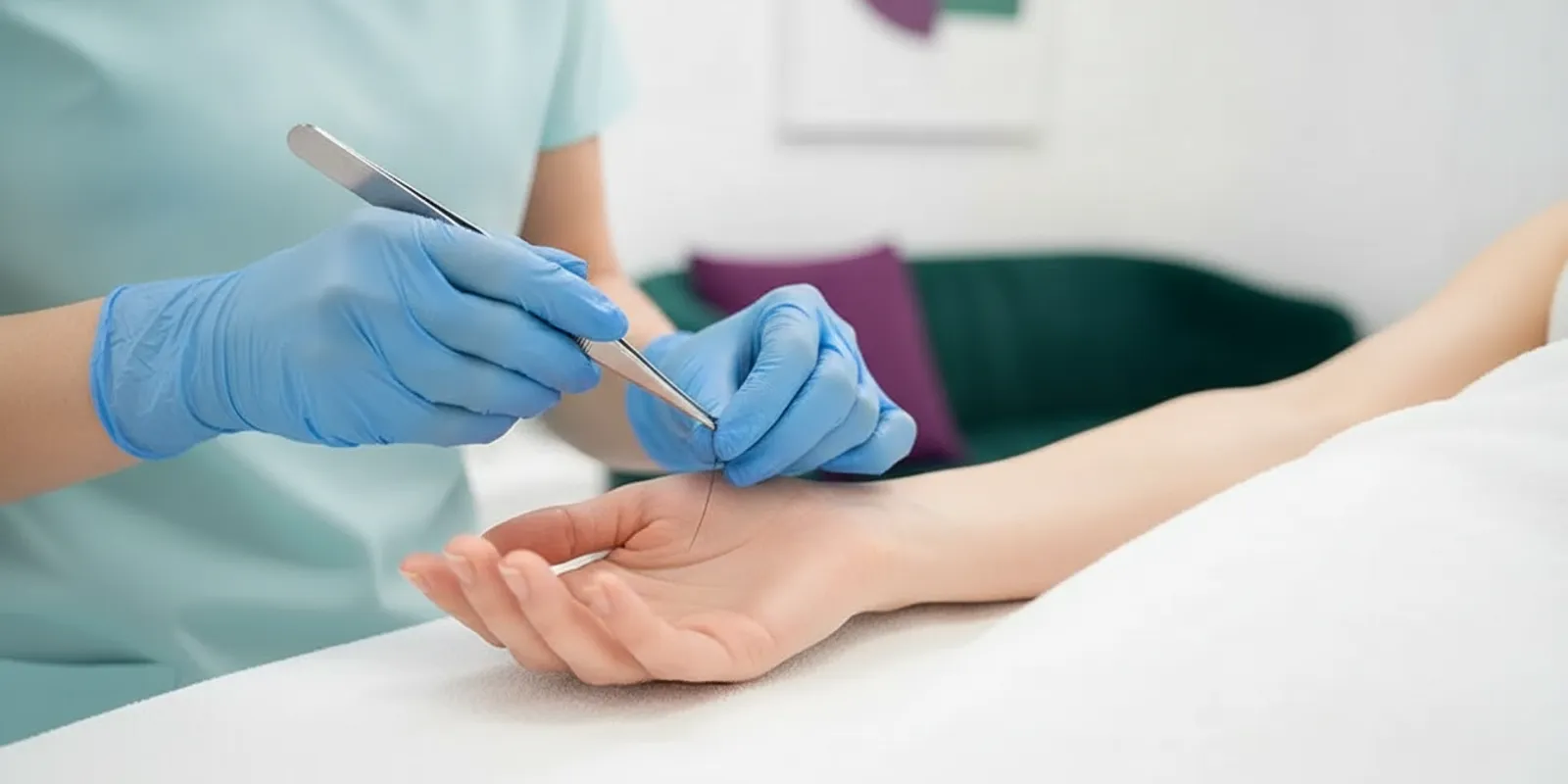

Microneedling risks are usually manageable when treatment is planned carefully, but the procedure can cause temporary irritation and may not suit every person or skin concern. Before deciding, learn what reactions can occur, share relevant health and skin history, and ask a qualified provider how your individual situation affects the plan.
Request a microneedling consultation
What risks can follow microneedling?
Microneedling uses a device with fine needles to create controlled punctures in the skin. The treatment is intended to prompt a healing response, but the skin can be temporarily sensitive afterward. Common short-term effects may include redness, tenderness, a tight or warm feeling, mild swelling, pinpoint bleeding, and peeling or dryness.
These effects are not identical for everyone. They may depend on the treatment approach, the area treated, your skin, and how it responds. The National Institutes of Health review of microneedling for atrophic scars reports that redness and pain were among the frequently reported adverse effects. A patient information page from Chelsea and Westminster Hospital says the treated area can feel painful or tight for one to three days and that peeling or pinpoint bleeding may occur. These sources describe experiences reported in particular treatment contexts; your provider should explain what is relevant to your plan.
Less common but more serious problems can include infection, prolonged inflammation, changes in skin color, or scarring. These are reasons to discuss your health history and aftercare in advance, not a prediction that they will happen. Seek medical advice if you develop worsening pain, spreading redness, increasing warmth, pus, fever, or a reaction that concerns you rather than improving as expected.
Microneedling is not a promise of a particular result. A consultation should cover likely benefits and limitations alongside risks, so you can decide whether the potential trade-offs make sense for you.

Which factors can affect your risk?
Your skin and health history matter. Tell the provider about current irritation, open areas, active breakouts or infection in the area, a history of cold sores, allergies or sensitivities, and any condition or medication that could affect healing. Do not stop a prescribed medicine on your own. Ask the prescribing clinician and treatment provider what steps, if any, are appropriate.
Also mention recent procedures, strong sun exposure or tanning, and products that have irritated your skin. The details of the treatment area matter too. A provider should assess the area and discuss whether timing, technique, or a different option is more appropriate. A brief online description cannot determine candidacy. Share details even if you are unsure they matter. For example, a recent change in a prescription, a new rash, or a pattern of slow healing may affect the conversation. Bring a list of medications and skin products if that is easier than trying to recall names during the visit. The goal is not to judge whether your history is relevant by yourself. It is to give the provider enough context to ask follow-up questions and identify whether treatment should wait. If you have a medical condition under active care, ask whether your treating clinician should be involved before scheduling a cosmetic procedure.
People often assume that a cosmetic treatment is low risk because it is not surgery. That does not remove the need for screening, clean technique, clear consent, and careful aftercare. Ask who performs the treatment, what device and approach are planned, and what steps are used to reduce contamination. If an answer is unclear, pause and ask for an explanation before agreeing.
At Ultimate Image MedSpa, the listed service is SkinPen Microneedling. The service name alone does not determine whether it is suitable for you. A provider needs to consider your goals, skin, and relevant history during an assessment.
How can you compare treatment choices?
Microneedling is one possible professional skin treatment, not the right answer for every concern. The purpose of the table below is to help organize a consultation, not to diagnose a skin condition or recommend a procedure. Different treatments work in different ways, so the provider should explain which options are available and why they may or may not fit your needs.
| Choice to discuss | What to clarify | Risk and planning questions |
|---|---|---|
| SkinPen Microneedling | What concern is being addressed, what treatment approach is proposed, and what outcome is realistic? | What short-term reactions are expected for your plan, and what health or skin factors need screening? |
| A different professional skin treatment | How does the option address your concern, and how does its process differ from microneedling? | What are its own risks, recovery needs, and limits? Do not assume another treatment is automatically safer. |
| Delay treatment or seek medical assessment | Would it be sensible to wait until irritation or another skin issue has been assessed? | Who should evaluate the concern, and what signs mean you should seek medical care first? |
For an overview of available services, review the current treatments menu. If you are comparing approaches, the practice’s information about eMatrix Skin Resurfacing can help you prepare questions about a different listed treatment. It is not a substitute for an individualized comparison with a provider. Use a comparison to clarify your priorities rather than to pick a treatment by name alone. One person may care most about minimizing visible downtime, while another may focus on a particular skin concern or have a schedule that makes recovery planning especially important. Tell the provider what matters to you and ask how the options differ in purpose, process, likely recovery, and possible downsides. Ask which information is based on your assessment and which points are general. If a different approach is recommended, ask why it may be a better fit and what uncertainty remains. It is also reasonable to decide not to proceed. A consultation can help you understand options without requiring you to book a procedure that day. If you need time to review the information, ask for the proposed plan and aftercare details in writing. Then you can consider whether the expected benefits, limitations, recovery needs, and risks fit your priorities.
What should you ask at a consultation?
Bring a short list of questions and be open about your skin history. A useful consultation gives you enough information to make a decision without pressure. Ask questions in plain language, and request clarification if an answer relies on a promise or is too vague to assess. A careful explanation should leave room for individual differences and limitations. Be cautious of language that treats a temporary reaction as impossible or suggests that everyone follows the same course. You are entitled to understand the alternatives and the option of waiting before you give consent.
- What concern do you think this treatment may address, and what concerns would it not address?
- Why might microneedling be suitable or unsuitable for my skin and health history?
- What device and treatment approach are planned, and who will perform the procedure?
- Which side effects are expected, and which symptoms should prompt me to contact a clinician?
- How should I prepare, and which products or activities should I avoid before and after treatment?
- What does recovery usually involve for the plan you are proposing, and how should I handle work, exercise, or an upcoming event?
- How will the treatment plan be reassessed, and what will happen if my skin reacts unexpectedly?
- What is the consultation-based cost for the proposed plan, and are there any additional costs I should understand?
Ask for written aftercare instructions and a clear way to get help if you have a concern. You should understand who to contact, what response timeframe to expect, and when an issue needs urgent medical attention. Do not rely on general advice from someone else’s experience to decide whether your symptoms are normal.
Costs should be discussed for your proposed treatment rather than assumed from a general online figure. The microneedling cost guide can help you identify questions to ask, while the actual plan and pricing should be confirmed in consultation. You can also read the practice’s guide to microneedling in Plano for additional context about considering treatment locally. The page is background reading, not a substitute for a personalized estimate or risk assessment. Ask which parts of an online guide apply to your situation and which depend on details the provider still needs to review. If your priorities or health information change between consultation and appointment, update the provider before treatment. Confirm that you understand the planned area and approach before the procedure begins. If anything differs from what you discussed, stop and ask for an explanation.
Discuss your skin goals with a provider
How can you plan for the recovery period?
Plan for the possibility of visible redness or sensitivity rather than scheduling treatment immediately before an important event. The amount and duration of recovery can vary. Think through the days after the appointment, not just the appointment itself. Consider whether you have work, family responsibilities, travel, or an event that may make it harder to follow aftercare or feel comfortable with visible redness. If you need to be outdoors, ask how to manage sun exposure according to your provider’s instructions. Do not assume you can conceal irritation with makeup or resume your usual routine on a set day. Ask the provider when to check in, what signs merit a call, and whether a follow-up assessment is part of the plan. Ask the provider what is realistic for your treatment area and personal circumstances, and make room in your schedule to follow the instructions you receive.
Before the appointment, follow the provider’s directions about skin products and sun exposure. Do not add a new exfoliant or active product simply because it is popular online. If you have recently used a product that caused irritation, tell the provider. They can advise whether to proceed, adjust the plan, or postpone.
After treatment, follow the specific written instructions you were given. Keep the area clean as directed, avoid picking or rubbing irritated skin, and ask before returning to products or activities that could aggravate it. Instructions can differ by treatment and individual needs, so a generic checklist should not override advice from your provider. Before leaving the appointment, make sure you know which products are appropriate, how to handle routine cleansing, and whether there are activities you should delay. If the instructions use a term you do not recognize, ask for a practical explanation. Keep the contact information and aftercare directions somewhere easy to find. These simple steps can reduce confusion later, especially if your skin feels more sensitive than expected or you are deciding whether a change is worth reporting.
Watch how your skin changes. Mild temporary sensitivity may be part of recovery, but worsening or unusual symptoms deserve a call to the provider or appropriate medical professional. If symptoms are severe or you feel unwell, seek timely medical care. A good plan includes knowing how to raise a concern, not only what to do when everything is routine.
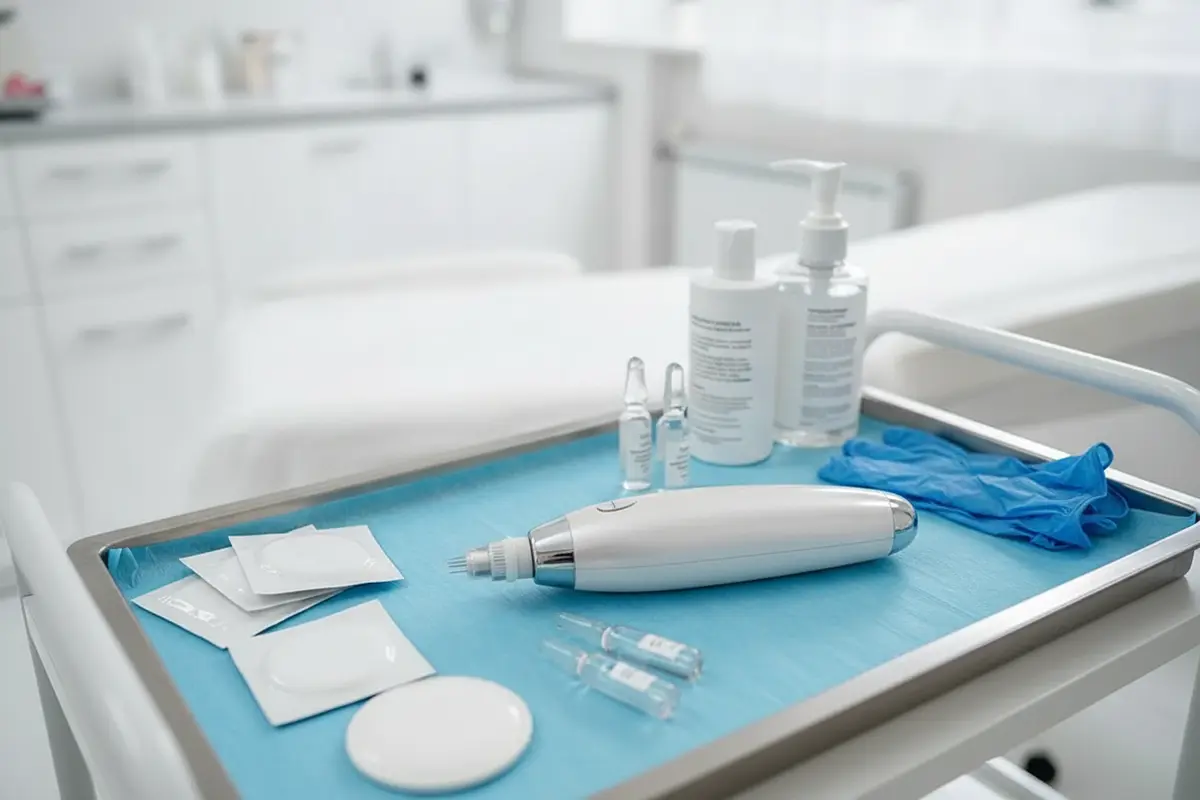
When should you wait or seek medical advice?
Pause before booking if you have an active skin problem in the area, cannot follow the recommended aftercare, or do not have clear answers about your candidacy and the procedure. A provider may recommend postponing treatment or getting another medical opinion. That is a reasonable part of safety planning, not a failed consultation.
Get prompt medical advice for signs that may suggest infection or a significant reaction, including worsening pain, spreading redness, unusual drainage, fever, or symptoms that are getting worse instead of settling. If you have a history of a condition that could be affected by skin injury, discuss it before treatment. This article cannot assess your individual risk or replace care from a qualified health professional.
Before you proceed, make sure you can explain in your own words what the treatment is meant to do, what effects could occur, how to care for your skin, and who to contact with concerns. If any part remains unclear, ask again or take time to decide.
Request a consultation to review your options
Frequently asked questions
Is microneedling risk-free?
No. Temporary redness, tenderness, tightness, or peeling can occur, and less common complications are possible. A consultation and appropriate aftercare help you understand and plan for risks, but no treatment can be described as risk-free.
How long do common side effects last?
It varies by person and treatment plan. One NHS patient information page notes that pain or tightness may last one to three days, with possible peeling or pinpoint bleeding. Ask the provider what timeframe is relevant to your treatment and contact them if symptoms worsen or concern you.
Can a consultation tell me exactly how my skin will respond?
No. A consultation can review your history, discuss likely reactions and limitations, and help determine whether treatment is appropriate. It cannot guarantee an exact response or a particular result.
What if I have sensitive or irritated skin?
Tell the provider about sensitivity, active irritation, products that have caused a reaction, and any relevant diagnosis or medication. The provider can assess whether to proceed, adjust the plan, postpone, or recommend medical advice. Do not try to hide irritation before an appointment.
What is the next step?
Microneedling risks are best considered as part of an individual treatment discussion, not as a one-size-fits-all checklist. Bring your questions, share your health and skin history, and take the time you need to understand the plan before deciding whether to proceed.