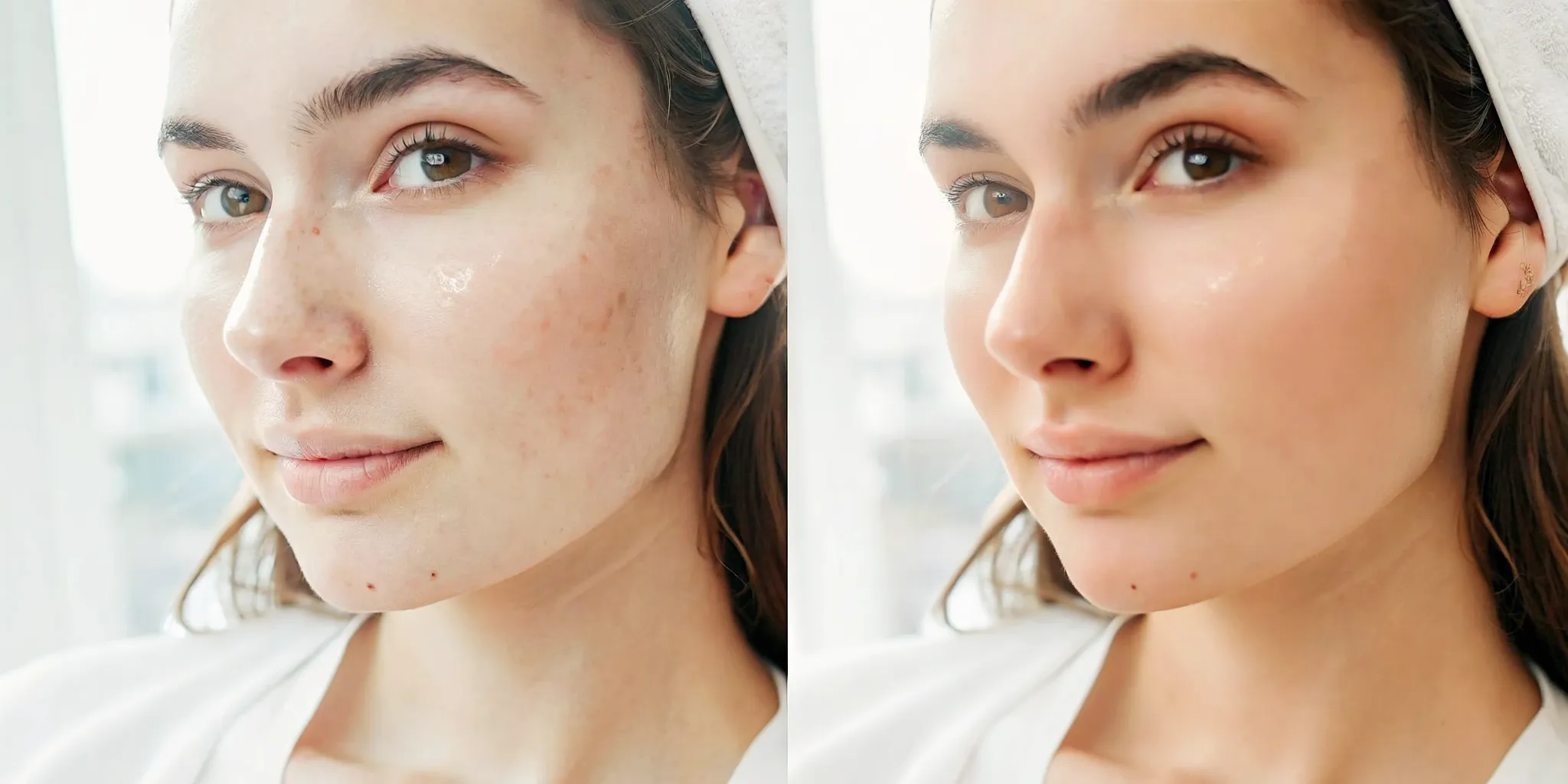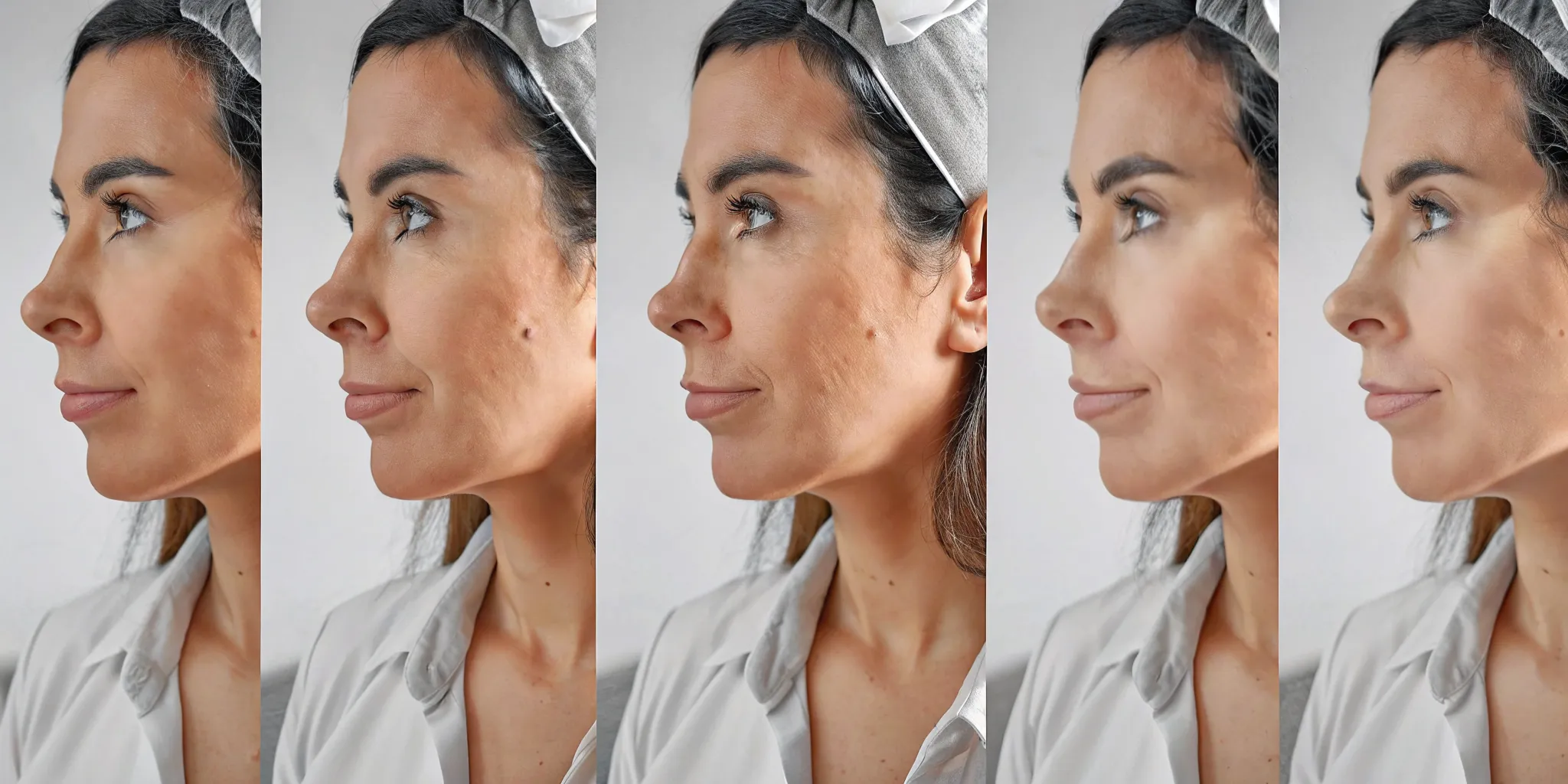

Finding a long-term solution for rosacea means looking beyond daily creams that only mask the issue. You need a treatment that addresses the underlying cause of the redness and visible capillaries. This is where a photofacial for rosacea truly stands out. By using targeted flashes of light, this therapy collapses the unwanted blood vessels that create that persistent flush, leading to clearer, calmer skin that lasts. Instead of just managing flare-ups day by day, you’re investing in your skin’s health for the future. This guide explains how this approach can help you achieve sustained results and feel more in control of your skin.
Key Takeaways
- Address Redness at its Source: Unlike topical creams that only manage symptoms, a photofacial uses targeted light energy to collapse the broken blood vessels responsible for rosacea flare-ups, creating a visibly calmer and more even complexion.
- Plan for a Series of Treatments: Achieving significant, long-term improvement isn’t a one-time fix. Expect an initial series of three to five sessions, followed by occasional maintenance appointments to keep your skin clear and flare-ups under control.
- Prioritize Expertise for Safety and Results: The skill of your provider is crucial. Ensure your treatment is performed by a qualified professional in a medical setting who can customize the device settings for your specific skin, minimizing risks and maximizing effectiveness.
How a Photofacial Can Calm Rosacea
If you’re dealing with the persistent redness and flushing of rosacea, you know how frustrating it is to find a solution that actually works. While creams can help manage symptoms, a photofacial gets to the heart of the issue. This treatment, also known as an IPL (Intense Pulsed Light) therapy, uses light energy to target the underlying causes of redness and inflammation, offering a path to clearer, calmer skin. Let’s break down how this technology works.
What is IPL technology?
First, let’s clear up a common misconception: IPL is not a laser. While both use light, IPL technology utilizes broad-spectrum light delivered in short, powerful flashes—think of a camera flash, but much more precise. This light penetrates the skin’s surface to address concerns like redness and broken capillaries directly. Because it uses a range of light wavelengths, IPL is incredibly versatile and can be customized to your specific skin needs. It’s a fantastic option when topical treatments aren’t giving you the results you want, as it works on a deeper level.
How light therapy targets redness and inflammation
So, how does a flash of light calm red, irritated skin? The process is based on light absorption. The energy from the IPL device is specifically attracted to the red pigment (hemoglobin) in your blood vessels. When the light hits these targeted vessels, it converts to heat. This heat gently damages and collapses the walls of the unwanted capillaries without harming any of the surrounding skin tissue. It’s a highly targeted process that effectively shuts down the tiny vessels responsible for that persistent blush, creating a more even skin tone.
The science behind soothing your skin
Once the targeted blood vessels are collapsed, your body’s natural healing processes take over. Your lymphatic system works to clear away these damaged cells, gradually fading them from view. This is why you’ll see a progressive reduction in redness in the days and weeks following your treatment. IPL therapy is a safe and clinically proven way to manage rosacea. It helps your skin heal more effectively by breaking down the excess pigment that contributes to flare-ups. If you’re ready to explore how our advanced services can help, our team is here to create a personalized plan for you.
The Biggest Benefits of a Photofacial for Rosacea
If you’re dealing with rosacea, you know how frustrating the persistent redness and flare-ups can be. A photofacial—also known as an IPL (Intense Pulsed Light) treatment—can make a significant difference in managing your symptoms and helping you feel more confident in your skin. This treatment uses light-based technology to target the underlying causes of redness and inflammation without being overly harsh. It’s one of the most effective ways to calm rosacea and achieve a more even, clear complexion. Let’s walk through some of the biggest benefits.
Reduce redness and visible capillaries
The most noticeable symptom of rosacea is often the persistent facial redness and the tiny, broken blood vessels that appear on the skin’s surface. A photofacial directly targets these issues. The treatment uses broad-spectrum light, which is absorbed by the red tones in your blood vessels. This light energy gently heats and breaks down the discolored areas without harming the surrounding tissue. Your body’s natural healing process then clears away these fragments, leading to a visible reduction in redness and capillaries. Many people see a 50-75% reduction in broken blood vessels, giving their skin a much calmer look.
Smooth your skin’s texture
Beyond tackling redness, a photofacial can also improve your skin’s overall texture. The light energy stimulates collagen production deep within your skin’s layers. Collagen is the protein that keeps skin firm, smooth, and youthful. As new collagen forms, you may notice that your skin feels smoother and looks more radiant. This process can also help with other concerns that sometimes accompany rosacea, like uneven skin tone or rough patches. It’s a great way to get comprehensive skin rejuvenation with one of our advanced services.
Get long-lasting results with minimal downtime
One of the best parts about a photofacial is getting lasting results without putting your life on hold. You’ll likely need a series of three to five treatments, and the results are long-lasting. To keep flare-ups at bay, a maintenance session every six months to two years is often recommended. After each appointment, you might experience some mild redness for a few days, but there’s virtually no downtime. You can return to your daily activities right away, making it a convenient option for a busy schedule. Ready to learn more? You can contact us to schedule a personal consultation.
Is a Photofacial the Right Rosacea Treatment for You?
A photofacial, also known as an Intense Pulsed Light (IPL) treatment, can be a game-changer for managing rosacea. But like any skincare treatment, it’s not a one-size-fits-all solution. Figuring out if it’s the right choice for you comes down to your specific skin concerns, your overall health, and your aesthetic goals. The best way to get a clear answer is by talking with a professional who can assess your skin. Let’s walk through some of the key factors to consider so you can feel confident in your decision.
Who is an ideal candidate?
If you’re dealing with the persistent redness, flushing, and visible capillaries that often come with rosacea, you’re likely a great candidate for a photofacial. This treatment is a fantastic noninvasive option for calming those frustrating symptoms. It’s also incredibly versatile when it comes to age. We see clients in their 20s who use photofacials to manage early signs of redness and maintain clear, even-toned skin. At the same time, clients in their 30s, 40s, and beyond find it highly effective for correcting more established concerns like pigmentation and broken blood vessels. Essentially, if you’re looking for a way to reduce rosacea-related redness and achieve a smoother complexion, this treatment is worth exploring.
Important health and skin considerations
It’s helpful to go into any treatment with realistic expectations. While a photofacial can dramatically improve the visible symptoms of rosacea, it’s important to remember that it treats the symptoms, not the underlying condition itself. Rosacea is a chronic condition that requires ongoing management. You also don’t need to have a severe case to see benefits; many people with mild but persistent redness find photofacials give them the clear skin they’ve been hoping for. During a consultation, we’ll go over your health history to ensure this is a safe and effective option for you. Honesty about your skin’s history and any medications you’re taking helps us create the perfect plan for your unique needs.
How treatment works for different skin tones
There’s a common misconception that IPL treatments are only safe for lighter skin tones, but technology has come a long way. While it’s true that early IPL devices worked best on fair skin, modern advancements have made photofacials much safer and more effective for a broader range of skin tones. The new generation of light therapy devices can be precisely adjusted to target redness and pigment without harming the surrounding skin. This means less discomfort and fewer side effects like swelling or bruising. The key is working with an experienced provider who understands the nuances of treating different skin types. We can properly assess your skin and perform a patch test to ensure the treatment will deliver the beautiful results you want, safely.
Your Photofacial Appointment: What to Expect
Walking into any new treatment can feel a little nerve-wracking, but knowing the step-by-step process helps take the mystery out of it. From the initial chat to what your skin will feel like afterward, here’s a clear rundown of what happens during a photofacial appointment so you can feel confident and prepared.
Your pre-treatment consultation
First things first, you’ll have a one-on-one consultation. This is a crucial step where a skincare professional will carefully examine your skin, discuss your rosacea symptoms, and review your health history. Based on this assessment, they’ll create a treatment plan tailored just for you. This is also your time to ask any questions you have—no question is too small! The goal is to make sure a photofacial is the right fit and to set you up for the best possible results. You can schedule a consultation with our team to get your personalized plan started.
What the treatment actually feels like
Once you’re ready for the treatment, you’ll get some protective eyewear to wear. Your technician will apply a cool gel to the treatment area, which helps the light penetrate and keeps your skin comfortable. During the session, the IPL device will deliver quick flashes of light to your skin. Most people describe the sensation as a tiny, warm snap, similar to a rubber band flicking against the skin. It’s a very quick feeling that subsides almost immediately. Our technicians are experts at making sure you feel as comfortable as possible from start to finish.
How long it takes and what to expect right after
The treatment itself is surprisingly fast, usually taking about 20 minutes, making it easy to fit into a busy day. Right after your session, it’s normal for your skin to look a little pink or reddish, almost like a mild sunburn. Some people might see some minor scabbing on pigmented spots over the next few days, but this is a normal part of the healing process. The best part? There’s no real downtime. You can head right back to your daily routine immediately after leaving our spa. It’s one of the many effective aesthetic treatments we offer that respects your time.
How Many Photofacial Sessions Will You Need?
One of the first questions everyone asks is, “So, how many treatments will this take?” It’s a great question, and the honest answer is: it depends. Your skin has its own unique story and needs, so your treatment plan will be tailored specifically to you. While there’s no magic number that fits everyone, we can look at a typical treatment path and the factors that shape it. Think of this as creating a personalized roadmap to calmer, clearer skin. Together, we’ll figure out the exact number of sessions you need to achieve the results you’re looking for and, just as importantly, how to keep them.
A typical treatment timeline
For most people starting their photofacial journey for rosacea, a series of three to five sessions is the sweet spot. These appointments are usually scheduled about four weeks apart to give your skin time to heal and respond. After this initial series, you should see a significant reduction in redness and a more even skin tone. Because rosacea is a chronic condition, think of photofacials as ongoing care. Many clients find that a maintenance session every six to twelve months is perfect for keeping flare-ups at bay and maintaining that smooth, calm complexion long-term.
Factors that influence your treatment plan
Your treatment plan isn’t a one-size-fits-all prescription. Several factors determine the frequency and number of IPL sessions you’ll need, including the specific concern you want to address—like persistent redness or visible capillaries. The severity of your rosacea also plays a big role. Someone with mild flushing will likely need fewer sessions than someone with more advanced symptoms. Your skin type and how it responds to the light therapy will also guide your plan. During your consultation, we’ll assess your skin and discuss your goals to map out a treatment schedule that’s just right for you.
How to maintain your results long-term
Achieving great results is the first step; maintaining them is the next. Keeping your skin calm after your initial sessions is a team effort. Following a customized skincare routine at home is crucial, and we’ll recommend products designed to soothe sensitive, rosacea-prone skin. Sun protection is non-negotiable, as UV exposure is a major trigger for rosacea flare-ups. To keep your results looking fresh, periodic follow-up treatments are key. The best way to get started is to schedule a consultation so we can create a personalized plan that helps you manage your rosacea for years to come.
Let’s Talk About Side Effects and Risks
Any treatment powerful enough to create real change in your skin will come with a few potential side effects. The good news is that with a photofacial, the most common reactions are mild and don’t last long. Understanding what to expect helps you prepare and ensures you have a smooth, comfortable experience from start to finish. It’s all about being informed so you can focus on the exciting results ahead.
Our goal is always to make sure you feel confident and cared for. We’ll walk you through every step, but knowing the basics ahead of time can put your mind at ease. Let’s break down what you might experience after your treatment and what realistic results look like.
Common (and temporary) reactions
Right after your photofacial, your skin will likely feel a bit sensitive. Many people describe it as feeling like a mild sunburn that can last for a few hours. You might also see some redness or even slight puffiness, especially under your eyes, which is completely normal and usually fades by the next day.
In the days following your treatment, you might notice your skin feels a little tight or itchy, or even see a few temporary acne-like spots pop up. Don’t worry—this is just part of the skin’s natural healing process. These reactions are typically short-lived, and you can usually apply makeup the next day to cover any lingering redness while your skin calms down.
Potential risks and when to call a professional
While serious side effects are rare, it’s important to know what to look out for. There is a small risk of burns, and if you’re prone to cold sores, the light therapy can sometimes trigger a flare-up. The great thing is that clinical studies on photofacials for rosacea show that major issues like blisters, scars, or lasting changes in skin color are not common.
Your provider will discuss your medical history to minimize these risks. However, if you experience anything that seems severe or doesn’t subside after a few days, it’s always best to contact our team. We’re here to support you and answer any questions you have during your recovery.
Setting realistic expectations for your results
A photofacial can be incredibly effective for rosacea, but it’s more of a marathon than a sprint. Research shows that about 75% to 80% of people see significant improvements, with redness and other symptoms greatly reduced. To get there, most people need an initial series of three to five sessions, spaced a few weeks apart.
Think of this as a long-term partnership for your skin’s health. After your initial series of treatments, you’ll likely need maintenance sessions every six months to two years to keep your skin calm and clear. Setting these realistic goals from the start ensures you’ll be happy with your beautiful, lasting results.
How to Prepare for Your First Photofacial
Getting ready for your first photofacial is an exciting step toward calmer, clearer skin. A little preparation goes a long way in making sure your treatment is safe, comfortable, and as effective as possible. Think of it as setting the stage for amazing results. Before your appointment, you’ll want to make a few simple adjustments to your daily habits, from your skincare products to your sun time. It’s also important to have an open conversation with your provider about any medications you’re taking and what you hope to achieve. By taking these steps, you’re not just preparing your skin—you’re preparing to get the most out of your investment in yourself. Let’s walk through exactly what you need to do before you walk into our spa.
Adjust your sun exposure and skincare routine
Your skin needs to be in its natural state for the IPL device to work its magic effectively. That’s why it’s so important to avoid all forms of tanning—including real sun, tanning beds, and even spray tans—for at least four weeks before your appointment. Sun-exposed skin can increase the risk of side effects. You’ll also want to press pause on any skincare products that make your skin more sensitive to light, such as retinoids, alpha-hydroxy acids (AHAs), and beta-hydroxy acids (BHAs), for about a week beforehand. Instead, focus on gentle cleansing and moisturizing. Keeping your skin calm and hydrated is the perfect way to prep for your treatment and complements other skin-loving services we offer.
Medications to pause before your appointment
An open conversation about your health history is one of the most important parts of your preparation. Certain medications and even some herbal supplements can increase photosensitivity, which can interfere with your photofacial treatment. Be sure to tell your provider about everything you’re taking, both prescription and over-the-counter. They will give you specific guidance on what you might need to stop taking in the days or weeks leading up to your session. This is a critical safety step to ensure your treatment is both effective and free of complications. Your provider is a trained medical professional who can help you make these adjustments safely, so you can feel confident and cared for.
Making the most of your consultation
Your consultation is your time to connect with your provider, ask all your questions, and create a personalized treatment plan together. This is the perfect opportunity to discuss your specific skin concerns, from redness to texture, and learn if a photofacial is the right fit for you. Don’t be shy! Ask about what the treatment feels like, how many sessions you might need, and what kind of results you can realistically expect. A great provider will listen to your goals and give you clear, honest answers. To get started on your journey to calmer skin, you can contact us to schedule your one-on-one consultation and build a plan that’s tailored just for you.
Your Aftercare Plan for the Best Results
Taking care of your skin after a photofacial is just as important as the treatment itself. A great aftercare routine helps you heal beautifully and protects your amazing results. Think of it as the final step in getting the calm, clear skin you’re looking for. The good news is that it’s incredibly straightforward, with minimal downtime getting in the way of your life. Here’s exactly what you need to do to ensure your skin looks its absolute best.
What to do immediately after your session
Once your session is over, we’ll gently remove the cooling gel and apply a high-quality sunscreen to protect your newly treated skin. It’s totally normal for your skin to look and feel a bit red for a few hours, almost like a mild sunburn. Some people also notice a little puffiness, especially under the eyes, which usually fades by the next day. These are signs that the treatment is working its magic. Just be gentle with your skin, use a soothing cleanser, and avoid harsh exfoliants for a few days while it calms down.
The importance of sun protection
I can’t stress this enough: sunscreen is your skin’s best friend after a photofacial. Your skin will be extra sensitive to UV rays, and protecting it is non-negotiable for preventing irritation and safeguarding your results. Think of it as protecting your investment. A broad-spectrum sunscreen with at least SPF 30 should be your go-to every single day, even if it’s cloudy. Reapplying is also key. This simple step will help maintain that smooth, even-toned complexion you came to us for and is a cornerstone of all our advanced skincare services.
When you can get back to your normal routine
One of the best things about a photofacial is the minimal downtime. You can typically get right back to your day as soon as you leave our spa. Need to head back to the office or run errands? No problem. You can even apply makeup right after your treatment if you’d like, although letting your skin breathe is always a great option. This convenience makes it easy to fit into a busy schedule without having to press pause on your life. If you have any questions about your specific aftercare, we’re always here to help you get in touch.
How Photofacials Compare to Other Rosacea Treatments
When you’re dealing with rosacea, it can feel like you’ve tried everything. From prescription creams to changing your diet, finding a solution that truly works is a game-changer. A photofacial, which uses Intense Pulsed Light (IPL), is one of the most effective treatments available, but it’s helpful to see how it stacks up against other common options. Understanding the differences can help you decide if it’s the right path for you to finally get the calm, clear skin you want.
IPL vs. topical creams
Topical creams are often the first line of defense for managing rosacea, and they can be great for controlling mild inflammation. However, they mostly work on the surface to manage symptoms. An IPL photofacial goes deeper. Instead of just calming the skin, it uses light energy to target and collapse the tiny, broken blood vessels that cause persistent redness. In fact, IPL can eliminate 50-75% of these vessels, and once they’re gone, they’re gone for good. While creams require daily application to keep symptoms at bay, a series of IPL treatments offers a more direct and long-lasting solution to the underlying cause of redness.
Photofacials vs. other laser therapies
You might hear “photofacial” and “laser” used interchangeably, but they aren’t quite the same. While both use light to treat the skin, traditional lasers use a single, focused wavelength. IPL, on the other hand, uses broad-spectrum light, which allows for a more versatile and gentle treatment. This can be especially helpful for skin that hasn’t responded well to other laser therapies. Plus, some lasers, like the pulsed dye laser (PDL), are known for causing significant bruising. IPL typically has fewer and milder side effects, like temporary redness, making it a powerful yet less intensive option for tackling rosacea.
A look at cost and effectiveness
Let’s talk about the investment. In the U.S., a single IPL session for rosacea can range from $450 to $600. Most people need a series of three to five treatments to see the best results, followed by maintenance sessions every six months to two years to keep new flare-ups in check. While the upfront cost is higher than a tube of prescription cream, the results are on a completely different level. You’re investing in a long-term solution that addresses the root cause of the redness, rather than just managing symptoms day by day. To get a clear idea of what your specific treatment plan would look like, it’s always best to schedule a consultation.
How to Choose the Right Photofacial Provider
Who performs your photofacial is just as important as the treatment itself. This is a powerful, light-based therapy, and the skill of the practitioner directly impacts your safety and results. The right provider will have the medical expertise to assess your skin, customize the treatment to your specific type of rosacea, and guide you toward the calm, clear complexion you’re looking for. Finding that perfect fit requires a little homework, but it’s a step you absolutely can’t skip.
Think of it this way: you wouldn’t trust just anyone with your health, and your skin is no different. A great medspa understands this. They create a supportive environment where you feel heard and respected. Taking the time to research your options ensures you find a team that not only has the right technology but also the right approach. You’ll want to look into their qualifications, prepare some key questions for your consultation, and know how to spot any potential red flags along the way. Taking these steps helps you move forward with confidence, knowing you’ve placed your trust in a true professional. It’s about finding a partner for your skincare journey—one who has the experience to help you achieve your goals safely.
What qualifications to look for
Your photofacial should always be performed by a qualified and trained professional. This isn’t a standard spa facial; it’s a medical aesthetic procedure that requires a deep understanding of skin anatomy and light-based technology. Look for a medspa where treatments are administered by certified laser technicians, registered nurses, or licensed aestheticians working under medical supervision. This level of expertise ensures the person handling the device can accurately assess your rosacea, select the correct settings for your skin type, and perform the treatment safely and effectively. A reputable provider will always be transparent about their team’s credentials and experience with various aesthetic services.
Key questions to ask during your consultation
Your consultation is the perfect time to make sure a provider is the right fit for you. A great practitioner will welcome your questions, so don’t hesitate to ask. Start with the basics, like asking about their experience treating rosacea specifically with IPL technology. Then, get more specific. You can ask about the type of IPL machine they use and why they believe it’s a good choice for your skin concerns. It’s also a great idea to ask to see before-and-after photos of previous clients with similar skin. This conversation is your chance to gauge their expertise and ensure you feel completely comfortable before you book an appointment.
Red flags to avoid when selecting a medspa
Knowing what to watch out for is just as important as knowing what to look for. A major red flag is any provider who promises a one-size-fits-all solution or guarantees a permanent “cure.” Rosacea is a chronic condition that requires management, not a one-and-done fix. A trustworthy professional will be honest about this and set realistic expectations for ongoing care. Be cautious if a provider doesn’t thoroughly assess your skin type or rushes through the consultation. A photofacial isn’t suitable for everyone, and an expert will be upfront if it’s not the right choice for you. You want a provider who prioritizes your safety and long-term skin health.
Related Articles
- Laser Hair Removal for Face: A Complete Guide – Ultimate Image MedSpa
- Your Guide to Post HydraFacial Care – Ultimate Image MedSpa
Frequently Asked Questions
Does a photofacial hurt? This is easily the most common question I get, and the answer is that most people find it very manageable. You’ll feel a quick, warm snap against your skin with each flash of light, almost like a tiny rubber band flick. We apply a cooling gel beforehand to keep you comfortable, and the sensation is over in an instant. It’s a very fast treatment, so any discomfort is brief.
Will this get rid of my rosacea forever? It’s important to remember that rosacea is a chronic condition, so a photofacial is an incredibly effective way to manage it, not a permanent cure. The treatment directly targets and breaks down the broken capillaries that cause redness, giving you a much clearer complexion. To maintain those beautiful results and keep flare-ups under control, you’ll likely want to schedule a follow-up session every six to twelve months.
How quickly will I see a difference in my skin? You’ll likely notice your skin looks brighter and feels smoother within a week or two, but the most significant reduction in redness happens gradually. The treatment works by breaking down unwanted blood vessels, and it takes your body a few weeks to naturally clear them away. The best results appear after completing your initial series of three to five sessions.
Is there any real downtime after the treatment? One of the best parts of a photofacial is that there’s practically no downtime. You can expect your skin to be a little pink and feel like a mild sunburn for a few hours after your appointment, but that’s about it. You can apply makeup and get right back to your normal activities immediately after you leave the spa.
How is a photofacial different from other laser treatments for rosacea? While both use light energy, they work differently. A laser uses a single, focused wavelength of light, while a photofacial (IPL) uses broad-spectrum light. This makes IPL a more versatile and gentle option for treating the widespread redness and broken capillaries common with rosacea. It allows us to treat your skin effectively with a lower risk of side effects like bruising.