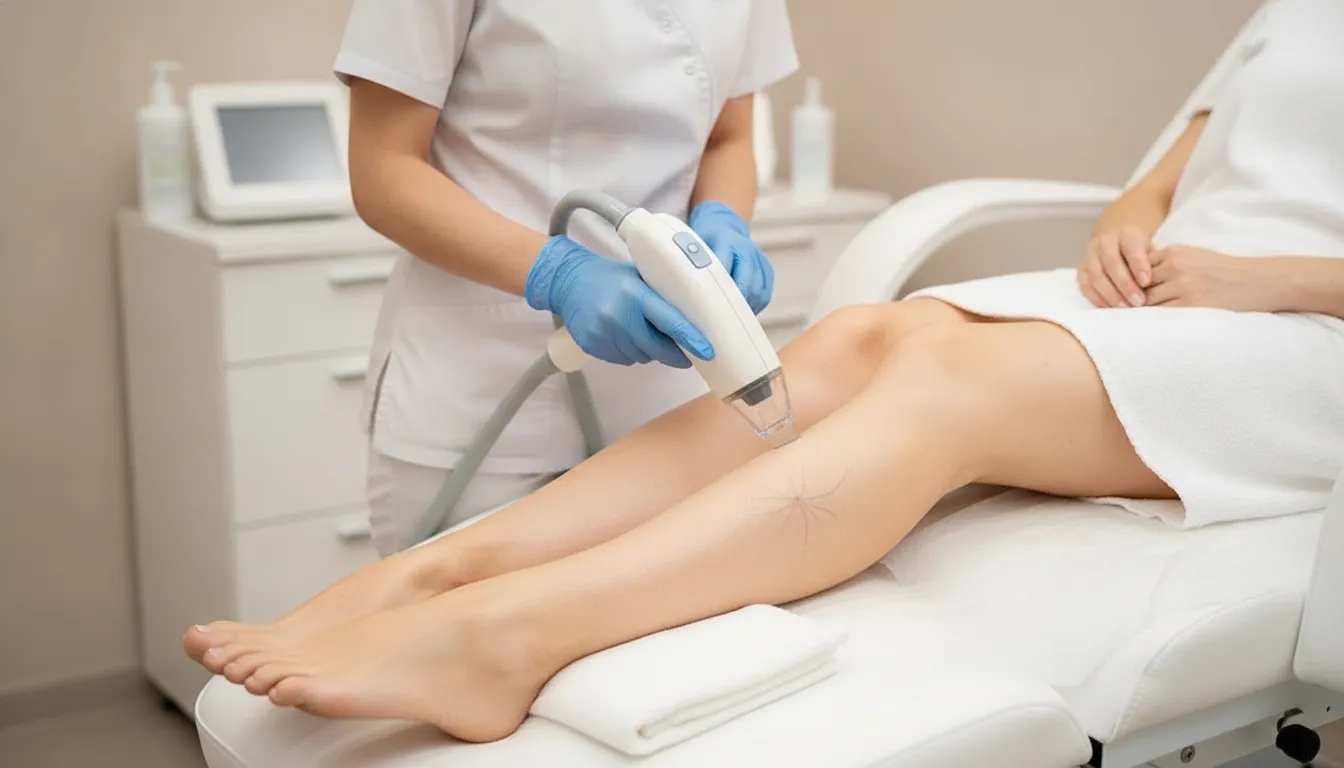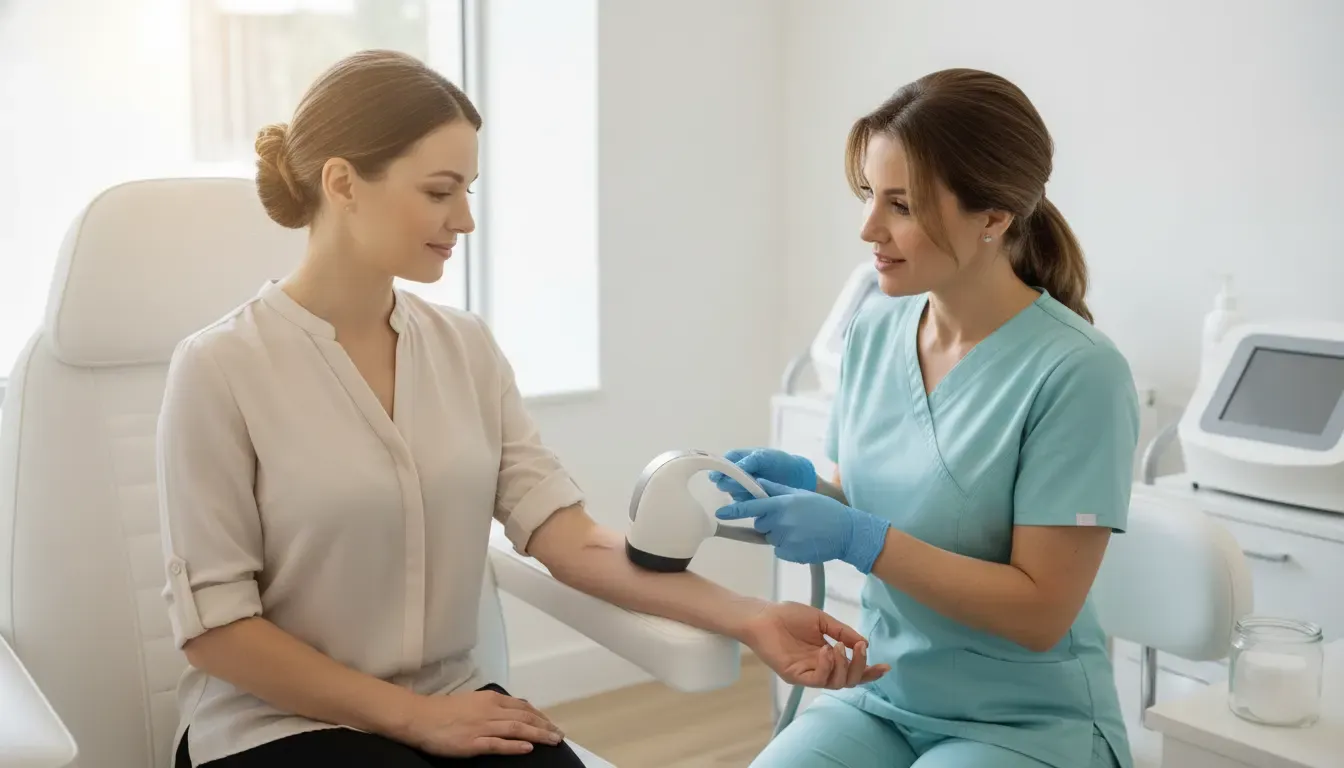
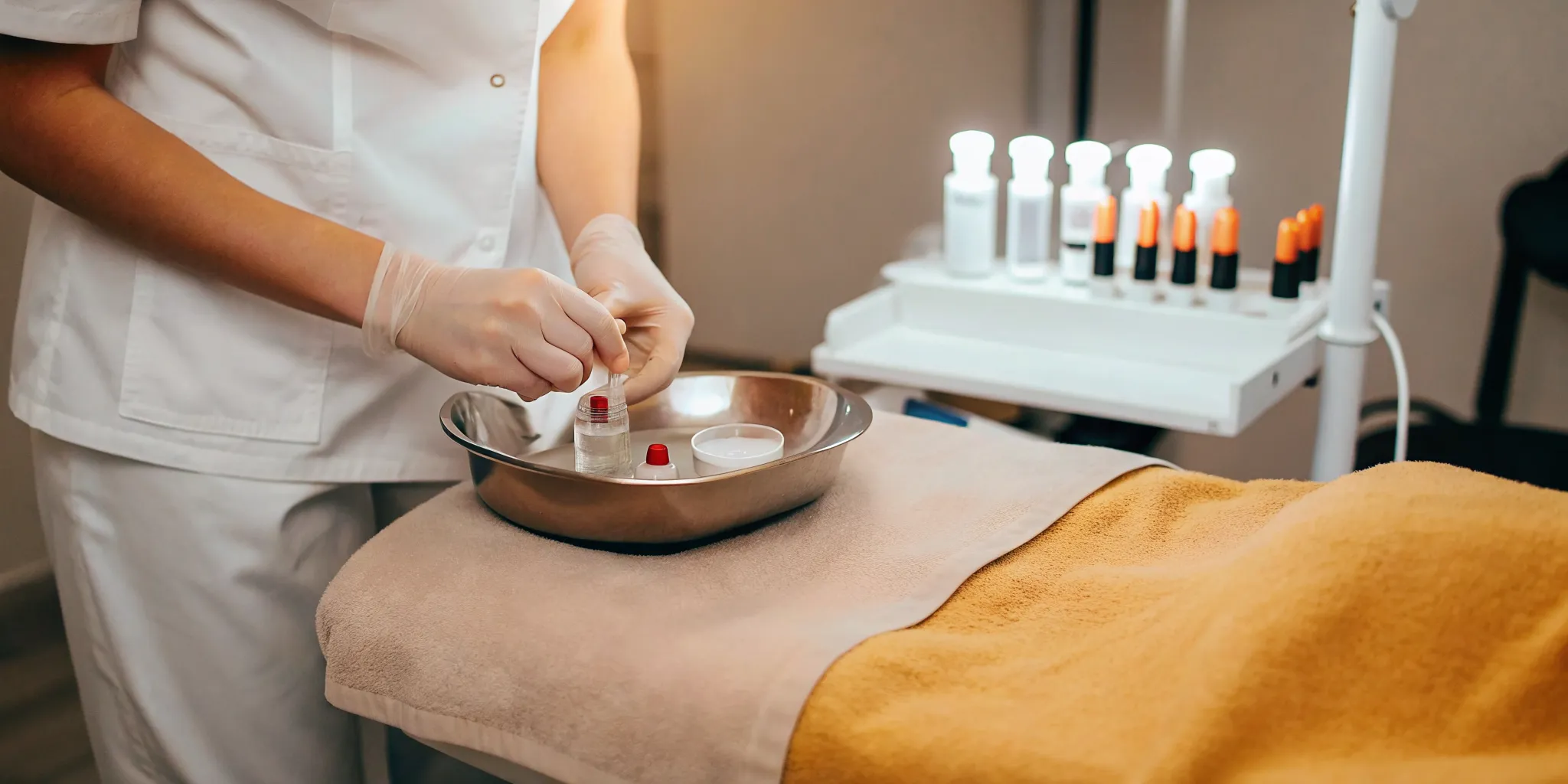
Skin rejuvenation does not have to mean choosing between a dramatic procedure and doing nothing. Treatments that use your own blood components can support the skin’s natural repair process while keeping the appointment focused and downtime limited.
A PRP facial uses a small sample of your blood, separates the platelet-rich plasma in a centrifuge. And applies or places that plasma into the skin to support collagen production and skin rejuvenation. Because the plasma comes from your own body, the treatment can be customized to concerns such as early fine lines, uneven texture, and a tired-looking complexion.
The term “vampire facial” can make the treatment sound more intimidating than it is. Understanding what happens during the appointment, how this approach differs from microneedling with PRP, and what affects cost makes it easier to decide whether it fits your goals. The process begins with how platelet-rich plasma is prepared and delivered to the skin.
What Is a PRP Facial and How Does It Work?
A PRP facial is a non-surgical skin rejuvenation treatment that uses a concentrated portion of your own blood to support healthier-looking skin. PRP stands for platelet-rich plasma. This plasma contains platelets and growth factors that may help support the body’s natural repair processes. Unlike a facial product applied only to the surface, PRP is prepared from your own blood and delivered to the facial skin as a standalone treatment. It may be applied topically or placed into the skin with injections, depending on the treatment plan.
PRP has been recognized in academic literature as a safe and effective therapy for regenerative skin healing and rejuvenation when appropriately administered. Research published through the National Institutes of Health describes PRP as autologous, meaning it comes from the patient’s own blood. The treatment is also described as noninvasive, safe, and associated with little downtime by University Hospitals.
The 3-Step PRP Process
- Blood draw: A small amount of blood is collected, similar to a routine laboratory draw.
- Separation: The sample is placed in a centrifuge. This separates the platelet-rich plasma from the other blood components.
- Application or injection: The prepared PRP is applied to the facial skin or injected into targeted areas to support the healing response.
The exact delivery method depends on your skin goals, comfort level, and provider’s clinical assessment. A PRP facial is different from microneedling with PRP, although both treatments use platelet-rich plasma. A standalone facial may focus on applying or injecting PRP, while microneedling creates controlled microchannels before PRP is applied. Your provider can explain which approach best matches your needs.
What Growth Factors Do for the Skin
Growth factors act as signaling proteins involved in tissue repair and regeneration. In a PRP facial, they are intended to support collagen production, cell turnover, and the skin’s refreshed appearance. Results vary by person, and PRP is not a replacement for surgery or a promise of permanent correction. It is a gradual, natural-looking option for patients who prefer medically supervised rejuvenation with minimal recovery time.
Who Is a Good Candidate for a PRP Facial?
Many adults with early signs of skin aging, uneven texture, dullness, fine lines, or mild scarring may be candidates. The best candidates are generally in good overall health and able to follow pre- and post-treatment instructions. A consultation is important if you have a blood disorder, take medications that affect clotting, are pregnant or breastfeeding, or have an active skin infection. A qualified provider should review your health history and goals before recommending treatment.
Key Benefits of a PRP Facial for Skin Rejuvenation
A PRP facial supports gradual, natural-looking skin renewal by using concentrated components from your own blood. The goal is not to change your features. It is to help skin look brighter, smoother, firmer, and more even as its repair processes are stimulated.
Texture and tone improvements
Many patients seek PRP facial treatment because their skin looks dull, uneven, or rough despite a consistent home-care routine. Research reviews report improvements in pore size, overall texture, pigmented spots, and protection against ultraviolet damage. These changes can create a smoother surface and a more balanced appearance over time.
PRP may also help address several concerns at once. A brighter tone, less noticeable pores, and improved surface texture can make the complexion appear fresher without the look of an overcorrected treatment. The degree of improvement depends on your skin condition, treatment plan, and how consistently you protect your skin from the sun. A consultation can help determine whether PRP is appropriate for your goals.
Collagen production and wrinkle reduction
Platelet-rich plasma contains growth factors that support regenerative skin healing. As part of the rejuvenation process, PRP can stimulate collagen production and cell turnover. Collagen helps provide structure and resilience, so supporting its production may improve firmness and the appearance of fine lines.
A review published in PubMed Central noted improvements in wrinkle reduction and collagen density among the facial parameters evaluated in PRP studies. Reports on dermal remodeling also describe a significant reduction in fine lines around the eyes and mouth, areas where expression lines often become more noticeable. Results develop progressively rather than appearing as an immediate lift.
Acne scars and sun damage
PRP may be useful when uneven texture comes from acne scarring or cumulative sun exposure. It can support the remodeling of skin in areas with shallow irregularities, while improved collagen density may help the surface look more refined. PRP treatments have also been associated with a reduction in the appearance of acne scars and sun damage, along with improvements in fine lines and pigmentation.
These benefits are best understood as visible improvement, not complete removal of every scar or dark spot. Your provider will consider scar depth, pigmentation pattern, skin sensitivity, and other treatments you may be using before recommending a plan. Protecting your skin with daily sunscreen remains important for maintaining a more even tone and reducing continued ultraviolet damage.
PRP Facial vs. Microneedling with PRP: What Is the Difference?
Both treatments use platelet-rich plasma, prepared from your own blood, to support skin rejuvenation. The important difference is how that plasma reaches the skin. A PRP facial can be performed with an injectable or topical application focus. While microneedling with PRP adds controlled, tiny channels in the skin to pair the plasma with a collagen-stimulating treatment. That distinction affects the treatment experience, the type of skin concern addressed, and the expected recovery.
Delivery methods compared
| Consideration | PRP facial | Microneedling with PRP |
|---|---|---|
| Delivery method | PRP is applied to or injected into selected areas of the face, depending on the treatment plan. | A SkinPen device creates controlled microchannels, and PRP is applied during or after the microneedling process. |
| Primary mechanism | Uses the growth-factor-rich plasma to support skin regeneration and collagen activity. | Combines the wound-healing response from microneedling with the regenerative properties of PRP. |
| Skin disruption | Varies by application method, but does not necessarily require broad microneedling across the treatment area. | Intentionally creates microscopic channels across the selected skin area. |
| Downtime | Usually involves little downtime, although the exact recovery depends on the method used and your skin. | Temporary redness, sensitivity, or other post-treatment effects may occur as the skin recovers from microneedling. |
| Best uses | Overall rejuvenation goals such as supporting texture, fine lines, sun damage, and scars. | People seeking a more structured resurfacing approach for texture, acne scars, or uneven skin. |
Research and clinical references describe PRP as a non-surgical option that may support improvements in wrinkles, sun damage, scars, and skin texture. Results and candidacy vary, so the treatment should be selected around your skin condition rather than the name alone.
Which treatment is right for your goals?
Choose a PRP facial when you want a plasma-focused rejuvenation treatment and prefer not to make microneedling the central part of your appointment. Choose microneedling with PRP when controlled resurfacing and collagen stimulation are priorities. You can review microneedling treatments and the SkinPen with PRP approach before your consultation.
PRP can also be paired with other ingredients or modalities in a customized plan. For example, research has reported a synergistic effect when PRP is combined with hyaluronic acid, including improvements in elasticity and firmness in certain groups. That does not make one treatment universally better. It reinforces why an individualized plan matters.
What to Expect During a PRP Facial Appointment
Your consultation and treatment plan
Your appointment begins with a conversation about your goals, medical history, current skin concerns, and any products or medications that may affect treatment. A licensed medical professional should assess your skin in person and determine whether a PRP facial is appropriate for you. This is also the time to discuss areas such as fine lines, uneven texture, acne scarring, or sun-related changes.
The provider will explain how the treatment will be performed and whether PRP will be applied to the surface of the skin or introduced with small injections. Your plan should be tailored to your skin, treatment area, and comfort level rather than based on a one-size-fits-all protocol. Ask about preparation, expected results, possible side effects, and aftercare before treatment begins.
The PRP facial procedure step by step
- Skin preparation: The treatment area is cleansed, and a topical numbing cream may be used to improve comfort. Your provider will review the plan and answer any last questions.
- Blood draw: A small amount of your own blood is collected. Because the PRP comes from your blood, the process does not involve a synthetic filler or a donor product.
- Centrifuge processing: The sample is placed in a centrifuge to separate the platelet-rich plasma from other blood components. This processing commonly takes about 10 minutes.
- PRP application or micro-injection: The prepared PRP is applied to the treatment area or placed into targeted areas with a series of small injections. You may feel brief pinching or pressure, but most patients describe the discomfort as manageable.
The full appointment length varies with the treatment area and technique. Your provider should explain each step as it happens and pause if you need additional comfort support.
Recovery and what to expect afterward
PRP facial treatments are generally associated with minimal downtime, but temporary redness, swelling, tenderness, or small areas of bruising can occur. For many patients, redness and swelling improve within 24 to 48 hours. Follow the specific instructions from your provider, which may include avoiding strenuous activity, excessive heat, direct sun exposure, and irritating skincare products for a short period.
Use only the products recommended for your recovery and contact the clinic if symptoms become severe, worsen unexpectedly, or do not improve as advised. A careful consultation and qualified medical oversight help make the experience safer and more predictable.
How Much Does a PRP Facial Cost in DFW?
PRP facial pricing in the Dallas-Fort Worth area depends on the treatment plan, not a one-size-fits-all menu price. A consultation is the best way to receive an accurate quote based on your skin goals, treatment area, and recommended approach. Ultimate Image MedSpa can also explain any current offers, including specials available through the new client specials page.
Factors That Influence PRP Facial Pricing
Several factors can affect the cost of your appointment:
- Location: Pricing can vary across the DFW market and between individual medical spas. The provider’s clinical standards, equipment, and level of oversight are also part of the value of treatment.
- Provider expertise: PRP treatments require careful preparation, sterile technique, and an appropriate plan for your skin. Experience matters when deciding how PRP should be prepared and delivered.
- Number of sessions: Some patients may benefit from a series rather than one appointment. Your recommended number of sessions depends on your goals, skin condition, and how your skin responds over time.
- Treatment combination: PRP may be offered as a standalone facial treatment or combined with microneedling. Combining services can change the appointment scope and total cost. For related treatment cost considerations, review our microneedling cost guide.
Because these variables differ from person to person, published prices from another practice may not reflect the plan that is right for you. A lower quoted price may also represent a different technique, number of sessions, or level of clinical support.
Why a Consultation Matters for Accurate Pricing
During a consultation, your provider can discuss your concerns, review your medical history. Assess your skin, and clarify whether a standalone PRP facial or a combination approach makes sense. You can then receive a personalized recommendation and understand what is included in the quoted price, including preparation, treatment, aftercare, and follow-up.
Insurance typically does not cover cosmetic PRP treatments because they are elective aesthetic services. Before scheduling, ask about payment expectations and available new client specials. A consultation gives you the clearest path to a safe, realistic plan and an accurate DFW-area price.
Frequently Asked Questions
What does a PRP facial do?
A PRP facial uses a small sample of your own blood to create platelet-rich plasma, which is then applied or introduced into the skin. The treatment is intended to support collagen production and skin renewal, helping improve tone, texture, fine lines, pores, acne scars, and the appearance of sun damage. Results vary by skin condition and treatment plan. University Hospitals describes these potential benefits.
What happens during the procedure?
Your provider begins with a consultation and skin assessment, followed by a blood draw. The sample is processed in a centrifuge to separate the platelet-rich plasma, which is then applied or injected into the treatment area. The exact delivery method depends on your goals, skin sensitivity, and whether the treatment is performed as a standalone PRP facial or combined with another service.
How much does a PRP facial cost?
Pricing depends on the treatment area, delivery method, the amount of PRP used, and whether your plan includes a series of visits or another aesthetic treatment. Because candidacy and goals differ, a consultation provides the most accurate estimate. Ask for a detailed quote that explains what is included before scheduling.
How much downtime should I expect?
Recovery is generally limited, but temporary redness, swelling, tenderness, or minor bruising can occur after treatment. These effects may last for a few days and vary with the delivery method and your individual response. University Hospitals notes that PRP treatments typically require little downtime. Follow your provider’s aftercare instructions and ask when to resume makeup, exercise, and active skincare.
Is PRP better than Botox or microneedling?
There is no single best option. PRP is often chosen for gradual skin-quality improvements, while Botox targets specific muscle activity and microneedling creates controlled micro-injuries to stimulate remodeling. A consultation can help compare goals, timing, budget, and downtime, then determine whether one treatment or a combination makes sense for your skin.
Ready to Explore a PRP Facial?
A consultation can help you understand whether a PRP facial fits your skin goals and how treatment may be tailored to your needs. Ultimate Image MedSpa serves clients throughout the DFW area with personalized aesthetic care. To schedule a consultation, call Ultimate Image MedSpa at (785) 221-5380. Our team can answer your questions and help you choose a thoughtful next step for skin rejuvenation.