For many of us, the thought of surgery is a major hurdle. The cost, the downtime, and the recovery process can feel like too much to take on. For years, it seemed like a tummy tuck was the only real answer for loose abdominal skin. Thankfully, that’s no longer the case. Technology has come a long way, offering incredible non-surgical stomach skin tightening treatments that can deliver beautiful, natural-looking results without a single incision. In this article, we’ll explore these powerful alternatives, explaining how they work to firm and smooth your skin, so you can understand all the paths available to you.
Key Takeaways
- Your Daily Habits Are Foundational: Supporting your skin’s health starts at home. A nutrient-rich diet, consistent hydration, and regular exercise are essential for improving natural elasticity and getting the most out of any professional treatment.
- Choose the Right Tool for the Job: Non-surgical treatments like microneedling are excellent for mild to moderate skin laxity, while surgical options provide more dramatic results for significant sagging. The best choice depends entirely on your starting point and your ultimate goals.
- A Professional Partnership is Key: Achieving and maintaining results requires a personalized plan. A qualified provider will not only help you select the right treatment but will also guide you through preparation, recovery, and a long-term maintenance strategy to protect your investment.
What Causes Loose Skin on the Stomach?
Loose skin on the stomach is one of those things many of us deal with, and it’s completely normal. Whether it’s from having a baby, losing weight, or just the natural process of aging, our skin goes through a lot. Understanding why it happens is the first step toward figuring out what you can do about it. It all starts with skin elasticity, which is basically your skin’s superpower to bounce back. When that elasticity weakens, you might start to see some sagging. Let’s break down what’s really going on beneath the surface.
What is Skin Elasticity?
Think of your skin like a brand-new rubber band. It can stretch and snap right back into place. That ability to bounce back is what we call skin elasticity. This feature is thanks to two key proteins in your skin: collagen for firmness and elastin for stretch. As we get older, our bodies naturally produce less of both. This slowdown means our skin’s ability to stretch and bounce back isn’t as strong as it used to be, which can lead to skin that looks and feels less firm.
Common Reasons for Loose Skin
Sagging skin on the stomach is an incredibly common problem, usually caused by a few key life events. Significant weight loss is a major one; when you lose weight quickly, your skin doesn’t always have enough time to shrink back down. Pregnancy is another beautiful journey that can leave its mark, as the skin on your abdomen stretches to make room for your baby. The natural aging process and even your genetics also play a big part. Each of these factors can stretch your skin’s collagen and elastin fibers, making it harder for them to retract.
How to Prevent Loose Skin
While you can’t stop the clock, you can adopt habits that support your skin’s health. A balanced diet is a great place to start. Eating foods rich in antioxidants, vitamins, and minerals helps support skin health from the inside out. Think leafy greens, berries, and healthy fats. Regular exercise, especially strength training, can also make a difference. Building the muscle underneath can help create a firmer foundation, giving your stomach a more toned appearance. These lifestyle changes are powerful tools for maintaining your skin’s integrity.
Your Non-Surgical Skin Tightening Options
If the idea of surgery feels like a huge leap, you’re not alone. The good news is that there are incredible non-surgical treatments that can effectively tighten loose skin on your stomach without the extensive downtime. These procedures work by stimulating your body’s natural collagen production, which is the key protein responsible for firm, youthful skin. Over time, this new collagen helps to smooth and firm the treated area, giving you a more toned appearance.
These treatments are perfect for addressing mild to moderate skin laxity—the kind you might see after pregnancy, minor weight fluctuations, or just from the natural aging process. They use advanced technology like radiofrequency, ultrasound, and lasers to work deep within the skin. Let’s walk through some of the most effective options available so you can get a clearer picture of what might work best for you. Each one has its own unique approach, but they all share the same goal: helping you feel more confident in your skin.
Radiofrequency Treatments
Radiofrequency (RF) treatments are a fantastic way to tighten skin without any incisions. This technology uses controlled heat energy to gently warm the deeper layers of your skin. This heat prompts your body to ramp up its collagen production. Think of it as waking up your skin’s natural firming abilities. The process is generally comfortable, and most people find they can get right back to their day afterward. It’s an excellent choice for firming up mild sagging and improving the overall texture of your stomach skin.
Ultrasound Therapy
Ultrasound therapy takes a different approach by using focused sound waves to reach deep beneath the skin’s surface. This energy creates a thermal effect that, much like RF treatments, encourages new collagen growth. It’s particularly effective for targeting the foundational layers of the skin, the same ones addressed in a surgical facelift. This makes it a powerful option for addressing moderate skin looseness. The results appear gradually over a few months as your body produces fresh, strengthening collagen, leading to a natural-looking lift.
Laser Technology
Laser treatments use concentrated beams of light to create heat in the skin, which stimulates collagen and improves elasticity. This method is great for addressing both skin laxity and surface-level concerns like texture and tone. Different types of lasers can be used depending on your specific needs, but they all work to remodel existing collagen and generate new growth. If you have mild to moderate sagging, laser skin tightening can deliver noticeable firming results, helping your stomach area appear smoother and more contoured.
Microneedling with PRP
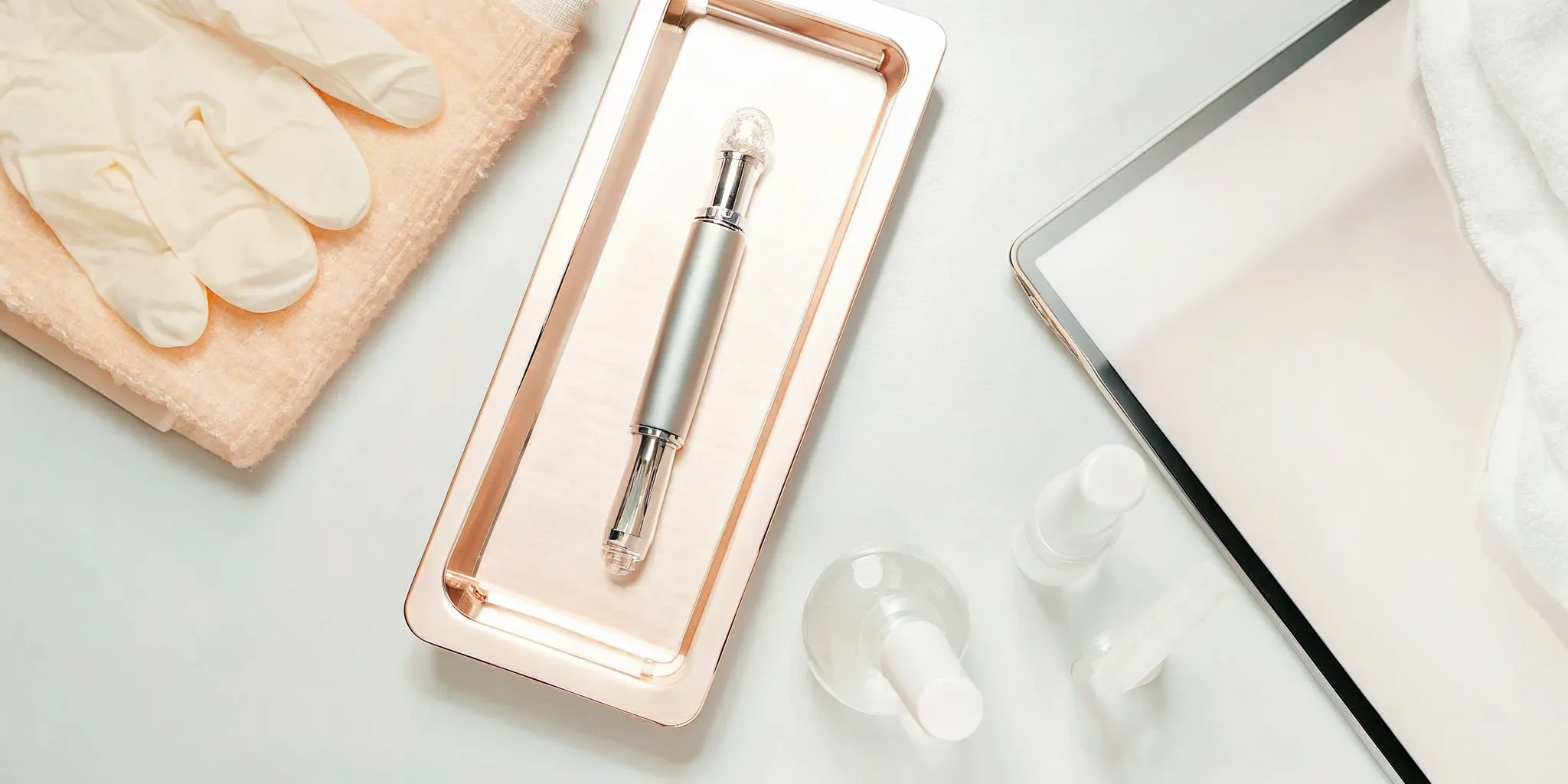
Microneedling is a minimally invasive treatment that has become incredibly popular for skin rejuvenation. The procedure uses a device with tiny, fine needles to create controlled micro-injuries in the skin. Your body’s natural healing response kicks in, producing more collagen and elastin to repair the area. When you add Platelet-Rich Plasma (PRP) to the treatment, you supercharge the results. PRP, derived from your own blood, is full of growth factors that accelerate healing and further enhance skin tightening. Our SkinPen Microneedling service is a great way to achieve firmer, smoother skin.
Understanding the Limitations
It’s important to have realistic expectations about what non-surgical treatments can achieve. These methods are highly effective for individuals with mild to moderate skin laxity. However, they are not a replacement for surgery if you have significant sagging, often seen after substantial weight loss or multiple pregnancies. A qualified provider can help you determine if you’re a good candidate. During your consultation, we can assess your skin and discuss whether a non-invasive approach will help you reach your goals or if a surgical option might be more appropriate.
Surgical Solutions for Stomach Skin
When non-surgical treatments aren’t enough to achieve your desired results, surgical procedures can offer more dramatic and immediate changes. These options are typically best for individuals with a significant amount of loose, sagging skin, often resulting from major weight loss or multiple pregnancies. While we specialize in non-invasive treatments that require little to no downtime, we believe in empowering you with a complete picture of all the available paths to your beauty goals. Understanding the full spectrum of treatments, from our advanced microneedling techniques to more intensive surgical options, helps you make the most informed decision for your body.
Surgical solutions physically remove excess skin and fat, providing a powerful way to reshape and contour the abdomen. These procedures are performed by plastic surgeons and involve incisions, anesthesia, and a significant recovery period. They are a major commitment, both physically and financially, but for the right person, the results can be life-changing. The key is to have a clear understanding of what these surgeries entail, from the procedure itself to the healing process that follows. The best first step is always to schedule a consultation to discuss which approach aligns with your specific needs and lifestyle.
The Traditional Tummy Tuck
A traditional tummy tuck, or abdominoplasty, is the most comprehensive surgical option for tightening the stomach. During this procedure, a surgeon makes an incision low on the abdomen, typically from hip to hip, to remove a significant amount of excess skin and fat. The surgeon also tightens the underlying abdominal muscles that may have become separated or weakened. This procedure is highly effective for creating a much flatter and firmer stomach profile. It’s often the recommended solution for individuals who have a lot of loose skin after losing a substantial amount of weight or after pregnancy. The results are immediate and dramatic, but it also involves the most extensive recovery time.
The Mini Tummy Tuck
Think of the mini tummy tuck as a less invasive version of the traditional procedure. It’s designed for people who have a smaller amount of loose skin and fat concentrated below the belly button. Instead of a large hip-to-hip incision, this surgery involves a much smaller one, similar to a C-section scar. The surgeon removes the excess skin and tightens the muscles in that lower abdominal area without altering the belly button. Because it’s a more focused procedure, a mini tummy tuck generally comes with a shorter recovery period and less scarring than a full tummy tuck, making it a great option for those who need just a little help tightening up that lower pooch.
Liposuction with Skin Tightening
For some people, the main issue isn’t just loose skin but also stubborn pockets of fat. Liposuction is a surgical procedure that removes localized fat deposits to contour the body. However, standard liposuction doesn’t address skin laxity. That’s why surgeons often combine it with skin-tightening technologies, using energy-based methods like radiofrequency or ultrasound during the procedure to heat the underlying tissue. This heat helps stimulate new collagen production, encouraging the skin to contract and tighten over the newly contoured area. This combination is ideal for those who have good skin elasticity but need help with both fat reduction and mild skin sagging.
What to Expect During Recovery
Recovery is a crucial part of any surgical journey. After a tummy tuck, you can expect the healing process to take up to six weeks or more. During this time, you’ll need to wear a special compression garment to support the healing tissues, minimize swelling, and help your skin conform to its new shape. Discomfort, bruising, and swelling are normal. It’s essential to follow your surgeon’s post-operative instructions carefully, which will include restrictions on physical activity. While surgical treatments offer transformative results, they also carry risks like infection, scarring, and complications from anesthesia. Discussing these potential outcomes with a qualified surgeon will help you prepare for a safe and smooth recovery.
What to Expect During Your Treatment
Going into a new treatment can feel a little nerve-wracking if you don’t know what’s coming. My goal here is to pull back the curtain and walk you through the entire process, from your first consultation to seeing your final results. Think of this as your personal guide to non-surgical stomach skin tightening. We’ll cover exactly how to get ready for your appointment, what the procedure itself feels like, and what to do afterward to ensure a smooth and easy recovery.
Understanding these steps does more than just calm your nerves; it empowers you. When you know what to expect, you can ask better questions during your consultation and feel like an active partner in your own beauty journey. This section is designed to give you that confidence. We’ll break down each stage into simple, clear steps so there are no surprises. By the end, you’ll have a complete picture of the experience, helping you feel relaxed and excited as you take this step toward achieving the firmer, smoother skin you want. It’s all about making sure you’re prepared, comfortable, and informed every step of the way.
How to Prepare for Your Treatment
The first and most important step is your consultation. It’s essential to talk to a qualified professional to figure out which treatment is the best fit for your specific goals and skin type. During this chat, we’ll discuss your medical history and what you hope to achieve. This allows us to create a personalized plan just for you. Before your appointment, we generally recommend avoiding direct sun exposure and certain skincare products on the treatment area. Staying well-hydrated is also a great idea. We’ll give you a complete list of simple pre-treatment instructions to follow so you can arrive at your appointment ready to go.
What Happens During the Procedure?
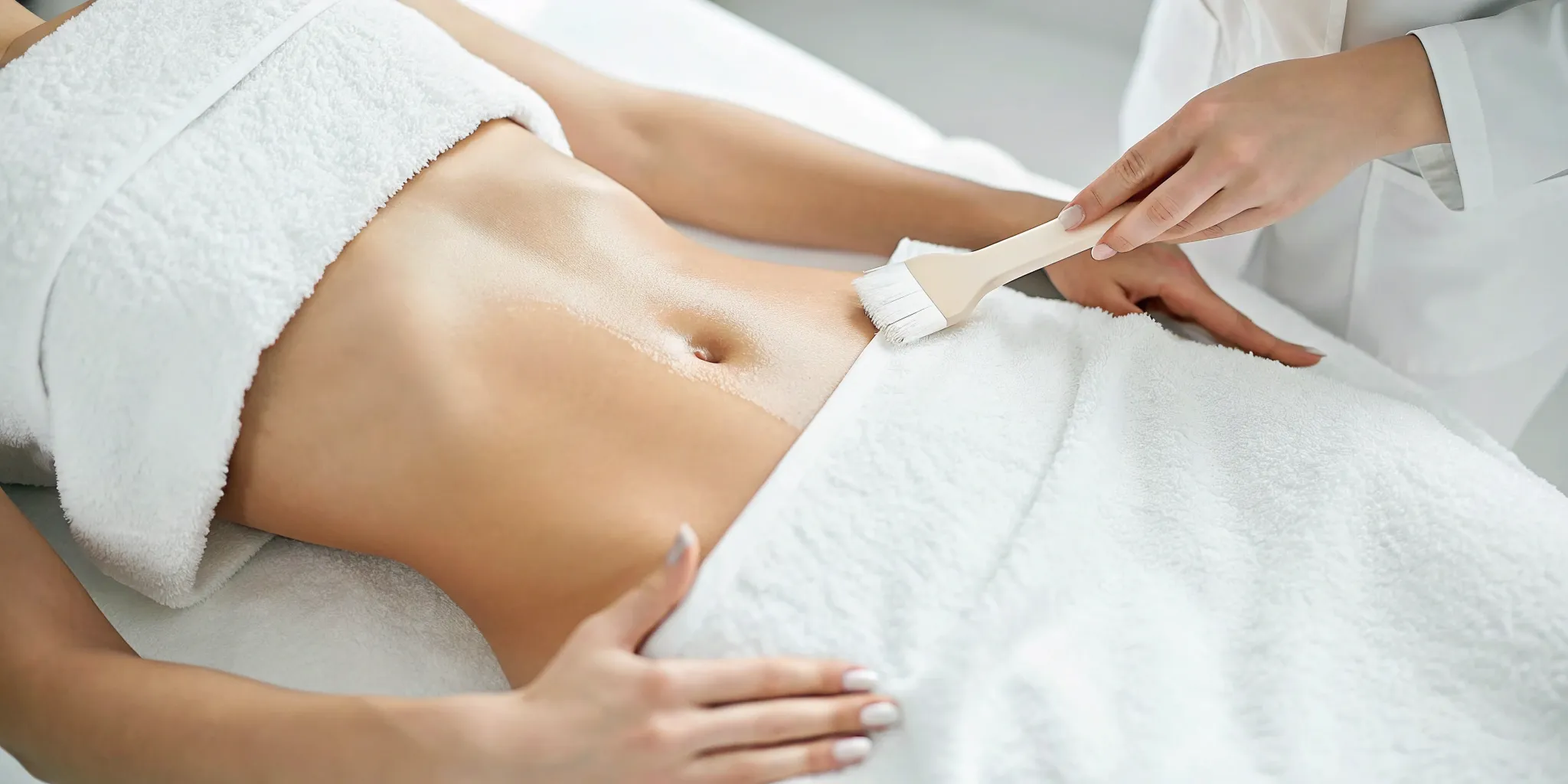
One of the best things about non-surgical skin tightening is how straightforward the process is. Most treatments are surprisingly quick, usually lasting between 30 and 90 minutes, making them easy to fit into a busy schedule. During the procedure, a specialized device delivers controlled energy—like radiofrequency or ultrasound—to the deeper layers of your skin. You might feel a warm sensation as the device works to stimulate collagen production. Most people find the experience comfortable with minimal pain. And since there’s no downtime, you can get right back to your day immediately after leaving our office.
How to Manage Potential Side Effects
After your treatment, it’s normal to experience some mild, temporary side effects. You might notice a bit of redness, slight swelling, or minor discomfort in the treated area, but this usually fades within a few hours to a couple of days. Think of it as a sign that your skin is starting its natural rejuvenation process. To help things along, we recommend drinking plenty of water, protecting your skin from the sun with a good SPF, and following the personalized aftercare routine we provide. Proper aftercare is key to getting the best results from our advanced skin treatments.
When Will You See Results?
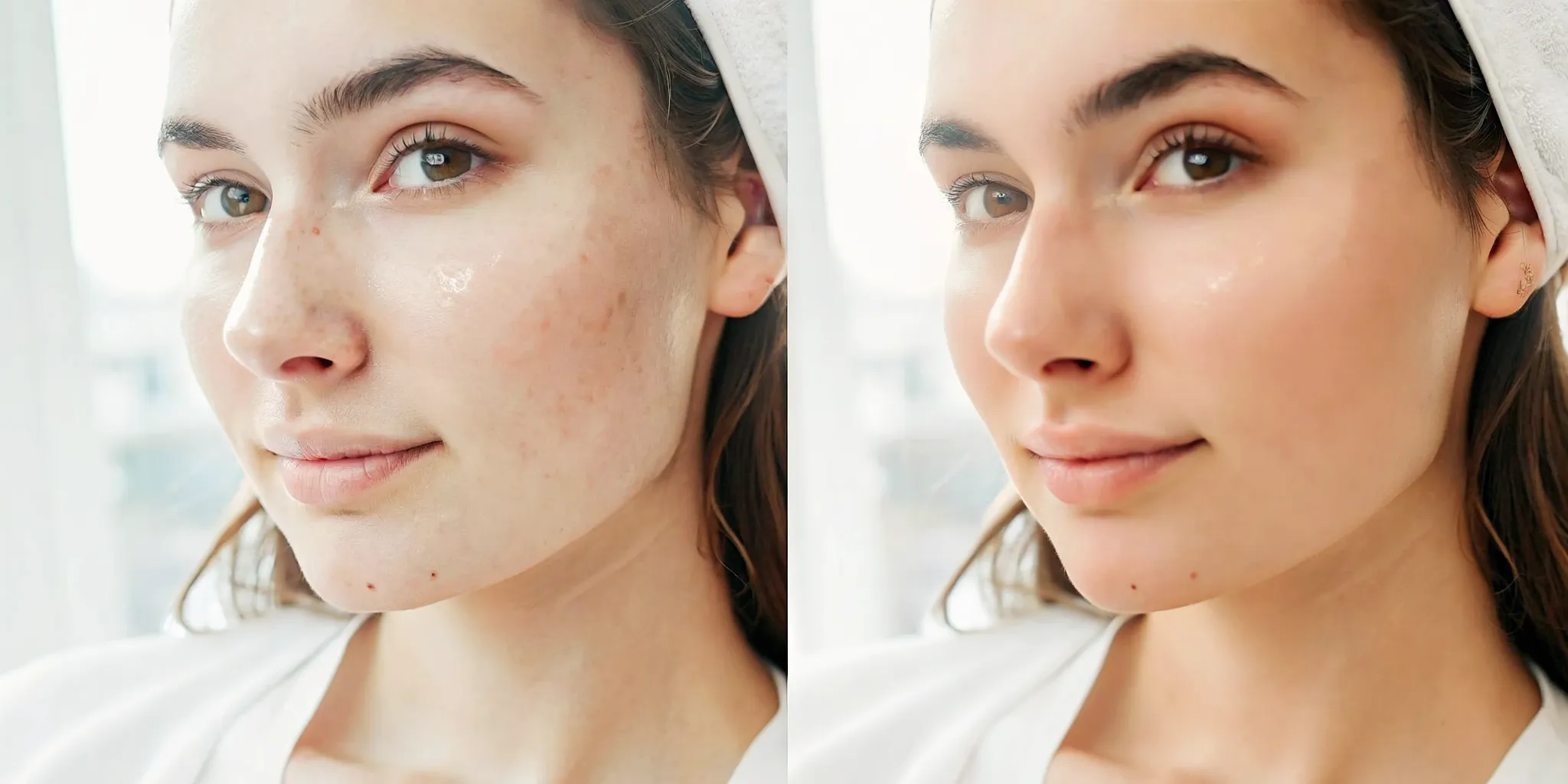
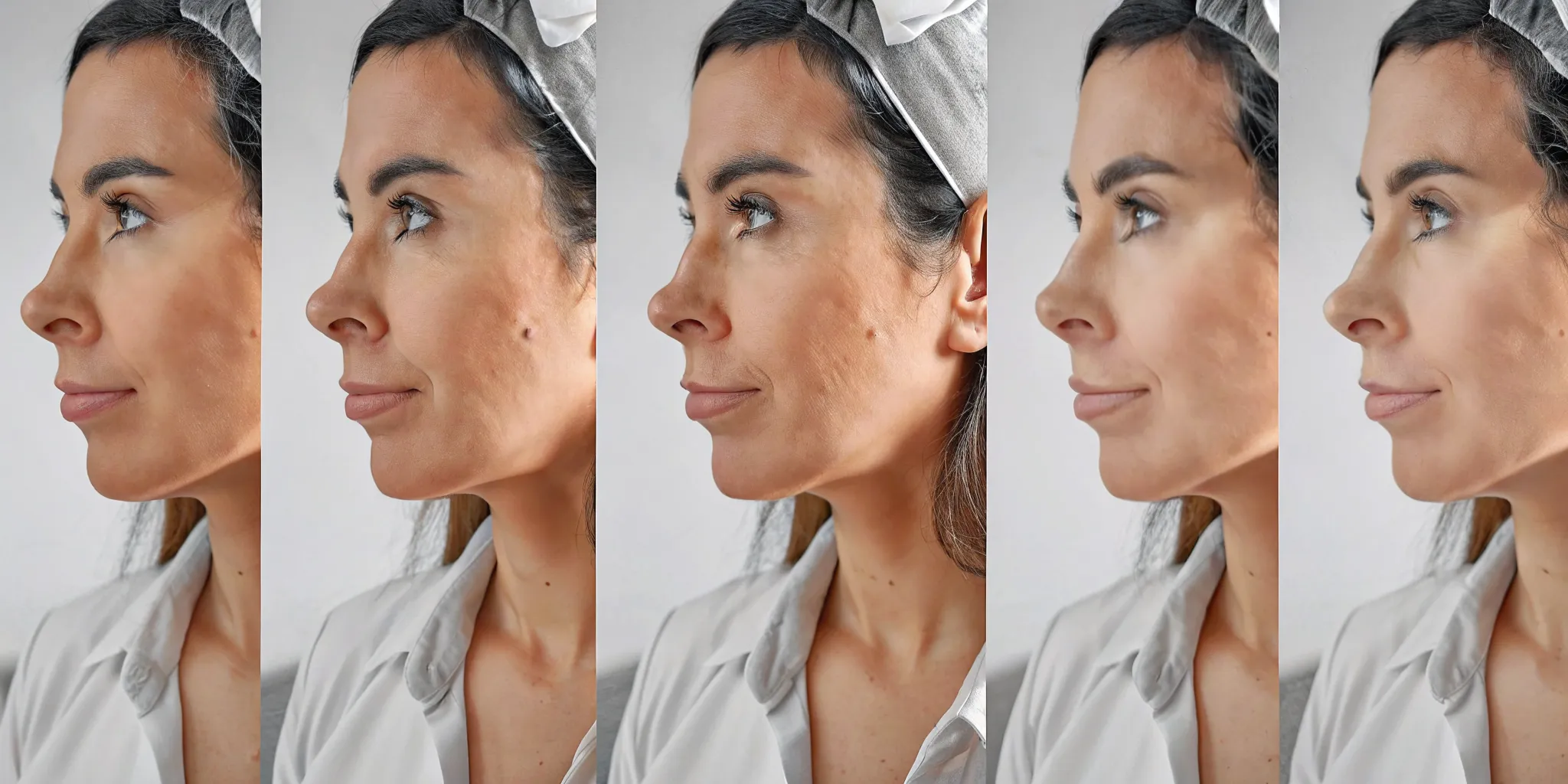
Patience is key when it comes to seeing the full effects of your skin tightening treatment. While you might notice some initial plumping, the real magic happens over time. The results appear gradually over the following weeks and months as your body produces new, healthy collagen. This slow and steady improvement leads to firmer, smoother, and more natural-looking skin. Depending on the treatment and your individual response, these beautiful results can last for up to a year. We can also discuss a maintenance plan to help you keep your skin looking its best for the long term.
How to Choose the Right Treatment for You
Deciding on a skin tightening treatment is a personal choice, and the best option depends entirely on your unique goals, body, and lifestyle. With so many choices available, it’s important to understand the key differences to find the perfect fit. Let’s walk through the main factors to consider so you can feel confident in your decision.
Compare Your Treatment Options
First, consider the type of results you’re looking for. Non-surgical treatments are fantastic for addressing mild to moderate skin laxity. These procedures typically use targeted energy, like radiofrequency, to gently heat the deeper layers of your skin. This process encourages your body to produce more collagen and elastin—the proteins responsible for firm, youthful skin. Minimally invasive options like microneedling are also highly effective. Surgical options, on the other hand, are more invasive but provide more dramatic and immediate results. The right path depends on your starting point and how significant a change you want to see.
Understand the Costs
Your budget is another practical factor to weigh. Generally, surgical procedures have a higher upfront cost, but their results are often considered more permanent. Non-surgical treatments tend to be less expensive per session, making them more accessible initially. However, it’s important to remember that these treatments often require multiple sessions to achieve your desired outcome. Think about both the initial investment and any potential long-term costs for maintenance. A personalized consultation is the best way to get a clear picture of the financial commitment for each option.
Find a Qualified Provider
This is the most important step in your journey. Your safety and results depend on the expertise of the person performing your treatment. Always seek out a licensed and experienced professional who works in a clean, reputable facility. A great provider will take the time to listen to your concerns, answer all your questions, and help you set realistic expectations. We always recommend scheduling a consultation to get to know the team and ensure you feel comfortable. You can contact us to book a one-on-one chat with our specialists.
Know the Maintenance Requirements
Finally, it’s crucial to understand what’s needed to maintain your results. While surgical procedures offer long-lasting effects, factors like aging and lifestyle will still play a role over time. For non-surgical treatments, follow-up sessions are a normal and necessary part of the plan. These maintenance treatments help you keep the collagen and elastin production going, ensuring your skin stays firm and smooth. Be sure to discuss the long-term maintenance plan with your provider so you know exactly what to expect after your initial series of treatments is complete.
How to Naturally Improve Skin Elasticity
While professional treatments can deliver incredible results for skin tightening, the habits you build at home play a huge role in supporting your skin’s health and elasticity. Think of these lifestyle adjustments as the foundation that helps you get the most out of any procedure. By focusing on nutrition, hydration, exercise, and a consistent skincare routine, you can help your skin stay firm, supple, and resilient from the inside out. These simple, natural strategies work hand-in-hand with our professional services to help you achieve and maintain the smooth, toned look you want.
Fuel Your Skin with Essential Nutrients
A healthy diet is one of the best things you can do for your skin. Eating foods packed with antioxidants—like berries, leafy greens, and nuts—helps protect your skin from damage that can lead to sagging. Vitamins C and E are also crucial for collagen production. Speaking of collagen, you might consider adding a supplement to your routine. Research has shown that oral collagen supplements can significantly improve skin elasticity and hydration over time. Focusing on a balanced diet full of lean proteins, healthy fats, and colorful produce gives your skin the building blocks it needs to stay firm and healthy.
Why Hydration is Key
You’ve heard it a million times, but it’s true: drinking enough water is essential for great skin. When your skin is well-hydrated, it looks plumper and more youthful, which helps minimize the appearance of fine lines and sagging. Dehydration, on the other hand, can make your skin look dull and less firm. Aim to drink water consistently throughout the day to keep your skin cells happy and healthy. If you want to give your skin an extra dose of moisture, professional treatments like a HydraFacial can provide deep, lasting hydration that complements your daily water intake and leaves your skin glowing.
The Role of Exercise
Regular physical activity is another fantastic way to support your skin’s elasticity. When you exercise, you increase blood flow, which delivers more oxygen and essential nutrients to your skin cells. This improved circulation helps keep your skin vibrant and healthy. A well-rounded fitness routine that includes cardio for heart health and strength training to tone the underlying muscles can make the skin on top appear tighter and smoother. Even just a brisk walk each day can make a difference, helping to flush out toxins and give your skin a natural, healthy glow.
Build a Daily Skincare Routine
What you put on your skin matters just as much as what you put in your body. A consistent daily skincare routine can make a real difference in your skin’s firmness. Look for products with ingredients known to support elasticity, such as retinol, which encourages cell turnover and collagen production. Firming creams and lotions containing peptides and antioxidants can also help improve your skin’s texture over time. For an even bigger impact, you can pair your home routine with professional microneedling treatments, which create micro-injuries to kickstart your body’s natural collagen and elastin production for truly noticeable results.
How to Maintain Your Results
After investing your time and energy into a stomach skin tightening treatment, you’ll want to make sure your amazing results last. Maintaining that firmer, smoother appearance isn’t just about what happens in our clinic; it’s also about the healthy habits you build into your daily life. Think of it as protecting your investment. By making a few key adjustments and committing to your skin’s long-term health, you can enjoy the benefits of your procedure for years to come. It’s all about creating a supportive routine that helps your skin stay at its best, combining simple daily practices with a smart plan for future care. Let’s walk through the best ways to do just that.
Make Simple Lifestyle Adjustments
What you do every day has a huge impact on your skin’s health and elasticity. Start with your diet. Eating foods rich in antioxidants, vitamins, and minerals helps your body build and protect collagen. Think colorful fruits, leafy greens, and lean proteins. Exercise is another key piece of the puzzle. A routine that includes strength training and cardio doesn’t just tone your muscles; it also improves circulation, which delivers vital nutrients to your skin. These simple lifestyle changes work from the inside out to support the results of your treatment and keep your skin firm.
Plan for Follow-Up Treatments
Non-surgical skin tightening treatments deliver incredible results, but they aren’t always a one-and-done solution. Because these procedures work by stimulating your body’s natural collagen production, the effects can fade over time as the natural aging process continues. To keep your skin looking its best, it’s a good idea to plan for maintenance sessions. Depending on the treatment you choose, we might recommend a follow-up appointment every year or so. Working with your provider to create a long-term care plan ensures your results remain consistent and you continue to love what you see in the mirror.
Monitor Your Progress
Staying engaged with your results is one of the best ways to maintain them. Take photos every few months to track your progress and notice any subtle changes over time. This helps you see how well your lifestyle adjustments are working and decide when it might be time for a touch-up treatment. You can also incorporate simple at-home practices, like regular massages, to help improve circulation in the area. Using topical skincare products with ingredients like retinol can also support skin firmness. By paying close attention, you can address any changes proactively and keep your stomach area looking smooth and toned.
Commit to Long-Term Skin Health
Great results are built on a foundation of great skin health. Two of the most important habits you can adopt are staying hydrated and protecting your skin from the sun. Drinking plenty of water keeps your skin cells plump and resilient, which can reduce the appearance of fine lines. Sunscreen is non-negotiable. UV rays break down collagen and elastin, actively working against your treatment results. Make applying a broad-spectrum SPF a daily habit, even on cloudy days. When you contact us for a consultation, we can help you build a complete skincare routine that protects your investment and promotes healthy skin everywhere.
Related Articles
- Tummy Laser Skin Tightening: A Complete Guide – Ultimate Image MedSpa
- Best Skin Tightening Service | Elevate Your Beauty
Frequently Asked Questions
How do I know if I’m a better candidate for a non-surgical treatment or a tummy tuck? The best way to decide is to look at the amount of loose skin you have. Non-surgical treatments are fantastic for people with mild to moderate skin laxity—the kind you might see after having a baby or losing a smaller amount of weight. If you have a significant amount of sagging skin, a surgical option like a tummy tuck might be more effective. The most important step is to schedule a consultation so a professional can assess your skin and help you choose the path that aligns with your goals.
Are non-surgical skin tightening treatments painful? Most people find these treatments to be very comfortable. You will likely feel a warming sensation on your skin as the device works to stimulate collagen, but it’s generally not described as painful. Our priority is to make sure you have a positive and relaxing experience. We’ll talk you through every step of the procedure to ensure you feel at ease from start to finish.
How many treatment sessions will I need to see results? The number of sessions you’ll need really depends on your individual skin condition and the specific goals you want to achieve. Typically, we recommend a series of treatments to get the best possible outcome. During your initial consultation, we will create a personalized plan that outlines the recommended number of sessions and the timeline, so you’ll know exactly what to expect.
Can diet and exercise get rid of loose skin on their own? While a healthy diet and regular exercise are incredibly important for your overall health, they can’t fully correct skin that has lost its elasticity. Strength training can tone the muscles underneath the skin, which can help improve the area’s appearance, but it won’t shrink the skin itself. Professional treatments are designed to target the skin directly by stimulating new collagen growth to create a firmer, smoother surface.
How long do the results from non-surgical treatments typically last? The results are long-lasting because the treatment helps your body produce its own new collagen. However, the natural aging process continues, so the results are not permanent. Most people enjoy their firmer skin for a year or more. We recommend a maintenance plan with occasional follow-up sessions to help you preserve your results for as long as possible.