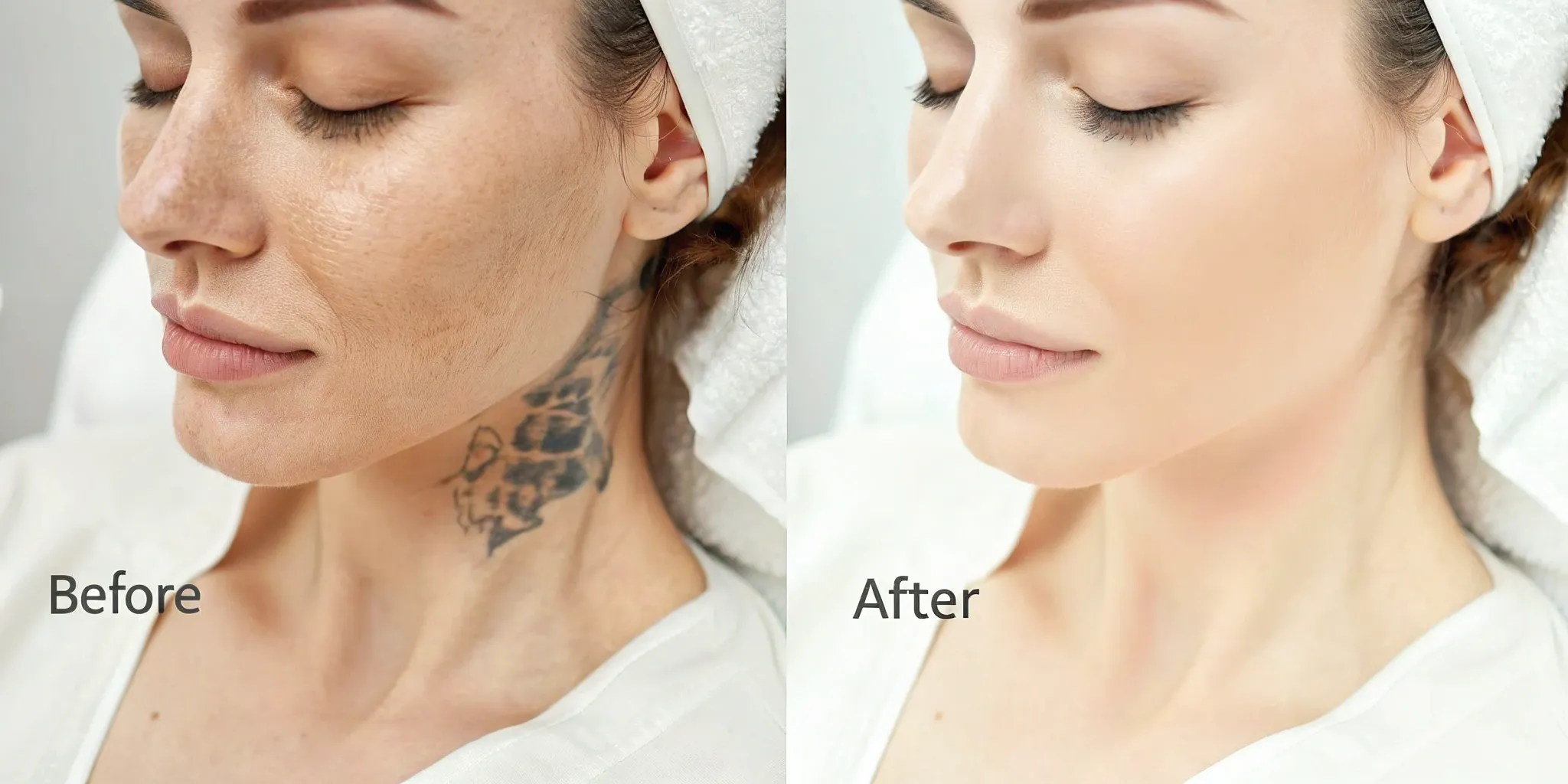
Think about painting a room. If you wanted to paint a light, bright color over a dark, black wall, you wouldn’t just slap on a single coat and hope for the best. You’d use a primer first to create a neutral base. Your skin works the same way. Covering a dark, dense tattoo with a new design is like painting over that black wall—the old ink will almost always show through, muddying the new colors. Professional tattoo fading for cover up acts as that essential primer. It lightens the old ink, creating a cleaner canvas so your new tattoo’s colors and details can truly shine, resulting in a vibrant piece you’ll love for years.
Key Takeaways
- A Lighter Canvas Means Better Art: Fading your old tattoo is the best way to prepare for a cover-up. It gives your artist the freedom to create a detailed, vibrant design instead of being forced to use heavy, dark ink to hide the old piece.
- Fading Requires Fewer Sessions Than Full Removal: Preparing for a cover-up doesn’t mean starting from a blank slate. You’ll only need a few laser treatments to lighten the old ink, making the process much quicker and more cost-effective than complete removal.
- Patience After Your Final Session is Crucial: Don’t rush to the tattoo studio. Waiting at least six weeks after your last laser treatment allows your skin to fully heal, creating the ideal surface for your new tattoo and preventing complications.
Why Fade a Tattoo Before a Cover-Up?
Thinking about covering up an old tattoo? You might be tempted to jump straight to your tattoo artist, but hitting pause for a few laser sessions can make all the difference. Fading your old ink first gives your artist a much cleaner canvas to work with, opening up a world of possibilities for your new design. It’s the key to getting a cover-up you’ll truly love, without any ghosts of tattoos past peeking through. Let’s break down why this extra step is so worth it.
How Does Tattoo Fading Actually Work?
Fading a tattoo isn’t magic—it’s science. The process uses advanced laser technology to break down the ink particles embedded in your skin. At Ultimate Image MedSpa, we use specialized lasers that send pulses of light energy into the tattoo, shattering the ink into tiny fragments. Your body’s immune system then naturally flushes these particles away over time. It’s a gradual process that requires several sessions, but each treatment lightens the tattoo more and more. This method is the safest and most effective way to prepare your skin for a new piece of art, creating the ideal starting point for your laser tattoo removal journey.
Why Your Tattoo Artist Wants You to Fade Your Old Ink
Ask any great tattoo artist, and they’ll tell you: a faded tattoo is a dream to cover. When your old ink is dark and bold, it severely limits your options for a new design. Your artist is forced to use heavy, dark colors to hide the old tattoo, which can result in a muddy, undefined piece. By fading the original tattoo first, you give your artist creative freedom. They can use a wider range of colors, create more intricate details, and ensure your new tattoo looks vibrant and crisp. It’s the difference between a cover-up that just hides the old ink and one that completely transforms it into something beautiful you’re excited to show off.
Fading vs. Full Removal: What’s Right for You?
Deciding between fading and full removal comes down to your end goal. If you want to erase a tattoo completely, full removal is your path. But if you’re planning a cover-up, you only need to fade the existing ink. Fading is a much quicker and more cost-effective option, typically requiring just a few laser sessions to lighten the tattoo enough for an artist to work over it. Full removal, on the other hand, takes more appointments to achieve clear skin. Think about what you want for your skin in the long run. If a new tattoo is in your future, fading is the perfect first step toward getting the artwork you really want.
Your Tattoo Fading Options
When you’re ready to lighten old ink for a new design, you have a few paths you can take. From professional treatments to at-home remedies, each option comes with its own pros and cons. Let’s break down what actually works so you can make the best choice for your skin and your future tattoo.
Laser Fading: The Professional Choice
If you want the best possible canvas for your cover-up, laser fading is the gold standard. This method uses concentrated light to break down the ink particles in your skin, allowing your body to naturally clear them away. The result? A significantly lightened tattoo that gives your artist much more creative freedom. You won’t be forced into a design that’s just bigger and darker than your old one. Most artists recommend a few laser tattoo removal sessions to achieve the ideal fade. Typically, three to five treatments are enough to prepare the area, which is fewer than what’s needed for complete removal, making it a more efficient and cost-effective choice for your cover-up project.
Do Fading Creams Really Work?
You’ve probably seen tattoo fading creams online, promising an easy, painless way to erase old ink. But do they live up to the hype? Honestly, not really. These creams can only affect the very top layer of your skin, which means they might slightly lighten ink that’s close to the surface. However, for the deeper, darker pigments that make up most professional tattoos, they just aren’t effective. If you’re dealing with a brand-new tattoo you regret, it’s crucial to let it heal completely before trying anything. For a fade that truly prepares your skin for a cover-up, professional laser treatment is a much more reliable path to getting the results you want.
Can You Fade a Tattoo Naturally?
For those who prefer a DIY approach, some natural methods are said to help fade tattoos over time. Ideas like applying lemon juice or using salt and sugar scrubs are popular online suggestions. These methods work by exfoliating the top layers of skin, which might cause some very minor fading over a long period. However, it’s important to set realistic expectations. Natural fading is a slow process, and the results are often minimal, especially on professionally done tattoos. According to some tattoo studios, these at-home remedies can take weeks to show even slight changes. While they might seem appealing, they don’t offer the controlled, effective results you’ll get from a professional treatment.
How Many Laser Sessions Will You Need?
One of the first questions on everyone’s mind is, “How long will this take?” While there’s no magic number, the good news is that fading a tattoo for a cover-up requires significantly fewer sessions than complete removal. Think of it as creating a lighter canvas for your tattoo artist to work their magic on, rather than wiping the slate completely clean.
The exact number of sessions you’ll need is unique to you and your tattoo. It’s a process that depends on a variety of factors, from the ink in your skin to the design you have planned. Most tattoo artists find that just a few laser tattoo removal sessions are enough to lighten an old piece for a successful cover-up. During your initial consultation, we’ll assess your tattoo and discuss your goals to create a personalized treatment plan. This ensures we’re all on the same page and working toward giving your tattoo artist the best possible starting point for your new ink.
Key Factors That Influence Your Fading Timeline
Your fading timeline is a team effort between you, your laser technician, and your tattoo artist. The goal isn’t to erase the old tattoo completely but to lighten it enough so it doesn’t peek through the new design. For most people, this means you can expect somewhere between two and five laser sessions. Your tattoo artist can give you a good idea of how light the old piece needs to be for your new design to look its best. This collaboration ensures you don’t undergo more sessions than necessary, saving you time and money while getting you ready for your new art.
How Your Skin and Ink Play a Role
Every person and every tattoo is different, which is why a personalized approach is so important. The number of sessions you’ll need depends heavily on your skin type, the colors of the ink, and the tattoo’s density. For example, black ink is typically the easiest to fade, while lighter colors like yellow, green, and light blue can be more stubborn. Your skin tone also plays a part in how we approach the treatment. The best way to get a clear picture of your specific needs is to schedule a consultation where we can evaluate your tattoo in person and give you a realistic timeline.
Does the Tattoo’s Age, Color, or Location Matter?
Yes, all three of these factors have a big impact on the fading process. An older tattoo has often already started to fade naturally as your body breaks down the ink, which can mean fewer sessions. As for color, black ink absorbs the laser energy most effectively, making it the quickest to lighten. Location is also key; tattoos on areas with better circulation, like your torso, tend to fade faster than those on your hands or feet. If your old tattoo is very dark and dense, fading it first is crucial. Trying to cover a dark tattoo without fading can force your artist to use heavy, dark inks, which can compromise the new design.
Busting Common Myths About Tattoo Fading
Let’s clear up a couple of common misconceptions. First, you do not need to completely remove your old tattoo to get a cover-up. Fading it is a much faster and more affordable option. Most clients only need about three to four sessions to lighten the ink sufficiently, which is a fraction of the time and cost of full removal. Second, while it’s a faster process than total removal, it isn’t an overnight fix. It’s a journey that requires patience and proper healing time between appointments. Rushing the process won’t do your skin or your future tattoo any favors.
What to Expect During and After Treatment
Deciding to fade your tattoo is the first step, but knowing what comes next makes the whole process feel much more manageable. From the sensation of the laser to your aftercare routine, being prepared is key to a smooth experience. We’ll walk you through exactly what happens during your sessions and how to care for your skin afterward to get it ready for that beautiful new cover-up you’ve been dreaming of. It’s a straightforward process, and our team is here to support you every step of the way.
Let’s Talk About Pain: What It Really Feels Like
Let’s get right to it: does laser tattoo fading hurt? The most common comparison is that it feels like a rubber band snapping against your skin. For many people, the sensation is similar to the feeling of getting the tattoo in the first place. The good news is that laser tattoo removal sessions are incredibly fast, often lasting just a few minutes depending on the size of your tattoo. At Ultimate Image MedSpa, your comfort is our priority. We use advanced cooling techniques to soothe the skin during treatment, making the experience as comfortable as possible.
How to Prep Your Skin for Your Appointment
A little preparation goes a long way in ensuring you get the best results from your laser session. In the weeks leading up to your appointment, try to keep the tattooed area out of the sun, as treatment can’t be performed on sunburnt skin. On the day of your session, make sure the area is clean and free of any lotions, creams, or fragrances. It’s also a good idea to be well-hydrated and have a little something to eat beforehand. If you have any questions about your specific tattoo, our experts are here to help. You can always contact us to schedule a consultation for personalized advice.
Your Essential Aftercare Checklist
What you do after your session is just as important as the treatment itself. Proper aftercare helps your skin heal correctly and ensures the fading process is effective, creating the perfect canvas for your new ink. For the first few days, keep the treated area clean and dry. We’ll provide you with a recommended ointment to apply to keep it moisturized and protected. It’s also crucial to avoid direct sun exposure, hot tubs, and swimming pools while your skin is healing. You might experience some redness, swelling, or blistering—this is normal. Just remember not to pick at it, and let your body do its work.
Budgeting for Your Tattoo Fading
One of the best parts about fading a tattoo for a cover-up is that it’s much more affordable than complete removal. Because you only need to lighten the old ink, you’ll typically require fewer sessions—often just three to four. The exact cost will depend on your tattoo’s size, colors, and complexity, so a consultation is the best way to get a precise quote. While paying per session is an option, it can sometimes cost more in the long run. Be sure to ask about treatment packages during your visit, as they can offer significant savings. We offer a range of services and can help you find a plan that fits your budget.
When Is It Safe to Get Your Cover-Up?
After your final laser session, the excitement to get your new tattoo is totally understandable. You’ve been patient through the fading process, and you’re so close to the finish line. But this last waiting period is one of the most important parts of the entire journey. Rushing to the tattoo studio too soon can compromise your skin’s health and the quality of your new art. Giving your skin the time it needs to fully recover ensures your cover-up will look incredible and heal beautifully. Think of it as prepping the perfect canvas. A little more patience now pays off with a tattoo you’ll love for years to come.
The Healing Process: How Long to Wait
So, how long do you need to wait? We recommend waiting at least six weeks after your final laser tattoo removal session before getting your cover-up. This isn’t an arbitrary number; it’s based on your body’s natural healing cycle. The laser breaks down the ink, but your immune system does the work of flushing it out. This process takes time and continues long after any surface irritation has faded. Giving your skin that full six weeks allows it to completely regenerate, ensuring it’s strong and stable enough to handle new ink without complications.
Signs Your Skin is Ready for New Ink
Your body will give you clear signals when it’s ready for the next step. Look for skin that has returned to its normal state. This means there should be no lingering redness, swelling, or scabbing in the treated area. The texture of your skin should feel smooth, not raised, bumpy, or tender to the touch. Essentially, it should look and feel just like the skin around it. If you notice any sensitivity, it’s a sign your body is still healing. When in doubt, it’s always best to wait a little longer. If you’re unsure, you can always contact us for a follow-up.
Partnering with Your Tattoo Artist for the Best Outcome
Think of your laser technician and your tattoo artist as your personal dream team. Open communication is the secret to a flawless cover-up. Before you even start fading, chat with your tattoo artist about your cover-up design. They can tell you how light the old tattoo needs to be, which helps us create a targeted treatment plan. It’s a great idea to collaborate with your artist throughout the process. They can check on the progress and confirm when the canvas is ready for their masterpiece. This teamwork ensures you get the best possible result without undergoing more sessions than necessary.
Setting Realistic Expectations for Your New Tattoo
It’s important to remember that fading for a cover-up is different from full removal. The goal isn’t a blank slate but a lightened canvas that gives your artist creative freedom. The great news is this usually requires far fewer sessions—often just three to four—compared to complete removal. This makes the process faster and more affordable. By lightening the old ink, you open up a world of possibilities for your new art, allowing for more intricate designs and even lighter colors in your cover-up piece. It’s one of the most effective services we offer for a fresh start.
Related Articles
- Tattoo Removal Stages: Your Healing Process Explained – Ultimate Image MedSpa
- Tattoo Removal Before & After: Real Patient Photos & Expectations – Ultimate Image MedSpa
Frequently Asked Questions
Do I absolutely have to fade my tattoo before a cover-up? While you don’t have to, it’s highly recommended if you want the best possible result. Trying to cover a dark, dense tattoo severely limits your artist’s options, often forcing them into a much larger and darker design. Fading the old ink first creates a lighter canvas, giving your artist the creative freedom to design a piece you truly love, with more detail and color possibilities.
How is fading for a cover-up different from full removal? Think of it as the difference between priming a wall and stripping it completely. For a cover-up, the goal isn’t to erase every trace of the old tattoo. Instead, we just need to lighten it enough so it won’t show through the new design. This means you’ll need significantly fewer laser sessions, which saves you both time and money compared to the longer process of complete removal.
Will the laser treatment damage my skin or affect how the new tattoo heals? This is a common concern, but when performed by a trained professional, laser treatment is very safe for your skin. The laser targets the ink pigment specifically, leaving the surrounding skin tissue unharmed. By following the proper aftercare instructions and waiting the recommended time for your skin to fully heal, you create a healthy, stable surface for your new tattoo to be applied to and heal beautifully.
How light does my old tattoo actually need to be for the cover-up? The ideal level of fading really depends on the new design you have in mind. A design with a lot of light colors or delicate shading will require a lighter canvas than a piece with bold, dark elements. The best approach is to talk with your tattoo artist beforehand. They can give you a clear idea of how much fading is needed, and we can then tailor your treatment plan to meet that specific goal.
What happens if I don’t wait long enough before getting my new tattoo? Patience is key here. Getting a new tattoo before your skin has fully recovered from the laser treatment can lead to complications. Your skin might still be sensitive, which can make the tattooing process more painful and interfere with healing. It can also affect how the new ink settles, potentially leading to a blurry or uneven final result. Waiting at least six weeks ensures your skin is strong and ready for the new art.