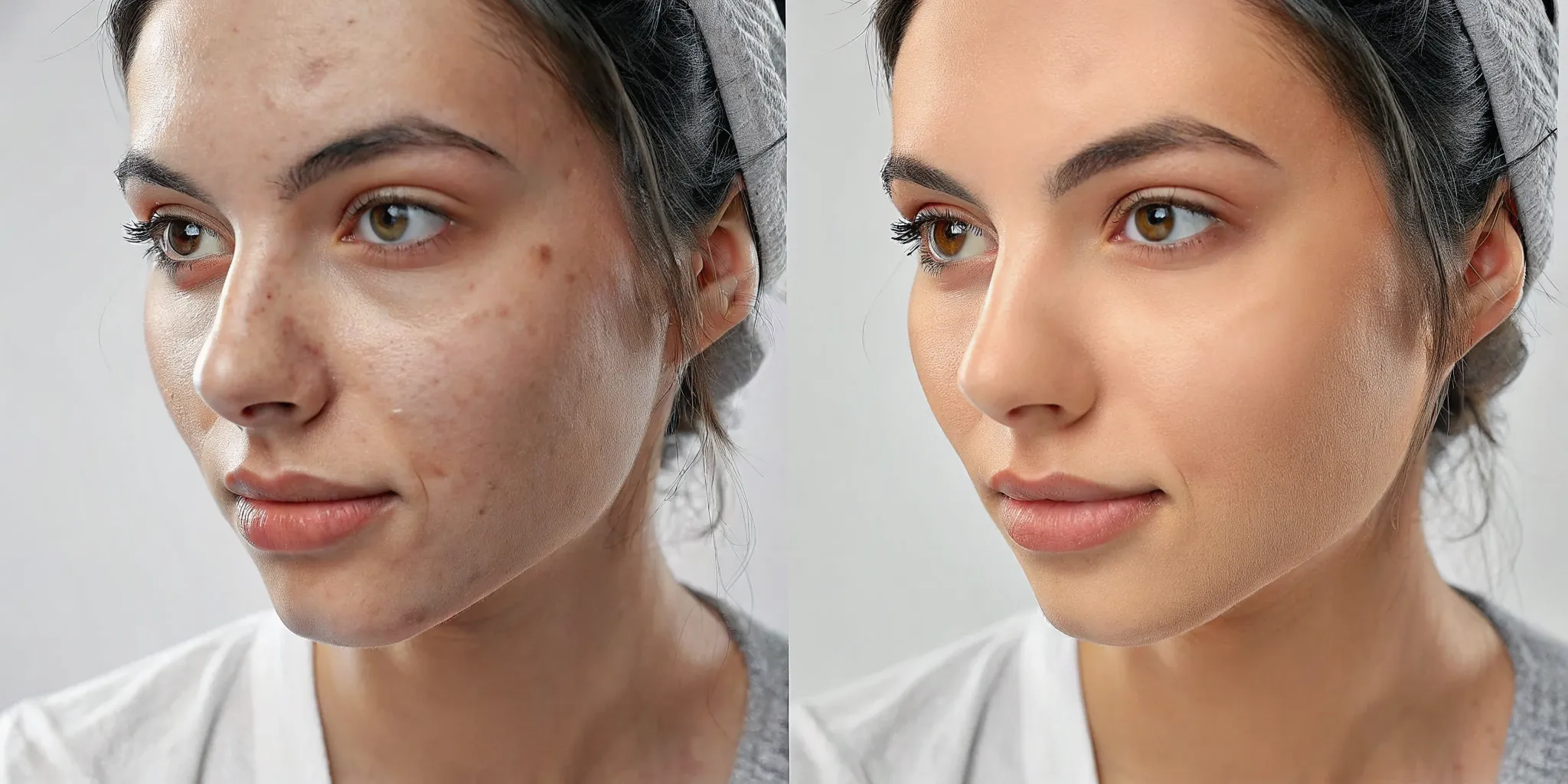
Achieving an even, glowing skin tone is a common goal, but getting there can feel like a constant struggle against sun damage, hormonal changes, and post-acne marks. When topical products aren’t enough, it’s time to consider a treatment that works on a deeper level. The VI Peel is a professionally administered chemical peel that delivers significant, visible results by targeting unwanted pigment where it forms. It’s one of the most reliable solutions for anyone looking to correct discoloration. We’ll explore how the VI Peel hyperpigmentation treatment can transform your skin, what the process involves, and how to maintain your beautiful results for the long term.
Key Takeaways
- The VI Peel tackles dark spots from multiple angles: Its unique formula combines several powerful acids to break down different types of discoloration—from sun spots and melasma to stubborn post-acne marks—making it a safe and effective choice for a wide range of skin tones.
- Successful recovery depends on three simple rules: To get the best results, you must commit to your aftercare. This means keeping your skin hydrated with a gentle moisturizer, resisting the urge to pick at peeling skin, and making daily sun protection a non-negotiable habit.
- Achieving and maintaining clear skin is a partnership: While one peel reveals brighter skin, lasting change often requires a series of treatments. A consistent at-home routine, especially daily sunscreen use, is essential for protecting your investment and keeping your complexion even and radiant long-term.
What is a VI Peel and How Does It Work?
If you’re dealing with stubborn dark spots, uneven skin tone, or the lingering reminders of past breakouts, you’ve likely heard about chemical peels. The VI Peel is a standout in this category. It’s a medium-depth peel specifically formulated to target hyperpigmentation. Think of it as a powerful reset button for your skin. It uses a unique blend of ingredients to gently remove damaged outer layers of skin, revealing the brighter, more even-toned skin underneath.
Unlike some treatments that only work on the surface, the VI Peel is designed to get to the root of the problem. It exfoliates and encourages new cell growth, which helps break up and clear away unwanted pigment. Whether you’re looking to address sun damage or other forms of discoloration, this peel is one of the most effective aesthetic services available for achieving a clearer complexion. It’s a straightforward and highly effective way to get your skin looking its absolute best.
What’s in the VI Peel Formula?
The magic of the VI Peel lies in its specific blend of ingredients. This isn’t a single-acid peel; it’s a cocktail of powerhouse components that work together to deliver impressive results. The formula includes Trichloroacetic Acid (TCA), Retinoic Acid, Salicylic Acid, Phenol, and Vitamin C. Each one is chosen for a specific job, and when combined, they create a synergistic effect that deeply exfoliates, stimulates collagen, and targets pigmentation. This thoughtful combination is what makes the VI Peel so effective and suitable for a variety of skin types. It’s a comprehensive approach to skin renewal in one simple treatment.
The Key Ingredients That Target Hyperpigmentation
Let’s break down what each ingredient in the VI Peel does for your skin. TCA and Phenol are the primary exfoliants, working to remove the dead, discolored skin cells from the surface. Retinoic Acid then comes in to speed up cell turnover, pushing fresh, new cells to the surface while helping to disperse pigment. Salicylic Acid is fantastic for clearing out pores and reducing the kind of inflammation that can lead to post-acne marks. Finally, Vitamin C, a potent antioxidant, works to brighten your overall skin tone and helps prevent new dark spots from forming. Together, they tackle hyperpigmentation from every angle.
How the VI Peel Breaks Down Dark Spots
The VI Peel’s effectiveness comes from its ability to work deeper than the surface. Instead of just providing a light exfoliation, its formula penetrates the epidermis to reach the source of the pigmentation. The acids work to break apart the clusters of melanin (the pigment that causes dark spots) and lift them away as your skin peels. At the same time, ingredients like Retinoic Acid are busy stimulating your skin to produce new, healthy cells. This process is similar to how other treatments like microneedling encourage skin renewal. The result is a dual-action treatment that removes existing discoloration while paving the way for a clearer, more uniform complexion.
What Types of Discoloration Can It Treat?
One of the best things about the VI Peel is its versatility. It’s highly effective for a wide range of pigmentation issues that many of us face. This includes sun spots and age spots that accumulate over time from sun exposure. It’s also a go-to treatment for melasma, which often appears as dark patches on the face due to hormonal changes. Additionally, the VI Peel works wonders on post-inflammatory hyperpigmentation—those frustrating dark marks that acne breakouts or minor skin injuries leave behind. By addressing these different forms of discoloration, the peel helps you achieve a significantly more even and radiant skin tone. If you’re curious about what it can do for you, it’s always a great idea to schedule a consultation.
Your VI Peel Appointment: Step-by-Step
Knowing what to expect can make any new skincare treatment feel more comfortable and exciting. From the initial chat with your specialist to the moment you see your fresh, glowing skin, the VI Peel process is a straightforward journey. We’ll walk through each phase so you feel completely prepared for your appointment and the amazing results that follow.
The Pre-Treatment Consultation
Your journey to clearer skin starts with a one-on-one consultation. This is where a specialist will get to know you and your skin. They’ll assess your hyperpigmentation, discuss your goals, and determine which VI Peel formula is the perfect match for you. To get your skin ready, you’ll likely be asked to pause using products with active ingredients like retinoids or acids for a few days beforehand. This step is all about creating the ideal canvas for the peel to work its magic. Ready to get started? You can schedule a consultation with our team to create your personalized treatment plan.
What Happens During the Peel?
The peel application itself is surprisingly quick, usually taking about 30 minutes. Your provider will cleanse your skin thoroughly before applying the VI Peel solution in a few layers. As it’s applied, you might feel a slight tingling or warming sensation, but it’s generally very tolerable. Once the application is complete, you’re all set to head home—with the peel solution still on your skin! Your specialist will give you precise instructions on when to wash it off, typically four to six hours later. This allows the powerful ingredients to penetrate deeply and begin the renewal process.
Let’s Talk Comfort: Does a VI Peel Hurt?
This is one of the most common questions we hear, and the answer is great news: most people experience little to no pain during a VI Peel. The sensation is often described as a mild tingling or stinging that subsides very quickly after the solution is applied. Unlike more aggressive treatments, the VI Peel is designed to be gentle yet effective. If you do feel any minor discomfort afterward, it can typically be managed with an over-the-counter pain reliever like Tylenol. Our goal is to ensure your experience is as comfortable as possible while you work toward your skincare goals.
The Peeling Process: A Day-by-Day Guide
The “peel” part of the VI Peel is when the real transformation happens. Here’s a typical timeline:
- Days 1-2: Your skin will likely feel a bit tight and may look slightly red or tan, similar to a mild sunburn.
- Days 3-5: This is when the peeling usually begins. It often starts around the mouth, chin, and nose before extending to other areas. Let the skin shed naturally—no picking!
- Days 6-7: The majority of the peeling should be complete. As the old, damaged skin flakes away, it reveals the smoother, brighter, and more even-toned skin underneath. While this process is happening, other treatments like microneedling have a different kind of recovery, which is why a consultation is key to finding the right fit for your schedule.
Your Essential Aftercare Checklist
How you care for your skin after the peel is just as important as the treatment itself. Following a proper aftercare routine ensures you heal beautifully and get the best possible results. Your provider will give you a detailed plan, but here are the core rules:
- Moisturize, moisturize, moisturize: Apply a gentle, non-scented moisturizer three to five times a day to soothe the skin and manage tightness.
- Stay out of the sun: Your new skin is very sensitive. Avoid direct sun exposure as much as possible.
- Sunscreen is non-negotiable: When you do go outside, wear a broad-spectrum sunscreen with a high SPF.
- Hands off: Resist the urge to pick, pull, or scrub at peeling skin. Let it fall off on its own to prevent scarring.
- Pause the makeup: Avoid wearing foundation or concealer until the peeling process is completely finished.
After the Peel: Managing Recovery and Side Effects
Alright, your VI Peel is done! Now comes the most important part for getting those gorgeous, even-toned results: aftercare. The next seven days are all about protecting your fresh, new skin as it reveals itself. Think of it as a partnership between you and the peel—the treatment did its job, and now it’s your turn to nurture the results. Proper care minimizes side effects, keeps you comfortable, and ensures your skin heals beautifully. Let’s walk through exactly what to expect and how to handle the recovery process like a pro.
What Side Effects Are Normal?
First things first: don’t be alarmed when your skin starts to change. It’s all part of the process! In the days following your VI Peel, it’s completely normal to experience some redness, swelling, itching, or a mild burning sensation, similar to a sunburn. This is a sign that the peel’s ingredients are working to regenerate your skin. The main event, of course, is the peeling itself, which usually starts around day three. While less common, some people may experience blistering or temporary changes in skin color. Following your aftercare instructions carefully is the best way to avoid any complications.
Tips for Managing Discomfort
While the peel works its magic, you might feel a little uncomfortable, but there are simple ways to find relief. If your skin feels warm or itchy, a cool compress can be incredibly soothing. Gently press it against the affected areas for a few minutes at a time. The most important thing you can do is keep your skin hydrated. Applying a gentle, non-scented moisturizer multiple times a day will help calm irritation and reduce the temptation to pick at flaking skin. And on that note, please resist the urge to pull or scrub off the peeling skin! Let it shed naturally to prevent scarring.
When to Call Your Specialist
We’re here to support you through your entire skin journey. While mild discomfort is expected, you should never feel like you have to tough it out if something feels wrong. If you experience severe or prolonged pain, signs of an infection, or any other reaction that concerns you, it’s time to get in touch. Your peace of mind is our priority. Trust your instincts—if you’re worried about how your skin is healing, please don’t hesitate to contact us. A quick call can provide reassurance and ensure you’re on the right track for a smooth recovery.
Your Post-Peel Skincare Routine
Your post-peel skincare routine should be simple and gentle. For the first week, your new mantra is “hydrate and protect.” Use a mild, soap-free cleanser with lukewarm water and gently pat your skin dry—no rubbing. Your hero product will be a high-quality, calming moisturizer; apply it generously throughout the day to keep your skin soft and comfortable as it peels. It’s crucial to avoid any harsh products, including exfoliants (like scrubs or brushes), retinoids, and acids (like glycolic or salicylic acid), until your specialist gives you the green light. Let your skin heal without any interference.
The Golden Rule: Sun Protection
This is the most critical rule of post-peel care: protect your skin from the sun. Your new skin is delicate and extremely susceptible to UV damage. Unprotected sun exposure can quickly reverse your results and even lead to new hyperpigmentation. For at least a month after your peel, you need to be diligent about sun protection. This means applying a broad-spectrum sunscreen with an SPF of 30 or higher every single day, even if it’s cloudy or you’re indoors. The American Academy of Dermatology recommends reapplying every two hours. For extra defense, wear a wide-brimmed hat and sunglasses when you’re outside.
What Results Can You Expect?
This is the part everyone gets excited about—seeing that fresh, even-toned skin emerge. After committing to a treatment like the VI Peel, you’re eager to see the payoff. The great news is that the VI Peel has a strong track record for delivering a brighter, more uniform complexion. However, it’s helpful to remember that results are a process, not an instant fix. Your final outcome will depend on a few factors, including the type and depth of your hyperpigmentation, your skin type, and how well you follow your aftercare plan.
The journey to clearer skin starts as soon as the peeling subsides, revealing a smoother and more radiant surface. This initial glow is just the beginning. The peel continues to work within the deeper layers of your skin to break up pigment and encourage healthy cell turnover long after your appointment. While some people see a dramatic change after just one session, others with more stubborn discoloration will see gradual improvement over a series of treatments. We’ll walk through what a typical timeline looks like, how many sessions you might need, and what you can do to ensure your beautiful results last for the long haul. Understanding the process helps you set realistic expectations and fully appreciate the amazing transformation your skin is undergoing.
How Soon Will You See a Difference?
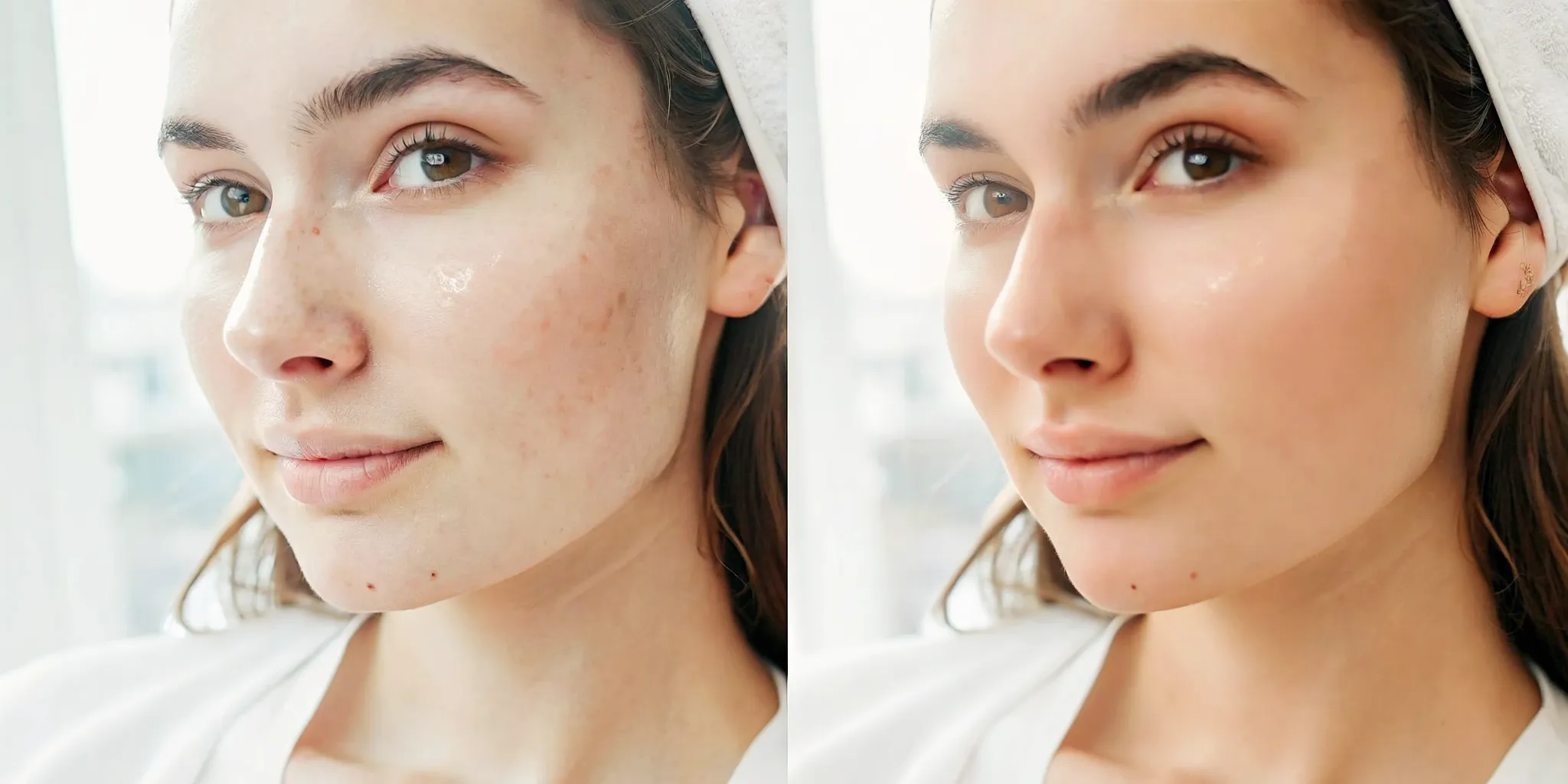
Patience is a virtue, but you won’t need much of it with the VI Peel. Once the peeling process wraps up, which is usually around day seven, you’ll get the first glimpse of your renewed skin. Many people report seeing beautiful results in as little as one week. Your skin will look noticeably brighter, feel smoother, and appear more refreshed. This initial improvement is incredibly encouraging and shows that the peel is working its magic. While deeper spots of hyperpigmentation may still be visible, they will likely appear lighter. This first look is a preview of the clearer, more even skin tone that will continue to develop over the following weeks.
How Many Sessions Will You Need?
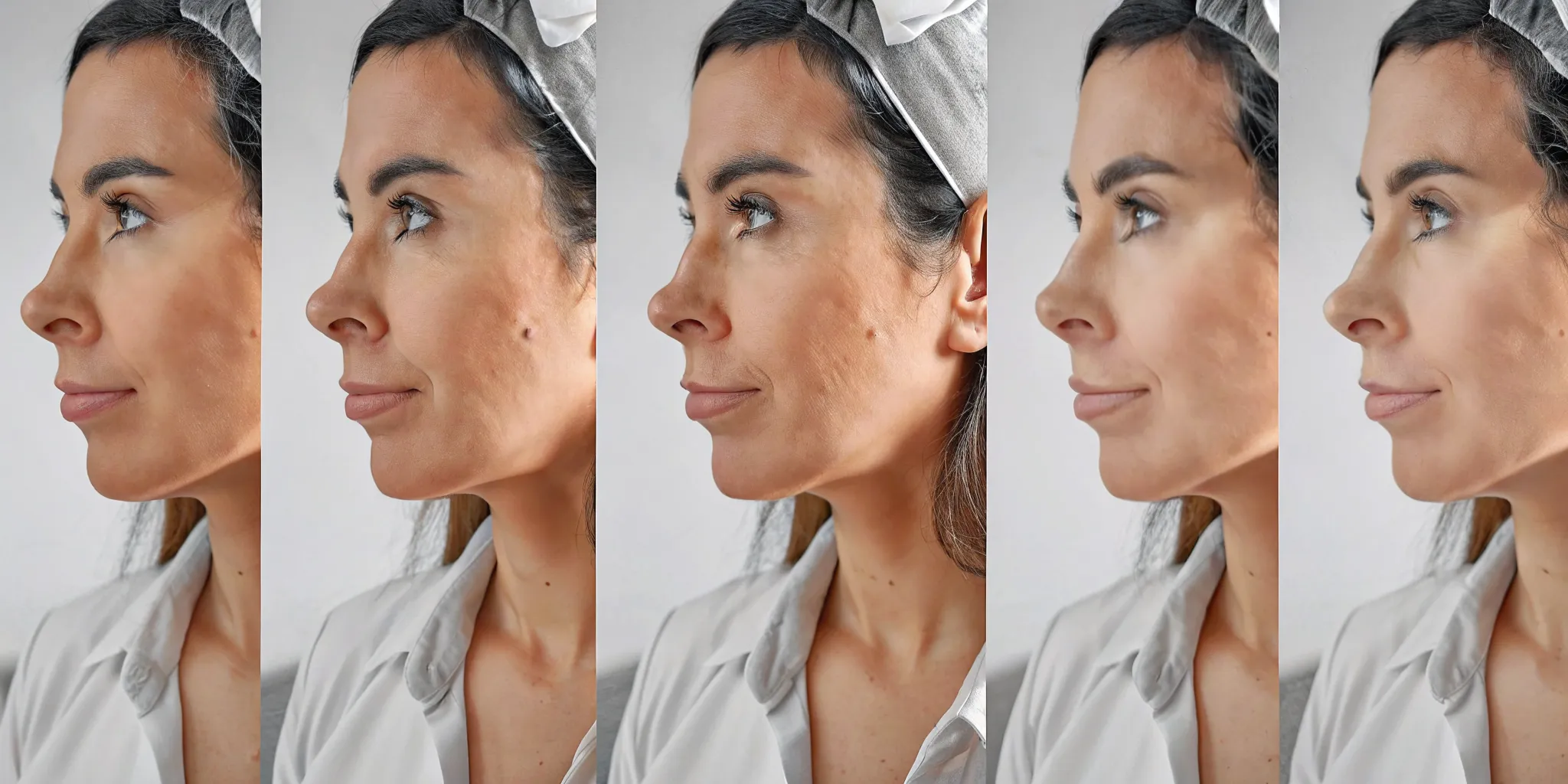
While most people see a positive change after just one peel, tackling significant hyperpigmentation often requires a series of treatments. For the best and most lasting results, a course of three to four VI Peels is often suggested, with each session spaced about four weeks apart. This schedule allows your skin to heal completely while enabling the peel to work on progressively deeper layers of pigment. Think of it as a cumulative effect—each treatment builds on the success of the last one. The exact number of sessions you’ll need is unique to you, which is why it’s so important to develop a personalized plan with a skincare specialist.
Is It Right for Your Skin Type?
One of the standout features of the VI Peel is its versatility. It’s formulated to be safe and effective for all skin types and tones on the Fitzpatrick scale. This is especially important for individuals with darker skin, as some chemical peels and laser treatments carry a risk of causing more dark spots, a condition known as post-inflammatory hyperpigmentation. The VI Peel’s unique blend of ingredients is designed to be gentle yet powerful, making it a reliable choice for just about anyone looking to address discoloration without the common worries associated with other treatments. It’s a fantastic option for achieving a more even complexion, regardless of your skin tone.
Maintaining Your Glow: Long-Term Results
Once you’ve achieved your desired results, you’ll want to keep your skin looking its best. Maintaining that clear, even glow involves a simple but consistent long-term strategy. To keep your results fresh and control any new discoloration that might try to appear, scheduling maintenance peels every three to six months is a great approach. These periodic treatments help manage pigmentation, keep your skin texture smooth, and ensure your complexion stays bright and radiant. Think of it as a regular tune-up that protects your investment and keeps your skin in optimal condition year-round, complementing your daily skincare routine perfectly.
How to Keep Your Skin Looking Its Best
Your daily habits play the biggest role in preserving your VI Peel results. The single most important thing you can do is protect your skin from the sun. Wearing a broad-spectrum sunscreen with SPF 30 or higher every single day is non-negotiable. Sun exposure is the primary trigger for hyperpigmentation, and skipping this step can quickly undo all your progress. Reapply your sunscreen every two hours when you’re outdoors. Beyond sun protection, sticking to a quality skincare routine recommended by your specialist will support your results. This often includes using a vitamin C serum in the morning and other targeted products to keep your skin healthy and resilient.
Cost and Finding the Right Provider
Investing in your skin is a big decision, and it’s smart to understand the costs and how to find a provider you can trust. The price of a VI Peel can vary, but it’s important to remember that you’re paying for professional expertise and a high-quality product that delivers real results. Think of it less as a cost and more as an investment in your confidence. Finding the right specialist is just as crucial as the treatment itself. A great provider will guide you through the process, answer all your questions, and make sure you feel comfortable and informed every step of the way. Let’s walk through what you can expect financially and how to choose the best professional for your skincare journey.
Breaking Down the Cost of a VI Peel
Let’s talk numbers. Generally, you can expect a single VI Peel session to cost between $400 and $500. The final price tag really depends on a couple of things: your specific skincare goals and where you go for the treatment. If you have more significant hyperpigmentation, your specialist might recommend a series of peels to achieve the best results, which will influence the total investment. It’s always a good idea to get a clear quote during your consultation. This way, you’ll have a complete picture of the costs involved and can plan accordingly without any surprises.
How Does It Compare to Other Treatments?
You might be wondering how the VI Peel stacks up against other popular skin treatments. It’s actually quite competitive. Traditional chemical peels can often range from $750 to $850, sometimes more, depending on their strength. On the other hand, treatments like microdermabrasion are typically less expensive but may not offer the same level of correction for hyperpigmentation. More intensive options, like laser resurfacing, often come with a higher price tag due to the technology involved. The VI Peel hits a sweet spot, offering significant, visible results at a more accessible price point than many other corrective procedures.
How to Choose the Right Specialist
This is arguably the most important step. Getting a chemical peel from a reputable, experienced provider is non-negotiable for your safety and for getting the results you want. Look for a licensed aesthetician or medical professional working in a clean, professional medical spa environment. Reading reviews and looking at before-and-after photos can give you a great sense of their work. You want someone who not only knows the technical side of the treatment but also takes the time to understand your skin. At Ultimate Image MedSpa, our team of experts is dedicated to providing personalized skincare services in a safe and welcoming setting.
Questions to Ask During Your Consultation
Your consultation is the perfect time to get all your questions out on the table. Don’t be shy! A great specialist will be happy to walk you through everything. To feel fully prepared, consider asking questions like: “Based on my skin, how many sessions do you think I’ll need?” “What kind of results can I realistically expect for my hyperpigmentation?” “Can you detail the aftercare instructions for me?” and “What is the total cost for the treatment plan you’re recommending?” This conversation ensures the VI Peel is the right fit for you and helps you build a trusting relationship with your provider. Ready to chat? You can always contact us to schedule a consultation.
Understanding Payment and Insurance Options
It’s a common question: will insurance cover a VI Peel? In most cases, the answer is no. Because the VI Peel is considered a cosmetic treatment—meaning it’s done to improve appearance rather than for a medical necessity—it’s typically not covered by health insurance plans. This means you should plan for it to be an out-of-pocket expense. However, don’t let that discourage you. Many medical spas understand that this is an investment and may offer payment plans or financing options to make the cost more manageable. It never hurts to ask about your payment options during your consultation.
Related Articles
Frequently Asked Questions
How much downtime should I plan for after a VI Peel? While you can return to most of your daily activities right away, you should plan for about a week of “social downtime.” The most intense peeling typically happens between days three and seven. During this time, your skin will be actively shedding, so you might not feel comfortable attending major events. The key is to let your skin do its thing without covering it up with heavy makeup or picking at it.
Is the VI Peel a good option if I have sensitive skin? Yes, one of the great things about the VI Peel is that it was created to be suitable for a wide range of skin types, including those that are more sensitive. Its balanced formula is gentler than many other chemical peels. However, a pre-treatment consultation is essential. This allows a specialist to assess your skin’s specific needs and confirm that the VI Peel is the best and safest choice for you.
When is the best time of year to get a chemical peel? Many people find that fall and winter are the ideal seasons for a VI Peel. With less intense sun and cooler weather, it’s much easier to stay out of direct sunlight, which is the most important rule of aftercare. Healing during these months helps protect your fresh, new skin from UV damage that can reverse your results.
What happens if I accidentally pick at my peeling skin? It can be tempting, but it’s so important to resist. Pulling off skin before it’s ready to shed can interrupt the healing process. This can lead to irritation, potential scarring, and even cause post-inflammatory hyperpigmentation—the very dark spots you’re trying to treat. The best approach is to keep your skin well-moisturized and allow it to flake off naturally.
Can I wear makeup after my VI Peel? It’s best to let your skin breathe and heal without makeup for about a week. While your skin is actively peeling, applying foundation or other products can cause irritation and clog your pores. Once the peeling has completely stopped, you can start wearing makeup again. When you do, consider using mineral-based products first, as they are often gentler on newly revealed skin.