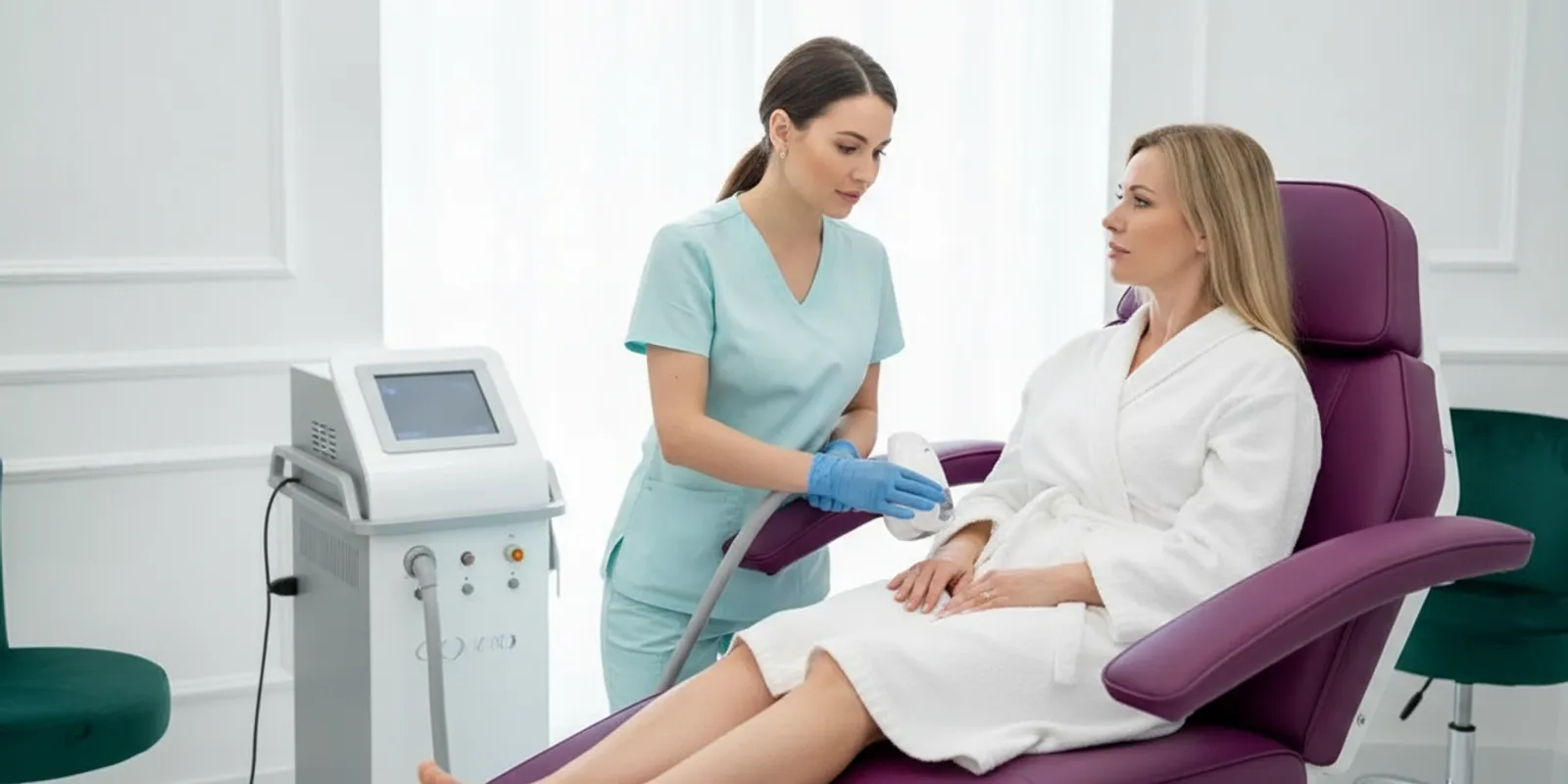

Atrophic acne scars appear in many cases where skin inflammation destroys healthy collagen. These marks can change skin texture and remain visible for years.
Effective acne scar treatment involves choosing a method that matches the specific depth and shape of the damage in the skin. Professional options like SkinPen microneedling and VI chemical peels work by triggering the body to produce new collagen and resurface the top layers of the dermis. Research from the National Institutes of Health shows that atrophic scars happen in up to ninety percent of cases due to a loss of collagen during the healing process. For deeper texture issues, advanced technologies like eMatrix sublative rejuvenation use radiofrequency energy to reach the lower skin layers without harming the surface. These treatments are most successful when combined to target various types of scarring at once. A specialist helps you find the right balance between healing time and visible results for smoother skin.
Book your personalized acne scar consultation with Ultimate Image MedSpa.
Finding the best way to clear your skin depends on knowing exactly which marks are left behind after a breakout. You can choose the right path once you understand how your skin heals. Start by identifying the type of acne scar.
Start by identifying the type of acne scar
Acne is a very common skin issue. It affects about 80% of people between the ages of 11 and 30. While many people see their skin clear up over time, others are left with lasting marks. These scars happen when the skin does not heal well after a bad breakout. Finding out which type of scar you have is the first step toward picking the right acne scar treatment plan.
Most scars form from an altered wound healing response to skin redness. This means your body either makes too much or too little skin tissue to fill the gap. Knowing your scar type helps your expert pick the best tools. It also helps you set real goals for how your skin will look after your visits.
Depressed or atrophic scars
Most acne scars, about 80 to 90%, are atrophic. This means they look like pits or indents in the skin. They form when the body does not make enough collagen as a wound heals. There are three main kinds of these marks. Ice pick scars are deep and narrow. Rolling scars have wavy edges. Boxcar scars are wider with sharp sides. Studies show that eMatrix sublative rejuvenation can help smooth these deep pits.
Boxcar scars often show the best results when you use more than one way to treat them. A mix of microneedling and peels can often give better results than using just one way. This mix helps the skin build more collagen from the inside out. This leads to a smoother look over time.
Raised scars and dark spots
Some people get raised scars instead of pits. These are called hypertrophic or keloid scars. They happen when the skin makes too much collagen as it tries to heal. These scars may feel thick or firm to the touch. They usually stay in one spot but can grow larger. These scars are less common on the face and more common on the chest or back.
You might also see red, purple, or brown spots on your skin after a pimple fades. This is called post-inflammatory hyperpigmentation. It is not a true scar, but a change in the color of your skin. These dark spots often respond well to chemical peels for acne scarring. These peels help lift the dark cells to show the fresh skin underneath.
Why you need an expert assessment
You must stop active breakouts before you start any professional skin work. Treating scarred skin while you still have acne can lead to more marks or even infection. If you have active pimples, your expert will likely help you clear them first. This makes sure your skin is strong and ready for deeper work. It also prevents new scars from forming while you treat the old ones.
A pro will look at your skin to find the right plan for you. They can tell if a mark is a deep pit or just a dark spot. This expert look is vital because different scars need different tools to fade. Getting the right plan from the start can lead to a big gain in your quality of life. You will feel more sure of yourself when your skin looks and feels its best.

Acne scar treatment options at a glance
Acne is a common skin problem. It affects about 80% of people between the ages of 11 and 30. For many, the breakouts leave behind marks that stay for years. These acne scars can affect how you feel. Finding the right path to smooth skin starts with knowing your choices.
How acne scars form on the skin
Scars grow when the skin does not heal the right way after a bad breakout. In most cases, the skin loses a key protein called collagen. This loss causes pits or dents known as atrophic scars. About 80% to 90% of people with scars have this type of skin damage. This happens when the body does not make enough new tissue during the healing process. Using an eMatrix plan can help fix these deep marks.
Comparing your top options
We offer three main ways to fix your skin. SkinPen uses tiny needles to help the skin grow back stronger. The VI Peel is a deep wash that removes dead cells. The eMatrix tool uses heat to fix the skin from deep inside. These choices help your body make new skin that looks clear and fresh. The table below shows how these tools compare for your acne scar treatment goals.
| Treatment | How it works | Best for | Rest time |
|---|---|---|---|
| SkinPen | Triggers collagen with tiny needles. | Rolling and boxcar scars. | 24 to 48 hours of redness. |
| VI Peel | Removes top skin with a chemical wash. | Pigment and shallow scars. | About 7 days of peeling. |
| eMatrix | Heats the skin with waves. | Deep pits and large pores. | 3 to 5 days of rest time. |
The benefits of a custom plan
No two people have the same skin. Often, a mix of two other ways works best for deep marks. Studies show that using mixed ways along with chemical peels for acne scarring works well. This mixed plan can fix both the depth of the scar and its color. It helps the skin heal faster and look smoother than just using one tool alone.
Getting help for your skin can make a big change in your life. Most people who get these plans say they feel better about their look. While no two people are the same, the goal is to help you feel sure of yourself. Choosing to start a plan can lead to long-term results that you can see and feel. Our team can help you find the best path based on your budget and skin type.
How does SkinPen microneedling improve acne scar texture?
SkinPen microneedling is a clear way to fix rough skin left by acne. This tool uses very small needles to prick the skin. These pricks start the body’s natural healing path. For many people, acne leaves behind deep spots or pits. These are often called atrophic scars. Most of these scars happen when the skin loses collagen in the deep layers of the skin. SkinPen helps the body build that collagen back.
Creating small microchannels
The SkinPen tool is special because it is a medical-grade device. It creates thousands of tiny holes in the skin. Experts call these holes microchannels. These channels are safe and well-timed. They do not cause big damage or heat. Instead, they tell the skin to wake up and start a repair job. This process is key for professional microneedling treatments. The tiny holes let the skin heal from the inside out.
When the skin heals, it fills in those holes with new, healthy tissue. This helps the surface of the skin look more even. Because the needles are so small, the top layer of skin stays mostly safe. This means you can get back to your day faster than with some other tools.
Building collagen for smoother skin
Acne scars often show up because of a poor healing path. When you have bad acne, your skin might not fix itself the right way. This leads to a poor wound healing response that causes pits and bumps. SkinPen changes this. By making new, small wounds, it gives the skin a second chance to heal.
As the skin repairs the microchannels, it makes more collagen and elastin. These two things act like a net to hold the skin up. Over time, the new collagen fills in the scars. This makes the texture of your face feel smoother. Most people need more than one visit to see the best shift in their skin. A few sessions allow the skin to build layers of new tissue slowly and safely.
Who can get it and what to expect
Most people with acne scars are good fits for this plan. SkinPen is safe for all skin types and tones. This is a big plus because some lasers can be risky for darker skin. Before you start, an expert will look at your skin. They will check the type of scars you have. Some scars, like boxcar scars, respond very well to tested skin treatments.
Healing is often quick. Your skin may look red like a mild sunburn for a few days. You should stay out of the sun and keep the skin clean. Some people choose to mix this with other plans for better results. Research shows that mixing microneedling with peels can help even more. Talking with a pro helps you find the right path for your own skin goals.
When do chemical peels fit an acne scar treatment plan?
Trained chemical peels use a liquid to clear away the top layers of old skin. This process helps new and smoother skin grow back in its place. For many people in the Dallas-Plano area, chemical peels for acne scarring are a smart first step. These treatments fix surface issues like dark marks or rough spots.
Fading dark spots and surface texture
Acne often leaves red or brown marks behind. These spots can stay on your skin for months after the pimples are gone. Peels are very good at fading these marks.
They help the skin shed old cells much faster. This lets new cells with a clear and even tone show up. Many people find that their skin looks more bright and clean after just one or two visits.
You must know the difference between skin color and deep pits. Peels are great for skin color and very shallow scars. But deep pits or “ice pick” scars often need other tools.
These deeper scars result from a loss of collagen in the lower skin layers. While a peel can smooth the edges of a scar, it may not fill in a deep hole. A skin check at a med spa will help you find the best plan for your needs.
The benefits of a VI Peel
The VI Peel is a top choice for many skin types. It is built to be safe and work well for people of all ages. This peel helps with skin tone and feel at the same time. It can go into the skin to help it heal from within.
- Shrinking the look of large pores.
- Smoothing out rough skin feel.
- Stopping new acne from forming.
- Reducing the look of fine lines.
Research shows that a pairing of microneedling and chemical peeling may work best for pitted scars. Using both tools helps with deep pits and surface marks. This mix targets other parts of the skin to boost repair.
It makes the full acne scar treatment plan more strong. By using both, you can see better results in less time. Your team can help you set up a plan that swaps these two visits.
Getting ready and aftercare
Being ready for a peel is key to a good result. You should stay out of the sun for at least two weeks before you go. The sun can make your skin more prone to marks after a peel.
Do not use strong skin creams for a few days before your visit. Your skin needs to be calm and ready for the liquid. If your skin is sore, it is best to wait until it heals.
After the peel, your skin will feel tender and may flake. You must use sun cream with a high SPF every day. The new skin is thin and can burn very fast.
Follow the steps given by your skin pro. This means using a mild soap and keeping the skin wet with a safe lotion. Do not pick at any peeling skin as this can lead to more scars. Most see the best change after a series of three to six visits.
Book a professional skin assessment to compare the right acne scar treatment options for you.
Where does eMatrix fit for deeper textural scarring?
Some depressed acne scars need a different strategy than surface renewal alone. eMatrix uses fractional bipolar radiofrequency to deliver energy beneath the skin’s surface while leaving areas of surrounding tissue untreated. This controlled approach is designed to support the skin’s natural remodeling response and can be considered when uneven texture or depressed scars are the primary concern.
How eMatrix differs from microneedling and peels
Microneedling creates controlled microchannels to encourage collagen remodeling. A chemical peel focuses more directly on exfoliation and renewal at selected skin depths. eMatrix delivers fractional radiofrequency energy through the skin to support remodeling below the surface. These approaches are not interchangeable, and the most appropriate choice depends on what is creating the visible concern.
For example, someone with lingering post-acne discoloration and mild surface roughness may receive a different recommendation than someone with rolling or boxcar scars. A consultation helps separate pigment changes from true indentations and determines whether eMatrix, microneedling, a peel, or a staged combination makes sense.
Who may be a candidate for eMatrix?
eMatrix may be considered for adults who want to address textural irregularities, including selected acne scars. Candidacy is based on an in-person review of scar type, skin condition, medical history, active breakouts, previous procedures, and personal goals. A professional assessment is especially important because raised scars, active acne, and discoloration can call for different care.
Skin tone is also part of treatment planning. Ultimate Image MedSpa evaluates each client’s skin and goals before recommending settings or a treatment schedule. No single device is the right choice for every scar pattern, and results vary from person to person.
Recovery and treatment planning
After an eMatrix session, temporary redness, warmth, swelling, or a rough texture may occur as the skin recovers. The exact recovery pattern depends on the treatment plan and individual response. Following the recommended aftercare, avoiding picking or scrubbing, and using sun protection can help support comfortable healing.
Acne scar improvement is usually gradual because remodeling takes time. Your provider may recommend a series of sessions and reassess progress between visits. Some clients may benefit from combining modalities in stages, such as addressing discoloration with a peel while using a collagen-remodeling treatment for depressed texture. The plan should always be personalized rather than based on a one-size-fits-all package.
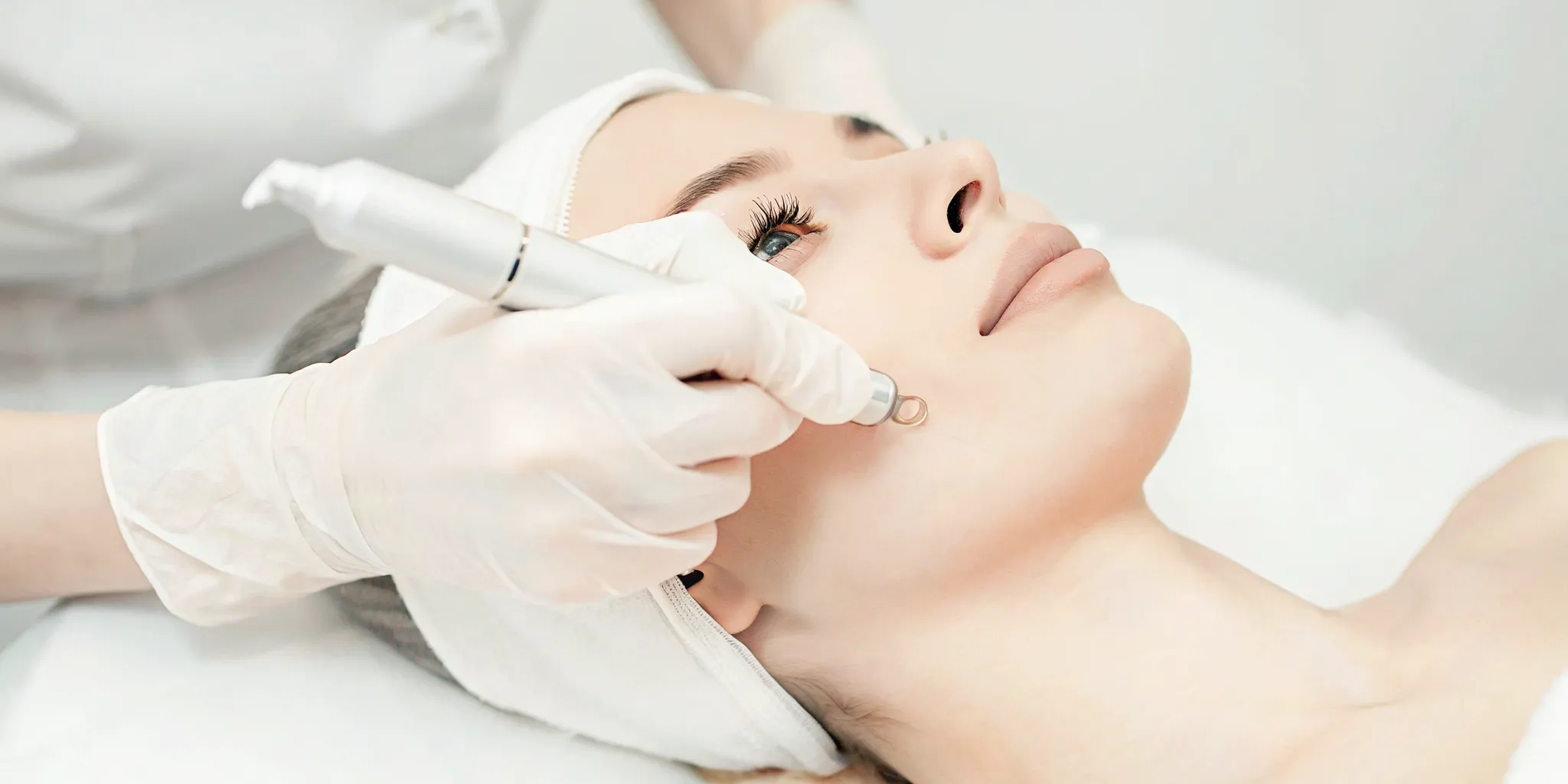
How to choose the right acne scar treatment
Picking the best acne scar treatment depends on your unique skin and history. No single plan works for all because scars come in many shapes and sizes. At Ultimate Image MedSpa, we help you find the best path for your needs. This path depends on your skin type, scar depth, and how much downtime you can manage. You might need a mix of plans to get the best results for your skin.
Find your scar and skin type
Scars often fall into two main groups: atrophic and hypertrophic. Atrophic scars look like pits or indents in the skin. Hypertrophic scars are thick, raised bumps. Most people with an acne history have pitted scars that look like small holes. Microneedling is a top choice for these indents. This is because it helps the skin build new collagen to fill the gaps from the inside out. Your skin tone also matters when you pick a plan. We use the Fitzpatrick scale to check how your skin reacts to light and heat. SkinPen and eMatrix may be suitable for a wide range of skin tones after a professional assessment. Your provider will consider your skin type, scar pattern, and risk of pigment changes before recommending a plan.
Step-by-step decision guide
Follow these steps to narrow your choices before your visit to one of our DFW offices.
- Find your main scar type. Look at whether your scars are deep pits or raised spots. This helps us pick between SkinPen and VI Peels.
- Check your skin tone. If you have dark skin, you need tools that do not cause heat damage. Our mechanical tools like SkinPen are safe for everyone.
- Check your downtime. Decide if you can handle skin peeling for a few days. VI Peels may cause flaking for a week. SkinPen mostly causes redness for a day.
- Check your acne history. If you still have active breakouts, we may start with a VI Peel Purify first. This clears the skin before we treat old scars.
- Set your goals. If you want to fix texture and dark spots, we may use a mix of plans. eMatrix and chemical peels can work well together for fast results.
- Talk to a pro. Visit our Plano, Dallas, Lewisville, or Richardson office. We will give you a full check and a custom plan that fits your life.
Sometimes the best plan is a series of different plans. You might start with a peel to clear your pores and even your tone. Then, you can move to microneedling to fix deeper pits and scars. You can learn more about how these compare in our guide on microneedling vs. chemical peels. Every plan at our med spa starts with a free meeting. We want to make sure you get a plan that gives you the best results for your skin type.
What to expect from a personalized treatment plan
Starting a custom acne scar treatment plan is a clear process. It starts with a deep look at your skin and ends with a smooth look you love. You should know that results vary for each person. Most people need a series of visits to see the best change. An expert plan is not a quick fix, but a path to lasting skin health. Here is what you can expect during your care at Ultimate Image MedSpa.
The first skin review
Every plan starts with a full skin check. A licensed pro will look at your scar types and skin tone. This helps them find the best tool for you, like SkinPen microneedling or a special peel. They will also look at your health history to make sure you are a good fit. Some people with active acne or certain health issues may need to wait before they start. This step ensures your plan is safe and made just for your needs. We take the time to set real goals so you know what to expect.
Your session and prep work
Before your visit, you will need to follow a few simple rules. Most experts ask you to stay out of the sun for at least a week. You may also need to stop using harsh creams, like retinoids, a few days before your visit. On the day of your acne scar treatment, we focus on your comfort. For microneedling, we use a numbing cream to keep you relaxed. The session usually takes 30 to 60 minutes. You might feel a light pull or prick, but the process is easy for most people.
Are you a good fit?
Not everyone is a perfect fit for every treatment right away. We look at how deep your scars are and your skin type to find the right path. Deep pits might need more visits than shallow spots. We want you to have a clear view of how your skin will change over time. It takes weeks for your body to build new collagen and smooth out the skin. Your patience is a big part of the plan. We work with you to track your wins and change the care as you heal.
Healing and long-term results
Once your treatment is done, your skin needs time to heal and grow. Redness is very common for a day or two after a microneedling session. If you get a chemical peel, you will see skin peeling for about a week. You must use a good sunblock every day to protect your new, fresh skin. Sun damage can make scars look worse or cause new dark spots. We usually see you again in four to six weeks to check your progress and plan the next step. Most clients need three to six sessions to get the best results. You can book a consultation to start your own skin journey today.
Ready for a personalized plan? Book your acne scar treatment consultation online.
Schedule your personalized acne scar treatment consultation at a convenient DFW location.
Frequently Asked Questions
How many sessions are needed for acne scar treatment?
Most people need a series of visits to see a real change in their skin. For tools like SkinPen microneedling, a plan often includes three to six sessions spaced about four to six weeks apart. According to the National Institutes of Health, collagen growth takes time and multiple visits help build layers of new tissue. Your expert will help you set a schedule based on how deep your scars are and how fast your skin heals.
Does acne scar treatment hurt?
We focus on your comfort during every visit. For microneedling and eMatrix, we use a numbing cream to help you feel at ease. You might feel a light pull or a warm prick during the process, but most people find it easy to handle. Chemical peels like the VI Peel may cause a light tingle as they work on the top skin layers. Most sessions take less than an hour, and you can get back to your day right away.
What is the best acne scar treatment for deep pits?
Deep pits, or atrophic scars, often respond best to heat or deep skin work. The eMatrix sublative rejuvenation tool is a top choice for these marks. It uses radiofrequency heat to help the skin make new collagen deep below the surface without hurting the top layer. For best results, your team might suggest a mix of tools. This can include both SkinPen and chemical peels to smooth the texture and tone of your skin.
How long do acne scar treatment results last?
The results of your care can be long-lasting because your skin builds its own new collagen. Once the pits fill in or the dark spots fade, the change is usually permanent. However, you must protect your skin to keep it looking its best. We suggest using a strong sunblock every day and following a good skin care plan at home. This prevents new damage from the sun or from future breakouts.
Are you ready to book an expert acne scar visit in Dallas now?
Waiting to treat your acne scars can make them harder to fix as your skin loses its own bounce and health over the passing years. If you start your plan now, you will see a smoother look much sooner and stop feeling like you must hide skin behind heavy makeup. Our team helps you pick the best path between microneedling, peels, or laser work so you get the right results for your own skin type.
Ready to book a personalized consultation? Book your visit online now. Set up your first session and start your own skin journey toward clear results with our expert Dallas team here today.