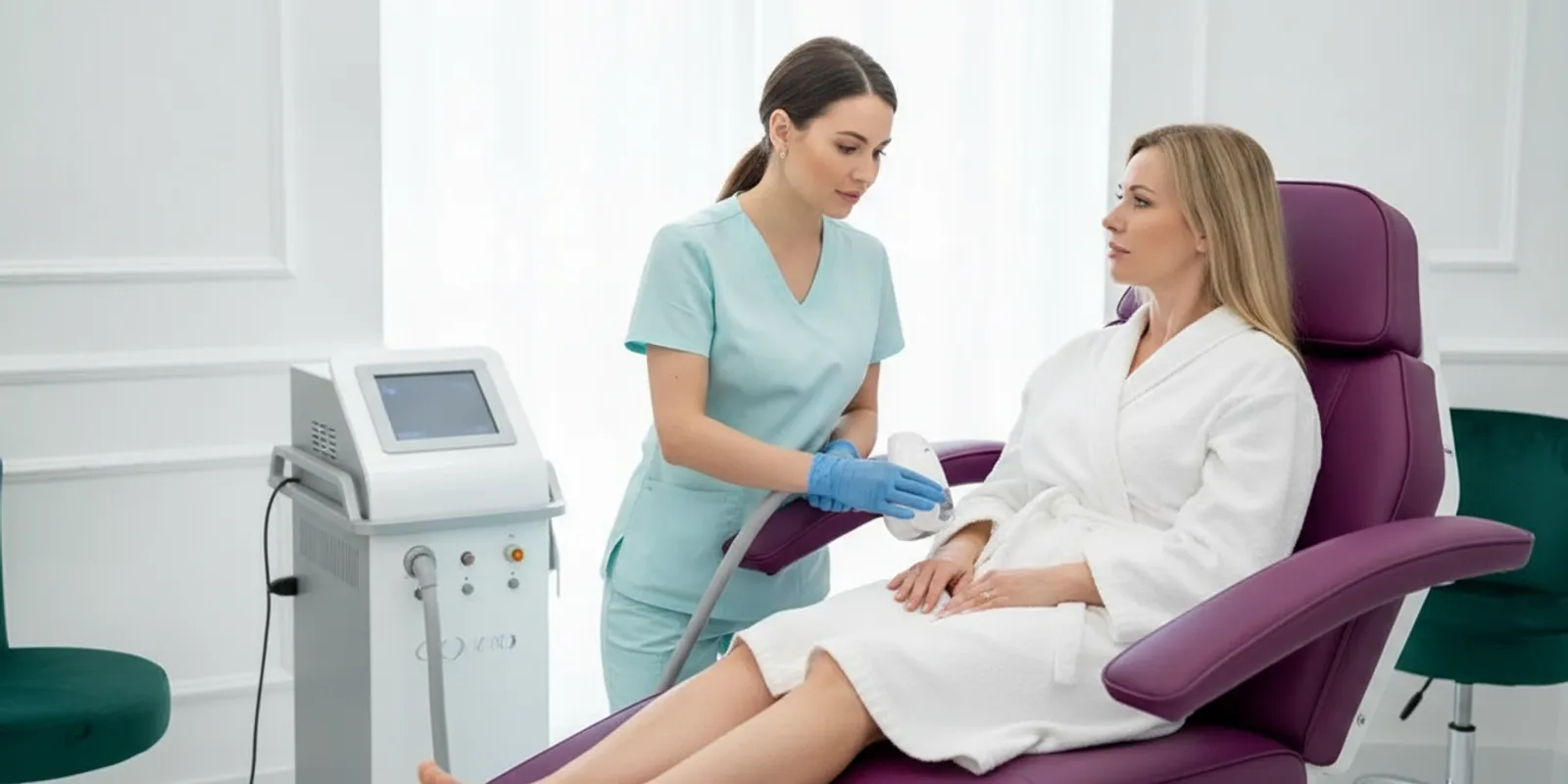

Persistent acne scars often linger for years after your active breakouts have finally cleared. These stubborn pitted marks need medical-grade solutions to fix damaged tissue and restore a smooth skin surface.
Professional acne scar treatment focuses on fixing damaged tissue to smooth depressions like icepick, boxcar, and rolling scars. Experts often use microneedling, chemical peels, or radiofrequency tools to start new collagen growth while helping stubborn marks fade. For example, microneedling uses controlled micro-injuries to trigger natural healing, a process shown to improve facial scarring in up to 94 percent of patients. Medical experts note that no single treatment is best for everyone, so a professional exam is necessary to find a safe, custom plan. Most patients need between three and six sessions to achieve a smooth surface while they ensure safety and real results for their unique skin type.
Book your acne scar treatment consultation to compare your options with a licensed Ultimate Image MedSpa professional.
Finding the right path to clear skin involves knowing how different marks respond to medical care. Your journey to a smooth face begins with a close look at the shape and depth of your skin. Acne scar treatment starts with the scar type because each kind needs a specific level of energy or peeling to see real change. Here is how.
Acne scar treatment starts with the scar type
Every face tells a story. For many people in the Dallas-Fort Worth area, that story includes marks from past acne. Finding the right acne scar treatment depends on many things. Your skin tone and goals matter. How much downtime you can take also plays a role. But the most vital part is the type of scar you have. Because scars differ in depth and shape, one tool cannot fix them all. An expert check helps us find the best path for your skin.
Sunken or pitted scars
Most acne scars are pitted. This means they look like small holes in the skin. These happen when the body does not make enough collagen as a spot heals. Ice pick scars are deep and thin. Boxcar scars have sharp edges. Rolling scars look like wavy pits. Expert doctors note that no single treatment is best for everyone. For these deep marks, we often use tools that help the skin build new tissue.
One top choice is SkinPen Microneedling. This tool creates tiny, safe marks in the skin to start the healing process. Many people see a big change in their skin texture after a few visits. This method is safe for all skin tones and has a low risk of new dark spots. Other people may do better with heat-based tools. These tools reach deep to tighten and smooth the skin from the inside out.
Raised or thick scars
Some people have the opposite issue. Instead of holes, they have raised bumps. These happen when the body makes too much collagen during healing. They are less common on the face but often show up on the chest or back. These scars feel firm. Treating them requires a different plan than pitted scars. We focus on smoothing the thick tissue and calming the area. Often, a mix of steps works best to make the skin flat and even again.
Skin color and tone changes
Not all marks are deep scars. Some are just changes in skin color. These can look red, pink, or dark brown. While they are not true scars, they can still be hard to hide. For these tone issues, we use treatments that refresh the top layer of skin. A HydraFacial can help by cleaning out pores and adding moisture. This makes the skin look bright and healthy right away.
For stubborn dark spots, we may suggest a medical peel. Studies show that using a laser with a chemical peel often leads to high patient happiness. This mix targets both the texture of the skin and the dark marks. At Ultimate Image MedSpa, we look at your skin type to ensure the peel is safe. This is vital for patients with deep skin tones. We always start with a visit to see if the treatment is right for you.
Comparing microneedling, chemical peels, and eMatrix
Acne scars are often stubborn, and no single path is best for every person. Your skin type and the depth of your scars help find the right choice. And a review of skin care choices shows that each method uses a new way to smooth the skin. Experts often group scars into types like boxcar or rolling, which changes how we plan your care. According to the Mayo Clinic, a mix of tools might even work best to improve your skin.
Microneedling for collagen growth
Microneedling uses a tool with tiny needles to create very small holes in the skin. These small spots of damage tell the body to make new collagen to heal itself. At Ultimate Image MedSpa, we use SkinPen for this task because it is a safe and simple way to help with scars. It has a low risk of changing your skin color, and most people need three to six visits to see the most change.
Some people choose to add a boost to their visit with microneedling with PRP. This uses your own blood cells to help your skin heal faster after the needles. Studies show that adding PRP leads to better results than using needles alone. This choice is often best for rolling scars or fine lines that need a soft touch.
Chemical peels for deeper scars
Chemical peels use a special liquid to take off the top layers of skin. This process helps to fade marks and make deep scars less clear to the eye. You can get light or medium peels based on what your skin needs to reach its goals. A VI Peel plan is a great way to handle both old scars and active breakouts. And the VI Peel Purify is made just for people with oily skin.
Peels are a classic way to fix skin, but they do need some time for the skin to rest. While light peels have almost no downtime, deeper peels may cause redness for a few days. You can repeat mild peels to keep your skin looking fresh over a long time. Combining a peel with other tools often leads to the best results for scar reduction.
EMatrix for skin texture
The eMatrix sublative rejuvenation tool uses heat to reach the deep layers of the skin. Unlike some lasers, it does not hurt the top layer of your skin as much. This makes it a safe pick for people with all skin tones who want to avoid dark spots. It works by heating the deep skin to start a healing process that tightens and smooths the area from the inside out.
| Treatment | Best Suited Concerns | Treatment Approach | Downtime | Planning Notes |
|---|---|---|---|---|
| Microneedling | Rolling scars and texture | Tiny needles trigger collagen | 1 to 2 days | Needs 3 to 6 visits |
| Chemical Peels | Surface marks and acne | Acid removes top skin layers | 3 to 7 days | Best for oily skin |
| eMatrix | Deep scars and tightening | Heat energy tightens tissue | 2 to 3 days | Safe for dark skin |
Finding the right acne scar treatment starts with a talk about your goals. A pro will look at your skin and your scars to build a plan that fits your life. It is also vital to wait until your active acne is gone before you start any of these steps. This keeps your skin safe and helps you get the best look, so you can book a visit to learn which of these paths will help you most.
When is microneedling a good option for acne scars?
Microneedling is a top pick for many people looking to smooth out acne scars. This treatment works by creating tiny paths in the skin to start a natural healing process. At Ultimate Image MedSpa, we use the SkinPen tool to help our Dallas-Fort Worth clients reach their skin goals. Our team has nearly 15 years in the field providing safe, expert care for skin texture issues. This tool helps the body build new collagen to fill in deep scars and improve skin texture.
How microneedling targets acne scars
Microneedling uses small needles to make tiny, controlled holes in the top layer of the skin. These small holes trigger the body to produce more collagen and elastin. This protein growth helps to fix the scar tissue from the inside out and smooth out bumps and dips. These microchannels allow for deeper repair without the long downtime of surgery. The process is safe and works with your body’s own repair cycle. The use of SkinPen is proven to reduce the look of these facial scars. Over time, the new skin looks more even as the pits start to fill in.
Research shows that microneedling is a safe and good acne scar treatment with very low risk of skin color changes. It is often liked more than some laser tools because it does not use heat. This makes it a great pick for people with darker skin tones who want to avoid dark spots. For even better results, some patients choose microneedling with PRP to speed up the healing time and help them feel happy with their skin.
Finding the best people for this care
Not everyone with acne scars should get microneedling right away. The best people for this are those with pitted scars who have finished their active acne stage. If you still have red or painful pimples, you should wait until they clear up before starting this care. Experts note that acne treatments are not usually used on active acne or open wounds to stay safe.
Microneedling is a good choice for people who want a treatment with less pain. In many studies, it was ranked as one of the easiest ways to handle acne scars. It works well for all skin types, including darker skin tones on the Fitzpatrick scale. But you should always get an expert check first. A custom check is vital to make sure this choice is right for your scar type and skin tone.
Planning your treatment series
Most people need more than one visit to see a big change in their skin. A typical plan involves a series of 3 to 6 sessions spaced a few weeks apart. This gives your skin enough time to build new collagen and elastin between each visit. During your session, the provider moves the tool over the skin to ensure even coverage. This method is precise and focuses on the areas where you need the most help. You might see some redness or light swelling for a day or two after your visit. Most people return to their normal work and life very quickly.
It is important to keep your hopes real during this process. While microneedling can help a lot, results vary for each person based on their skin. Using sunscreen every day is a key step to protect your new skin. This also helps to limit the contrast between your unscarred skin and the scar. Your provider will help you set up a plan that fits your needs and goals. After the series is done, many people find their skin looks fresher and more youthful. This careful planning helps ensure you get the best results for your skin.
What can chemical peels improve after acne?
Chemical peels are a trusted choice for many people who want an effective acne scar treatment. These treatments use a special acid solution to remove the top layers of dead skin. By doing this, the process helps the skin grow back smoother and more even. While a peel may not fix deep, pitted scars on its own, it can make the skin’s surface look much better.
Smoothing surface texture
Chemical peels work by breaking the bonds that hold old skin cells together. This allows the skin to peel away, which helps to soften the edges of acne scars. According to the Mayo Clinic, doctors often use mild and medium peels to minimize the look of deeper scars. You may need more than one session to see the best results. Many patients choose to repeat light peels every few weeks to keep their skin looking fresh and bright.
At Ultimate Image MedSpa, we look at your skin to find the right strength for your needs. We often find that a microneedling and chemical peel combination works best for tough texture issues. This two-part approach targets both the surface and the deeper layers of the skin. It helps the body build more collagen, which is the protein that keeps skin firm.
Targeting post-acne dark marks
Many people who deal with acne also have dark or red marks that linger for months. These spots are not true scars, but they can be frustrating. A professional chemical peel is often faster than over-the-counter products at fading these marks. The peel helps to lift the pigment out of the skin so it can flake away naturally.
For those with active oily skin or lingering dark marks, we may suggest a VI Peel. This treatment is a top choice for people who want to clear their skin and even out their tone at the same time. You can read about VI Peel benefits to understand what to expect during and after the process. It is a safe option for many skin types, but a medical pro should always oversee the work.
Safety and skin tone rules
Peels can be used on all Fitzpatrick skin types, from light to dark. However, the type of acid and its strength must be chosen with care. People with darker skin tones have a higher risk of side effects if the peel is too strong. This is why getting a treatment at a medical spa is so important. A licensed expert will make sure the acid does not cause new dark spots or burns.
It is also vital to wait until your skin is clear before you start. You should not have a chemical peel if you have active, painful acne or any open cuts on your face. After the treatment, your skin will be very sensitive to the light. You must use a broad-spectrum sunscreen every day to protect yourself. Sun care helps to limit the contrast between your scars and your normal skin, which makes marks harder to see.
Recovery and results
Most people will see their skin start to flake about two or three days after a peel. This process usually lasts for about a week. You should never pick at the peeling skin, as this can lead to new scars or skin issues. Instead, use a gentle wash and a light cream to keep the skin hydrated. Your expert will give you a full list of steps to follow at home.
The results of a peel are not instant. It takes time for the skin to heal and for new cells to reach the surface. Most people see the best changes after a series of three to six treatments. By being patient and following a set plan, you can reach your goal of smoother, clearer skin.
How does eMatrix address acne scar texture?
Acne scars often leave behind uneven pits and bumps on the skin. This change in texture can be hard to fix with basic skin care. At Ultimate Image MedSpa, we use eMatrix for people who want a smooth skin surface. This eMatrix sublative rejuvenation tool uses radiofrequency energy to help the skin heal. It targets the deep layers while keeping the top layer safe.
The role of radiofrequency energy
Most acne scar treatments work by making tiny holes in the skin or removing the top layer. The eMatrix tool works in a new way. It sends heat energy deep into the skin. This heat helps the body make more collagen and elastin. These are proteins the skin needs to fill in sunken scars and stay firm. Facts from the Mayo Clinic show that radiofrequency tools help make scars look better without hurting the outer skin.
By keeping the top layer whole, the skin heals fast. You may see some redness or mild swelling for a few days. This makes it a good choice for people with busy lives in Dallas and Plano. The treatment is also safe for all skin types. Many laser tools can cause dark spots on deep skin tones, but eMatrix has a lower risk for these issues.
How eMatrix differs from other tools
It is helpful to compare aesthetic treatments to see which one fits your skin needs. Microneedling uses needles to make small paths for healing. Chemical peels use safe acids to lift away old skin cells. In contrast, eMatrix uses heat to trigger a deep change in the skin. It is often used for pitted scars, which look like small holes or craters.
Research shows that many tools can help smooth out rough spots. Deep heat can work well for texture. Your provider may suggest one tool or a mix of a few based on your goals. Some people benefit from the heat of eMatrix, while others may need the peeling of a chemical solution. A mix of methods can often lead to the best results for stubborn scars.
Who can get it and session planning
Most people need a series of sessions to see the best results. We usually suggest many treatments spaced a few weeks apart. This gives your skin time to build new tissue and smooth out the scars. You should not have this treatment if you have active acne or open sores. It is best to wait until your skin is clear before you start your plan.
A personal check of your skin is the first step. Our team will look at your scar type and skin tone. We will then build a plan that fits your needs. You can visit our Dallas, Plano, or Lewisville offices to start. To find out if this treatment is right for you, book a consultation with one of our licensed experts.
How is a personalized acne scar treatment plan built?
Acne scars are stubborn, and no single treatment is best for every person. Some people have deep pits, while others have dark spots or uneven skin texture. A good plan must look at your unique skin type and the types of scars you have. Experts often use a mix of tools to get the best results for your skin. This may include needles, heat, or special chemicals to help your skin heal itself. Many say that a skin exam is the first step to finding the right path for your needs.
Starting with an expert skin check
The process starts with a close look at your skin. Your expert will check for active acne, as treating scars during a breakout can be risky. Acne treatments are often not used on active, inflammatory acne or open wounds to keep your skin safe. The expert also checks your skin tone on the Fitzpatrick scale. This helps them choose tools that are safe for your specific color. Some lasers can cause dark spots on deeper skin tones, so picking the right device is very important.
Building the right treatment sequence
Your plan will often use a few different tools over several months. This allows the expert to target different layers of your skin. For example, they might use one tool for deep scars and another for surface texture. This tiered approach helps create a smoother look over time. The goal is to build a path that leads to clear skin while keeping you comfortable. Each visit builds on the last one to give you the best outcome.
- The expert looks at your scar types and skin tone to set clear goals for your care.
- You start a home routine to prep your skin and protect it from sun damage before the clinic visits.
- We choose the best tools, like eMatrix sublative rejuvenation, to target deep scars with heat.
- The plan might add chemical peels to smooth out the top layer of your skin.
- We set a schedule for 3 to 6 sessions to give your skin time to heal between visits.
- Your expert checks your progress after each visit and changes the plan if your skin needs more care.
Using a mix of tools for better results
Mixing treatments can often lead to better outcomes than using just one tool. A microneedling and chemical peel mix can help with both texture and dark spots. Microneedling makes tiny holes in the skin to start the healing process. Chemical peels remove the top layer of dead skin to show the fresh skin underneath. Using these together can make your skin look much smoother. It also helps your skin care products sink in deeper to work better.
Planning for recovery and realistic results
It is important to have realistic goals for your skin. Most people will need multiple sessions to see a big change in their scars. Results take time because your skin needs to grow new collagen. You might see some change after one visit, but the best look usually shows up weeks or months later. Be patient with the process, as true skin healing cannot be rushed. Your expert will help you understand what you can expect at each stage of your journey.
After each treatment, you must follow your aftercare steps closely. This means using a good sunscreen to protect your new skin. Sun damage can make scars look darker and slow down your healing. Staying hydrated and eating well also helps your body build new skin cells. By following your plan from start to finish, you give your skin the best chance to look its best. Remember that everyone heals at a different speed, and your plan is built just for you.
Frequently Asked Questions
What is the best treatment for acne scars?
There is no single best treatment for everyone because acne scars are very stubborn. The right choice depends on your skin type and the depth of the scars. The Mayo Clinic says an expert check is key to find a plan that works for you. Many people see the best results when they use a mix of ways like lasers, microneedling, and chemical peels to smooth out their skin.
How many sessions of microneedling are needed for acne scars?
Most people need between three and six sessions of microneedling to see a clear change in their skin. These visits are usually spaced a few weeks apart to let the skin heal. Tools like SkinPen help the body make new collagen. This natural process fills in pockmarks and smooths out the surface. Your total number of sessions will depend on how deep your scars are and how your skin reacts.
Can chemical peels help with deep acne scarring?
Yes, chemical peels can help limit the look of deeper scars. An expert puts a safe liquid on your skin to remove the top layer. This helps the skin look smoother and less pitted. The Mayo Clinic states that you can repeat mild or medium peels to keep your results. Some peels, like the VI Peel Purify, also help with oily skin and dark spots left behind by past breakouts.
Is eMatrix effective for acne scars on all skin types?
The eMatrix tool is a great choice for all skin types, including dark skin tones. It uses radiofrequency heat to help the skin heal from the inside out. This tool protects the top layer of skin while working on the deeper parts where scars live. As noted by Ultimate Image MedSpa, this method works well for both texture and scarring. It is a safe way for most people to get smoother skin without much rest time.
Start your personalized acne scar treatment plan
The right approach depends on your scar types, skin tone, current breakouts, goals, and downtime preferences. Ultimate Image MedSpa can assess your skin and explain whether microneedling, a professional peel, eMatrix, or a planned combination may be a good fit.
Schedule your consultation to build a medically careful plan with realistic expectations at a convenient Dallas-Fort Worth location.