Skin can look dull or uneven even when your daily routine is consistent. For some people, the next step is not adding another product, but choosing a treatment that works with the body’s own regenerative processes. At a medical spa, that decision should begin with a careful assessment of your skin, goals, and candidacy.
A PRP facial uses a concentrated portion of your own blood, including platelets and growth factors, to support collagen production and skin rejuvenation. It is a minimally invasive treatment that may help improve texture and create a more refreshed appearance, but results vary and a consultation is important before treatment.
The term “vampire facial” is often used broadly, so it helps to understand what the treatment actually involves and how it differs from other platelet-based or microneedling approaches. The following guide explains the process, potential benefits, recovery, cost considerations, and safety questions to discuss with a licensed professional.
What Is a PRP Facial?
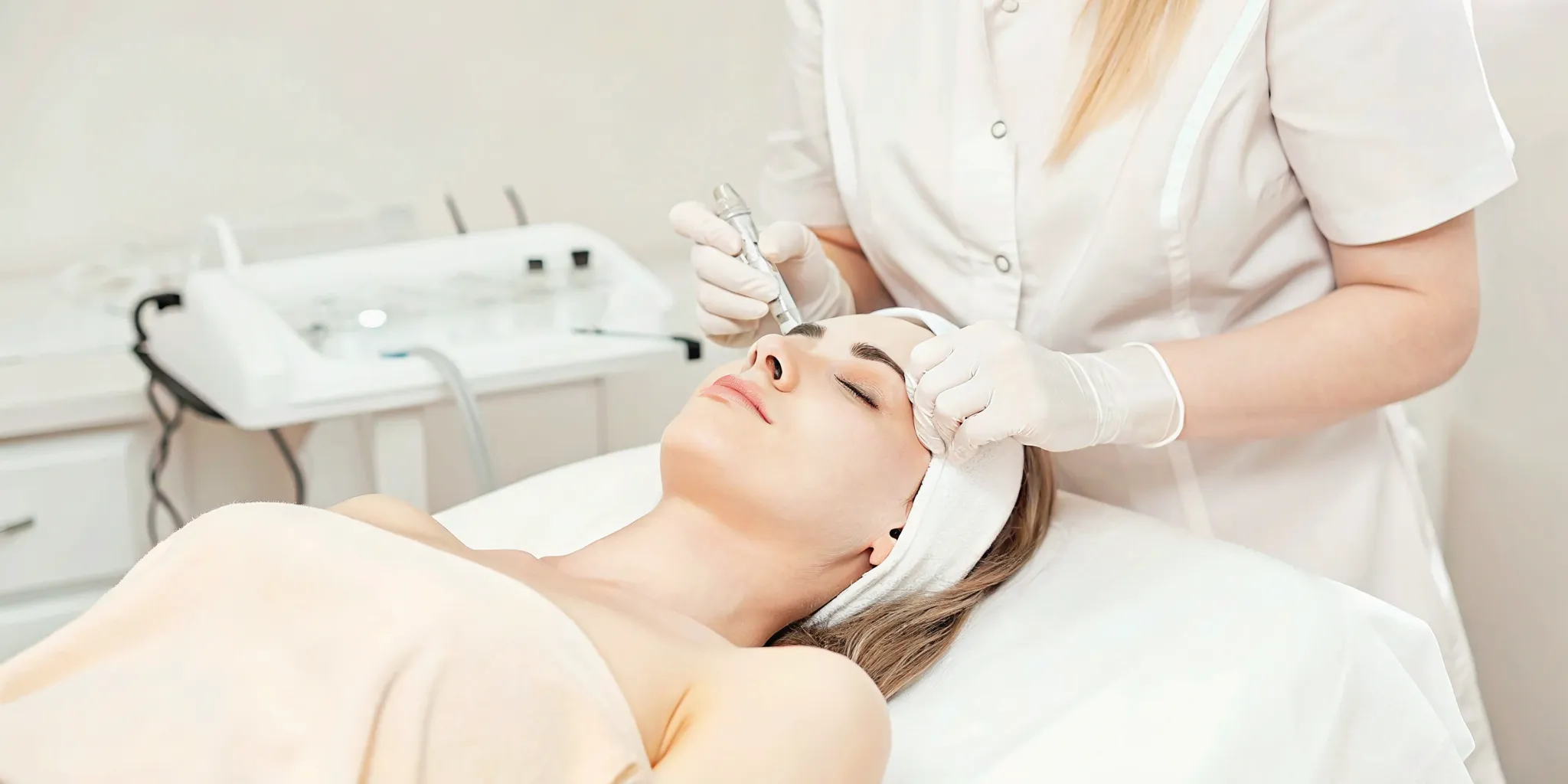
A PRP facial, sometimes called a vampire facial, is a non-surgical skin rejuvenation treatment that uses components of your own blood. A small blood sample is processed to concentrate platelet-rich plasma, which contains growth factors. The concentrated plasma may then be placed back into targeted areas of the face to support the body’s natural collagen response. Because the material comes from the patient, this approach is described as autologous treatment. Research describes PRP as a minimally invasive, low-risk option for concerns associated with skin aging, although every treatment has potential risks and results vary by patient.
A recent meta-analysis of randomized controlled trials reported significant improvements in patient satisfaction and objective skin efficacy compared with control groups. The American Academy of Dermatology also discusses platelet-rich plasma as a cosmetic option for a younger-looking appearance.
How a PRP facial differs from microneedling with PRP
These terms are often used interchangeably online, but they can describe different treatment approaches. In a traditional injectable PRP facial, the concentrated plasma is applied or injected into selected facial areas after it is prepared. Microneedling with PRP uses a device to create controlled microchannels in the skin, then applies PRP during or after the microneedling process. That combination is a separate service and should not be assumed to be the same as an injectable-focused PRP facial.
| Factor | PRP Facial (Injectable Focus) | Microneedling with PRP |
|---|---|---|
| Delivery method | PRP injected or applied directly | PRP applied after creating microchannels |
| Primary mechanism | Growth factors from concentrated plasma | Collagen induction + growth factor absorption |
| Skin disruption | Minimal injection points | Controlled micro-injuries across treated area |
| Typical downtime | 24-48 hours | 24-72 hours |
| Best suited for | Fine lines, volume loss, texture | Acne scars, deeper wrinkles, laxity |
This distinction matters when comparing treatment plans in Dallas-Fort Worth. The right option depends on your skin goals, medical history, skin sensitivity, and the areas being treated. A professional assessment can help determine whether standalone PRP, microneedling with PRP, or another approach is more appropriate. If you are comparing options that support collagen remodeling, review our collagen induction therapy guide and discuss your candidacy with a qualified provider.
How a PRP Facial Works: Step by Step
A PRP facial is performed in a professional medical spa setting, where a licensed provider can review your skin, health history, and treatment goals before recommending an approach. At Ultimate Image MedSpa, advanced protocols are used to help keep the experience precise, comfortable, and personalized. The complete appointment typically takes about one hour, although preparation and consultation time may vary.
1. Your provider prepares the treatment area
Before treatment begins, your provider discusses the planned treatment areas and answers questions about comfort, candidacy, and aftercare. A topical numbing cream may be applied approximately one hour before the procedure to help minimize discomfort. Follow the instructions provided by your medical spa, and do not stop prescribed medication without speaking with the prescribing clinician.
2. A small blood sample is collected
Because PRP is made from your own blood, the process begins with a blood draw. Depending on the treatment plan, approximately one to four vials may be collected. The amount selected is based on the provider’s assessment and the areas being treated, not a one-size-fits-all formula.
3. The blood is centrifuged to isolate PRP
The vials are placed in a centrifuge, which separates the blood components. This process concentrates the plasma, platelets, and growth factors into platelet-rich plasma. PRP is enriched with growth factors that may support the skin’s natural repair and collagen-building processes. Your provider then prepares the concentrated PRP for delivery.
4. PRP is delivered to the skin
Depending on your goals and the protocol selected, the provider may place PRP into targeted areas through injections or use microneedle-assisted delivery across the treatment area. These approaches are not interchangeable for every patient. Your provider will explain which method is appropriate and how it fits your personalized plan.
5. You receive aftercare guidance
Once the treatment is complete, your provider reviews immediate aftercare instructions and what to expect during recovery. Mild redness, swelling, or sensitivity can occur, and your instructions may include temporary limits on products, heat, exercise, or sun exposure. Contact the medical spa if your symptoms concern you or do not improve as expected.
The goal is a carefully controlled treatment using your own platelet-rich plasma, rather than a standardized product. A consultation with a licensed provider is the best way to determine whether an injectable or microneedle-assisted PRP facial is appropriate for your skin and goals.
PRP Facial Benefits and What Results to Expect
A PRP facial is designed to support gradual skin rejuvenation by using concentrated components of your own blood. The goal is not an overnight change, but healthier-looking texture and a more refreshed appearance as your skin responds and collagen remodeling develops. A clinical trial evaluated PRP injections for rejuvenating photoaged facial skin, adding research support to this treatment approach, although individual results vary. Read the clinical trial summary.
What improvements can a PRP facial provide?
Patients commonly pursue PRP facial treatments to improve the appearance of uneven texture, fine lines, dullness, and early signs of photodamage. Most patients notice some improvement in skin texture within the first month after treatment. The changes may be subtle at first, then become more noticeable as the skin continues its natural repair process.
Because PRP uses the patient’s own blood components, it is often described as a regenerative treatment rather than a temporary surface treatment. Research reviews have reported improvements in patient satisfaction and objective measures of skin efficacy. But a consultation is still important to determine whether PRP fits your skin concerns, medical history, and expectations. You can also compare this option with other facial rejuvenation treatments before choosing a plan.
PRP facial results timeline
- First month: Many patients begin to notice smoother-looking skin texture and an overall improvement in the treated area.
- Around three months: Maximum collagen regeneration may take about three months, so judging the final result too soon can lead to unrealistic expectations.
- Long term: Results are considered long-lasting, but they do not stop the natural aging process. Many patients choose an annual touch-up to help maintain their improvement.
How many treatments are usually needed?
A full treatment series commonly includes two to three sessions spaced approximately six to eight weeks apart. The recommended number depends on your baseline skin condition, goals, and how your skin responds. Spacing treatments allows the skin time to recover and gives your provider an opportunity to assess progress before planning the next session. During a consultation at Ultimate Image MedSpa, a licensed professional can discuss whether a series or maintenance-focused plan is more appropriate for you.
How Much Does a PRP Facial Cost?
In the United States, a PRP facial typically costs about $250 to $1,500 per session, according to WebMD’s overview of PRP facial costs. That broad range reflects how much the treatment can vary from one patient and provider to another. A lower or higher price does not, by itself, tell you whether a treatment is the right value for your skin goals.
What affects the price of a PRP facial?
Several details are considered when a provider develops personalized pricing:
- Amount of PRP needed: The number of blood vials processed can affect the supplies, preparation time, and treatment extent.
- Technique used: PRP may be applied or injected in different ways. If it is combined with microneedling, the additional procedure, equipment, and clinical time may change the total cost. A PRP facial and a microneedling-with-PRP service are related, but they are not necessarily identical treatments.
- Treatment area and goals: Treating the full face may require a different plan than addressing a smaller area or a specific concern, such as uneven texture.
- Provider and location: Geographic area, provider expertise, clinical setting, and the level of assessment and follow-up included can all influence pricing.
Plan for a series, not just one appointment
Many patients are advised to have two to three PRP facial sessions, often spaced several weeks apart, depending on their candidacy and treatment goals. That means the overall investment may be greater than the cost of a single visit. Some practices offer packages for a recommended series, but package terms and savings vary, so ask what is included before committing.
Value should also be measured by the quality of the care plan and your experience, not only by the price. Research on PRP facial rejuvenation has found that patient satisfaction is an important measure when evaluating treatment efficacy, alongside clinical changes. Results vary, and a consultation is the appropriate time to discuss realistic expectations, risks, treatment frequency, and whether PRP is suitable for you.
Get personalized PRP facial pricing in the DFW area
At Ultimate Image MedSpa, consultations give you an opportunity to discuss your skin concerns, candidacy, recommended approach, and available package options before treatment. Because every plan is individualized, we do not list one universal PRP facial price. Request a consultation to receive pricing based on your goals and the care your skin may need.
Who Is a Good Candidate for a PRP Facial?
A good candidate is generally a healthy adult who wants gradual skin rejuvenation and understands that results vary. A PRP facial may be appropriate for concerns such as uneven texture, mild skin laxity. Or signs of photoaging, but candidacy depends on your health history, medications, skin condition, and treatment goals. At Ultimate Image MedSpa, a consultation helps determine whether this approach is suitable and whether another treatment may better fit your needs.
When a PRP facial may not be appropriate
Share your complete medication and procedure history before treatment. A recent history of Accutane use may be a contraindication, including use within the past two months. A surgical procedure in the treatment area within the previous three months may also mean that treatment should be postponed. These precautions are outlined in Pima Dermatology’s PRP facial guidance. Your provider may also need to review active skin conditions, healing concerns, allergies, and other factors that could affect safety or recovery.
Unless it is prescribed for a medical reason, patients are commonly advised to avoid aspirin for one week before the appointment because it may increase bruising risk. Do not stop a prescribed medication without first speaking with the prescribing clinician and your treatment provider.
What to expect after treatment
Temporary redness, swelling, or bruising can occur around treated areas. Redness may diminish within the same day or within 24 hours, while mild swelling or redness may take approximately three to seven days to resolve. Light scabs can also form and remain for about 24 to 48 hours. Follow the individualized aftercare instructions provided by your clinician, avoid picking or rubbing treated skin, and protect your face from unnecessary sun exposure while it heals.
Research on facial PRP has reported no significant difference in adverse effects between PRP and control groups, but a favorable safety profile does not eliminate individual risk. A careful assessment remains important. Ask questions during your consultation, disclose recent treatments and medications, and follow the recommended recovery plan so your care can be adjusted to your skin’s needs.
Frequently Asked Questions
What does a PRP facial do?
A PRP facial uses platelet-rich plasma prepared from your own blood to support collagen production and skin rejuvenation. It may help improve the appearance of uneven texture, fine lines, and acne scarring over time. Results vary, so a consultation is important for matching treatment to your skin goals. Research has reported improvements in patient satisfaction and objective skin efficacy, but it does not promise the same outcome for every person (clinical review).
Is a PRP facial worth the money?
That depends on your goals, candidacy, and expectations. Many patients consider the treatment worthwhile when gradual, natural-looking skin improvement and minimal downtime are priorities. Pricing can vary by provider, technique, and the number of sessions recommended. A consultation helps you understand the proposed plan and total investment before treatment.
How long do PRP facial results last?
Visible improvement may begin during the first month, while collagen remodeling can continue for about three months (treatment guidance). Many providers recommend an initial series of two to three treatments spaced six to eight weeks apart, followed by maintenance based on your skin and goals. Individual results and longevity vary.
Are PRP facials safe for all skin types?
PRP facials may be appropriate for a broad range of skin tones, including Fitzpatrick types I through VI, when a qualified professional completes a careful assessment. Your provider should review medications, recent procedures, health history, and skin concerns before recommending treatment. A medical review found no significant difference in adverse effects between PRP and control groups in the studies analyzed (meta-analysis).
What is recovery like after a PRP facial?
Temporary redness, swelling, or bruising may occur. Redness often diminishes within 24 hours, although mild injection-site reactions can take three to seven days to resolve. Light scabs may remain for 24 to 48 hours, depending on the technique used (aftercare guidance). Follow your provider’s instructions and ask when to resume active skincare or sun exposure.
Experience the Benefits of a PRP Facial at Ultimate Image MedSpa
If you are ready to explore how a PRP facial can help rejuvenate your skin naturally, the team at Ultimate Image MedSpa is here to guide you. With nearly 15 years of experience serving the Dallas-Fort Worth community. Our licensed professionals provide personalized consultations to determine if PRP facial rejuvenation is right for your skin goals.
Take the next step toward smoother, more youthful-looking skin. Book your consultation online or visit one of our locations in Plano, Dallas, Lewisville, or Richardson to speak with a member of our team.