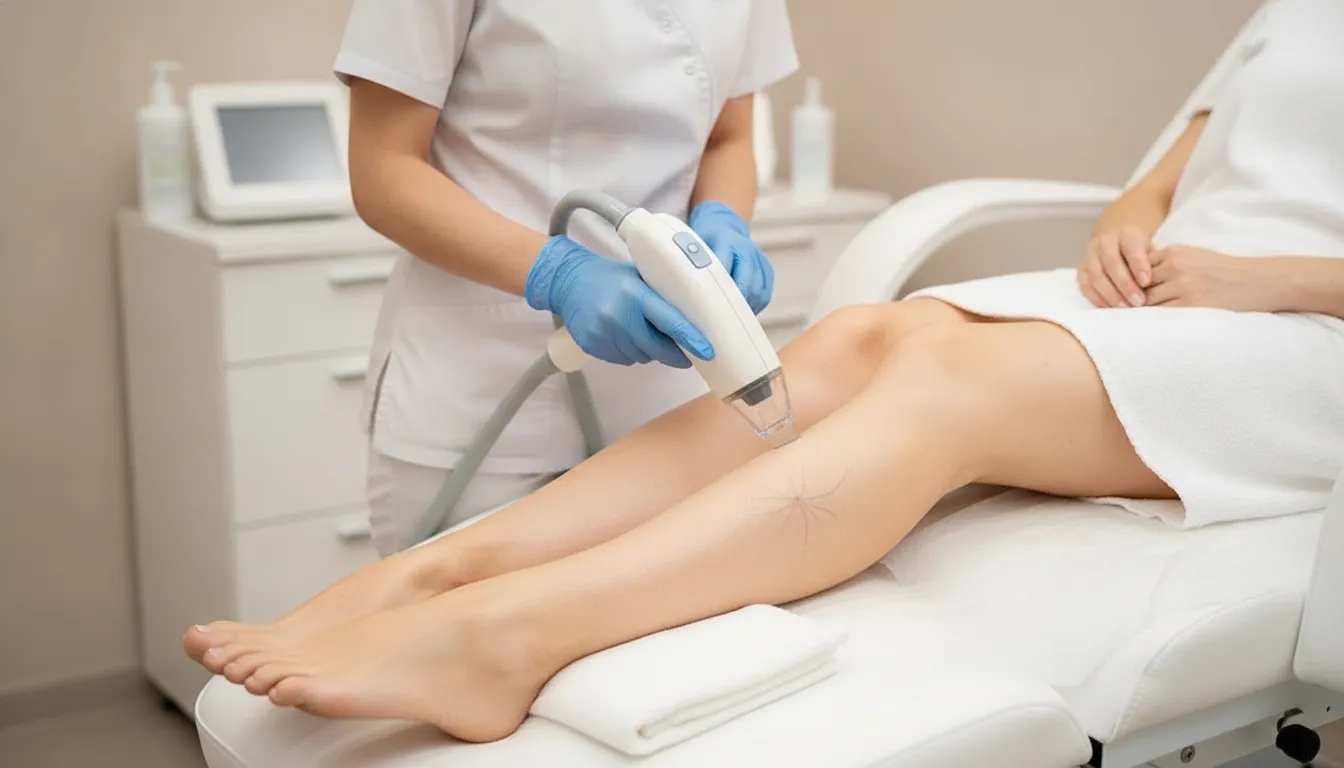

Pregnancy and early motherhood can change your body in ways that are both expected and difficult to predict.
Skin texture, abdominal contours, unwanted hair, and overall comfort may shift, but those changes do not all have the same cause or the same solution.
Post-pregnancy body restoration treatments may include non-invasive body contouring or skin-focused services, but the right option depends on your recovery stage, medical history, goals, and whether you are pregnant or breastfeeding. A professional consultation can help determine candidacy, explain realistic outcomes, and identify when medical evaluation should come first.
Book your consultation with Ultimate Image MedSpa
Before considering a cosmetic treatment, it is important to allow appropriate recovery and discuss your health history with a qualified provider.
That careful starting point can help you separate aesthetic goals from concerns that may need medical attention and build a plan that fits your body and your life as a new mother.
What Should You Know Before Choosing Post-Pregnancy Body Restoration Treatments?
Choosing post-pregnancy body restoration treatments should begin with your recovery status, current health, and goals rather than a preset timeline. Pregnancy, delivery, breastfeeding, sleep disruption, and changes in body composition can all affect how you feel and what you want to address. A personalized consultation helps separate concerns that may be appropriate for aesthetic care from concerns that should first be discussed with a medical professional.
Consider your recovery stage and breastfeeding status
There is no universal date when every new mother is ready for an elective aesthetic treatment. The postpartum period involves ongoing physical changes, and your body may continue adjusting after the initial healing phase. If you are pregnant or breastfeeding, treatment may not be appropriate. Ultimate Image MedSpa’s screening process specifically reviews pregnancy and breastfeeding status before treatment, so be prepared to share your current status openly.
It is also worth considering whether your weight, routines, energy, and expectations feel reasonably stable. If you are still healing, feeling unwell, or uncertain about a symptom, delaying an aesthetic decision may be appropriate. Speak with your healthcare provider about the best next step. This is especially important when the concern involves pain, weakness, bulging, or a suspected abdominal-wall issue.
What happens during a candidacy consultation?
A consultation is designed to give you clear information, not to place pressure on you to book. The discussion may include your medical history, aesthetic goals, previous procedures, medications, allergies, medical conditions, and any relevant contraindications. The provider can also evaluate the body area you want to address and discuss whether your concern fits a non-invasive treatment category.
Planning should account for skin type and sensitivity, lifestyle, comfort preferences, prior treatment response, and your desired outcome. You can also review realistic expectations, possible alternatives, treatment timing, and whether a series of visits may be useful. For example, a body contouring plan may be discussed differently from care focused on skin texture. Neither should be presented as a universal solution for every post-pregnancy change.
Bring specific questions about recovery, expected downtime, follow-up, and what the treatment can and cannot change. A careful assessment gives you a more useful starting point than choosing a device based only on an advertisement or another person’s result.
Which Non-Surgical Treatments May Help With Post-Pregnancy Concerns?
Post-pregnancy changes can involve more than one area, so the most appropriate option depends on what you want to address, your recovery stage, and your health history. A consultation can help separate concerns related to localized fat, skin texture, unwanted hair, or a possible medical issue. These treatments are not recommended during pregnancy or breastfeeding when the provider’s screening identifies those exclusions.
For localized abdominal or flank fat
UltraShape Power is FDA-approved for non-invasive fat reduction of the abdomen and flanks. It may be considered when a patient has localized fat in an appropriate treatment area and is looking for a body-contouring option. It is not a treatment for loose skin, abdominal muscle separation, pain, or every type of postpartum body change. UIMS also provides body contouring using focused ultrasound and radiofrequency technologies. The right technology depends on the body area, tissue characteristics, goals, and candidacy assessment.

Body contouring is commonly planned as a series, but the number and timing of treatments are not guaranteed. Your plan may also need to account for medical history, medications, prior procedures, and how your body has changed since pregnancy.
For skin texture and facial care
Skin-focused care may be useful when the concern is facial dryness, dullness, uneven texture, or a desire for a refreshed appearance rather than a change in body shape. HydraFacial follows a cleanse, peel, extract, hydrate, fuse, and protect process. The clinical information describes no downtime or irritation for this service, but suitability and expected response still require an individual assessment.
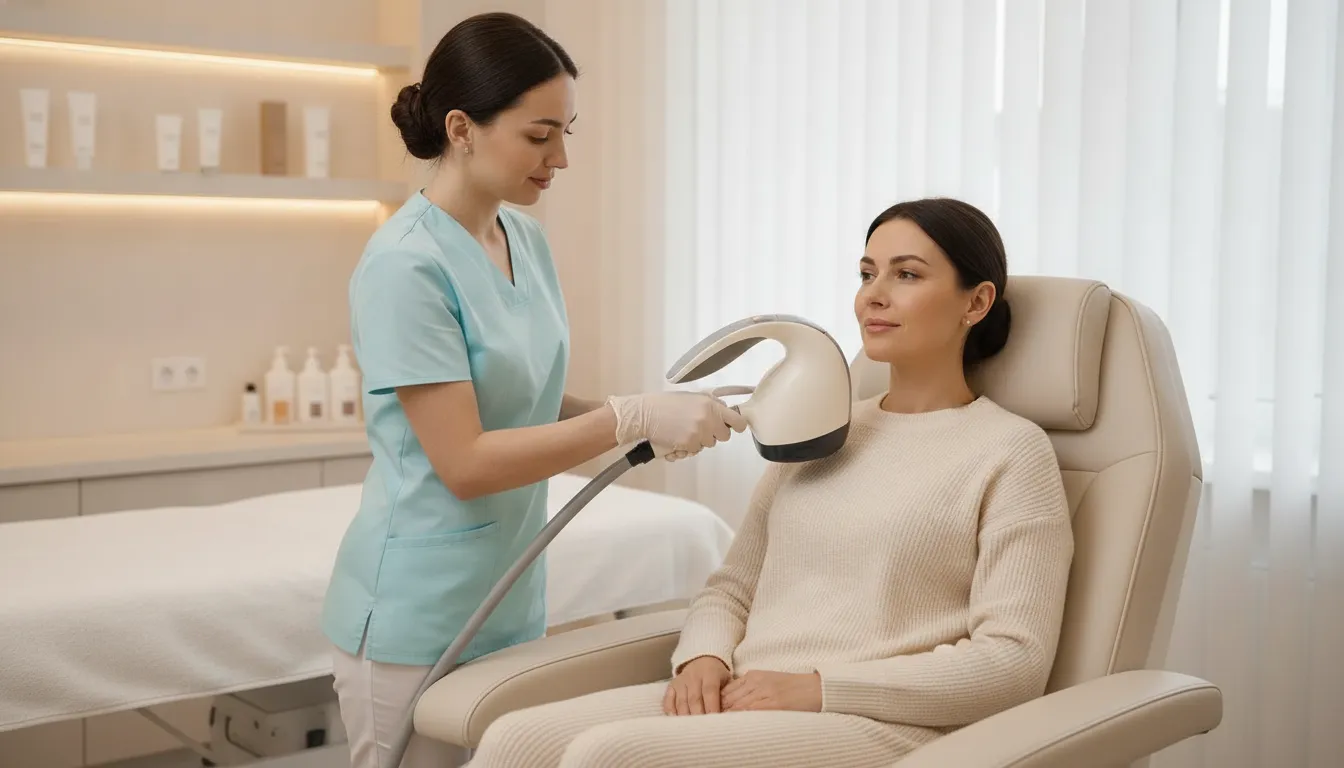
SkinPen is an FDA-cleared microneedling device that creates controlled micro-injuries to support collagen induction. It should not be presented as a universal postpartum treatment or as a solution for abdominal separation. When appropriate, the documented planning reference is generally three to six sessions spaced four to six weeks apart, with temporary redness possible for approximately 24 to 48 hours. Postpartum suitability must be reviewed before treatment.
For unwanted hair after pregnancy
Hormonal changes can affect hair growth patterns. Laser hair removal may be considered for unwanted hair once a provider determines that treatment is appropriate. UIMS uses the Candela GentleMax Pro, and multiple sessions are typically needed. Temporary redness or swelling can occur and generally subsides within hours. Because hair growth and hormones can change after pregnancy, an assessment is important before setting expectations.
These services address different concerns, and one device will not solve every postpartum change. Explore the available non-invasive aesthetic services, then discuss your goals, breastfeeding status, medical history, and realistic options with a licensed professional.
How Do You Choose the Right Treatment for Your Goals?
Choosing among post-pregnancy body restoration treatments starts with identifying the concern you want to address, not with selecting a device. A change in contour, skin texture, unwanted hair, or facial appearance may call for a different category of care. Your recovery stage, medical history, skin sensitivity, lifestyle, comfort preferences, and expectations also matter. The table below is an educational starting point, not a treatment prescription.
| Concern | Possible treatment category | Assessment note |
|---|---|---|
| Localized abdominal or flank contour concerns. | Non-invasive body contouring or fat reduction. | UltraShape Power is FDA-approved for non-invasive fat reduction of the abdomen and flanks. A provider still needs to review candidacy and the concern’s underlying cause. |
| Mild skin laxity or changes in skin texture. | Skin-focused care, such as skin tightening or microneedling. | The appropriate approach depends on the degree and type of skin change. SkinPen supports collagen induction, but it is not documented as a universal postpartum treatment. |
| Visible cellulite. | Non-invasive body contouring or cellulite-focused care. | Cellulite has different contributing factors, so an assessment is needed before discussing whether a non-invasive option fits your goal. |
| Unwanted hair after pregnancy-related changes. | Laser hair removal. | Laser hair removal uses the Candela GentleMax Pro and generally requires multiple sessions. Pregnancy and breastfeeding status must be reviewed first. |
| Facial dryness, congestion, or a dull appearance. | HydraFacial or other skin-focused care. | HydraFacial includes cleansing, peeling, extraction, hydration, fusion, and protection. Suitability still depends on your skin and medical history. |
These categories can overlap, but one treatment should not be expected to address every postpartum change. For example, body contouring may be relevant to a localized contour concern, while it would not evaluate abdominal-wall weakness or explain pain. Similarly, skin-focused care may support a texture goal without correcting deeper structural changes.
A consultation can help organize those distinctions. The discussion should include your goals, previous procedures, medical history, medications, allergies, pregnancy or breastfeeding status, and the body area you want assessed. You can review non-invasive aesthetic services for general information, then use a professional evaluation to determine whether a service is appropriate. This article is for education only and does not replace medical advice or an individualized recommendation.
Discuss your postpartum treatment goals with our team
When Should a Medical Concern Come Before Cosmetic Treatment?
Not every change after pregnancy is primarily a cosmetic concern. Loose skin, localized fat, or changes in skin texture may be appropriate topics for an aesthetic consultation. Pain, weakness, a noticeable abdominal bulge, or difficulty using your core deserve a different first step: medical evaluation. A non-surgical aesthetic service should not be used to diagnose or correct a possible abdominal-wall problem.
Symptoms that deserve medical attention first
Consider speaking with your physician or another qualified medical professional before pursuing body contouring if you notice persistent or worsening abdominal pain. Also ask for an evaluation if you have significant weakness, a new or pronounced bulge, pressure, or discomfort with movement. If you suspect diastasis recti, ask for an evaluation. This is especially important when the midline of the abdomen appears to dome or your core feels unusually unstable. Diastasis recti involves increased distance between the rectus abdominis muscles at the midline related to weakness in the anterior abdominal wall. Learn more about diastasis recti from the NCBI Bookshelf.
These symptoms do not automatically identify one condition, and an online article cannot determine their cause. A medical professional can assess whether the concern relates to abdominal-wall function, healing, another condition, or something that needs additional care. Cosmetic treatment may be considered later if appropriate, but it should not delay an evaluation.
Healing and recovery matter, too
Abnormal healing, an open or irritated area, unusual swelling, drainage, increasing redness. Or pain around a surgical or delivery-related site should be discussed with the clinician managing your recovery. Cosmetic treatment should wait until the area has healed and your current health status has been reviewed. Pregnancy and breastfeeding status also matter during candidacy screening. UIMS documentation requires review of medical history, medications, medical conditions, allergies, prior procedures, and other contraindications before treatment.
Once a medical concern has been evaluated, an aesthetic consultation can focus on the remaining cosmetic goals, such as localized contour changes or skin appearance. The consultation can review your history, body area, goals, candidacy, realistic timelines, and alternatives without assuming that one device fits every concern. This distinction helps keep post-pregnancy body restoration treatments safe, appropriately timed, and tailored to your recovery.
What Can You Expect From Treatment Planning and Recovery?
A thoughtful plan helps you understand what a treatment can and cannot address before you commit to a series. Because postpartum recovery varies, your timeline should be based on your health, goals, treatment area, and provider assessment rather than a standard calendar.
Start with a consultation and screening
Your consultation should cover your medical history, current medications, allergies, prior procedures, aesthetic goals, and the areas you would like to discuss. The provider also reviews your recovery stage and screens for contraindications, including pregnancy and breastfeeding. Be open about symptoms, recent procedures, and any changes in your health. A cosmetic appointment is not a substitute for medical care if you have pain, weakness, bulging, or another concern that may need evaluation first.
Match the treatment to the concern
The next step is deciding whether your goal is related primarily to localized fat, skin texture, unwanted hair, or another concern. Body contouring may be discussed for appropriate candidates with concerns involving areas such as the abdomen or flanks, while skin-focused services may be considered for selected texture goals. SkinPen planning, for example, generally involves a series with several weeks between treatments, but that documented protocol does not make it a universal postpartum treatment. Treatment selection should reflect your skin, sensitivity, medical history, lifestyle, and comfort preferences.
Plan sessions without assuming a fixed schedule
Some body contouring plans are commonly organized as approximately three sessions spaced about two weeks apart. This is a general planning reference, not a promise or requirement. Other services may use different intervals. SkinPen documentation describes a general range of three to six sessions with four to six weeks between treatments, when appropriate after assessment. Your provider may recommend fewer or more visits, a different interval, or no treatment if the timing is not right.
Follow the aftercare instructions
Aftercare depends on the service and the area treated. Ask what to avoid, how to care for the skin, and which symptoms should prompt a call. Temporary redness or swelling can occur with some services. For laser hair removal, the documented response is generally brief, but individual experiences vary. SkinPen may involve redness lasting about 24 to 48 hours in its documented protocol. Follow the instructions you receive instead of relying on someone else’s recovery story.
Evaluate progress realistically
Results are assessed over time, often at follow-up visits, rather than judged immediately after an appointment. Keep your expectations specific and realistic. A non-surgical service may support a selected aesthetic goal, but it cannot reverse every change after pregnancy, repair abdominal-wall concerns, or guarantee a particular result. Your plan can be adjusted as your provider evaluates your response, comfort, and changing priorities.
How Can Texas Mothers Start a Personalized Plan?
Starting with a conversation is often more useful than trying to match a postpartum concern to a device on your own. Body changes can continue as recovery progresses, and the right timing depends on your health history, current stage of recovery, goals, and whether you are pregnant or breastfeeding. Those factors should be reviewed before cosmetic treatment is considered.
At Ultimate Image MedSpa, a consultation can include a review of your medical history and previous procedures. You can discuss aesthetic goals, the area you want to address, candidacy, realistic outcomes, potential timelines, session planning, and alternatives. Screening may also cover medications, medical conditions, allergies, and other factors that could affect safety. This creates space to ask practical questions, including how a plan may fit around work, childcare, recovery, and future changes in your body.
It is helpful to arrive with a short list of priorities rather than a fixed treatment request. You might want to discuss localized abdominal or flank fullness, the appearance of cellulite, skin texture, or another concern. Different issues may call for different types of assessment. Non-invasive body contouring uses focused ultrasound or radiofrequency technologies, while skin-focused services address separate goals. A consultation helps determine whether a service is appropriate, or whether a medical evaluation should come first.
For mothers in the Dallas-Fort Worth area, Ultimate Image MedSpa has documented locations in Plano, Dallas, Lewisville, and Richardson. You can contact the team to ask about the consultation process and discuss which location is most convenient. The goal is not to promise a particular result. It is to build a realistic, individualized plan based on your concerns, readiness, and professional assessment.
Book your consultation before choosing a treatment plan
Frequently Asked Questions
How soon can you consider treatment after pregnancy?
There is no single timeline for every new mother. A consultation should review your recovery stage, medical history, breastfeeding status, goals, and the area you want to address. Treatment planning should wait until you are an appropriate candidate, rather than following a fixed postpartum date.
Can non-surgical treatments fix diastasis recti?
Cosmetic treatments should not be used as a substitute for medical evaluation of suspected diastasis recti. Pain, weakness, abdominal bulging, or functional concerns deserve assessment by a qualified medical professional. Aesthetic body contouring may address a different concern, such as localized fat, after medical issues have been evaluated.
What treatment may help with postpartum abdominal fat?
When localized abdominal or flank fat is the concern, UltraShape Power is FDA-approved for non-invasive fat reduction in those areas. It is not a universal solution for loose skin, muscle separation, or every body change after pregnancy. A provider must confirm candidacy and discuss realistic expectations.
Will I need more than one treatment session?
Many non-surgical plans involve a series, but the number and spacing depend on the treatment, body area, recovery stage, and your goals. Body contouring is generally planned as three sessions about two weeks apart in the patient experience materials, but that is a planning reference, not a guarantee.
Can I receive these treatments while breastfeeding?
Do not assume a treatment is appropriate while breastfeeding. Screening is required because medical conditions, medications, allergies, prior procedures, and breastfeeding status can affect candidacy. Discuss your plans with a qualified provider before scheduling, and follow your medical team’s guidance about postpartum recovery.
Book a Personalized Post-Pregnancy Consultation
Your body and recovery experience are unique, so an individualized conversation can help clarify which non-surgical options may fit your goals, health history, and stage of recovery. Discuss your concerns, ask questions, and learn what treatment planning may involve without assuming one approach works for everyone. Book a consultation with Ultimate Image MedSpa to talk through your post-pregnancy goals and possible next steps.