
Microneedling side effects are usually temporary, but knowing what to expect can make treatment planning easier. Redness, warmth, tightness, and sensitivity can follow treatment, and the degree of irritation varies with the plan and individual skin response. A consultation can help you understand likely recovery, discuss candidacy, and decide whether SkinPen Microneedling fits your goals.
What are the most common microneedling side effects?
Microneedling uses fine needles to create controlled micro-injuries in the skin. That process can temporarily disturb the surface as it begins to recover. Common effects include redness that resembles a mild sunburn, warmth, tightness, sensitivity, mild swelling, dryness, flaking, roughness, tenderness, and temporary itching. A deeper treatment may also produce pinpoint marks or light bleeding.
Not everyone experiences the same combination or intensity. Treatment depth, treatment area, skin sensitivity, and individual healing all play a role. The U.S. Food and Drug Administration lists possible effects such as redness, bleeding, bruising, swelling, itching, and tightness. Ask what is most likely for the plan being considered rather than relying on a general online timeline.
It can help to distinguish expected short-term irritation from symptoms that merit a call. Mild warmth and redness soon after treatment may be anticipated; escalating pain, spreading swelling, blistering, or drainage should not be treated as routine. Before treatment, ask the provider how to contact them and what response they recommend if your skin changes in an unexpected way.
How long can microneedling side effects last?
Redness and sensitivity are often most noticeable shortly after treatment and may ease over the next several days. Dryness or mild flaking can persist as the surface recovers. More intensive treatment can lead to a more visible response than a lighter approach, but there is no single schedule that applies to every person.
For example, one client may notice mostly warmth and redness on the first day, then mild dryness. Another may have more tenderness and visible redness for longer. These examples are not guarantees or predictions. They show why a provider should discuss the expected recovery for your specific area, treatment depth, skin history, and plan.
Skin tone, sensitivity, prior irritation, sun exposure, products, and daily activities can all influence comfort and appearance during recovery. Heat, sweating, and products that sting may make the period less comfortable. If your symptoms keep worsening, feel more severe than expected, or do not follow the instructions you received, contact the provider for guidance. Seek prompt medical advice for significant pain, spreading swelling, blistering, drainage, or possible infection.
Why does treatment depth affect the recovery experience?
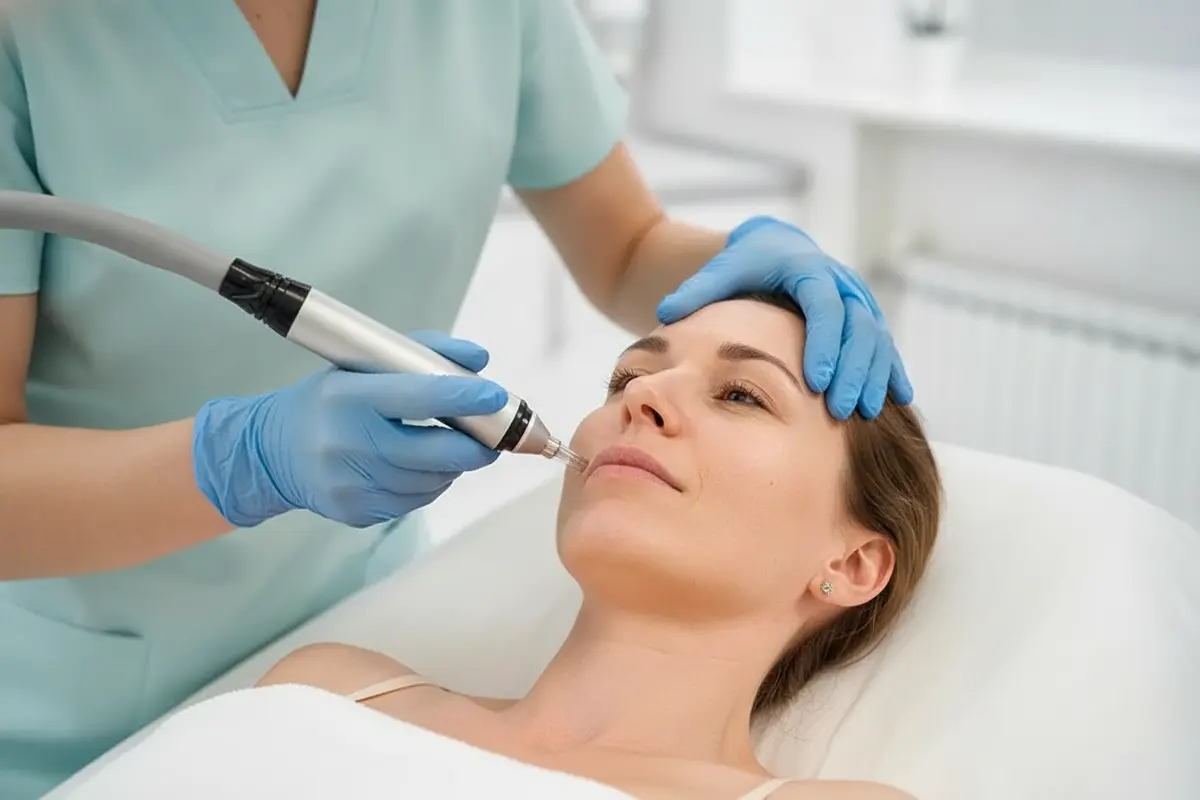
Microneedling is not one identical procedure for every client. A provider may adjust the plan after considering the area, skin condition, goals, and assessment. A lighter approach may involve less visible redness. A deeper approach may involve more pinpoint bleeding, swelling, tenderness, or flaking. These are general possibilities, not a promise about how an individual will respond.
More intensity is not automatically better. A reasonable plan balances the concern being addressed with skin tolerance and the provider’s safety assessment. Ask how the selected approach relates to your goal, what discomfort might occur, and which activities or products may need to be limited during recovery.
Ultimate Image MedSpa lists SkinPen Microneedling as a service. Review the service information and discuss whether treatment is appropriate for you. Your provider can explain the intended approach without promising a particular outcome or a fixed number of visits.
What can increase the chance of irritation?
Some circumstances may make treatment less comfortable or lead a provider to change timing or the plan. Share your health history, skin condition, products, medications, and recent procedures openly. Topics to raise include active irritation, a rash, open areas, or infection in the treatment area; a tendency toward raised scars or prolonged discoloration; recent sun exposure or sunburn; products that increase sensitivity; recent cosmetic procedures; and any condition or medication that could affect healing or bleeding.
This is not a diagnosis or a complete screening checklist. A qualified professional should assess your circumstances and explain whether to proceed, adjust, or postpone. Do not assume a nonprescription product is irrelevant, and do not leave out a recent procedure because it seems unrelated. The more complete the information, the more useful the discussion can be.
Consider how your skin is behaving on the day of the appointment, too. If you develop a new rash, irritation, or sunburn after booking, tell the provider before treatment rather than trying to cover it up. The provider can advise whether to keep the appointment, change the plan, or wait until the skin is calmer. That conversation is a practical safety step, not a reason to diagnose yourself.
How should you prepare to reduce avoidable discomfort?
Follow the instructions that match your treatment plan. Preparation is mainly about arriving with calm, clean skin when instructed and giving the provider accurate information. Use this checklist to organize the conversation:
- Write down your current skincare products, medications, allergies, skin conditions, and recent treatments. Bring the names or packaging if you are unsure what an ingredient is.
- Ask whether any product should be paused before the appointment. Do not stop prescribed medication without guidance from the appropriate medical professional.
- Protect the area from unnecessary sun exposure and tell the provider about any recent sunburn or significant exposure.
- Follow directions about washing and arriving without products on the treatment area. Do not add new products as a last-minute preparation experiment.
- Plan your calendar with some flexibility in case redness or sensitivity is noticeable. Avoid scheduling an important event immediately after treatment if you would feel uncomfortable with visible redness.
- Ask what cleanser, moisturizer, and sun protection are appropriate during recovery, and request written instructions you can refer to later.
Preparation cannot prevent every side effect. It can help the provider make an informed plan and help you remember which advice applies to you. If instructions you received conflict with general online guidance, ask the treating provider to clarify before changing your routine.
What should you do after microneedling?
Use the aftercare plan provided for your treatment. Avoid picking, rubbing, or exfoliating skin while it is sensitive. Use only the products recommended for recovery, and ask before restarting active ingredients or products that may sting. Gentle care is usually more sensible than trying to speed up flaking with scrubs, peels, or several new products.
Sun protection matters while skin is recovering. Limit avoidable heat and activities that make you very sweaty if your instructions recommend doing so. Do not decide when to wear makeup, exercise, or return to a usual skincare routine based only on a generic schedule. Ask when those activities are appropriate for your skin and treatment depth.
A simple way to manage aftercare is to keep the instructions accessible and change one variable only when cleared. If a product causes unexpected burning or a new reaction, stop and contact the provider for direction rather than layering another product over it. If symptoms are severe or rapidly worsening, seek appropriate medical guidance. If you are uncertain whether something is normal, a clear description of when it started and what has changed can help the provider advise you.
How do microneedling side effects compare with the expected benefits?
People may consider microneedling when they want to address the appearance or texture of skin without a surgical procedure. The decision should weigh the concern, recovery time, skin sensitivity, and possibility of temporary effects. Response and outcomes vary; a provider cannot guarantee a particular result or a set number of appointments.
| Planning factor | Questions to ask | Why it matters |
|---|---|---|
| Skin concern | What visible concern is this plan intended to address? | Clarifies whether the procedure matches your goal. |
| Recovery | What redness, tightness, dryness, and activity limits are likely? | Helps plan work, social events, and aftercare. |
| Skin history | Could sensitivity, irritation, scarring, or sun exposure affect timing? | May change candidacy or the treatment plan. |
| Plan details | What area and approach are recommended, and what follow-up is expected? | Sets realistic expectations without promising a fixed result. |
| Cost | What is the consultation-based cost for my individual plan? | Avoids relying on a generic amount that may not apply. |
A systematic review in the National Library of Medicine describes microneedling as generally associated with minimal adverse effects in the reviewed literature. That does not mean the procedure is risk-free or suitable for everyone. Discuss possible benefits, limits, alternatives, and side effects before deciding.

How can you compare microneedling with another skin treatment?
The right choice depends on the concern, tolerance for recovery, and a provider’s assessment. If you are comparing options, Ultimate Image MedSpa also lists HydraFacial services, a VI Peel, and eMatrix skin resurfacing. These treatments are not interchangeable, and each has distinct candidacy considerations, aftercare, and possible recovery effects.
Do not choose only by the shortest advertised downtime. Ask what concern the treatment is intended to address, which temporary effects are common, what restrictions apply, and how to get help if your skin responds differently than expected. For instance, someone prioritizing a specific skin concern may need a different discussion from someone whose main constraint is a busy week. A consultation should connect the proposed treatment to both the goal and the practical recovery plan.
When comparing procedures, make a short list with three columns: the concern you want addressed, the recovery you can accommodate, and the questions still unanswered. Take it to the consultation. This helps keep the conversation focused on your own circumstances instead of broad claims or assumptions based on a treatment name.
What questions should you ask before treatment?
Bring questions so you can make an informed decision. Useful ones include:
- Am I a candidate based on my current skin condition and history?
- Which side effects are most likely with the plan you recommend?
- How long might redness, tightness, or dryness be noticeable for this plan?
- Which products and activities should I avoid before and after treatment?
- Which symptoms should prompt me to contact you, and how should I reach you?
- How would you adjust the plan if my skin is more sensitive than expected?
- What is the consultation-based cost for the plan you recommend?
- What alternatives should I consider if microneedling is not suitable for me?
Clear answers should cover what is commonly expected and what is not, as well as who to contact during recovery. You should feel able to explain the likely benefits and limitations in your own words before agreeing to treatment.
How can you plan around recovery in real life?
Think through the first few days as a scheduling question, not just a skin-care question. If your work involves frequent video calls or in-person meetings, ask how visible redness may be and consider leaving some flexibility in your calendar. If you have outdoor plans, discuss sun exposure and protection beforehand. If your routine includes exercise, sauna, or other heat exposure, ask which activities should wait and for how long according to your provider’s instructions.
For example, a client with a flexible week may be comfortable booking when they can keep the schedule light. Someone with a wedding, presentation, or travel plans may prefer to discuss timing well in advance. Neither scenario determines candidacy; it simply helps the provider and client coordinate expectations. There is no need to guess at a universal number of downtime days when the treatment plan has not yet been assessed.
Keep a note of how your skin looks and feels after treatment if you need to ask a follow-up question. Record when the symptom began, whether it is improving or worsening, and what products or activities came before it. A concise timeline can make a conversation clearer. Do not delay seeking help for severe or rapidly worsening symptoms while collecting notes.
Frequently asked questions
Is redness after microneedling normal?
Redness is a common temporary response and may resemble mild sunburn. Ask your provider what degree and duration are expected for your specific plan.
Can microneedling cause bleeding?
A deeper treatment may cause light pinpoint bleeding. Your provider can explain whether that is expected and how to care for the area afterward.
When should I contact the provider?
Contact the provider if symptoms are severe, worsening, unusually painful, or not following your instructions. Significant swelling, blistering, drainage, or other concerning changes warrant prompt medical guidance.
Will everyone have the same recovery?
No. Recovery can vary with sensitivity, treatment depth and area, sun exposure, products, and individual healing. A consultation gives a more useful estimate than a universal timeline.
How many treatments will I need?
The number varies by person and concern. A provider can discuss a possible plan after assessing your skin, but no fixed number or specific result can be guaranteed.
What is the next step?
A consultation can help you understand microneedling side effects, candidacy, recovery, and alternatives before deciding. Ultimate Image MedSpa serves clients across DFW, including Plano, Dallas, Lewisville, and Richardson, and can discuss an individualized plan during your visit.