
A microneedling consultation connects your skin concerns with a careful treatment-planning conversation. It gives you time to explain your goals, share relevant health and skin-care history, ask about SkinPen Microneedling, and understand what preparation, recovery, and follow-up may involve. The visit is an opportunity to make an informed choice, not a promise of a specific result or a fixed number of appointments.
Request a microneedling consultation
What happens during a microneedling consultation?
A useful consultation begins with your priorities. Tell the provider what you would like to address and what a successful experience would mean to you. You may care most about the appearance of marks, uneven texture, overall skin renewal, recovery timing, or whether a professional treatment fits your current routine. Naming that priority makes the conversation more specific than simply saying you want better skin.
The provider can review your skin, ask about relevant health history, and discuss whether SkinPen Microneedling is appropriate for your circumstances. You may be asked about current products, prescription products, active ingredients, previous treatments, recent procedures, irritation, allergies, and medications. Share information accurately, including details you are unsure are important. Do not stop prescribed medication or change a routine unless a qualified clinician tells you to do so.
The consultation may also clarify what the treatment is designed to address and what it cannot promise. Individual response varies. Your skin, goals, history, and response over time all matter when a provider discusses a possible plan. A careful discussion should leave room for a recommendation to change if new information comes up.

Before the visit, you can review the practice’s SkinPen Microneedling information and the services overview. These pages can help you form questions, but they cannot determine candidacy. Your consultation should focus on what applies to your skin and goals.
What should you prepare before the appointment?
You do not need a complicated dossier. A concise, honest account of your history is more useful than trying to decide which details matter on your own. In the days before the appointment, make a short note of:
- Your main skin concerns and the change you hope to see.
- Current skin-care products, especially prescription products and active ingredients.
- Recent procedures, treatments, irritation, or significant skin reactions.
- Relevant health history, allergies, and medications the provider asks you to disclose.
- Upcoming events, travel, work obligations, or schedule limits that may affect planning.
If you cannot remember a product name, take a photo of the label or bring the container. Note when you last had a treatment if you know. These small steps reduce guesswork and give the provider a clearer basis for follow-up questions. Do not omit a detail because you think it will automatically rule you out. Full context supports a more useful suitability discussion.
It also helps to write your top three questions in order. A consultation can cover goals, candidacy, preparation, aftercare, timing, and cost. A short list makes it less likely that you leave without addressing the issue that matters most. If you have several concerns, rank them rather than expecting one treatment to address every issue at once.
How is candidacy assessed?
There is no universal checklist that determines candidacy for every person. Your skin condition, health history, recent treatments, medication, and goals may all affect the conversation. A provider may ask for more information, recommend waiting, or suggest another approach if something needs attention first. Mention current irritation or an active skin concern instead of assuming it is unrelated.
A candidacy discussion should connect the recommendation to your circumstances. Ask which factors in your own history shaped the assessment. If treatment is not advised now, ask what needs to change, whether another option should be discussed, and when it may make sense to check in again. A careful explanation should distinguish general information from guidance based on your evaluation.
The U.S. Food and Drug Administration website provides general information about medical devices and health topics. General information does not replace an individual evaluation or the instructions given by your provider. Bring questions about your own situation to the consultation rather than trying to make a decision from a general source alone.
Keep the goal realistic. A consultation can clarify the concern being addressed, the reasoning behind a plan, and the uncertainties that remain. It cannot predict precisely how your skin will respond. The practice’s guide to microneedling in Plano may help you learn basic terminology, while your appointment should focus on what applies to your circumstances.
What questions help you understand a proposed plan?
Strong questions are concrete and personal. Consider asking:
- What concern would this treatment address in my case?
- What parts of my skin or history affect the recommendation?
- What would make you postpone treatment or suggest another approach?
- What should I expect during an appointment, including common sensations?
- What preparation and aftercare instructions would apply to me?
- What changes may occur during recovery, and when should I contact the practice?
- How will progress be reviewed before another appointment is considered?
- What is included in the proposed plan, and how is pricing determined after assessment?
Ask the provider to separate what is known from what depends on your response. If you hear an unfamiliar term, request a plain-language explanation. Before leaving, repeat the proposed next step in your own words. This quick check can reveal misunderstandings about timing, preparation, or follow-up while there is still time to clarify them.
For example, suppose you have an event in a few weeks and want to address texture. Tell the provider the event date rather than assuming the schedule is suitable. Ask what recovery could involve, whether the timing is sensible, and what the provider would recommend if there is not enough time. The answer should be based on your assessment, not a promise that your skin will look a certain way by a deadline.
How do consultation and treatment differ?
The consultation is the planning and decision stage. A treatment appointment, if recommended and chosen, is a separate step that follows the provider’s instructions and consent process. You should have room to understand the recommendation and decide whether to proceed. If you feel rushed or do not understand an answer, ask for clarification before making a decision.
| Topic | Consultation | Treatment appointment |
|---|---|---|
| Main purpose | Discuss goals, history, suitability, and options | Carry out the agreed plan if it remains appropriate |
| What you share | Skin-care routine, relevant history, concerns, and schedule | Any change in health or skin since the consultation |
| What you clarify | Rationale, precautions, preparation, and cost approach | Specific instructions and follow-up guidance |
| Decision | Proceed, wait, ask more questions, or consider alternatives | Confirm the plan is still suitable that day |
Use this table as a conversation prompt, not a substitute for the practice’s process. Timing and the number of appointments vary by person and plan. Ask how recommendations are reviewed over time rather than relying on another person’s schedule. The practice’s microneedling cost guide offers general context, but consultation-based pricing should be discussed after assessment.
What should you discuss about preparation and recovery?
Preparation and aftercare should be specific to the evaluation and treatment plan. Ask which products or activities to avoid, for how long, and how to care for your skin afterward. Confirm which changes are expected and which concerns should prompt a call. Do not treat a generic online checklist as a replacement for instructions tailored to you.
Make your calendar part of the conversation. If work, travel, exercise, outdoor plans, or a significant event affects your schedule, say so. Ask whether the timing is reasonable and what flexibility you would need if the provider recommends waiting. If instructions are unclear after the appointment, contact the practice for clarification rather than improvising.
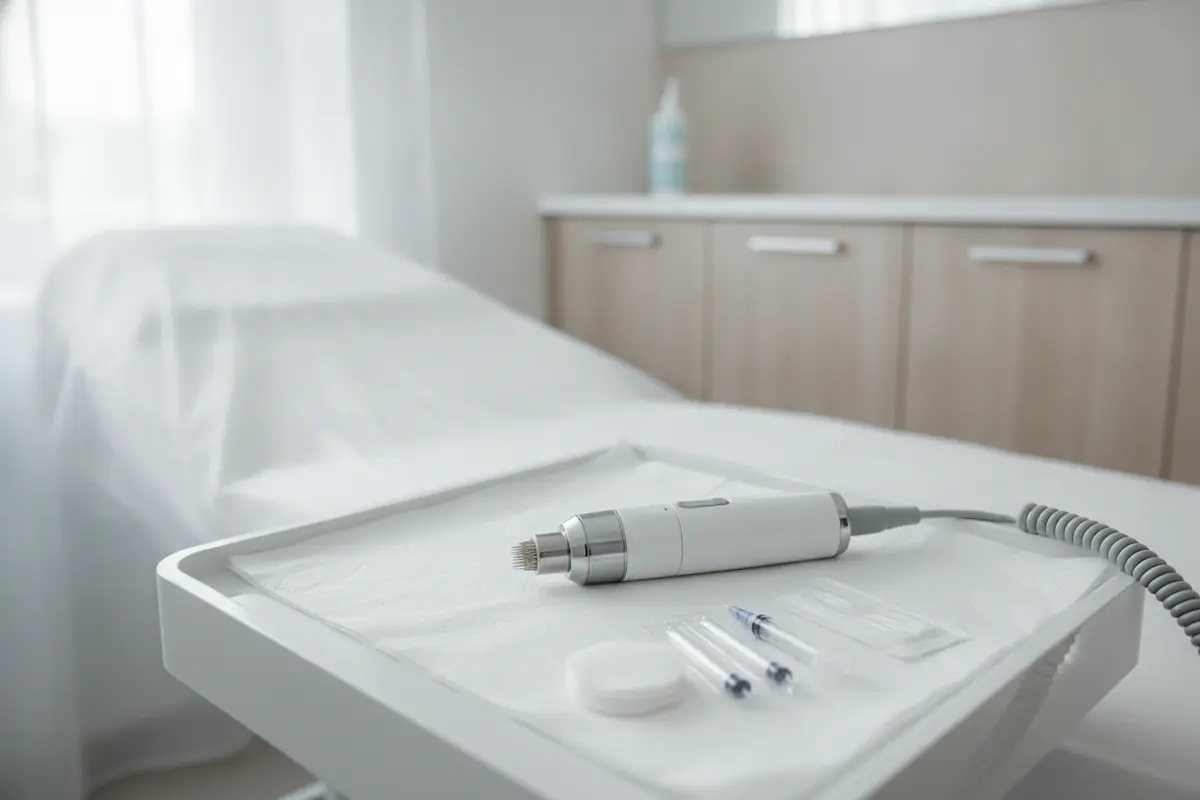
Recovery questions can also help you evaluate the clarity of the explanation. You should understand what the provider expects, how to follow the aftercare plan, and whom to contact if a concern arises. No general article can tell you exactly how your skin will respond. Individual guidance should reflect your evaluation and the treatment actually recommended.
How can you compare plans without focusing only on visit count?
A proposed appointment count is only one detail. Consider whether the plan connects your stated goals to an assessment, explains relevant precautions, and allows recommendations to change based on your response. Ask what would trigger a reassessment and how progress will be reviewed. A thoughtful plan should not guarantee an outcome or insist that one schedule suits everyone.
Compare the quality of the discussion as well as the outline. Did the provider invite you to share your history? Were uncertainties acknowledged? Did you receive clear preparation and follow-up guidance? Could you explain the next step after the conversation? These questions help you assess whether you have enough information to make a choice.
If you compare providers or approaches, avoid judging solely by a headline offer or a single estimate. Ask what is included, whether the recommendation follows an assessment, and how the provider handles changed circumstances. The DFW MedSpa guide may help you organize your research. The final recommendation and pricing should be discussed in consultation, not assumed from a general page.
A useful personal checklist is to leave with four points understood: the concern being addressed, why the plan was proposed, what preparation and recovery guidance applies, and what happens next. If one point is still unclear, follow up before booking treatment. Taking time to understand a plan is part of making an informed choice.
Book your consultation to discuss your goals
How does cost fit into the consultation?
Cost is a reasonable part of treatment planning, but an online estimate cannot account for your individual assessment. Ask what the proposed price includes, whether the recommendation is for one appointment or a broader plan, and when payment is due. Confirm whether follow-up discussions or other recommended steps are separate. This keeps the conversation clear without assuming that another person’s plan or quote applies to you.
You can also ask how the provider decides whether another appointment is appropriate. The answer should connect the decision to your goals, assessment, and response rather than to a guaranteed package size. If your circumstances change, ask whether the plan should be reviewed before proceeding.
What should you do after the consultation?
Review your notes while the conversation is fresh. Write down the recommended next step, preparation instructions, questions that remain open, and any date or timing issue you need to resolve. If you need more information, contact the practice before treatment rather than relying on memory or a generic checklist.
You may also review the practice’s DFW MedSpa home page and Ultimate Image MedSpa updates for additional context. Those pages cannot determine candidacy, so bring any uncertainty back to the provider.
Frequently asked questions
What should I bring to a microneedling consultation?
Bring a list or photos of current skin-care products, notes about recent treatments, and relevant health information the provider requests. Write down your main concerns, schedule limits, and questions so you can cover what matters most.
Do I need to decide on treatment during the consultation?
No. The consultation is an opportunity to understand the recommendation and ask for clarification. You can take time to consider the information before deciding whether to proceed.
Will the consultation tell me exactly how many sessions I need?
The provider may discuss a possible plan, but timing and the number of visits depend on individual assessment and response. No fixed schedule or particular result can be guaranteed.
How is the cost determined?
Pricing depends on the plan and should be discussed after assessment. Ask what is included and whether follow-up is part of the recommendation. Do not assume a general estimate describes your circumstances.
A thoughtful microneedling consultation helps you understand whether SkinPen Microneedling fits your goals, what preparation may involve, and which questions remain before you decide on a next step.