
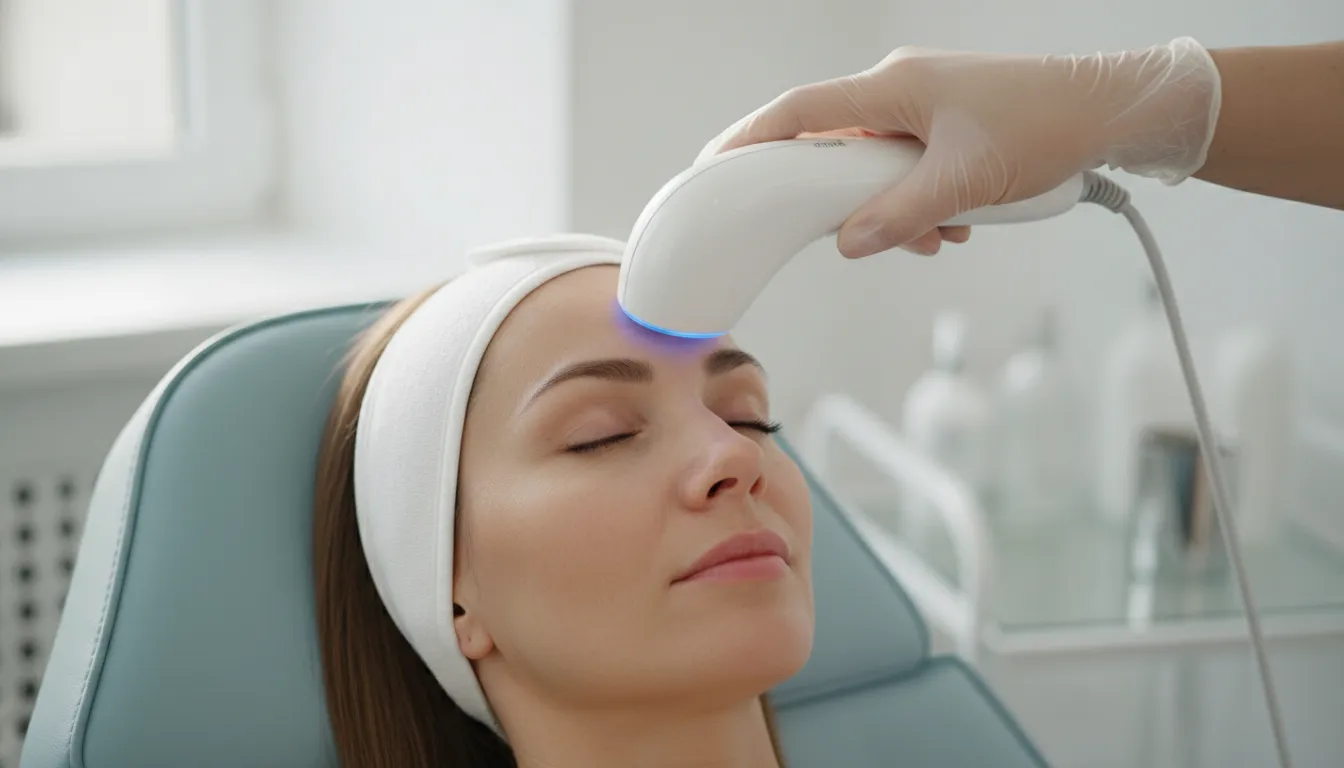
Acne scars and uneven texture can keep showing through even a careful routine. eMatrix offers a focused treatment option when surface care is not enough.
Book an eMatrix consultation at Ultimate Image MedSpa to find out whether sublative rejuvenation fits your skin goals.
eMatrix sublative rejuvenation is a fractional skin resurfacing treatment that uses bipolar radiofrequency energy in precise points beneath the skin’s surface for targeted renewal. That controlled pattern prompts the body’s repair response while untreated nearby skin helps support recovery after the session with less surface disruption. Patients commonly consider it for acne scars, uneven texture, enlarged pores, fine lines, wrinkles, or mild skin laxity despite consistent home care. Clinical research reports that fractional bipolar radiofrequency treatment has been shown to stimulate new collagen and elastin production, supporting the science behind gradual improvements over time. A consultation at Ultimate Image MedSpa helps determine whether this approach suits your skin type, concerns, downtime expectations, and treatment goals during a personalized evaluation.
Before you decide whether this radiofrequency option belongs in your skin care plan, you need a clear answer to: What is eMatrix sublative rejuvenation? We will begin with the treatment itself, how it works, and why a consultation matters: here’s how.
What is eMatrix sublative rejuvenation?
eMatrix sublative rejuvenation is a skin resurfacing treatment that uses radiofrequency (RF) energy below the skin surface. It is designed for texture, tone, and firmness concerns without treating the whole surface at once. If you are considering treatment in Dallas-Fort Worth, start with a skin rejuvenation consultation at Ultimate Image MedSpa.
Radiofrequency resurfacing below the surface
During eMatrix treatment, controlled RF energy reaches small areas of the dermis, the supportive layer under the skin surface. This focused approach starts a repair response while leaving nearby skin untreated. The goal is smoother-looking texture over time, not an instant change after one appointment.
RF resurfacing is not simply a facial or a surface polish. A published clinical study found that bipolar fractional RF treatment can prompt new collagen and elastin formation. This process, called remodeling, helps explain why skin changes may develop after treatment rather than appearing at once. Read the fractional radiofrequency study for the research background.
Concerns eMatrix may address
People often ask about eMatrix when texture is the main concern. A consultation may discuss acne scars, fine lines, wrinkles, visible pores, uneven texture, or mild skin laxity. Treatment choice depends on your skin, comfort with recovery, and the concern you want to address.
- Texture changes, including the look of acne scars or larger pores.
- Fine lines and wrinkles that make skin look less smooth.
- Uneven tone or mild laxity discussed during a skin assessment.

eMatrix treatment planning starts with a consultation, skin assessment, and clear recovery expectations.
Patients who want more detail before an appointment can review this guide to what to expect before your first eMatrix visit. It explains the visit and aftercare in a way that can help you prepare questions for your provider.
A consultation-led option in DFW
Ultimate Image MedSpa serves patients in Plano, Dallas, Lewisville, and Richardson. For DFW patients, the first step is a personal assessment rather than choosing a treatment from a list. The visit gives your provider time to review your skin type, goals, and a suitable care plan.
That step matters because RF treatment settings and care needs are not one-size-fits-all. A provider can explain expected skin responses, review your health history, and discuss whether eMatrix fits your goals. If another skin care option better matches your needs, the consultation is the place to discuss it.
How does eMatrix sublative rejuvenation work?
Fractional radiofrequency delivery
eMatrix sublative rejuvenation uses bipolar radiofrequency (RF) energy to treat small, selected points within the skin. An applicator places this energy in a fractionated grid, rather than heating every spot in the treatment area. These points are often described as controlled micro-injuries.
Because untreated skin remains between the points, the treatment creates a patterned approach to resurfacing. Energy reaches the dermis, the support layer below the outer surface. This is why the process is called sublative: it works through focused treatment points, not full removal of the skin surface.
The skin remodeling response
The small treatment points start a repair response in the treated tissue. As that response unfolds, skin may form new support fibers and gradually develop a smoother texture. Published research on fractional bipolar RF found new collagen and elastin formation after treatment.
That healing response helps explain why eMatrix is discussed for texture concerns, including acne scars and fine lines. It does not mean that each person will see the same change. Skin condition, treatment settings, and the care plan can affect the course of improvement.
eMatrix is different from a treatment that resurfaces an entire skin area at once. The fractional grid directs treatment into selected points while surrounding areas remain untreated. Readers who want a wider overview can review Ultimate Image’s guide to advanced RF skin rejuvenation.
Treatment planning and control
Precise energy delivery is part of responsible RF care. A clinical review notes that thermal damage control is crucial for safe and effective skin remodeling treatments. That principle supports a measured treatment plan rather than a one-size-fits-all setting.
Before an eMatrix session, a licensed professional assesses the skin and discusses the treatment goal. They may review the area being treated, skin type, and expected post-treatment response. This evaluation helps determine whether the procedure is a fit for the patient’s needs.
During the session, the provider controls where and how the patterned RF energy is delivered. The goal is a planned healing response, with changes that may develop as tissue remodels. Care is based on professional assessment, not a guaranteed result.
What skin concerns can eMatrix improve?
eMatrix sublative rejuvenation is used for concerns that involve the skin surface and its support structure. It may improve the look of acne scars, fine lines, wrinkles, uneven tone, rough texture, enlarged pores, mild laxity, and overall firmness. The right goal depends on your skin, treatment plan, and starting concern.
Acne scarring
Acne scars can leave skin with dips, uneven texture, or shadows that show in changing light. eMatrix treats small areas of the skin in a patterned way. This approach supports gradual remodeling rather than trying to cover the scar at the surface.
Radiofrequency treatment can prompt new collagen and elastin formation in treated skin, according to a clinical study of bipolar fractional radiofrequency. That response is why this approach may help scars appear smoother with time. Results vary based on scar pattern, depth, and the skin’s response.
Scarring is not always one concern. Some people notice indented marks, while others see roughness around old breakouts. A provider can review the type and location of scarring before suggesting a plan. This helps set a focused goal for treatment.
Texture and tone
Rough texture and enlarged pores can make the skin look less even, especially under makeup or direct light. Uneven tone may add to that effect. For readers comparing these concerns, the advanced RF skin rejuvenation guide explains the broader role of radiofrequency resurfacing.
eMatrix is intended to improve skin texture, tone, and firmness through fractional resurfacing. It does not erase every pore or create one uniform shade. A consultation can help separate concerns that fit resurfacing from pigment concerns that may need a different care plan.
Fine lines, wrinkles, and mild laxity
Fine lines and early wrinkles often become more visible as skin loses firmness. Mild laxity can also make the surface seem less smooth. The customer’s guide to the benefits of eMatrix sublative rejuvenation offers added detail on wrinkles and skin tone.
eMatrix may suit people who want improvement in texture and firmness without focusing on one line alone. Its resurfacing effect is not the same as a lift, and deeper folds may call for other options. Your provider can assess whether lines, laxity, or surface changes are the main concern.
Because several concerns can occur together, treatment goals should be clear before care begins. For example, a person may want softer acne scarring and a smoother skin feel. Another may focus on fine lines and mild loss of firmness. An individual assessment helps keep expectations practical and specific.
Who is a good candidate for eMatrix?
Concerns that may fit a treatment discussion
eMatrix sublative rejuvenation may be worth discussing if you want smoother-looking skin without surgery. Common reasons for asking about treatment include uneven texture, fine lines, visible pores, or the look of acne scars. Your goals matter because one plan does not fit every face or every schedule.
The treatment uses fractional radiofrequency energy rather than a surgical procedure. A clinical study found new collagen and elastin formation after bipolar fractional radiofrequency treatment. You can review the published study record before talking with a provider.
Skin type and a personal plan
At Ultimate Image MedSpa, a consultation includes a review of Fitzpatrick skin type, from I through VI. This step helps a licensed professional plan care around skin tone, your goals, and the skin being assessed. It also gives you time to ask what changes may be realistic for you.
The visit can cover past skin procedures, current skin care, comfort questions, and expected aftercare. If you are comparing resurfacing options, the guide to advanced RF skin rejuvenation can help you prepare questions before your appointment.
When an in-person consultation matters
People across DFW often seek a non-surgical option that can work with a busy routine. A personal assessment is important when your choice depends on skin type, prior care, or a specific concern. It is also the right setting to discuss timing and aftercare needs.
- You want to improve the look of texture, fine lines, pores, or acne scarring without surgery.
- You want guidance based on your Fitzpatrick skin type instead of general online examples.
- You have had recent skin treatments, skin reactions, or questions that should be reviewed before care.
A licensed professional can review your goals and explain whether eMatrix fits your planned care. Patients can request personal care at the Plano, Dallas, Lewisville, or Richardson location through the appointment request page.
Schedule a skin assessment if you want help comparing eMatrix with microneedling, RF resurfacing, or other skin rejuvenation options.
What to expect before, during, and after treatment
eMatrix sublative rejuvenation follows a planned process, from skin review to recovery checks. Your provider can adjust the plan for your skin, goals, health history, and schedule. This overview helps you ask clear questions and plan time around a session.
Before your appointment
Fractional bipolar radiofrequency can support new collagen and elastin formation in treated skin. This effect is described in a published clinical study of bipolar fractional radiofrequency treatment. Your consultation is where that science meets your concerns, such as texture or acne scars.
Bring questions about past treatments, skin reactions, medicines, and your usual skincare routine. Tell the provider about events on your calendar. A careful plan considers both the treatment area and the time your skin may need to settle.
Your visit and early recovery
The provider cleans and prepares the treatment area, then applies energy in the planned pattern. Patients may describe warmth, prickling, or brief discomfort during a session. Sensation can vary by area and treatment settings, so speak up during treatment.
Complete a consultation. A licensed professional examines your skin and discusses your goals. Ask what change is reasonable and how the plan fits your skin needs.
Prepare as instructed. Follow directions about skincare products, sun exposure, and arrival details. Our guide to first-session preparation tips adds practical help before a first session.
Plan for treatment sensation. Your provider selects settings after the skin review and monitors the area. Report heat or discomfort, rather than trying to push through it.
Care for skin afterward. Use only the products your provider recommends. Do not pick at dry or flaky spots. Follow your instructions for sun care, cleansing, exercise, and heat exposure.
Wait before using makeup. Ask when treated skin is ready for cosmetics. Timing may depend on redness, sensitivity, healing, and the type of product you use.
Schedule follow-up visits. Your provider may suggest a series and check your response between visits. Future settings and timing can change based on healing and your treatment goals.
Downtime and Gradual Results
Redness, a warm feeling, dryness, or light flaking may follow treatment. For some patients, these changes are mild and pass soon. Others may need more time before skin looks calm enough for an event or makeup.
Results may build with time as treated skin remodels. Your provider can compare progress after recovery and discuss whether more sessions fit your goals. Contact the practice if pain, swelling, or skin changes worry you during recovery.
EMatrix vs. Microneedling: Which Option Fits Your Goals?
How each approach differs
eMatrix sublative rejuvenation and traditional microneedling are not the same kind of treatment. Traditional microneedling uses fine needles to create controlled channels in the skin. eMatrix places fractional bipolar radiofrequency (RF) energy below the surface in a patterned treatment area. Other RF resurfacing plans can use different devices and settings.
The energy matters because it shapes the treatment plan. Research on fractional bipolar RF found that it can prompt new collagen and elastin formation in treated skin. The study is available through PubMed’s review of bipolar fractional radiofrequency. A provider can explain what this process means for your concern and skin history.
Depth is another useful question, but there is no single answer for every visit. Your provider chooses the approach after reviewing the treated area, your skin, and your goals. The comparison below can help you discuss those choices without assuming one option is always better.
| Comparison point. | Traditional microneedling. | eMatrix sublative rejuvenation. | Other RF skin resurfacing. |
|---|---|---|---|
| Treatment method. | Fine needles, without RF energy. | Fractional bipolar RF through a patterned tip. | RF delivery varies by device. |
| Treatment focus. | Controlled skin channels. | Fractional heat below the surface. | Chosen RF setting and treatment area. |
| Common goals. | Texture and a refreshed look. | Texture, acne scars, fine lines, or pores. | Resurfacing goals selected by provider. |
| Downtime planning. | Depends on treatment depth. | Plan for short-term redness and skin care. | Depends on device and energy level. |
| Best fit is based on. | Skin goals and tolerance. | Skin concern, history, and RF plan. | Device choice and clinical assessment. |
Goals and recovery planning
Microneedling may come up when the goal is a needle-based treatment for texture concerns. To see how that option is offered at Ultimate Image MedSpa, review the microneedling treatment page. It gives you a starting point before you discuss treatment depth and recovery needs with a provider.
eMatrix may be considered when your plan calls for fractional RF treatment. Its energy is delivered in a grid-like pattern within the skin. This approach supports the repair process. Concerns discussed for this option include uneven texture, fine lines, pores, and acne scars. Planned intensity still depends on your skin and goals.
Recovery cannot be compared by treatment name alone. Depth, energy setting, treated area, and skin response can change what you notice afterward. If you are weighing RF options, the guide to advanced RF skin rejuvenation can help you prepare specific questions.
Your schedule may also guide the discussion. Tell your provider about work, events, sun exposure, or skin care products that affect your timing. That information helps shape an aftercare plan and avoids comparing treatments only by a general downtime label.
Consultation and treatment fit
A consultation helps your provider match the method to the concern you want treated. Bring up acne scarring, lines, texture, pore appearance, past treatments, and your preferred downtime. Your provider can assess your skin in person. Then you can discuss whether needle-based care or RF resurfacing is a reasonable fit.
This conversation also helps set clear expectations. Ask what treatment depth is planned, what aftercare is needed, and when normal routines may resume. A careful plan is more useful than choosing a procedure from its name alone. Settings and skin needs can differ from one patient to another.
How many sessions and what cost factors should you expect?
Planning your first series
Most eMatrix sublative rejuvenation plans begin as a series, rather than a single visit. A common recommendation is 3 to 5 sessions, often spaced about 4 to 6 weeks apart. Your provider can set the plan after reviewing your skin, concerns, and treatment area.
That spacing is part of the process, not a delay. The skin needs time between sessions, and each visit offers a chance to assess your response. Before your series starts, review what to expect when pre-treatment eMatrix guidance.
Results and later maintenance
eMatrix uses fractional radiofrequency energy, so changes tend to develop over time. A clinical study indexed by PubMed found that bipolar fractional radiofrequency induced new elastin and collagen formation. This helps explain why providers look at progress across a series.
Your first plan may focus on texture, fine lines, acne scars, or overall tone. Once those sessions are complete, your provider can review your response and discuss maintenance. Some patients choose later visits to support their results, while others wait until a new concern appears.
Cost factors and consultation
There is no single useful price for every eMatrix plan. Cost can vary with the treatment area, the number of visits in your plan, and the extent of the concerns being treated. A smaller area and a broader resurfacing plan do not call for the same estimate.
A consultation helps connect cost to a clear treatment goal. It gives you time to ask how many visits may be advised, how appointments fit your calendar, and what care follows treatment. You can also ask whether future maintenance is likely for your goals.
Ultimate Image MedSpa serves patients at locations in Dallas, Plano, Richardson, and Lewisville. If you are deciding whether eMatrix fits your skin and budget, book a consultation to receive a personal treatment estimate and visit plan.
Why choose Ultimate Image MedSpa for eMatrix in DFW?
Choosing a provider for eMatrix sublative rejuvenation is about more than finding a device. You also need clear guidance, trained care, and a plan based on your skin. Ultimate Image MedSpa takes an educational approach. Patients can weigh likely benefits, recovery needs, and next steps before treatment.
Local experience and clinical standards
Ultimate Image MedSpa has a long history of serving the Dallas-Fort Worth community. Patients can seek care in Plano, Dallas, Lewisville, and Richardson. That local reach can make consultations and follow-up visits easier to plan around work, family, and daily life.
Treatments are performed by licensed professionals using technology chosen for clinical care. The practice states that it uses FDA-approved technology for clinical treatments, including skin rejuvenation services. Still, a sound treatment decision starts with an assessment, not a promise about a certain result.
There is also a reason that careful technique matters with radiofrequency skin treatment. A published study found that fractional bipolar radiofrequency treatment can induce new collagen and elastin formation. Readers can review the peer-reviewed radiofrequency study for that clinical context.
This evidence does not mean one plan fits everyone. Your goals, skin history, daily schedule, and comfort with recovery all help shape the decision. A licensed professional should explain what eMatrix may address and whether another option may better match your needs.
Consultation built around your skin
DFW includes patients with a wide range of skin tones and treatment goals. Ultimate Image MedSpa offers personal consultation across the full Fitzpatrick skin type range. During that visit, the professional can review your concerns, past treatments, and the way your skin has responded before.
A consultation is also the right setting for practical questions. Ask how a treatment plan is chosen and what care is needed after a visit. Ask which changes should prompt a call to the office. The guide to eMatrix appointment preparation also explains session and aftercare topics.
Patients may also want to discuss timing, skin products, sun habits, and other treatments in their current routine. These details help the professional give guidance that is specific and useful. They also support the practice’s non-aggressive style of care, which puts education before a treatment choice.
For patients in Plano, Dallas, Lewisville, Richardson, or nearby DFW communities, the next step is a personal discussion. You can request a consultation to discuss eMatrix, your skin type, and your questions with the team. A visit gives you information needed to choose care with clear expectations.
Contact Ultimate Image MedSpa to discuss eMatrix pricing, treatment timing, and a plan for your skin concerns.
Frequently Asked Questions
What is the recovery time for eMatrix treatment?
Most patients should plan for about 48 hours of mild downtime after eMatrix sublative rejuvenation. Redness, warmth, or minor swelling may occur first, followed by dryness or flaking for 3 to 5 days. This timing is described in Ultimate Image MedSpa’s patient guidance. Follow the aftercare instructions from your treating professional, especially about sun protection and when to resume skin products.
How much does the eMatrix treatment cost?
Pricing depends on the treatment area, concerns being addressed, and number of sessions in your care plan. A consultation is the appropriate time to receive a personalized estimate and ask whether a series or maintenance visits may apply. Ultimate Image MedSpa should confirm current pricing directly, because package details or promotions can change. Compare the full plan, including expected sessions and aftercare, rather than only one visit’s fee.
Is sublative better than microneedling?
Neither treatment is automatically better for every patient. eMatrix uses fractional radiofrequency energy; a published clinical study reported collagen and elastin formation after bipolar fractional radiofrequency treatment. Microneedling and eMatrix may suit different texture concerns, scar patterns, skin histories, and downtime preferences. A licensed professional can examine your skin and recommend the option that fits your goals and risk factors.
How many sessions of eMatrix are recommended?
A treatment plan is based on your skin concern, treatment area, response, and goals. Ultimate Image MedSpa’s eMatrix guidance describes a typical course of 3 to 5 sessions, usually spaced 4 to 6 weeks apart. Some patients may need a different plan after clinical assessment. Your provider can explain the schedule, expected recovery between appointments, and whether maintenance treatments make sense for your skin.
Ready to Plan Your eMatrix Skin Rejuvenation?
Waiting on a skin concern can mean more time spent covering it or wondering which next step makes sense. Starting now gives you time to ask questions, review your goals, and plan care around upcoming work or social plans. A consultation can help you move forward with a clear, personal plan instead of continued guesswork.
Ready to plan your next step? Book a consultation to discuss eMatrix Sublative Rejuvenation and your skin goals. Contact Ultimate Image MedSpa now to choose a convenient consultation time and arrive prepared with your questions. Bring questions about timing, comfort, and aftercare, so the visit can focus on an approach that fits your needs. Begin with a conversation before deciding on treatment.