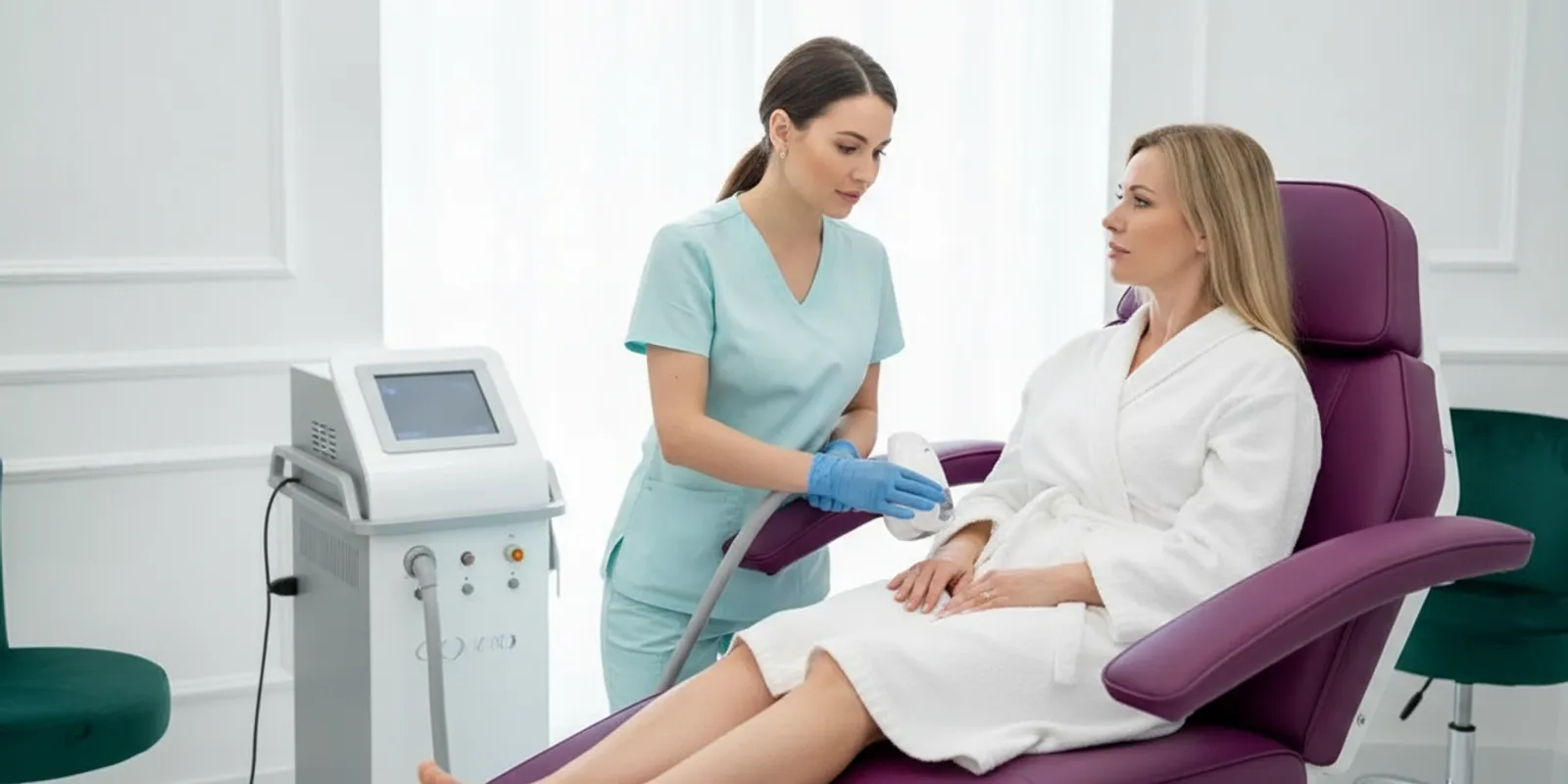

Dimpled skin on the thighs or buttocks affects up to ninety percent of adult women. This structural tissue change persists regardless of strict diet plans, intense exercise, or body weight.
Medical cellulite reduction treatments target the structural causes of dimpled skin by addressing the tough, fibrous connective bands that pull downward on your tissue. According to the American Academy of Dermatology, these strong connective tissue bands pull your skin downward while subcutaneous fat deposits push upward to create dimples. VelaShape technology addresses this problem by using a combination of bipolar radiofrequency energy, infrared light, vacuum massage, and mechanical rollers to heat underlying tissue. This medical-grade system stimulates collagen production and reduces fat cell volume, helping our clinical team customize individual treatment plans for our medspa patients. These professional sessions take thirty to ninety minutes and require zero downtime, making them a highly convenient choice for busy Dallas-Fort Worth residents.
If you want to smooth stubborn dimples, you must first understand how different medical therapies interact with your body. To help you choose the right clinical approach, we explore Cellulite reduction treatments: what actually changes skin texture? The path begins with
Cellulite reduction treatments: what actually changes skin texture?
Many people view dimpled skin as a sign of fitness or weight issues. But cellulite is actually a structural skin concern. It has little to do with how much you exercise or weigh. In fact, cellulite affects a large majority of adult women, appearing on most females.
What causes this dimpled pattern? Beneath your skin lies a layer of fat. Tough connective tissue bands, called septae, run through this fat. These bands pull down on the skin while fat deposits push upward. This combination creates the uneven texture we see. Genetics and hormones also play roles in how these bands and fat deposits form.
Many women believe that getting fit will erase these dimples. But even active women have cellulite on their thighs and hips. Maintaining a healthy weight is excellent for your body, but it does not prevent or eliminate the issue. Since cellulite is a structural problem, diet and exercise cannot cure it. This structure is why surface-level solutions often fall short.
Many try to treat this issue at home. They use creams that contain caffeine or retinol. These products can provide small, temporary improvements in your skin texture. But they do not change the structural bands beneath the surface. True skin smoothing requires deeper action. This is why reducing the dimples usually takes professional body contouring treatments.
Common goals of cellulite treatments
When people seek professional help, they often want to build a smoother skin texture. Modern treatments do more than just shift fat. For instance, VelaShape cellulite reduction works by heating the deeper tissues. This thermal energy stimulates the skin to produce new collagen. This extra collagen helps thicken the skin and firm up the overall structure.
Another major goal is to reduce the size of localized fat pockets. Non-invasive devices combine radiofrequency and infrared light to heat fat cells. This heat increases cellular metabolism and shrinks the cells. Mechanical rollers and vacuum suction assist the body during treatment. They improve local blood flow and boost lymphatic drainage. Together, these actions work to shape and contour the target areas.
Realistic expectations for skin smoothing
It is vital to know that there is no permanent cure for cellulite. But clinical procedures can provide visible help. According to the Mayo Clinic, some cellulite reduction treatments can provide results that last for several months to a year. Other invasive options may even last for two to three years. These therapies do not make the skin perfectly flat, but they can reduce the depth of the dimples.
Most patients need a series of treatments to see the best change. For example, non-invasive plans often require four to ten sessions. You will also need touch-up sessions to maintain your smoother skin. Without periodic maintenance, the natural aging process will cause the dimpling to return over time. Staying hydrated and exercising can also help protect your results.
How do non-invasive cellulite reduction options compare?
Cellulite is a common skin concern. In fact, clinical studies show that cellulite affects between 80% and 90% of adult women. This issue occurs mainly on the thighs, buttocks, and hips. It is a structural issue rather than a weight problem.
Even fit women often have dimples. This occurs when tough connective bands under the skin pull downward while fat deposits push upward. Many people seek professional help to smooth these areas. Today, you can choose from several non-invasive cellulite reduction treatments to help improve skin texture.
How do different energy technologies target dimples?
Many professional treatments use heat and physical massage to target the skin. Radiofrequency treatments send energy deep into your tissues. This heat stimulates collagen production and shrinks fat cells. Infrared energy works in a similar way, heating the outer layers of skin to boost blood flow.
Vacuum-assisted massage uses physical suction to stretch fibrous bands and improve drainage. Another method uses acoustic waves to send pressure pulses into the tissue. This mechanical force helps break up congestion and firm the skin. But single-technology treatments often have limits because they only address one issue at a time.
Do over-the-counter creams work for cellulite?
For at-home care, many people start with topical creams. These products often contain ingredients like caffeine or retinol. Caffeine can temporarily dehydrate fat cells, making the skin look a bit tighter. Retinol helps thicken the outer layer of skin over time.
This can make the underlying dimples less visible. But creams do not fix the tough bands pulling the skin down. The results they provide are mild and temporary. For more lasting results, you will likely need a professional option.
Why a multi-method system offers a complete path
A multi-technology system like VelaShape takes a broader approach. Instead of using just one method, it combines radiofrequency, infrared light, vacuum massage, and mechanical rollers in a single treatment. The light and energy heat the skin to encourage collagen growth.
At the same time, the vacuum and rollers massage the tissue. This combined action helps smooth the dimpled appearance on your thighs, buttocks, or abdomen. You can learn more about these combined approaches in our professional body contouring treatments guide. Most patients need multiple sessions to see the best results.
You will also need occasional touch-ups to keep your skin smooth over time. Staying hydrated before and after sessions also helps your body process the fat. You should always consult with a professional to build a plan that works for you. You can read about your first med spa visit in our preparation guide.
| Option | How It Works | Best Fit | Limitation |
|---|---|---|---|
| VelaShape | Combines radiofrequency, infrared light, vacuum, and mechanical rollers. | Targeting thighs, buttocks, or abdomen with multiple systems. | Requires a series of sessions and periodic touch-up treatments. |
| Radiofrequency | Uses energy to heat tissue and boost collagen production. | Mild skin laxity and minor surface dimpling. | Does not mechanically stretch the tight connective bands. |
| Infrared Energy | Heats outer skin layers to increase blood circulation. | Early-stage texture issues and minor smoothing needs. | Offers limited depth of penetration when used alone. |
| Vacuum-Assisted Massage | Pulls and rolls skin to improve fluid drainage. | Temporary swelling and fluid retention issues. | Results are brief without thermal energy to boost collagen. |
| Acoustic Waves | Sends mechanical sound pulses to break up tissue tightness. | Firming up dense, fibrous areas of cellulite. | Can feel loud or slightly uncomfortable during the session. |
| Topical Creams | Uses ingredients like caffeine or retinol to improve texture. | Simple, at-home surface skin care. | Only provides mild, temporary changes to the skin surface. |
What happens during a VelaShape cellulite treatment?
Many women seek professional solutions to smooth skin dimples on the thighs, buttocks, and abdomen. Cellulite is a common cosmetic concern, and learning how clinical devices work can help you feel confident. Learning what happens during your session can help you prepare for the process.
Consultation and treatment mapping
Your experience begins with a thorough assessment of your skin. A provider examines the target areas to check the severity of cellulite. They map out the treatment zone and discuss your aesthetic goals.
This initial assessment is a key part of your first med spa visit. The provider will also review your health history to ensure the procedure is safe for you. They will then explain how the technology targets fat cells and skin tissues.
Before your session begins, the provider will discuss preparation steps. They advise you to drink plenty of water before and after each session. Drinking fluids helps your body metabolize fat and flush out toxins.
If you are ready to address dimpled skin, scheduling a consultation is the first step. You can book a personalized VelaShape cellulite treatment plan at one of our Dallas-Fort Worth locations.
The step-by-step treatment process
Once the planning is complete, the active treatment begins. Your provider will select the correct applicator size for your target zones. The provider uses a handheld device that delivers multiple technologies to the skin surface. This process follows a sequence of steps to ensure comfort and efficacy.
- First, the provider spreads a specialized lotion over the target skin. This lotion allows the device to glide smoothly and protects your skin from heat.
- Next, the provider places the VelaShape applicator directly on your skin. The device starts a deep mechanical massage over the designated zone.
- The handpiece uses vacuum suction to lift the skin tissue. This action pulls the tissue closer to the energy source and helps smooth out connective bands.
- As the vacuum works, the device delivers infrared light and radiofrequency waves. These combined energies heat the underlying fat cells to stimulate collagen production.
- The provider constantly checks the skin temperature throughout the session. This ensures that the tissues reach the target warmth while keeping your skin safe.
Most patients compare the feeling of this procedure to a warm, deep-tissue massage. You will feel a steady pulling sensation along with a deep heat in the treated zone. The warmth is usually comfortable and stays mild. Some people find the rhythmic movement of the rollers relaxing.
This method works well on common problem areas like the thighs, buttocks, and abdomen. These regions are where cellulite most frequently develops due to fat storage patterns. Connective tissue bands pull down on the skin to create dimples. Studies in the National Institutes of Health database show that these structural skin changes affect up to 90% of women.
Because this option is entirely non-invasive, you will experience no downtime. You can return to your normal daily activities immediately after your session. There is no need for anesthesia or recovery days. According to the Mayo Clinic, non-surgical treatments offer a convenient way to improve skin texture without recovery time.
To get the best outcome, you will need a series of sessions. Most people complete four to ten appointments to achieve visible results. Your provider will design a custom plan to help you maintain smooth skin.
Who is a good candidate for cellulite reduction treatments?
Many adults look for ways to smooth dimpled skin on their legs or hips. If you want to improve your skin texture, you might consider professional body contouring treatments. These services can target stubborn areas. They do not require surgery. Most candidates are healthy adults who want a non-invasive way to address skin dimples.
Cellulite is not a sign of poor health. In fact, 80% to 90% of women have cellulite. It is a structural issue. Fibrous bands of connective tissue pull down on the skin while fat deposits push upward. This creates the bumpy look we see on the thighs, buttocks, or abdomen. Even fit people can have it.
Ideal physical criteria for treatment
The best candidates for these procedures are near their stable goal weight. It is a myth that weight loss cures cellulite. Maintaining a healthy weight does not prevent or eliminate cellulite. These procedures are not weight loss tools. They focus on smoothing skin texture. If you have a stable weight but dislike dimples, you are a great candidate.
You should also have a strong interest in low-downtime care. Many people cannot take weeks off to heal from surgery. They want fast results with no recovery time. Non-invasive cellulite reduction treatments are perfect for busy lifestyles because they require no downtime. You can return to your daily tasks right after your session. Most sessions take less than an hour.
You should also look for lasting results. Some non-surgical techniques can reduce cellulite for six months to a year. Other options can last up to three years. Knowing how long the results last helps you plan your budget and schedule. A great candidate accepts this timeline and is ready for periodic touch-ups.
Realistic expectations and goals
Candidates must understand that treatments aim for skin texture improvement, not perfection. Cellulite affects most women. It is normal. You do not need to erase it completely. Instead, these services focus on building your confidence. You will see a smoother look, but you should not expect flawless skin. Realistic goals ensure you will be happy with your results.
Every person has unique skin. Your plan depends on how your skin looks. A professional can grade the severity of your cellulite to find the best plan. This happens during your first med spa visit. A provider will check your target areas, such as your thighs or buttocks. They want to build a custom plan that fits your body.
Healthy habits also play a role in your success. You must be willing to follow simple rules before and after your sessions. For example, staying hydrated is important. You should drink plenty of fresh water. This helps your body process fat and clear out waste. If you are ready to take these simple steps, you will support your own results.
How long do cellulite treatment results last?
The duration of your smooth skin depends on several unique factors. Different cellulite reduction treatments offer varying timelines, and no single option offers a permanent cure. Some invasive surgical procedures may provide changes that last for several years. But non-invasive methods usually require regular care to keep your skin looking its best.
To understand these differences, you must look at how each method works. Cellulite is a structural issue, not a simple weight problem. Connective bands under your skin pull down on tissue, which forces fat cells upward. Because of this structure, the way a treatment targets these bands determines how long your results will stay.
Factors that affect result longevity
Your genetic makeup, skin thickness, and daily habits play major roles in your long-term success. While a healthy diet and regular exercise help your body, they cannot stop cellulite from forming. Some medical options target the deep tissues to smooth the skin surface.
According to the Mayo Clinic, certain deep procedures can provide results for up to three years. Other common methods may only last for six months to a year.
Because cellulite affects up to ninety percent of women, finding reliable options is a common goal. This structural issue often impacts self-confidence and quality of life, as noted in clinical research studies. Since these dimples are so common, choosing a treatment that matches your daily schedule is key.
Many people believe that losing weight will cure cellulite completely. But maintaining a healthy weight does not prevent or eliminate these dimples. Your lifestyle choices, like eating well and staying active, can influence how your skin looks. Yet, these healthy habits alone are rarely enough to remove the tight fibrous bands under the skin.
If you want to address these concerns, you may want to explore professional body contouring treatments. These procedures can target stubborn areas without major recovery times.
VelaShape timeline and maintenance tips
For many people, VelaShape offers a non-invasive way to smooth out dimpled areas. This technology combines infrared light, radiofrequency, and vacuum massage to boost collagen. To get the best outcome, we usually recommend a start plan of four to ten sessions. While these sessions help shape your body, results can vary and are not guaranteed.
Once you finish your initial plan, you can protect your smooth skin with simple habits. You should stay hydrated before and after each session to help your body process fat. Although these treatments reduce the look of dimples, you will need periodic touch-up sessions to keep the results. These quick sessions help maintain your skin texture over time.
Before starting, scheduling your first med spa visit is a great way to learn about the process. During this visit, we can build a personal plan that matches your needs.
How should you prepare for a cellulite consultation?
Why a professional evaluation matters
Cellulite affects between 80% and 90% of adult women, mostly on the thighs and buttocks. Every person has a unique skin structure, making professional evaluation helpful. Since cellulite has different grades of severity, a specialist must review your target areas in person. This visit ensures we can build a safe and useful plan for your skin.
Our team reviews the depth and pattern of your cellulite dimples. We look at skin looseness and discuss how your lifestyle affects your goals. This step is important because cellulite is a structural issue, not a weight problem. We target the connective tissue bands that pull down your skin to design a personal plan.
Steps to prepare for your appointment
When you schedule your first med spa visit, a few simple steps will help you prepare. Coming ready to discuss your medical background and goals ensures a productive conversation. Use this simple checklist to get ready for your visit:
- Identify your target areas. Be ready to show the expert exactly where you want to see changes. Clear goals help us select the most suitable cellulite reduction treatments for your body.
- Gather your medical history. Write down past surgeries, existing health conditions, and any active prescriptions. Sharing this info keeps your sessions safe and highlights any potential issues early.
- List your current skin care products. Write down the brands and active ingredients you use at home. Certain creams can affect how your skin reacts to treatment.
- Define your ideal timeline. Decide when you want to see your final results. Cellulite plans often require several weeks of regular sessions to show real change.
- Drink plenty of water. Staying hydrated is key when preparing for your session. Drinking water before and after your appointment helps your body clear out fat deposits.
Questions to ask about your treatment plan
During your visit, you should ask several questions to understand the process. Find out how many sessions you will need to get the best results. Most patients need multiple visits. You can also ask how these sessions compare to other professional body contouring treatments.
You might also want to ask about the sensation during the procedure. Many patients describe the feeling as a warm, deep tissue massage. This preparation helps you feel relaxed. You should also ask about long term results and scheduling touch up visits.
Frequently Asked Questions
Can you actually reduce cellulite?
Yes, you can visibly reduce cellulite, though no treatment permanently eliminates it. Because cellulite is a structural issue under the skin, surface-level weight loss is rarely enough. However, professional procedures can provide significant smoothing. According to the Mayo Clinic, certain non-surgical treatments reduce dimpling for six to twelve months. Other deep clinical techniques can last two to three years.
Can I put tretinoin on my cellulite?
While you can apply topical retinoids like tretinoin to cellulite, they only offer mild, surface-level improvements. Tretinoin helps thicken the outer layer of skin, which can temporarily make underlying dimples less noticeable. However, topical options cannot break or stretch the deep connective bands that pull the skin downward. The American Academy of Dermatology notes that topical creams containing retinol only provide temporary, minor texture improvements.
Can Hashimoto’s cause cellulite?
Hashimoto’s thyroiditis does not directly cause cellulite, but its associated hormonal imbalances can make cellulite more noticeable. This autoimmune condition causes hypothyroidism, which slows your metabolism and weakens your connective tissues. Because hormones are believed to contribute to the formation of dimples, fluctuations can alter how fat deposits push against the skin. According to the American Academy of Dermatology, hormones play a key role in cellulite development, meaning thyroid-related changes may worsen its appearance.
What is the most effective treatment for cellulite?
There is no single most effective treatment for cellulite because results vary by individual. The best approach depends on the severity of your cellulite and skin laxity. Non-invasive devices like VelaShape combine multiple energy types to heat tissue and stimulate collagen. However, other professional methods may use lasers or subcision to target the problem. To find the right path, we recommend scheduling a personalized consultation. According to the Ultimate Image MedSpa team, an experienced provider must evaluate your skin to design an effective, customized treatment plan.
Ready to book a cellulite reduction consultation?
Waiting to treat cellulite can make the deep dimples and uneven texture much harder to smooth out later. Starting your med spa visits this week helps you secure your best appointment times and begins the smoothing process early. Taking action now puts you on the fast path to smoother, firmer skin well before your next big trip or event.
Ready to book a consultation? You can visit our Dallas-Fort Worth clinic or book a consultation online to start your personal care plan. Our trained team will discuss your goals and build a custom plan that fits your busy life. Starting today ensures you can finish all your treatments in time for summer or your next trip.