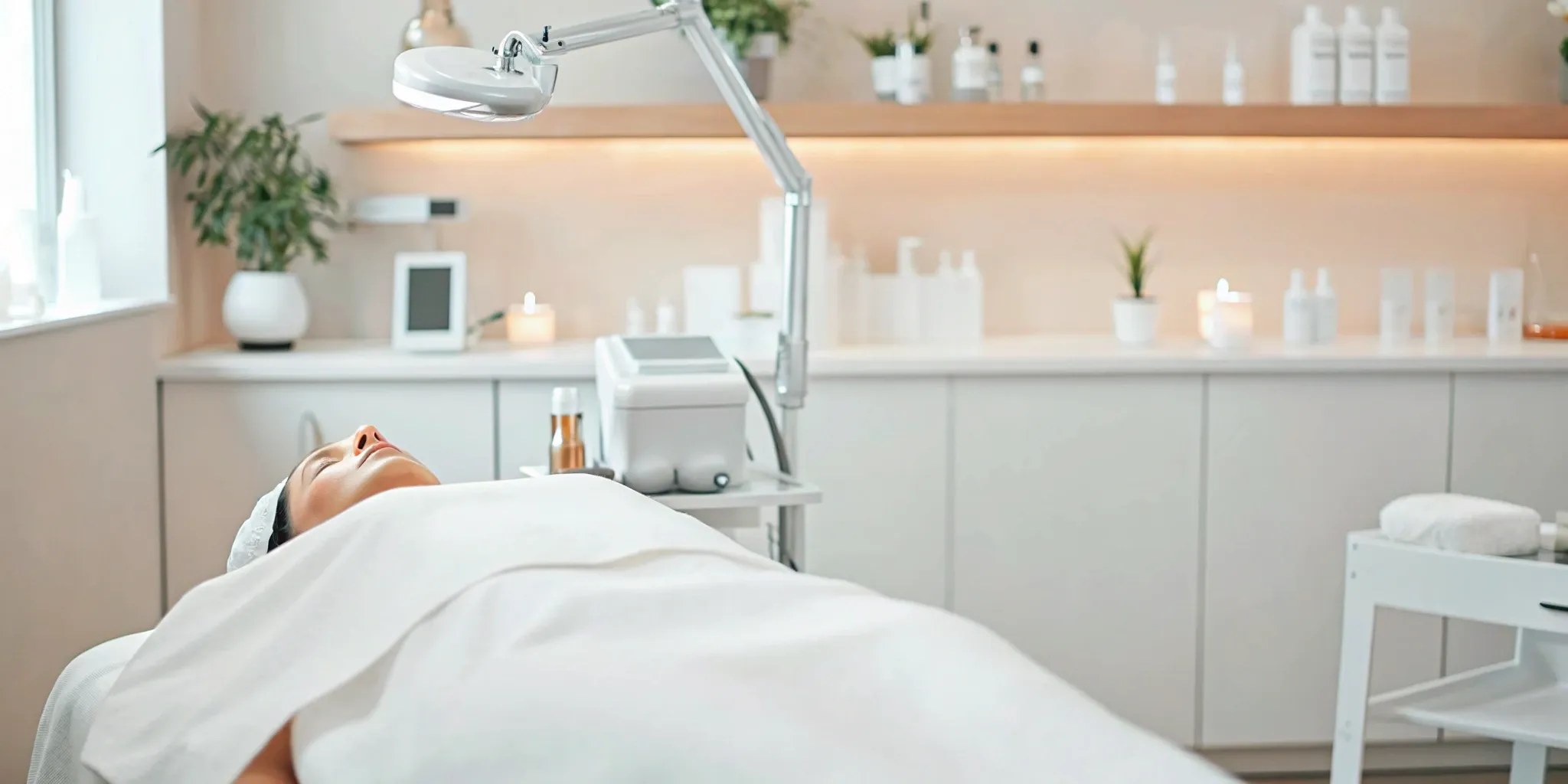
Non-surgical body contouring uses non-invasive technology to address localized areas without surgery. At Ultimate Image MedSpa, the most relevant device-specific options are UltraShape fat reduction and VelaShape cellulite reduction. UltraShape focuses on localized fat reduction, while VelaShape focuses on cellulite appearance, skin firmness, and contouring. A consultation helps determine which option fits your goals and health history.
Ready to explore the right body contouring option? Book your consultation.
If you are comparing fat reduction devices, our UltraShape vs CoolSculpting comparison explains how ultrasound-based fat reduction differs from freezing and muscle-toning options.
Key Takeaways
- Focus on Sculpting, Not Weight Loss: These treatments are designed to target specific areas, not to replace weight-management care.
- Expect a Personalized Timeline: Device choice, session count, and visible changes vary by person and treatment goal.
- A Consultation Is Your First Step: A provider can review your goals and health history, explain candidacy, and outline the appropriate plan.
What Is Non-Surgical Body Contouring?
You’ve put in the work with diet and exercise, but there are still a few stubborn spots that just won’t budge. That’s where non-surgical body contouring comes in. Think of it as a way to fine-tune your shape without the downtime and risks of surgery. These treatments, also called body sculpting, use advanced technology to target and reduce fat in specific areas like the abdomen, thighs, or under the chin. Because they are non-invasive, there are no incisions, no anesthesia, and typically no lengthy recovery period. If your goal is also to improve body composition, our guide to body fat percentage reduction explains how lifestyle changes and professional treatments can support different outcomes. The goal isn’t to lose weight, but to sculpt the contours you already have, helping you feel more confident in your clothes and your skin. If firmness is the bigger concern, skin tightening treatments may be a better match than fat reduction.
How These Treatments Work
So, how do these treatments actually get rid of fat cells without surgery? It comes down to some pretty amazing science. Most procedures work in one of two ways: using controlled cooling to freeze fat cells or using energy to heat and destroy them. For example, cryolipolysis freezes fat cells until they crystallize and die off, while other treatments use laser or radiofrequency energy to heat them. Patients comparing gentle technologies may also want to read about red light fat reduction and how it differs from treatments designed to destroy fat cells. Another effective method is UltraShape fat reduction, which uses pulsed ultrasound energy to break down fat cells without harming the surrounding skin, nerves, or blood vessels. Your body’s natural processes then clear away these treated cells over the following weeks and months.
Is Body Contouring Right for You?
It’s really important to have the right expectations. Non-surgical body contouring is a fantastic tool for spot reduction, but it is not a weight-loss treatment. The ideal candidate is someone who is already close to their target weight but wants to address specific pockets of stubborn fat that are resistant to diet and exercise. Generally, these body sculpting procedures are most effective for people with a body mass index (BMI) under 30. If you’re looking for a way to smooth and shape certain areas and you live a healthy lifestyle, this could be a great fit for you. A consultation with a specialist is the best way to know for sure.
Non-Surgical Body Contouring Devices at Ultimate Image MedSpa
Non-surgical body contouring is not one-size-fits-all. At Ultimate Image MedSpa, device selection starts with your treatment goal, target area, health history, and the type of change you want to see. Two UIMS options are UltraShape fat reduction and VelaShape cellulite reduction.
UltraShape Fat Reduction
UltraShape uses pulsed focused ultrasound to target subcutaneous fat with mechanical, non-thermal energy. UIMS identifies the abdomen, thighs, and flanks as common treatment areas. UltraShape is FDA-cleared for abdominal circumference reduction, and your provider will confirm the appropriate treatment area and candidacy during consultation. A typical plan may include three treatments spaced about two to four weeks apart, but the recommended plan depends on your assessment. Results may become noticeable in as few as two weeks, with the final timeline assessed after the treatment series. UltraShape is designed for localized fat reduction, not weight loss.
VelaShape Cellulite Reduction
VelaShape combines infrared light, bipolar radiofrequency, and vacuum technology to heat tissue and support the appearance of smoother, firmer skin and reduced cellulite. UIMS lists the thighs, abdomen, buttocks, arms, and flanks as possible treatment areas. Treatment is commonly planned as a series, with gradual improvement and maintenance based on your goals. Many patients describe the sensation as warm and similar to a deep-tissue massage. Temporary warmth or redness can occur. VelaShape is not a weight-loss treatment, and a consultation is needed to review candidacy and contraindications.
Which Treatment May Fit Your Goal?
UltraShape is focused on localized fat reduction. VelaShape is focused on the appearance of cellulite, skin firmness, and contouring. Some goals may overlap, but the best option depends on the treatment area, tissue characteristics, medical history, and desired outcome. A provider will explain which treatment or alternative is appropriate for you rather than promising the same plan for every patient.
Want help comparing UltraShape and VelaShape? Book your consultation.
The Pros and Cons of Body Contouring
Like any cosmetic treatment, non-surgical body contouring has its own set of pros and cons. Understanding both sides is the key to deciding if it’s the right fit for your goals. These treatments can be incredibly effective for the right person, but it’s important to walk in with clear, realistic expectations. Let’s break down what you can and can’t expect from the process.
The Upsides: Minimal Downtime, Targeted Results
One of the biggest draws of non-surgical body contouring is the convenience. Because these treatments are non-invasive, you can typically get back to your daily routine almost immediately-no lengthy recovery required. This makes it easy to fit sessions into a busy schedule. These procedures are also fantastic for targeting those frustrating pockets of fat that just won’t budge, no matter how consistent you are with diet and exercise. Instead of an all-over approach, non-surgical body sculpting helps contour specific areas for a more defined shape, all without the need for surgery or scars.
Because contouring does not tighten every area of lax skin or texture, some patients also compare skin tightening, cellulite reduction treatment, and localized guides such as knee skin tightening treatments before choosing a plan.
The Limitations: What It Can’t Do
It’s crucial to understand that non-surgical body contouring is not a weight-loss treatment. These procedures are designed for fine-tuning and shaping, not for significant fat reduction. If you’re looking to lose a substantial amount of weight, this isn’t the right path. The FDA is clear that these technologies are not intended to treat obesity or improve your overall health. Think of it as the final step in your body journey-a way to address specific, localized areas after you’ve already reached a stable and healthy weight through your lifestyle choices.
Setting Realistic Expectations for Your Outcome
Your results will depend on several factors, including the treatment you choose, your body type, and the area being treated. While many people see fantastic, long-lasting results, it’s not a one-and-done deal. You will likely need a series of treatments to achieve your desired outcome. The best results are seen by those who are committed to maintaining a stable weight and healthy lifestyle. Think of it as a partnership: the treatment gets rid of the stubborn fat cells, and your job is to maintain the great results. The best way to understand what’s possible for you is to schedule a consultation to discuss your personal goals.
Understanding the Risks and Side Effects
Any cosmetic procedure, even a non-surgical one, comes with potential side effects. Being informed about what to expect is a key part of making a confident decision and ensuring your experience is as smooth as possible. While non-invasive body contouring treatments are generally considered safe with minimal downtime, they are still medical procedures that affect your body’s tissues.
The good news is that most side effects are temporary and mild. Your provider will walk you through everything you need to know during your consultation, but it always helps to have a clear picture beforehand. Understanding the potential risks allows you to prepare for your recovery and know what’s normal versus what might require a quick call to your specialist. This knowledge empowers you to take the best possible care of yourself after your treatment.
What to Expect Immediately After Treatment
It’s completely normal to experience some mild effects in the treated area right after your session. Think of it as your body’s natural response to the process. According to the FDA, common side effects can include temporary redness, swelling, bruising, and tenderness. You might also feel some small, firm lumps or nodules under the skin.
For most people, these effects are minor and resolve on their own within a few days to a couple of weeks. Your specialist will give you specific aftercare instructions to help manage any discomfort and ensure a quick recovery.
Important Safety Considerations
Like any medical treatment, non-surgical body contouring has some risks. While serious complications are rare, they can happen. This is why choosing a reputable and experienced provider is the single most important step you can take. A skilled specialist will assess your health history to ensure you’re a good candidate for the procedure and perform the treatment correctly to minimize risks.
It’s also crucial to remember that body contouring is not a weight-loss solution. These treatments are designed to target and reduce stubborn pockets of fat that haven’t responded to diet and exercise, helping to shape and define your silhouette.
When to Call Your Specialist
Your provider is your partner in this process, so never hesitate to reach out if you have concerns. While mild side effects are expected, you should call your specialist if you notice anything unusual. Be on the lookout for signs of infection, such as increased redness or swelling, bleeding, or drainage from the treatment area.
Other symptoms that warrant a call include severe pain that isn’t managed by recommended medication, a fever over 100.5°F, dizziness, or chest pain. Open communication ensures you get the care and peace of mind you need for a safe and successful outcome. If you have any questions, please contact us.
How Long Will Your Body Contouring Results Last?
One of the biggest questions people have about non-surgical body contouring is how long they can expect to enjoy their new look. It’s a fair question-you’re investing time and money, and you want to know it’s worth it. The great news is that the results can be very long-lasting. When these treatments destroy fat cells, they are gone for good. Your body naturally processes and eliminates them, and they don’t grow back.
However, maintaining your results is a team effort. The treatment does the heavy lifting of removing stubborn fat, but your lifestyle habits play the starring role in keeping your new shape for years to come. Think of it as a partnership between you and your treatment plan. By understanding the timeline and what it takes to preserve your outcome, you can set yourself up for lasting success and confidence.
Your Timeline for Seeing Results
Patience is key when it comes to seeing your final body contouring results. Unlike surgical procedures, the changes appear gradually over several weeks or months. This can actually be a perk, as the transformation looks natural and discreet. The process works by triggering your body’s natural metabolic functions to clear away the treated fat cells. This takes time. You might start to notice subtle changes within a few weeks, but the most dramatic and final results typically become visible around two to three months after your last session. Once those fat cells are flushed out, they are permanently gone from the treated area.
Why You’ll Likely Need Multiple Sessions
While a single body contouring session will make a difference, most people need a series of treatments to achieve their ideal outcome. Each session targets and eliminates a certain percentage of fat cells in the specific area. To get the noticeable reduction and smooth contours you’re looking for, you’ll likely need to build on the results of the first session. A customized treatment plan, which we design for all our services, ensures we can address your unique goals effectively. Planning for multiple sessions allows your specialist to carefully sculpt the area and refine the results over time for a beautiful, natural-looking finish.
What Makes Your Results Last Longer
The secret to long-lasting results is simple: maintaining a stable weight. While body contouring permanently removes fat cells from a target area, it doesn’t remove all of them. The remaining fat cells in that area-and all over your body-can still shrink or expand if you lose or gain weight. Significant weight gain can alter your results and cause new pockets of fat to appear. For this reason, the best candidates for these non-surgical fat reduction treatments are those who are already committed to a healthy lifestyle and aren’t planning major weight fluctuations.
How to Maintain Your New Shape
Think of body contouring as the finishing touch on your health and wellness efforts. It’s designed to target those stubborn pockets of fat that just won’t budge with diet and exercise, not as a primary weight-loss tool. To maintain your new, sculpted shape, the best thing you can do is continue the healthy habits that got you here. A balanced diet and a consistent exercise routine will prevent weight gain that could compromise your results. If you’re ready to take that final step and address specific areas, we can help you create a plan that aligns with your goals. Let’s talk about your vision and how we can help you achieve it.
How to Choose the Right Treatment
With so many effective body contouring options available, finding the one that aligns with your vision can feel like a big decision. The best way to approach it is by thinking through a few key personal factors. This isn’t about finding a one-size-fits-all solution; it’s about discovering the treatment that fits your unique body, goals, and lifestyle. Think of it as a partnership between you and your specialist. The more clarity you have on what you want to achieve, the better we can guide you toward the right technology.
Before you even step into a consultation, taking some time to consider your target areas, your current health habits, and your budget will make the conversation incredibly productive. It helps set a clear path forward and ensures you feel confident in your choice. We’ll walk through these considerations together to find the perfect match from our available services. This initial homework on your part helps us tailor our recommendations right from the start, so we can spend our time together focusing on the details of the treatments that are truly right for you. It’s all about creating a personalized plan that makes you feel excited and informed about the journey ahead.
Define Your Goals and Target Areas
First, let’s get specific about what you want to accomplish. It’s helpful to remember that non-surgical body contouring is designed for fine-tuning, not for significant weight loss. These treatments are perfect for people who are at or near their ideal weight but struggle with stubborn pockets of fat that don’t respond to diet and exercise. Think about the exact spots you’d like to address. Are you hoping to smooth your abdomen, reduce fat on your inner thighs, or define your jawline? Pinpointing your target areas is the most important first step. This focus allows your specialist to recommend the technology best suited to treat that specific part of the body and achieve the sculpted look you’re after.
Consider Your Health and Lifestyle
Your overall health and daily habits play a big role in both your candidacy for treatment and the longevity of your results. The best candidates are those who are committed to maintaining a stable weight through a balanced diet and regular exercise. Body contouring treatments physically remove fat cells from a target area, but they can’t prevent new fat cells from growing if you don’t maintain your lifestyle. During your consultation, be ready to discuss your medical history. This ensures the treatment is safe and appropriate for you. It’s the perfect time to ask questions and get a clear understanding of what to expect. We encourage everyone to schedule a consultation to have this important conversation.
Factor in Your Budget and Time
Being realistic about your budget and time commitment is key to a positive experience. Most non-surgical body contouring treatments require a series of sessions to achieve optimal results. While a single session will start the process, you’ll likely need several appointments spaced a few weeks apart to see the full effect. Think about the total investment required to achieve your goal, not just the cost of a single session. This helps you plan accordingly and commit to the full treatment plan. You should also consider the time for each appointment. While there’s typically no major downtime, you’ll still need to fit the sessions into your schedule. Planning for these factors from the start ensures a smooth and stress-free process.
What to Expect on Treatment Day
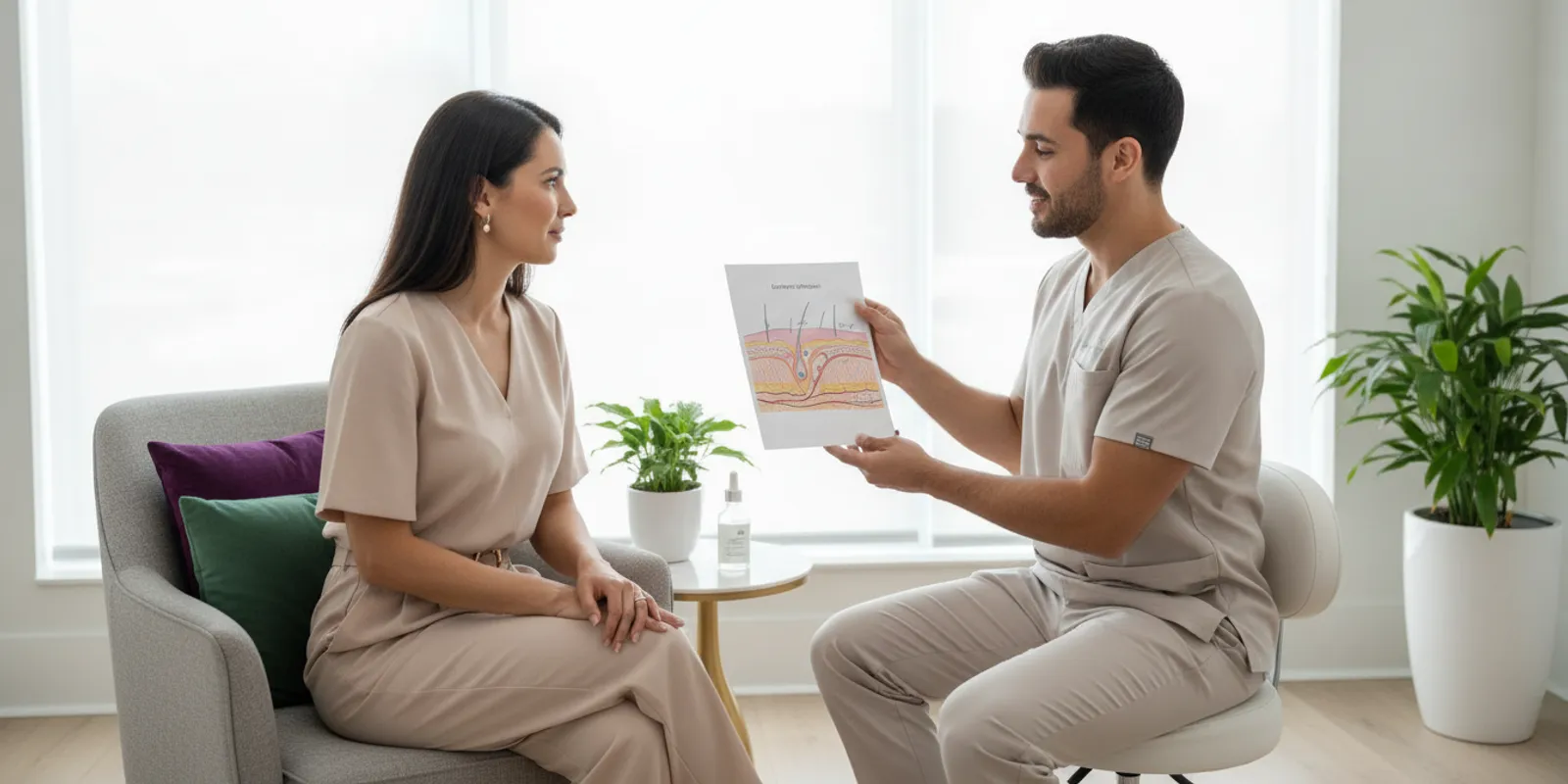
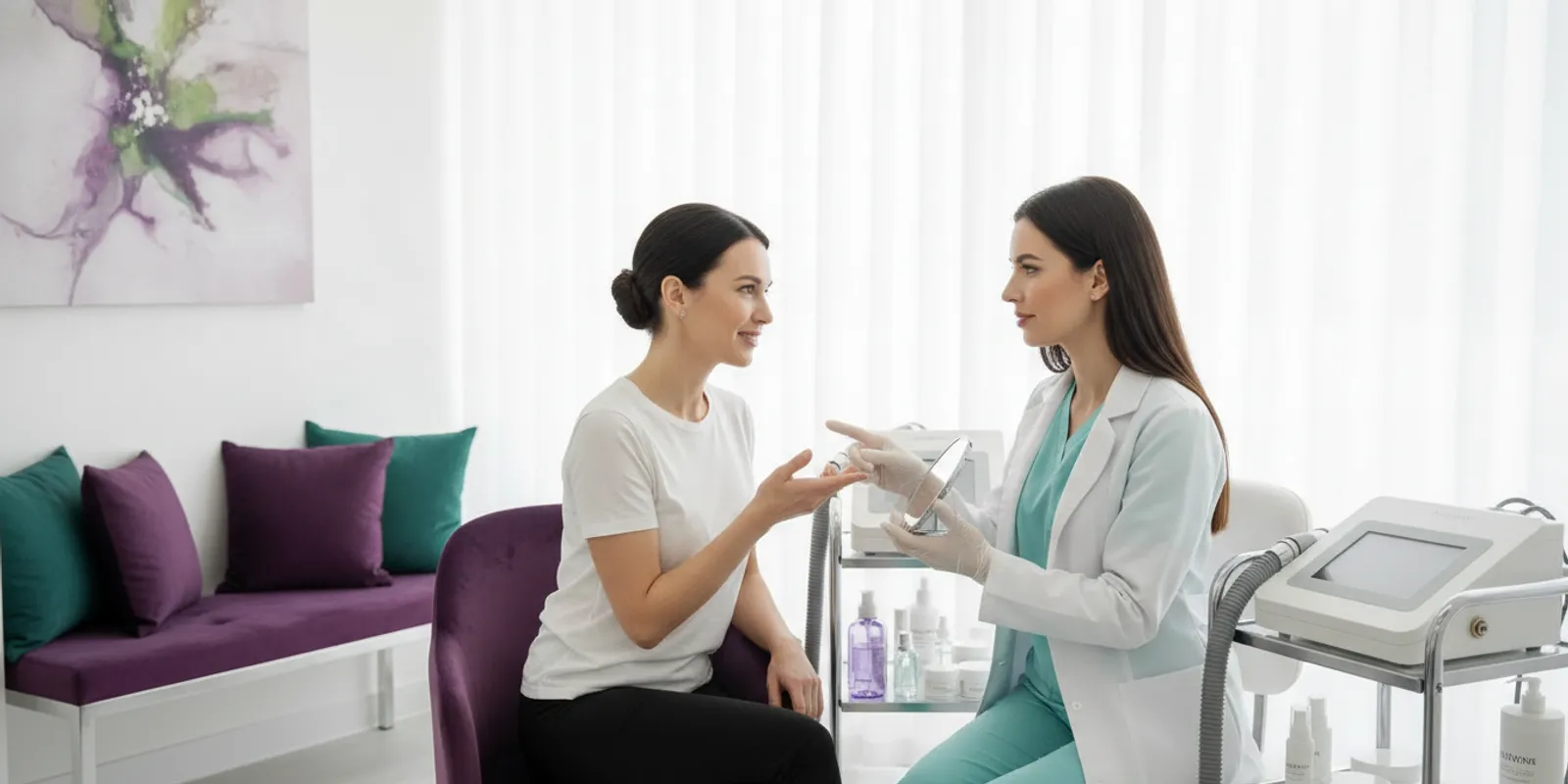
Your treatment day begins with a consultation and review of your goals, target areas, health history, and candidacy. The team will explain the selected technology, the expected sensations, the number of sessions that may be recommended, and the aftercare plan before treatment begins.
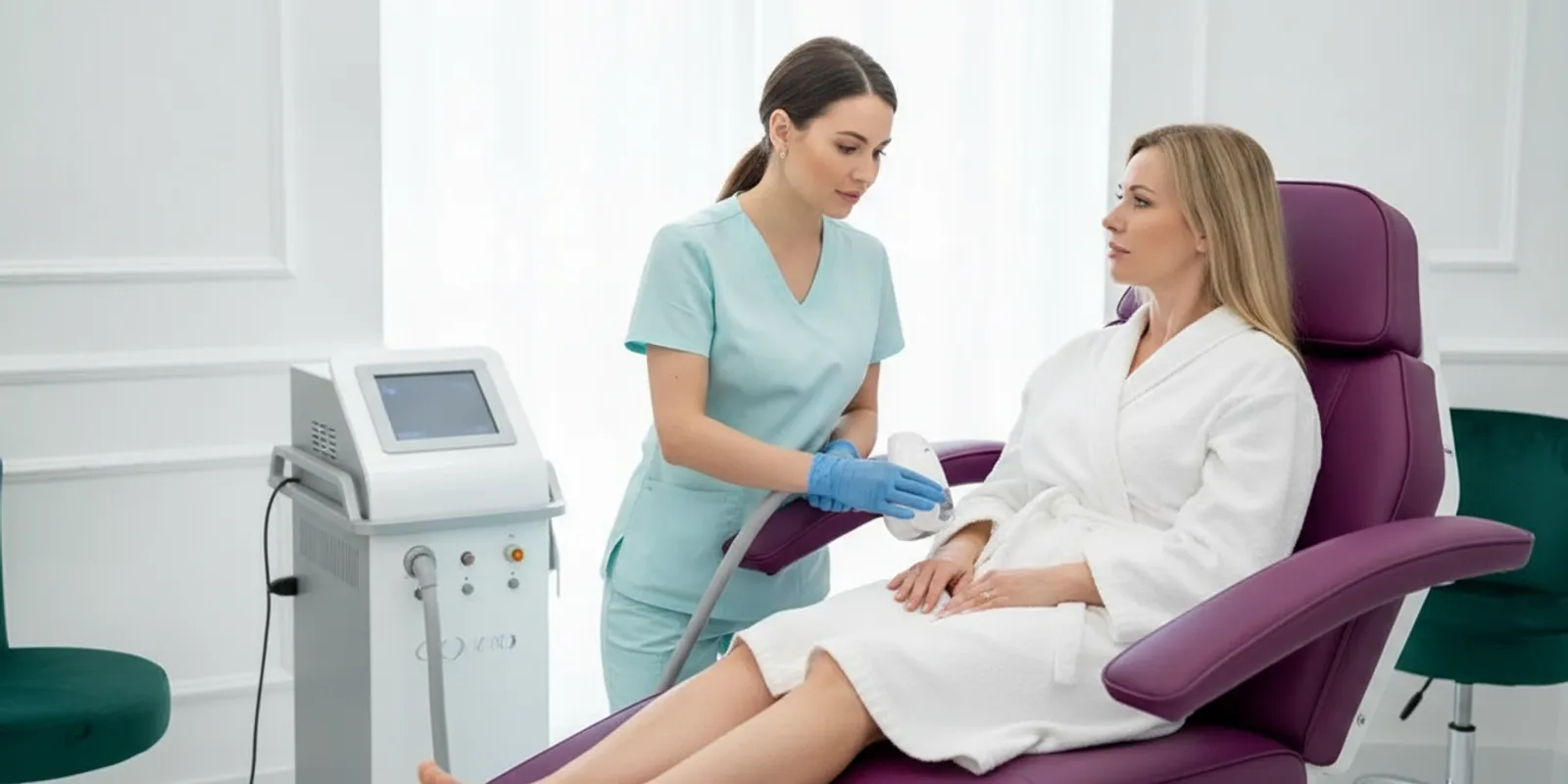
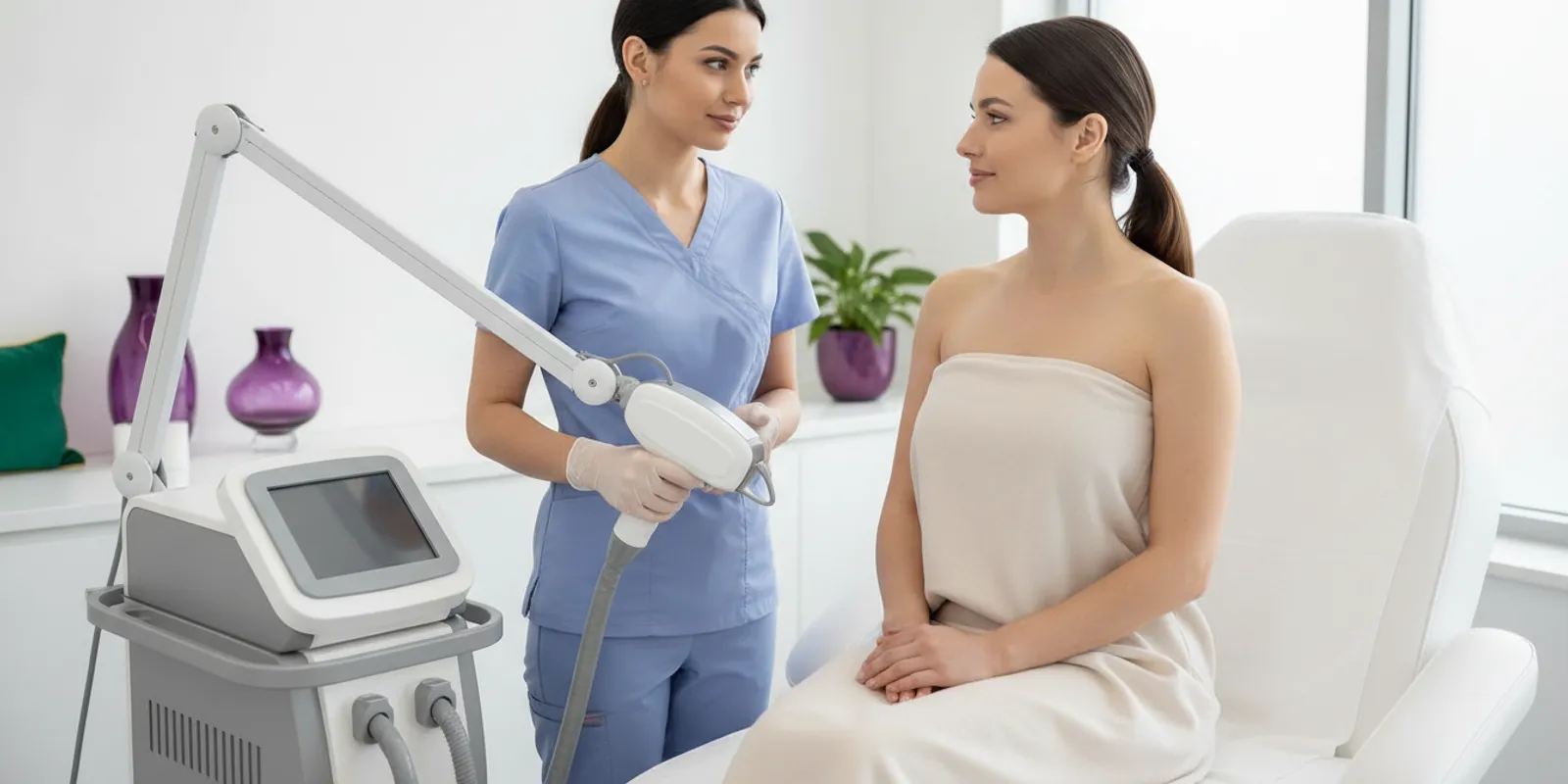
For UltraShape, the provider maps the treatment area and uses pulsed focused ultrasound to target subcutaneous fat. For VelaShape, the provider uses a combination of infrared light, bipolar radiofrequency, and vacuum technology. Sensations vary by device and treatment area, and the team adjusts the process for comfort.
Both options are non-invasive and UIMS materials describe no downtime for these services, but individual responses vary. UIMS materials note that VelaShape may involve temporary warmth or redness, and the provider will give you specific aftercare guidance. Follow the treatment-specific instructions provided during your visit.
What Does Non-Surgical Body Contouring Cost?
Non-surgical body contouring pricing depends on the technology, treatment area, number of sessions, and your goals. Ultimate Image MedSpa uses consultation-based treatment planning, so a provider can assess candidacy and explain the recommended plan before quoting your investment.
During your consultation, ask about current package or payment options. The team will explain available terms directly, because availability can change.
Common Body Contouring Myths, Busted
When you’re exploring a new treatment, it’s easy to get lost in a sea of information-and misinformation. Non-surgical body contouring is an incredible technology, but it’s surrounded by a lot of hype that can create unrealistic expectations. It’s important to separate the facts from the fiction so you can decide if it’s truly the right fit for your goals.
Let’s walk through some of the most common myths about body contouring. Understanding what these treatments can and can’t do is the first step toward a successful outcome and feeling great about your decision. We’ll clear up the confusion around weight loss, results, and what it takes to maintain your new shape long-term. Getting clear on these points helps you set realistic expectations and ensures you’re choosing a treatment for the right reasons. It’s all about making an informed choice that aligns with your personal beauty goals. Think of this as your guide to the truth behind the trends. If you have more questions after reading, we always recommend a one-on-one chat with a specialist to discuss your specific situation. You can always contact us to schedule a consultation.
Myth: It’s a Weight Loss Solution
Let’s clear this one up first: body contouring is a fat reduction treatment, not a weight loss procedure. While that might sound like the same thing, there’s a key difference. Weight loss treatments help you lower the number on the scale, while fat reduction targets and eliminates fat cells in specific areas. The FDA clarifies that non-invasive body contouring technologies are not designed to treat obesity. The ideal candidate is someone who is already close to their target weight but needs a little help with stubborn pockets of fat that don’t respond to diet and exercise. So, think of it as sculpting, not shrinking your entire body.
Myth: Results Are Instant and Guaranteed
We all love instant gratification, but body contouring requires a little patience. These treatments work by triggering a natural process in your body to break down and flush out targeted fat cells, which takes time. Most people start to see changes within a few weeks, with final results appearing after a few months. It’s also important to know that outcomes vary from person to person. Your final result depends on your body, the area being treated, and the number of sessions you have. Think of it as a gradual refinement rather than an overnight transformation. This slow and steady progress often leads to more natural-looking results.
Myth: You Don’t Need to Maintain Your Lifestyle
This might be the most important myth to bust. Body contouring can permanently remove fat cells from a treated area, but it doesn’t make you immune to future weight gain. The remaining fat cells in that area-and elsewhere in your body-can still expand if you don’t stick with a healthy lifestyle. To get the most out of your investment, it’s crucial to maintain a stable weight through balanced nutrition and regular exercise. As experts on non-surgical fat reduction emphasize, a healthy lifestyle is key to keeping your results for the long haul. It’s a partnership between the treatment and your daily habits.
Have questions about UltraShape or VelaShape? Book your consultation with Ultimate Image MedSpa.
Frequently Asked Questions
How is body contouring different from just losing weight? This is a great question because it gets to the heart of what these treatments do. When you lose weight through diet and exercise, your fat cells shrink, but they don’t disappear. Body contouring, on the other hand, physically eliminates fat cells in a specific area. Think of it as spot-treating and shaping the body you’ve already worked hard for, rather than a tool for lowering the number on the scale.
Will the treatment be painful? Most people find body contouring treatments to be very manageable. You can expect to feel some intense sensations like cold, warmth, or tingling for the first few minutes of the session. After that, the area typically becomes numb, and you can relax for the remainder of the treatment. Because the procedures are non-invasive, you don’t have to worry about incisions or needles.
Are the results really permanent? Yes, the fat cells that are destroyed during a body contouring treatment are gone for good. Your body processes and removes them, and they do not grow back. However, it’s important to remember that the remaining fat cells in the treated area and elsewhere on your body can still expand if you gain weight. This is why maintaining a stable, healthy lifestyle is the best way to ensure your new shape lasts for years to come.
How many sessions will I need to see results? While you will see a reduction after a single session, most people need a series of treatments to achieve their ideal outcome. Each session builds on the last, allowing your specialist to carefully sculpt the area for a smooth, natural-looking result. The exact number of sessions you’ll need depends on your personal goals, your body, and the area being treated, which is something we’ll map out together during your consultation.
What happens if I gain weight after my treatment? While the specific fat cells we target won’t return, gaining a significant amount of weight can still alter your results. The remaining fat cells throughout your body, including those near the treated area, will expand. This can create new pockets of fat and change the sculpted contours you achieved. The most successful and happiest clients are those who are committed to maintaining their weight through consistent, healthy habits.