Skin Rejuvenation Treatment Texas: 4 Options
Texas sun, heat, and everyday environmental exposure can make changes in tone, texture, hydration, and firmness more noticeable over time. The right treatment depends less on choosing the most advanced-sounding option and more on matching the approach to your skin, concerns, and tolerance for downtime.
A skin rejuvenation treatment texas patients may consider can include HydraFacial for cleansing and hydration. VI Peel for tone and pigmentation, SkinPen for collagen support and acne scars, or eMatrix for texture and mild laxity. A personalized assessment helps determine which option, or combination, is appropriate for your goals and skin type.
Each treatment works differently, so there is no universal best choice. In the DFW area, trained clinical staff can help you compare realistic benefits, preparation, aftercare, and timing before you begin. Start by understanding what skin rejuvenation includes and why an individualized plan matters.
Skin Rejuvenation Treatment Texas Patients Can Compare
A skin rejuvenation treatment Texas plan should connect a specific concern with an appropriate modality, preparation instructions, recovery expectations, and follow-up care. The plan may include HydraFacial, VI Peel, SkinPen microneedling, eMatrix, or a staged combination selected after a skin assessment.
A skin rejuvenation treatment is a non-surgical procedure or treatment plan designed to improve the health and appearance of the skin. Depending on your concerns, the plan may focus on hydration, uneven tone, sun-related changes, acne scars, rough texture, fine lines, or mild laxity. The goal is to choose an appropriate approach for your skin, priorities, and comfort level.
In Texas, that individualized approach matters. The state’s climate and environment can place different demands on the skin. Many patients in the Dallas-Fort Worth area are also concerned about the visible effects of sun exposure. A personalized plan can account for your skin type, current condition, treatment history, and the result you want to work toward. Choices may include hydrating treatments, chemical exfoliation, microneedling, or energy-based procedures. You can explore skin and aesthetic services to see how these options fit within a broader treatment menu.
Skin rejuvenation is a category, not one specific procedure. For example, HydraFacial combines cleansing, exfoliation, extraction, and hydration. A VI Peel uses a medical-grade chemical formula to improve the appearance of tone and texture. SkinPen microneedling creates controlled micro-injuries that stimulate the skin’s natural healing response and collagen production. eMatrix uses fractional radiofrequency to address texture and skin laxity. Each modality works differently, so the most suitable choice depends on the concern being treated and the condition of your skin.
Why a skin and safety assessment matters
A consultation should go beyond selecting a popular treatment. A qualified provider or trained clinical team can review your goals, skin type, sensitivity, pigmentation concerns, active breakouts, previous procedures, and relevant health information. That assessment helps determine whether a treatment is appropriate, whether preparation is needed, and how to set realistic expectations. It can also help identify when postponing treatment or choosing a gentler option is the safer decision.
Pre-treatment preparation and post-treatment care are important parts of the process. Following the recommended protocols supports safety and the effectiveness of the plan, while ignoring them can increase the risk of irritation or an unsatisfactory experience. Medical supervision is particularly important when a treatment involves controlled exfoliation, microneedling, or energy delivered to deeper skin layers.
A DFW patient’s plan may differ from someone with a similar concern elsewhere. A consultation helps you build a customized path instead of choosing from a quick online comparison. Next, we compare how HydraFacial, VI Peel, SkinPen, and eMatrix address different concerns.
HydraFacial for Hydration, Congestion, and a Quick Refresh
HydraFacial is generally chosen for surface-level concerns such as dehydration, dullness, and congestion. It combines cleansing, exfoliation, extraction, and hydration in a non-invasive treatment, with recovery expectations discussed during the appointment.
HydraFacial is a non-invasive, multi-step treatment designed to refresh the skin without the more involved recovery that may accompany resurfacing procedures. New patients can read what a HydraFacial is and what results to expect. The process typically combines cleansing, exfoliation, gentle extraction, hydration, and antioxidant infusion. This makes it practical for several surface-level concerns in one visit.
Hydration and dullness are common reasons patients explore this treatment. Texas weather and indoor air conditioning can leave skin feeling dry or tired. HydraFacial can also be considered when congestion, visible pores, or a rough-feeling surface are part of the concern. A published study of a clarifying HydraFacial treatment found that it was effective and well-tolerated for participants with active acne. An individual assessment is still important before treating inflamed or irritated skin. Read the clinical study on PubMed for additional detail.
The treatment can be adjusted. Custom boosters may focus on brightness or hydration. Your provider can consider skin condition, sensitivity, recent products, and your priority. Event preparation and long-term texture goals may require different plans. If you are comparing options for a skin rejuvenation treatment in Texas, customization is one reason a consultation matters. Review the HydraFacial side effects guide before scheduling.
What comfort and downtime should you expect?
HydraFacial is often described as a quick, lunchtime-style treatment because it generally requires no downtime. Many patients return to usual activities, but responses differ. Temporary redness, sensitivity, or a tight feeling may occur, particularly when the skin is already reactive. Follow the provider’s aftercare instructions and ask when to resume active ingredients, exfoliants, or other treatments.
HydraFacial may be a good starting point for someone seeking hydration, a smoother-feeling surface, or help with mild congestion. It may not be the right first step for every rash, active infection, significant inflammation, or unexplained skin change. Patients who are pregnant, using prescription acne medication, recently treated with another procedure, or managing a chronic skin condition should share that information before treatment. A trained clinical team can determine whether the service fits your current skin and goals, or whether another approach should come first.
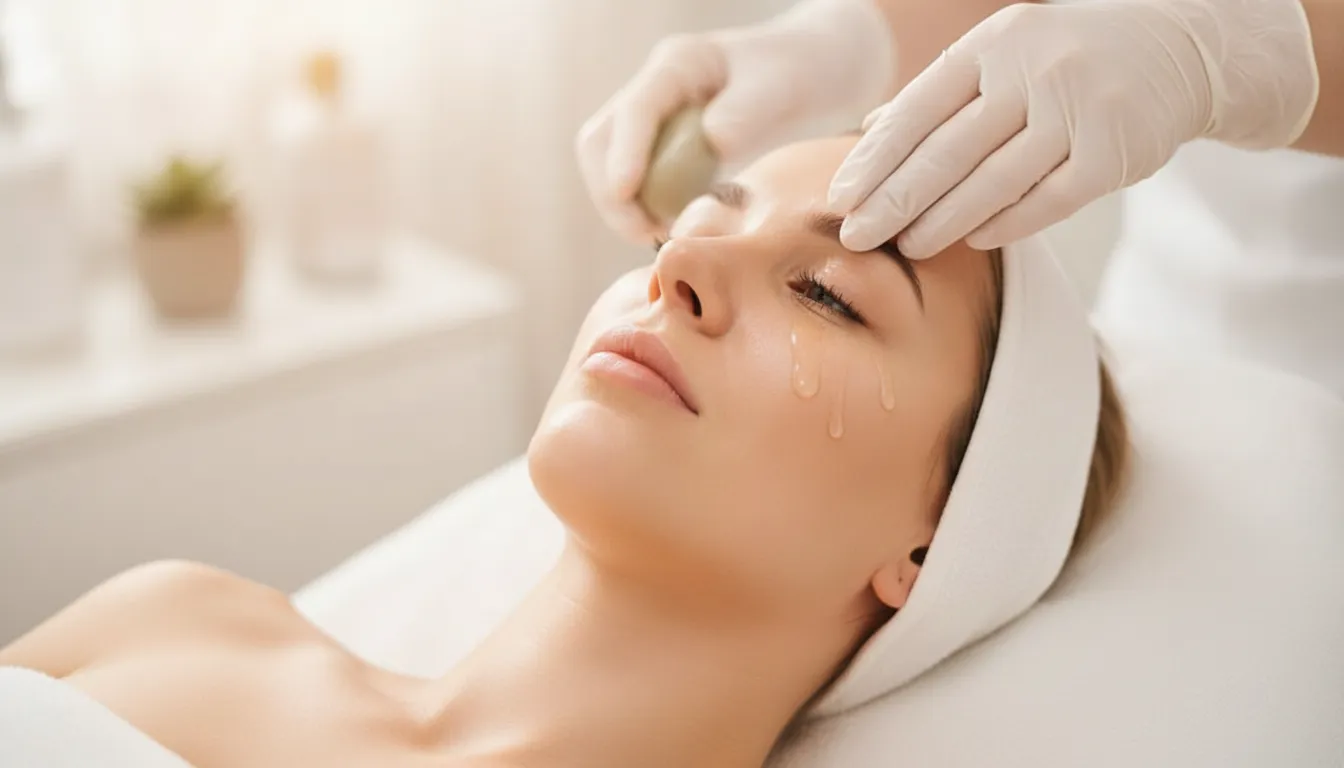
Learn more about the HydraFacial treatment offered by Ultimate Image MedSpa and discuss which customization, if any, makes sense for your skin.
VI Peel for Tone, Texture, and Hyperpigmentation
VI Peel is a professional chemical exfoliation option for concerns such as uneven tone, hyperpigmentation, acne-related changes, and surface texture. Because peeling and sensitivity can occur, preparation and aftercare should be tailored to your skin.
A VI Peel is a professional chemical exfoliation treatment designed to improve uneven tone, texture, and clarity. Patients comparing this option with another peel can review the VI Peel versus TCA Peel guide for additional context. Unlike an over-the-counter exfoliant, it is selected and applied in a clinical setting to address a specific skin concern. Chemical peels are used for several facial rejuvenation goals, including photoaging, acne-related concerns, and pigmentation, according to a review in PubMed.
The treatment creates a controlled injury at the skin’s surface. Its purpose is measured renewal, not uncontrolled damage. Exfoliation encourages the skin to shed affected surface cells and begin regenerative processes, supporting a smoother, more even appearance. The NCBI reference on chemical peels describes this controlled injury as the foundation of the skin’s regenerative response.
What concerns can a VI Peel address?
VI Peels are medical-grade chemical peels intended to improve skin texture, tone, and clarity by accelerating cell turnover. They may be considered for dull-looking skin, uneven texture, acne-related changes, and visible discoloration. They are also commonly discussed for hyperpigmentation concerns such as melasma and post-inflammatory hyperpigmentation. Because pigment conditions can have different causes and triggers, treatment should begin with an assessment rather than a one-size-fits-all promise.
That assessment matters especially when the goal is to reduce discoloration. A provider needs to consider your current skin condition, history of irritation, recent sun exposure, active breakouts, medications, and previous treatments. Chemical peels can be safe for diverse skin types when performed with appropriate medical supervision and patient selection. Your provider may also decide that another treatment, a slower approach, or a different sequence is better suited to your skin.
Preparation and Aftercare Are Part of the Treatment
Before a VI Peel, follow the preparation instructions provided for your skin and treatment plan. Be transparent about products, prescriptions, supplements, recent procedures, and any history of sensitivity or pigment changes. Do not assume that a stronger-looking reaction means a better outcome. The objective is controlled treatment that respects your skin’s condition.
After treatment, follow the supplied aftercare instructions closely. Protect treated skin from unnecessary sun exposure, avoid picking or forcibly removing peeling skin, and use only the products your provider recommends until the skin has recovered. Do not add exfoliants or active ingredients on your own simply because the skin feels ready. Your provider can explain when to resume your usual routine and whether additional care is appropriate.
For patients in Texas and the DFW area, a consultation is the best way to determine whether a VI Peel fits the concern, season, and schedule. It also allows discussion of goals, aftercare, and alternatives. Patients focused on pigmentation can also review the VI Peel Precision Plus guide for a related treatment angle.
SkinPen Microneedling for Collagen and Acne Scars
SkinPen microneedling is often considered for acne-scar appearance, uneven texture, and collagen-support goals. It creates controlled micro-injuries, so a provider should review skin health, settings, healing expectations, and aftercare before treatment.
SkinPen microneedling uses a controlled pattern of very small punctures to create micro-injuries in the skin. That process activates the skin’s natural healing response and supports collagen production. For that reason, microneedling is often discussed for texture, fine lines, and the appearance of acne scars. The aim is gradual remodeling, not an overnight change or a promise that every scar will disappear.
Clinical references describe microneedling as an option for improving the appearance of acne scarring by promoting tissue remodeling. You can review background information in the NCBI reference on microneedling. The treatment is precise, but precision does not remove the need for assessment. Active irritation, breakouts, a compromised skin barrier, recent procedures, and certain medications can affect whether microneedling is appropriate at a particular time.
What SkinPen may help address
A provider may discuss SkinPen when your main concern is uneven texture, shallow acne scarring, or a desire to support collagen in selected areas. The device can be used with a customized approach for different skin types and body areas. But the depth, pattern, and treatment area should be determined by a trained clinical professional. Delicate areas also require careful technique and appropriate settings.
Patients sometimes focus on collagen and expect a specific result. A better conversation considers the starting condition, scar or texture type, and time needed for the skin to respond. SkinPen differs from a chemical peel or hydrating facial. The consultation should explain why it may fit your goal and what alternatives may make more sense.
Preparation and aftercare are part of the treatment
Before treatment, share your skincare products, medications, recent sun exposure, history of irritation, and any active skin concerns. Follow the instructions provided by your clinical team rather than adding unapproved products.
Microneedling can also be paired with topical serums in selected plans to support ingredient penetration, but the product and method should be chosen by the provider.
Afterward, follow the recommended cleansing, moisturizing, sun protection, and product-reintroduction instructions. Avoid assuming that a procedure is safe to repeat simply because a friend tolerated it well. If your skin has an unexpected or worsening reaction, contact the treating provider. To explore the service itself, read about SkinPen microneedling and bring your questions to a personalized consultation. You can also review the acne scar treatment options guide when comparing approaches to uneven texture.
Skin Tightening and Textural Irregularities with eMatrix
eMatrix is a fractional radiofrequency treatment that may be considered for textural irregularities and mild skin laxity. It delivers energy to targeted portions of the skin. Treatment intensity, sensation, and recovery should be explained during planning.
eMatrix is a fractional radiofrequency, or RF, treatment designed to address concerns beyond the skin’s surface. The eMatrix benefits and recovery guide covers that treatment in greater detail. In practical terms, RF uses controlled energy to create a focused heating effect in targeted areas. eMatrix delivers that energy fractionally. Treating selected portions of the skin while leaving surrounding tissue intact. This approach can support tightening and smoother texture without surgical incisions. Ultimate Image MedSpa describes eMatrix as a treatment for improving overall texture with minimal downtime.
The treatment may be considered when the primary concerns include mild skin laxity. Uneven texture, or a rough appearance that has not improved with a basic skin care routine. Fractional RF can reach deeper layers of the dermis, the supportive middle layer of the skin, where treatment may stimulate processes associated with tightening. It is important to keep expectations realistic. eMatrix can improve the appearance of laxity and textural irregularities. But it is not a replacement for surgical lifting and does not guarantee a specific degree of tightening.
How eMatrix can address laxity and texture
Skin laxity may appear as a gradual loss of firmness along the face, jawline, or other treated areas. Textural irregularities can include an uneven surface, visible pores, or the lingering appearance of certain scars. Because eMatrix works below the outermost layer as well as at the skin surface. A provider may recommend it when the goal involves both firmness and texture rather than hydration alone. The plan should reflect the treatment area, skin condition, and desired result.
eMatrix treatment intensity can be adjusted. The provider balances comfort with your goals and the level of texture or tightening support being considered. A higher setting is not automatically better. Skin response, sensitivity, treatment area, and medical history all matter. A conservative plan may suit one patient, while another may need a different energy level.
Why provider planning matters
A consultation helps determine whether fractional RF is appropriate and whether another option may better match the concern. The provider should review skin history, irritation, procedures, medications, pigment concerns, and healing factors. They can also explain preparation, expected sensations, aftercare, and the possibility of temporary redness or sensitivity without promising a fixed recovery timeline.
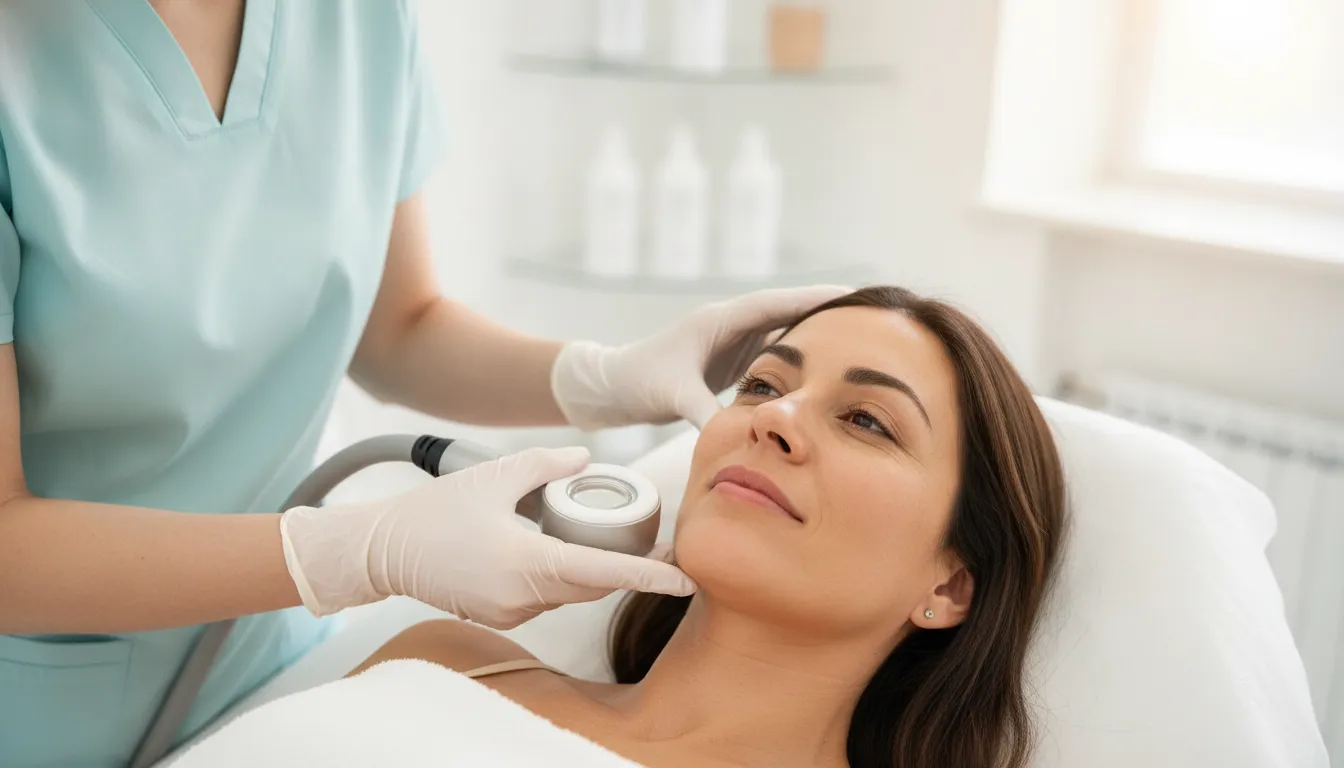
Following pre-treatment and aftercare instructions supports safe care. Sun exposure, skincare products, and other treatments may need to be discussed before scheduling. For patients comparing a skin rejuvenation treatment in Texas, a personalized plan is especially useful because climate and sun exposure can influence ongoing skin care. Trained clinical staff at Ultimate Image MedSpa can help connect the treatment choice with the patient’s goals, skin condition, and comfort preferences. Learn more about Ultimate Image MedSpa and discuss whether eMatrix fits your plan.
Which Skin Rejuvenation Treatment Fits Your Skin Goals?
The best skin rejuvenation treatment depends on the concern, your skin condition, and the recovery time you can accommodate. HydraFacial may suit hydration and congestion, VI Peel tone and pigmentation, SkinPen acne-scar appearance, and eMatrix texture or mild laxity. These are starting points, not diagnoses.
Choosing among four professional treatments is less about finding a universally “best” option and more about matching the treatment to your main concern. Available recovery time, and overall skin health. A consultation helps connect those details to a safe plan, especially in Texas, where sun exposure and climate can influence how skin responds. Ultimate Image MedSpa’s trained clinical staff can review your goals, skin type, current condition, and relevant medical history before recommending an approach.
Four skin rejuvenation treatments at a glance.
HydraFacial
Best aligned concerns: Dehydration, congestion, dullness, and a need for a refreshed appearance.
What the treatment does: A non-invasive sequence that cleanses, exfoliates, extracts, hydrates, and may include a targeted booster. Customer service information describes the treatment process.
Treatment feel and downtime: Often selected when a patient wants a gentle, refreshing treatment with little disruption to the day. Exact expectations depend on the skin’s condition and the products used.
Questions to discuss: Is hydration or congestion the priority? Would a booster address the specific concern? Is active irritation present?
VI Peel
Best aligned concerns: Uneven tone, hyperpigmentation, acne-related concerns, and surface texture.
What the treatment does: A medical-grade chemical peel creates controlled exfoliation to encourage renewal. Chemical peels are used across concerns such as photoaging, acne, and pigmentation, according to a review in PubMed.
Treatment feel and downtime: Patients should expect a treatment that may involve visible peeling or sensitivity as the skin renews. The provider should explain preparation, aftercare, and what level of recovery is appropriate.
Questions to discuss: What is causing the discoloration? Could the skin be irritated or recently sun-exposed? What preparation and aftercare are required?
SkinPen microneedling
Best aligned concerns: Acne-scar appearance, uneven texture, and goals related to collagen support.
What the treatment does: Controlled micro-injuries stimulate the skin’s natural healing response and collagen production. Microneedling is discussed as an option for acne scarring in the NCBI reference.
Treatment feel and downtime: The experience and visible recovery can vary by treatment area, skin sensitivity, and settings. It is important to plan around healing rather than assume the same response for every patient.
Questions to discuss: Is scarring the main concern? Which areas should be treated? Are there active breakouts, irritation, or other reasons to postpone?
eMatrix
Best aligned concerns: Skin laxity, textural irregularities, and a desire for resurfacing support.
What the treatment does: Fractional radiofrequency delivers energy to targeted areas to support tightening and texture improvement. Customer information describes eMatrix as adjustable to balance comfort and patient goals.
Treatment feel and downtime: It can be a more technology-focused option, with intensity and recovery expectations shaped by the treatment plan. The provider should explain sensation, skin response, and aftercare before treatment.
Questions to discuss: Is laxity or texture the primary goal? What intensity is appropriate? How will sun exposure and current skin health affect planning?
As a practical starting point, HydraFacial may make sense for hydration and congestion, while VI Peel is more closely aligned with tone and pigmentation concerns. SkinPen is often considered when acne-scar appearance and collagen remodeling are central goals. eMatrix may be discussed when laxity and uneven texture are more important. These are starting points, not diagnoses or guarantees. A personalized consultation is the first step in building an appropriate rejuvenation plan, and proper preparation and post-care are important for safety and effectiveness. The right skin rejuvenation treatment in Texas should fit both your skin goals and your ability to follow the recommended care.
How Does a Skin Rejuvenation Treatment Texas Plan Work?
A skin rejuvenation treatment Texas plan usually moves from goals and skin assessment to treatment selection, preparation, treatment, aftercare, and reassessment. The exact sequence and timing depend on the modality, your skin condition, and the provider’s recommendations.
A thoughtful plan begins with an assessment, not a product name. During a consultation, discuss the changes you want to address, your current skincare routine, relevant medical history, and how much visible recovery you can reasonably accommodate.
- Describe the skin concerns and outcomes you want to prioritize.
- Review your skin health, products, medical history, and recent sun exposure.
- Compare treatment options, preparation requirements, and likely recovery.
- Follow the selected treatment and aftercare plan.
- Reassess your response before scheduling additional or combined treatments.
Your provider can then evaluate your skin type, texture, tone, sensitivity, and sun exposure before recommending a treatment or combination. A personalized consultation is the first step in building an effective rejuvenation plan, particularly in Texas, where climate and environmental exposure can make individualized care important. Learn more about personalized skin rejuvenation options.
Start with goals and skin health
Be specific about your priorities. You may be focused on dehydration, uneven pigmentation, acne scarring, rough texture, fine lines, or mild laxity. These concerns can overlap, but they do not always call for the same approach. Your provider may recommend one treatment first so the response of your skin can be assessed. A HydraFacial, VI Peel, SkinPen microneedling, or eMatrix treatment may each have a different role, depending on your goals and skin type.
Tell the provider about active breakouts, irritation, cold sores, recent procedures, medications, and products that may increase sensitivity. Ask whether any of these factors should change your preparation or timing. Chemical peels create a controlled injury that encourages regeneration, and medical supervision helps support safe treatment across diverse skin types. More generally, following the recommended pre-treatment and post-treatment protocols is important for both safety and the best possible response.
Consider combinations carefully
Combining or alternating treatments can address different concerns, but more is not automatically better. A provider may consider a hydrating treatment for one need and a collagen-focused treatment for another. Yet the order and timing should be selected for your skin rather than copied from someone else. Combination planning should account for sensitivity, recent sun exposure, your current barrier health, and the intensity of each procedure. Ask what each treatment contributes, what overlap exists, and what signs would mean your skin needs more time before the next step.
Plan for sun exposure, aftercare, and maintenance
Sun protection deserves special attention in Texas. Ask your provider how to manage outdoor exposure before and after treatment, including when to pause certain active products and how to protect treated skin. Do not assume that a low-downtime procedure eliminates the need for careful aftercare. Follow the instructions provided for cleansing, moisturizing, sun protection, and product reintroduction. If your skin becomes unusually painful, blistered, or increasingly swollen. Or develops a reaction you were not told to expect, contact the provider rather than trying to manage it alone.
Finally, think beyond a single appointment. Ongoing maintenance can help preserve the improvements from professional rejuvenation, but there is no universal schedule. Your plan may change as your goals, skin condition, season, and tolerance change. Before proceeding, ask what result the treatment is intended to support, what limitations apply, and when a concern should be evaluated instead of treated cosmetically.
Frequently Asked Questions
Which treatment is best for my skin goals?
That depends on what you want to improve, your skin type, and how much recovery time fits your schedule. HydraFacial is a gentle option for cleansing, hydration, and a refreshed appearance. VI Peel may be considered for tone, clarity, and pigmentation. SkinPen is often selected for collagen support and acne-scar concerns, while eMatrix may suit texture and mild laxity goals. A personalized assessment helps match the treatment to your skin rather than choosing by name alone.
How much downtime should I expect?
Downtime varies by treatment and individual response. HydraFacial is described as requiring no downtime, although temporary redness can still occur. Peels, microneedling, and fractional radiofrequency can produce more noticeable redness, sensitivity, or peeling, depending on the plan and intensity. Your provider should explain what to expect and which activities or products to avoid during recovery.
Can these treatments help acne scars?
SkinPen microneedling may improve the appearance of acne scarring by promoting deeper tissue remodeling. The National Center for Biotechnology Information describes microneedling as a treatment used for acne scars: NCBI reference. Results depend on scar type, depth, skin health, and the treatment plan. Active breakouts or irritation may need attention before treating residual scarring.
Which option is used for pigmentation or melasma?
VI Peel is designed to improve skin tone, texture, and clarity, and it may be considered for hyperpigmentation, including melasma and post-inflammatory hyperpigmentation. Chemical peels create a controlled injury that encourages regeneration, so professional evaluation and careful aftercare are important. Sun protection is also essential because ongoing UV exposure can worsen uneven pigmentation.
Why do I need a consultation first?
A consultation allows the provider to review your skin, goals, health history, current products, and tolerance for downtime. That information helps determine whether one treatment or a carefully planned combination is appropriate. It also gives you a chance to discuss preparation, aftercare, realistic expectations, and whether treatment should be postponed because of irritation or another concern.
Book Your Skin Rejuvenation Consultation
Choosing between HydraFacial, VI Peel, SkinPen, and eMatrix depends on your skin goals, concerns, and how your skin may respond to treatment. A consultation gives you time to discuss those priorities and build a thoughtful plan for your needs.