
Med Spa Treatments for Summer: Texas Planning Guide
Summer in Texas brings longer days, more outdoor plans, and more sun exposure, so treatment timing matters as much as the treatment itself. A thoughtful plan can help you prepare for an event, manage unwanted hair, or support smoother, healthier-looking skin without overlooking recovery and aftercare.
The best med spa treatments for summer depend on your goals, skin type, recent sun exposure, and schedule. Lower-downtime hydration treatments may fit an active summer calendar, while laser hair removal and chemical peels often require planning several months ahead. A consultation helps determine candidacy, timing, sun-protection needs, and suitable alternatives.
Whether you are in Plano, Dallas, Lewisville, Richardson, or a nearby Texas community, start by considering your time before travel, outdoor activities, or a special event. The right choice begins with matching the treatment to your skin and lifestyle.
What Are the Best Med Spa Treatments for Summer?
For Texas clients, the best med spa treatments for summer depend on the goal, skin type, recent sun exposure, and available recovery time. Ultimate Image MedSpa can help compare lower-downtime hydration care, laser hair removal, chemical peels, microneedling, and body-contouring options before you choose a schedule.
For hydration and a refreshed appearance
Hydration-focused facial treatments can fit goals such as smoother, fresher-looking skin with limited interruption to a busy schedule. HydraFacial-style treatments are commonly described as combining gentle exfoliation and hydration without intensive downtime. That makes them popular during warmer months. The best approach still depends on your skin’s condition. A sensitive barrier, active irritation, or recent sunburn may call for postponing treatment or simplifying your routine first.
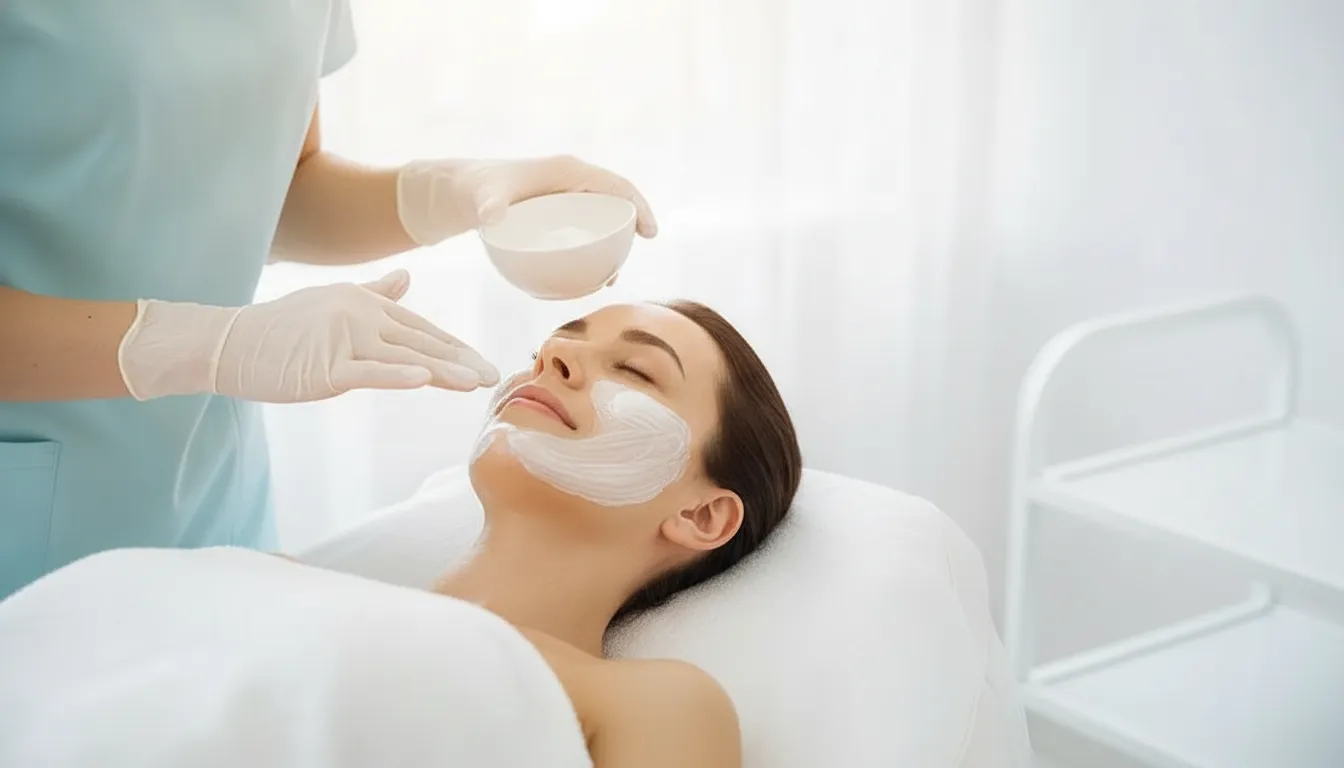
If you are comparing exfoliation and hydration options, this guide to aesthetic facial treatments for summer can help you understand the differences. Gentle exfoliation is not the same as aggressive scrubbing. A professional should determine the appropriate intensity. This is especially important if you use acne medications or products that can increase irritation.
For longer-term skin concerns
Microneedling and chemical peels may suit specific concerns. They require more careful timing than a hydration-focused facial. Chemical peels can increase sensitivity to sunlight for several weeks, according to the American Academy of Dermatology. If your summer includes pool days, beach travel, outdoor sports, or a fixed event, a lower-downtime option may fit better. Treatment intensity and timing should be personalized.
For hair removal and body goals
Laser hair removal is often planned over multiple sessions. It is not usually a last-minute appointment before vacation. Tanned skin may require waiting until the tan fades, so sun exposure and your timeline matter. Body contouring goals also need a consultation-based plan. The treatment that looks best on paper may not be the safest or most convenient choice for your skin and lifestyle.
Sun protection and aftercare are part of every treatment plan. The AAD recommends broad-spectrum SPF 30 or higher. Reapply every two hours outdoors, or more often when sweating. Thoughtful planning helps you support your goals without forcing your summer schedule around unnecessary recovery.
How Far in Advance Should You Plan Med Spa Treatments for Summer?
The lead time for med spa treatments for summer depends on the service, your skin, and your planned sun exposure. Ultimate Image MedSpa can help Texas clients coordinate a series such as laser hair removal around recovery windows, vacations, weddings, and outdoor activities. This approach keeps a general timeline from becoming a promise.
- Three to six months before summer: Start planning treatments that use a series of appointments, including laser hair removal and some chemical peels. This window allows time to discuss candidacy, schedule visits, and account for recovery. Guidance from summer treatment planning research recommends it for laser hair removal and chemical peels. At Ultimate Image MedSpa, laser hair removal plans commonly involve 4 to 10 sessions spaced about 4 to 8 weeks apart. The timeline matters if you want progress before pool days or vacations.
- Two to three months before your event or trip: Review your plan and identify factors that could change the schedule. Your provider may consider skin type, sensitivity, medications, prior procedures, and sun exposure. If you are comparing when to get laser hair removal, remember that timing is not only about the calendar. A tan can mean waiting until it fades, according to the American Academy of Dermatology. Plan around beach trips, outdoor work, and other activities that make sun avoidance difficult.
- Several weeks before summer activities: Complete treatments that require recovery early enough to follow every aftercare instruction. Chemical peels can increase sun sensitivity for several weeks. Sun exposure during recovery can also increase hyperpigmentation risk. Your provider may adjust treatment if your skin is irritated, recently tanned, or unlikely to receive consistent protection.
- One to two weeks before a special event: Confirm whether a planned service is appropriate for that specific deadline. Avoid trying an unfamiliar, more intensive treatment immediately before an important occasion. This is a useful window to review gentle maintenance options, expected redness or sensitivity, and what products or activities to avoid.
- Event week: Follow your aftercare plan. Do not add last-minute exfoliation or unapproved products. Protect exposed skin with broad-spectrum SPF 30 or higher. Reapply every two hours outdoors, or more often when sweating, as recommended by the AAD. If your skin reacts unexpectedly, contact your provider instead of correcting it at home.
For Texas clients, the most useful schedule is the one that fits real life. A consultation at Ultimate Image MedSpa can help match your goals and availability with a safe, realistic treatment sequence.
How Does Sun Exposure Affect Summer Treatments?
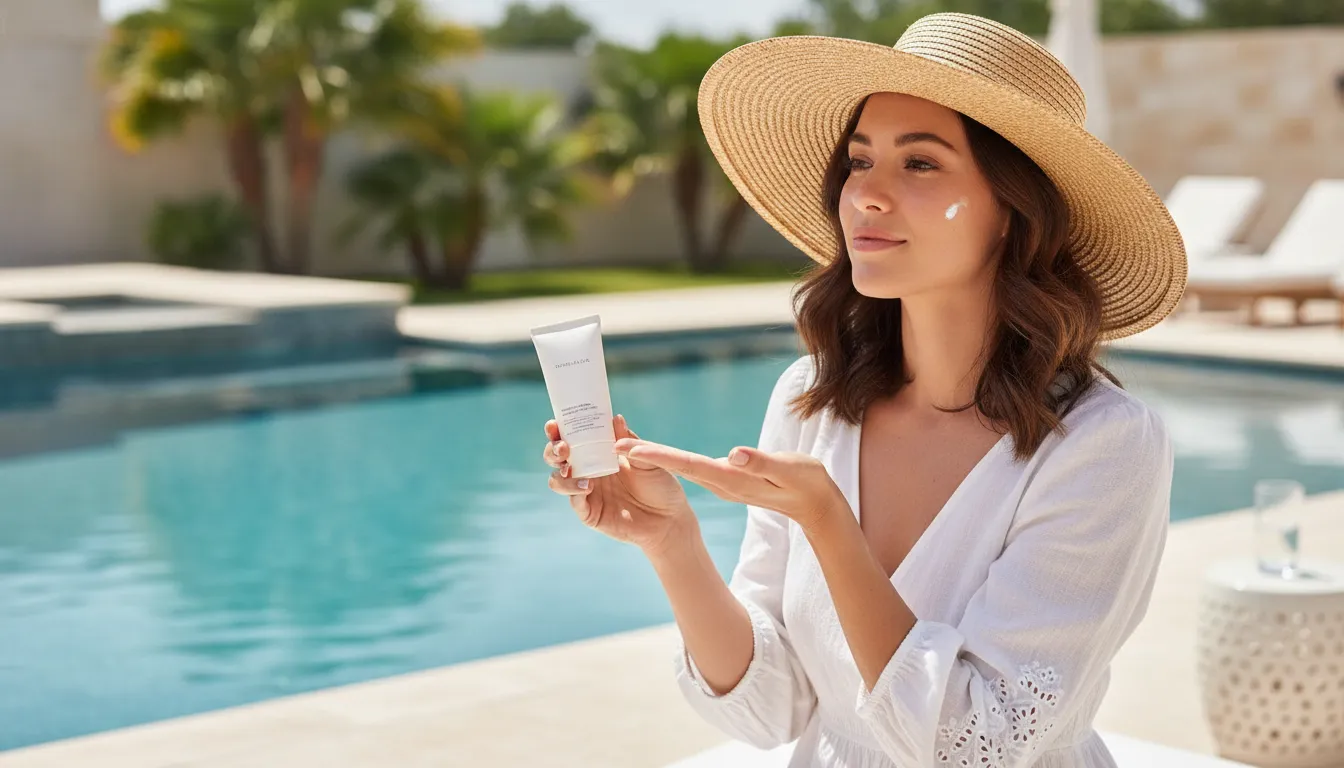
Sun exposure can affect candidacy, timing, and recovery for med spa treatments for summer. Ultimate Image MedSpa asks Texas clients to discuss tanning, self-tanner, outdoor activities, travel, and sensitivity before treatment. Consistent sunscreen and realistic scheduling can help protect treated skin, but individualized provider guidance remains essential.
Use consistent broad-spectrum sunscreen
The American Academy of Dermatology recommends broad-spectrum sunscreen with SPF 30 or higher. Apply it generously to exposed skin, then reapply every two hours when you are outdoors. Reapply more often if you are sweating, swimming, or towel-drying. A hat, sunglasses, shade, and lightweight protective clothing can add another layer of support, especially during long days outside in the Texas heat.
Sunscreen is not only an event-day step. Consistent protection helps limit cumulative exposure and supports a more predictable recovery after treatments that temporarily make the skin more sensitive. Ask your provider which products are appropriate for your skin and the specific procedure.
Tell your provider about tanning before laser hair removal
A recent tan can change the timing of laser hair removal. According to the AAD’s laser hair removal guidance, your provider may recommend waiting for a tan to fade. Tanned skin can affect treatment planning and may increase the need for caution. Be direct about recent sun exposure, self-tanner use, outdoor activities, and planned vacations rather than assuming they are unrelated.
That conversation is especially useful when you are building a series of appointments. Your provider can help coordinate treatment dates around the times you expect to be in strong sun and explain the aftercare steps that apply to your skin.
Plan extra care after chemical peels
Chemical peels can increase sun sensitivity for several weeks, so recovery planning matters. The AAD explains that sun protection is important after a chemical peel. Avoid treating recovery as a convenient time for tanning or extended outdoor exposure. Schedule the peel when you can follow the recommended routine and give your skin time to settle before a beach trip, pool day, or major event.
Sun exposure during recovery may also raise the risk of hyperpigmentation, particularly when skin is already irritated or vulnerable. There is no universal summer schedule that fits every person. Follow the provider’s aftercare instructions, ask when normal outdoor activities can resume, and contact the office if your response seems unusual. Careful preparation does not guarantee a result, but it can help you make a safer, better-informed treatment decision.
Choosing a Treatment for Your Skin Goals and Lifestyle
Choosing among med spa treatments for summer means matching the service to your goal, skin, sun exposure, and recovery window. Ultimate Image MedSpa can help Texas clients compare hydration, skin rejuvenation, laser hair removal, and body-contouring directions. The comparison below offers orientation, not a substitute for individualized clinical guidance.
| Treatment direction | May fit this goal or lifestyle | Timing and downtime considerations | What candidacy depends on |
|---|---|---|---|
| Hydration or gentle exfoliation | Refreshing dull or dehydrated-looking skin. This option has a lighter recovery period. | HydraFacial-style treatments are commonly used for gentle exfoliation and hydration with limited downtime. Even so, schedule around important events and follow your aftercare plan. | Current skin sensitivity, active irritation, skincare products, and the result you want from the visit. Read more about aesthetic facial treatments for summer. |
| Microneedling or chemical peel planning | Addressing texture, uneven tone, or other concerns when you can plan recovery and protect your skin from the sun. | These options are not automatically off-limits in summer, but timing matters. Chemical peels can increase sun sensitivity for several weeks, so outdoor plans and aftercare must be considered. | Skin type, history of sensitivity or pigmentation, current medications, recent procedures, and the strength or depth appropriate for your concern. A personalized plan is safer than choosing by trend. |
| Laser hair removal | Reducing the need to shave for clients who can commit to a series of appointments. | Ultimate Image MedSpa plans commonly involve multiple sessions, often four to ten at four-to-eight-week intervals. A tan may require waiting until it fades. Review when to get laser hair removal before scheduling. | Hair and skin characteristics, sun exposure, treatment area, health history, and the device settings selected by a qualified professional. |
| UltraShape body contouring | Targeting localized body-contouring goals without choosing a surgical procedure, particularly when convenience matters. | Timing and the number of visits depend on your plan and goals. Allow time for the recommended series and follow-up rather than booking immediately before a major occasion. | Body area, tissue characteristics, health history, expectations, and whether the concern is appropriate for non-invasive treatment. Explore non-invasive body contouring treatments. |
Sun protection is part of every summer decision. The American Academy of Dermatology recommends broad-spectrum SPF 30 or higher, with reapplication every two hours outdoors or more often when sweating. Exposure during recovery can increase hyperpigmentation risk, so your schedule, skin tone, travel, and daily routine all matter. A consultation lets the team review those details, explain alternatives, and set realistic timing for your goals.
What Should You Ask Before Booking a Summer Treatment?
Before booking med spa treatments for summer, ask about candidacy, medications, recent sun exposure, prior procedures, downtime, aftercare, and session timing. Ultimate Image MedSpa uses that discussion to help Texas clients understand options and plan around travel, work, outdoor activities, and important events. This is more useful than choosing from a generic seasonal list.
- How does my skin type and sensitivity affect the treatment? Ask how your skin may respond, especially if you experience irritation, discoloration, dryness, or sensitivity after other services. A personalized assessment is important for clients across different skin tones and skin types.
- Should I mention my medical history and medications? Yes. Share relevant health conditions, prescriptions, supplements, allergies, and products you use at home. This information helps the provider evaluate candidacy and identify precautions before treatment.
- How recent is my sun exposure? Tell the provider about tanning, outdoor activities, vacations, and planned beach or pool time. Recent or ongoing sun exposure can affect timing and aftercare for some services, so an honest discussion is safer than trying to work around it.
- Have I had previous procedures? Mention recent peels, microneedling, injectables, laser services, waxing, or other aesthetic treatments. Your provider can use that history when recommending a suitable sequence and spacing between appointments.
- What result am I hoping to support? Be specific about whether your priority is hydration, texture, hair reduction, pigment concerns, or body contouring. Your goals help guide the conversation toward an appropriate service, including alternatives when another approach may fit better.
- How many sessions might I need, and when should I start? Ask how the treatment schedule fits your event date, travel plans, and summer activities. Some plans require multiple visits, while others may be better scheduled after a major event rather than immediately before it.
- What downtime and aftercare should I expect? Ask when you can exercise, swim, wear makeup, shave, or return to outdoor activities. Also clarify the recommended skin-care routine and sun-protection steps during recovery.
At Ultimate Image MedSpa, a consultation can include reviewing your skin type, history, candidacy, timeline, and alternatives. With locations in Plano, Dallas, Lewisville, and Richardson, Texas clients can discuss a plan that works with their routine. Clients do not have to choose a service based only on a seasonal trend. Book your consultation to begin that conversation.
Summer Skin Maintenance After Your Treatment
Aftercare for med spa treatments for summer should follow the instructions from your licensed professional and account for Texas heat, sweat, sun, skin sensitivity, and the specific service. Ultimate Image MedSpa recommends confirming when to resume exercise, swimming, heat exposure, exfoliation, makeup, and other activities before returning to your usual routine.
Keep your routine gentle
For the first part of recovery, use the cleanser, moisturizer, and other products recommended for your treatment. Avoid scrubbing, picking, or layering multiple exfoliants. The American Academy of Dermatology recommends gentle products and no scrubbing when exfoliating at home. This is especially important after a peel or another service that temporarily affects the skin barrier. Over-exfoliating can create irritation instead of improving texture.
Hydration also matters. Use a moisturizer that fits your provider’s instructions, and drink water regularly in hot weather. If your skin feels increasingly painful, develops unusual swelling, or reacts in a way not covered in your aftercare guidance, contact your provider. Do not try to correct it with additional products.
Protect against UVA and UVB
Use a broad-spectrum sunscreen with SPF 30 or higher. Broad-spectrum protection helps shield skin from both UVA and UVB rays, and the AAD identifies sun protection as a foundational part of skin care. Apply it generously to exposed areas, including the face, neck, ears, and other uncovered skin. Reapply every two hours while outdoors, or more often if you are sweating or swimming.
Sun protection is especially important after treatments that increase sensitivity. The AAD notes that chemical peels can make skin more sensitive to sunlight for several weeks. Sun exposure during recovery can also increase the risk of hyperpigmentation. Use shade, protective clothing, and a hat as additional layers of protection, and follow any specific sun-avoidance period your provider gives you.
Plan around heat and important events
Ask how soon you can exercise, swim, use a sauna, or spend extended time in direct heat. Sweat and friction may not fit every recovery plan. If you have a wedding, vacation, photo session, or other event coming up, schedule treatment early enough to complete the recommended recovery window. A consultation can help you compare aesthetic facial treatments for summer with your goals, skin condition, and calendar.
Frequently Asked Questions
How long before summer should I start med spa treatments?
Start planning several months ahead when your goal involves a series of appointments. Laser hair removal commonly requires multiple sessions spaced about 4 to 8 weeks apart. One industry guide recommends beginning laser hair removal and chemical peels 3 to 6 months before summer. Your consultation can account for your event date, skin history, and time in the sun. Source: treatment timing guidance.
Which treatments may be appropriate during the summer?
Hydration-focused, lower-downtime facial treatments may fit summer schedules, but suitability depends on your skin goals, sensitivity, sun exposure, and lifestyle. Many procedures can be performed during summer when selected carefully and paired with appropriate aftercare. A personalized evaluation is more useful than choosing a treatment from a seasonal list. Source: American Academy of Dermatology guidance.
Are laser hair removal and chemical peels safe for summer?
They may be appropriate for some clients, but timing and sun protection matter. The American Academy of Dermatology notes that tanned skin may require waiting before laser hair removal, and chemical peels can increase sun sensitivity for several weeks. Tell your provider about recent tanning, outdoor plans, medications, and prior reactions before scheduling either treatment. Sources: laser hair removal guidance and chemical peel guidance.
How should I protect my skin after a summer treatment?
Follow the specific aftercare instructions you receive, limit unprotected sun exposure, and use a broad-spectrum sunscreen with SPF 30 or higher. The AAD recommends reapplying sunscreen every two hours outdoors, or more often when sweating. Sun exposure during recovery can also increase the risk of hyperpigmentation. Source: AAD sun protection guidance.
Ready to Plan Your Summer Treatments?
A thoughtful plan can help match your treatment timing, skin goals, sun exposure, and recovery needs before you schedule. A consultation gives you space to discuss your priorities and choose an approach that fits your summer plans.