Pregnancy and childbirth can change the way your abdomen, hips, thighs, and skin look and feel. If you are considering post pregnancy body treatments, the best starting point is not a device or a trend. It is a clear understanding of what you want to improve, where medical recovery still takes priority, and which non-surgical options may fit your goals.
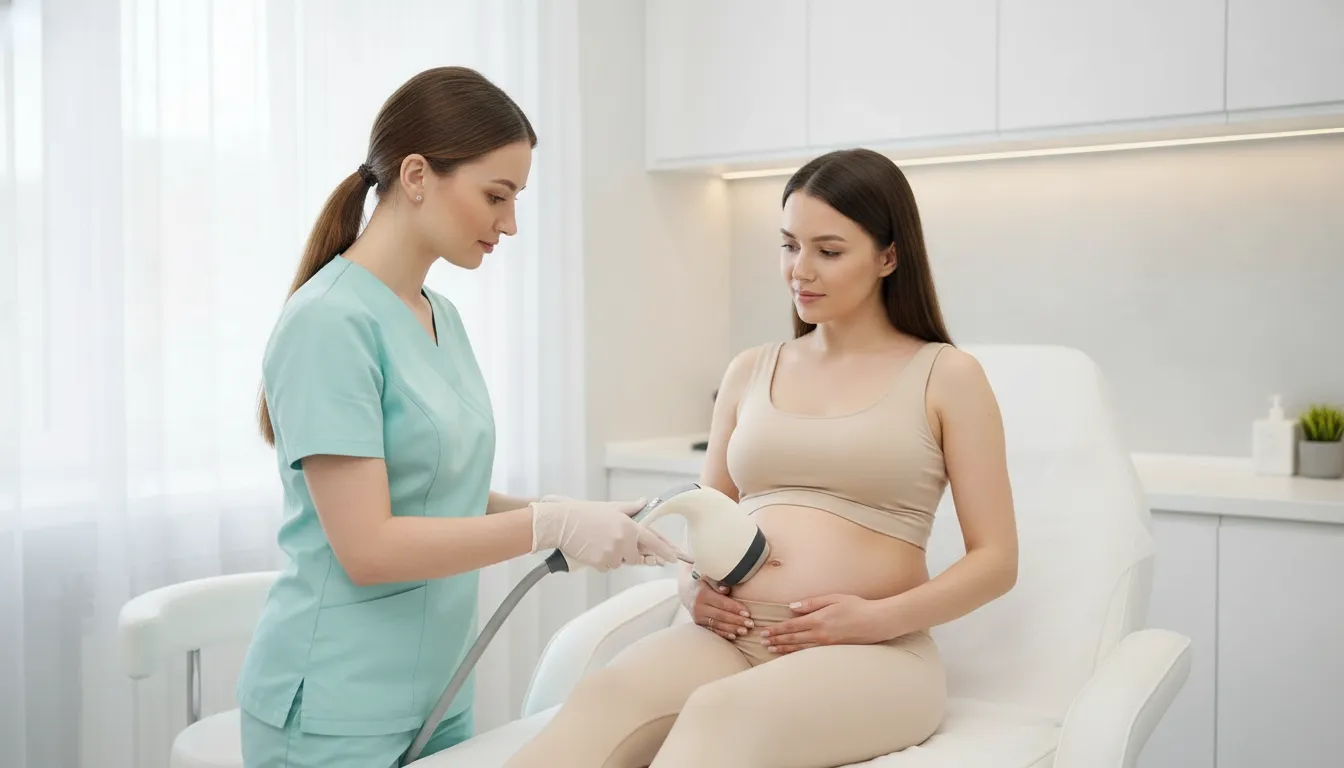
Post pregnancy body treatments may improve the appearance of localized fat, mild skin laxity, cellulite, and uneven texture after pregnancy. Depending on your concern, a provider may discuss body contouring, skin tightening, or microneedling. These are elective appearance services, not weight-loss treatments and not substitutes for postpartum medical or pelvic floor care. Pregnancy and nursing are contraindications for these aesthetic treatments, so timing, health history, and individual eligibility must be reviewed before scheduling.
A careful plan can help you separate appearance goals from symptoms that need medical attention. It can also set realistic expectations. Non-surgical care may create gradual improvement in a selected area, but it cannot reproduce the results of surgery, repair abdominal muscle separation, or erase every mark left by pregnancy.
What Can Post Pregnancy Body Treatments Address?
Post pregnancy body treatments can be considered for appearance concerns that remain after your body has had time to recover. Common goals include reducing the appearance of a localized fat area, improving the look of mild laxity, smoothing uneven texture, and making cellulite or stretch marks less noticeable. The treatment should be matched to the concern rather than chosen because it is popular online.
At Ultimate Image MedSpa, a consultation can help determine whether a non-surgical approach is appropriate for your area and goals. You can review the available aesthetic services before your appointment, but online descriptions cannot replace an in-person assessment of your health history, skin, tissue, and recovery stage.
Localized fat and contour concerns
Body contouring is intended for selected areas of fat and shape. It is not a general weight-loss program. A person may be at a stable, healthy weight and still have an area that does not change as expected with nutrition and activity. In that situation, a provider can explain whether a non-invasive option is realistic and what degree of change can reasonably be expected.
Mild laxity and uneven texture
Skin-tightening treatments may help the skin look firmer over time when laxity is mild or moderate. Texture-focused treatments may help the surface look smoother or more even. These services do not guarantee a return to a pre-pregnancy appearance. Results vary with skin characteristics, the amount of laxity, age of the stretch marks, healing response, and the treatment plan.
When aesthetic care is not the right first step
Symptoms such as pain, pelvic pressure, weakness, persistent swelling, abdominal bulging, back discomfort, or suspected diastasis recti should be evaluated by a physician or qualified pelvic floor professional. An aesthetic procedure is not a diagnosis or a treatment for an underlying medical condition. Addressing medical recovery first is the safest way to decide whether appearance-focused care is appropriate later.
When Can You Start Post Pregnancy Body Treatments?
There is no universal calendar date that clears every new mother for elective aesthetic treatment. Timing depends on whether pregnancy has ended, whether breastfeeding is complete, how your delivery and recovery progressed, your current symptoms, medications, and the treatment being considered. Pregnancy and nursing are contraindications for these aesthetic treatments, so you should wait until those periods have ended and discuss your situation with a qualified provider.
Use recovery milestones, not a rushed deadline
Some treatment discussions use three to six months after delivery or after breastfeeding has ended as a general planning reference. That range is not a guarantee of safety or readiness. A cesarean delivery, complications, incision healing, changes in weight, medication use, or ongoing symptoms may change the timeline. Starting later is not a setback. It may be the most responsible choice for your recovery.
Readiness questions to discuss before treatment
- Has pregnancy ended and is nursing complete? Tell the provider if there is any possibility you are pregnant or if you are breastfeeding.
- Has your physician addressed your recovery? Follow medical guidance about healing, activity, medications, pain, swelling, and other postpartum symptoms.
- Have you shared your full history? Provide your delivery date and type, current medications, medical conditions, allergies, procedures, and relevant skin or healing history.
- Are your goals appearance-focused? Body contouring does not treat obesity, repair muscles, or replace nutrition, movement, or medical care.
- Can you allow time for gradual results? Ask about expected sessions, sensations, aftercare, follow-up, and whether maintenance may be discussed.
A consultation can still be useful while you are waiting. It may help you understand which information or medical clearance will be needed, without pressuring you to begin before your body is ready.
Which Non-Surgical Options May Fit Stubborn Fat?
When the main concern is a localized area of fat, a provider may discuss non-surgical body contouring. At Ultimate Image MedSpa, UltraShape is the relevant UIMS body-contouring service for this topic. CoolSculpting is not a UIMS service and should not be presented as one. VelaShape may be considered when cellulite, contour, or uneven texture is the primary concern.
| Option | Technology or approach | May be discussed for | Important expectation |
|---|---|---|---|
| UltraShape | Ultrasound-based body contouring | Selected abdominal fat and contour concerns | It is appearance-focused, non-surgical care, not general weight loss. Individual response varies. |
| VelaShape | Infrared energy, bipolar radiofrequency, and vacuum | Cellulite, contour, and uneven-looking texture | A smoother-looking appearance may develop gradually. The plan and response differ by person. |
| Surgery | An operative procedure | Larger amounts of excess tissue or skin when appropriate | Surgery has different benefits, recovery, and risks. Non-surgical treatments cannot reproduce its results. |
Learn more about UltraShape fat reduction and bring your questions to a consultation. A provider can assess whether the concern is primarily fat, skin, cellulite, or a combination. That distinction matters because choosing a contouring treatment for loose skin or a medical concern can lead to unrealistic expectations.
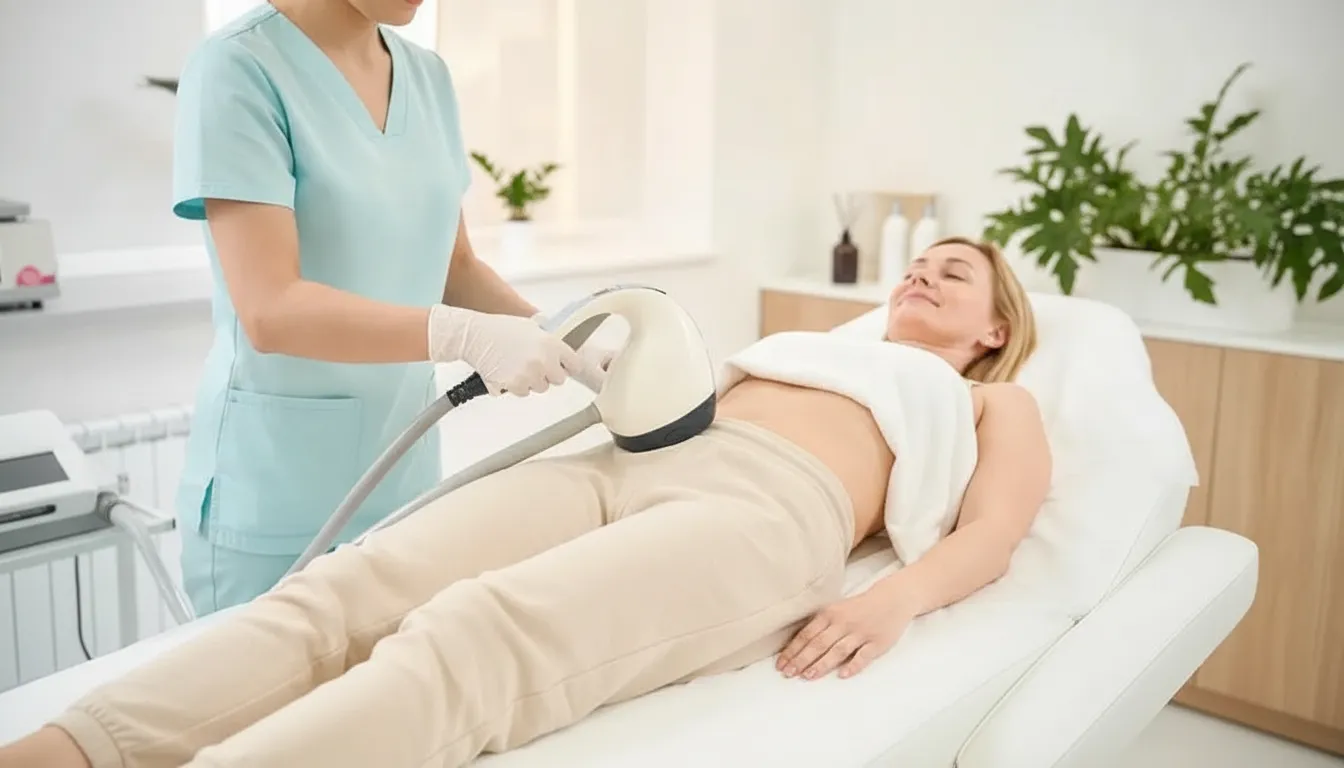
Non-surgical contouring may appeal to someone who wants a gradual appearance-focused option without an operation. It still requires screening and honest discussion of limitations. Ask which areas can be treated, how many sessions may be considered, what sensations are possible, and when results should be assessed.
Discuss your body contouring goals
How Can Skin Tightening and Microneedling Help Texture?
Postpartum skin concerns are not all the same. Skin tightening and microneedling address different aspects of appearance, so the better fit depends on whether laxity, surface texture, elasticity, or stretch marks is your main concern. Neither option should be presented as a surgical lift or a guaranteed way to remove every change.
GentleYAG for mild laxity
GentleYAG skin tightening is an energy-based service intended to improve the appearance of less-firm skin. It may be considered when the concern is mild to moderate laxity and the goal is gradual refinement rather than surgical removal of skin. Your response depends on the treatment area, skin characteristics, degree of laxity, recovery stage, and overall health.
Review non-invasive skin tightening information before your visit, then ask what the service can realistically address. Skin tightening cannot correct abdominal muscle separation or replace medical care when symptoms are present.
SkinPen for texture and elasticity
SkinPen microneedling creates controlled microchannels in the skin to support its natural renewal process. It may be discussed when the goal is to improve the look of uneven texture, surface irregularity, or reduced-looking elasticity. It is not the same as treating a large amount of loose tissue, and it should not be promised as a complete solution for stretch marks.
You can learn more about SkinPen microneedling and ask whether the treatment is appropriate for your skin and postpartum stage. A provider may recommend one service or a staged approach, but combining treatments should be based on screening and a clear purpose.
What about stretch marks?
Stretch marks are a common result of rapid stretching and changes in skin elasticity. Texture-focused care may make them look softer or less noticeable over time, but non-surgical treatment rarely erases them completely. Results vary with the marks’ age, color, location, depth, and your skin’s healing response.
A realistic goal is often more even-looking texture, not flawless or untouched skin. If your concern is primarily stretch marks, ask about the expected degree of improvement, aftercare, the number of sessions, and whether treatment should be delayed for any reason.
What About Diastasis Recti and Emsculpt Neo?
Diastasis recti deserves a separate conversation because it is not simply a cosmetic concern. It can involve separation or thinning of abdominal muscles and connective tissue after pregnancy. Signs may include abdominal doming or bulging, core weakness, back discomfort, pelvic pressure, or pain. A physician or qualified pelvic floor physical therapist can evaluate those symptoms and recommend appropriate rehabilitation.
Why body contouring cannot repair muscle separation
Body contouring, skin tightening, and microneedling focus on visible appearance concerns. They do not repair diastasis recti, strengthen a weakened pelvic floor, or treat an underlying medical condition. If you suspect muscle separation, medical assessment should come before an aesthetic treatment plan. This distinction protects your health and prevents a device from being marketed as a substitute for rehabilitation.
How to discuss Emsculpt Neo accurately
Emsculpt Neo appears in some online mommy-makeover discussions. It is not listed as a verified Ultimate Image MedSpa offering in the available service information, so this guide does not present it as a UIMS treatment. It also does not claim that Emsculpt Neo treats or repairs diastasis recti. A new mother should be cautious about any marketing language that promises to fix muscle separation without medical evaluation.
If you have symptoms, speak with your physician or pelvic floor specialist. Once medical concerns are addressed and you are cleared for elective appearance care, a UIMS consultation can focus on whether localized fat, mild laxity, cellulite, or texture changes are appropriate goals for a non-surgical plan.
How Do You Build a Safe Treatment Plan in Texas?
A responsible plan begins with your recovery and goals, not with a named device. Ultimate Image MedSpa serves clients at locations in Plano, Dallas, Lewisville, and Richardson. During a consultation, a licensed professional can review your history, discuss the concern you want to address, and explain which services are available for your situation.
Bring the details that affect eligibility
Be ready to discuss your delivery date and type, breastfeeding status, medications, medical conditions, allergies, prior procedures, skin sensitivity, healing history, and current symptoms. Mention pain, swelling, unusual bleeding, incision concerns, abdominal bulging, weakness, or pelvic pressure. These details may change whether an aesthetic appointment is appropriate or whether medical follow-up comes first.
Match the option to the visible concern
UltraShape may be discussed for selected abdominal fat and contour concerns. VelaShape may be relevant to cellulite or uneven-looking texture. GentleYAG may be considered for mild laxity, while SkinPen may be discussed for surface texture and elasticity. You can review the UIMS service collection, but a provider must determine whether a service fits your goals and health history.
Set expectations before you start
Ask what the treatment is designed to do and what it cannot do. Clarify the expected number of sessions, sensations, downtime, aftercare, follow-up, and how results will be assessed. Ask whether maintenance may be appropriate. Non-invasive does not mean risk-free, and a treatment plan should include device-specific safety guidance.
It can also help to decide what success means for you. That may be a smoother-looking texture, a subtle contour change, or improved confidence in clothing. A specific goal is more useful than a promise to look exactly as you did before pregnancy.
Explore a postpartum treatment plan
Frequently Asked Questions
When can I start post pregnancy body treatments?
Timing depends on recovery, breastfeeding status, health history, delivery details, and the treatment being considered. Pregnancy and nursing are contraindications for these aesthetic treatments. Some discussions use three to six months after delivery or after breastfeeding ends as a planning reference, but it is not universal clearance. Follow your physician’s guidance and complete provider screening.
Can I have body contouring while breastfeeding?
No. Pregnancy and nursing are contraindications for these aesthetic treatments. Tell the provider if you are breastfeeding or if pregnancy is possible. Waiting allows your health history, postpartum changes, and eligibility to be reviewed at the appropriate time.
Can non-surgical treatments repair diastasis recti?
No. Body contouring, skin tightening, and microneedling are appearance-focused services. They do not repair abdominal muscle separation or replace evaluation by a physician or pelvic floor specialist. Seek medical guidance for bulging, pain, weakness, pelvic pressure, or back discomfort.
Does UltraShape work the same way as CoolSculpting?
No. They are different branded approaches. UltraShape is the UIMS body-contouring service discussed in this guide. CoolSculpting is not presented as a UIMS offering. A consultation can explain whether UltraShape is appropriate for a selected contour concern and what results are realistic.
Can microneedling remove postpartum stretch marks?
Microneedling may improve the appearance of texture and elasticity for some people, but it does not guarantee complete removal of stretch marks. Results vary with the marks and your healing response. Ask about candidacy, expected improvement, sessions, and aftercare before proceeding.