

Quick answer: The Sculptra collagen stimulator is an injectable made with poly-L-lactic acid, or PLLA. It is designed to support a gradual collagen response beneath the skin, so early fullness is not the same as the eventual result. A qualified healthcare professional must decide whether the treatment fits your anatomy, health history, and goals.
Many people searching for Sculptra before and after photos are really trying to understand what happens between the appointment and the later image. Sculptra is different from a filler that is primarily chosen for a more immediate change in a specific area. The product, treatment plan, and response vary, which is why a photo gallery can illustrate possibilities but cannot predict your outcome.
What Is the Sculptra Collagen Stimulator?
Sculptra is an injectable implant containing microparticles of poly-L-lactic acid, commonly called PLLA. The U.S. Food and Drug Administration describes the product as a gel implant or dermal filler containing PLLA, sodium carboxymethylcellulose, and non-pyrogenic mannitol. It is supplied in a sterile vial and prepared as a suspension before injection. It does not contain collagen, and it is not a hyaluronic-acid filler.
The product’s role is different from simply placing a gel to add volume. Official product science describes PLLA-SCA microparticles working beneath the skin, being absorbed, and helping stimulate the body’s natural collagen response. Collagen is a structural protein that helps support the skin. Over time, a collagen-related response may contribute to a gradual change in the appearance of selected facial wrinkles or volume-related concerns.
That explanation is educational, not a promise. The official science page cites a study reporting a 66.5 percent increase in Type 1 collagen after three months. That figure belongs to the cited study context and should not be interpreted as a guaranteed increase or a forecast of what every patient will see. Read the FDA overview of Sculptra and the manufacturer’s explanation of Sculptra science for the source details.
How Does Sculptra Work Under the Skin?
The simplest way to understand the Sculptra collagen stimulator is to separate the process into three parts: what is injected, what happens as the product is absorbed, and what may become visible over time. This avoids treating a same-day appearance as proof of the final result.
- The product is placed beneath the skin. A trained, licensed healthcare professional evaluates the facial area and injects the prepared product according to the treatment plan and product instructions. Sculptra must not be injected into a blood vessel or muscle.
- Early fullness can change the first comparison. Fluid, product, and normal injection-site swelling can make an area look fuller soon after treatment. This temporary appearance is not a reliable measure of the later collagen-related change.
- The PLLA response develops gradually. As the microparticles are absorbed, the product is designed to help stimulate a natural collagen response beneath the skin. The visible change may be subtle and develops over time rather than arriving as a complete result on the day of injection.
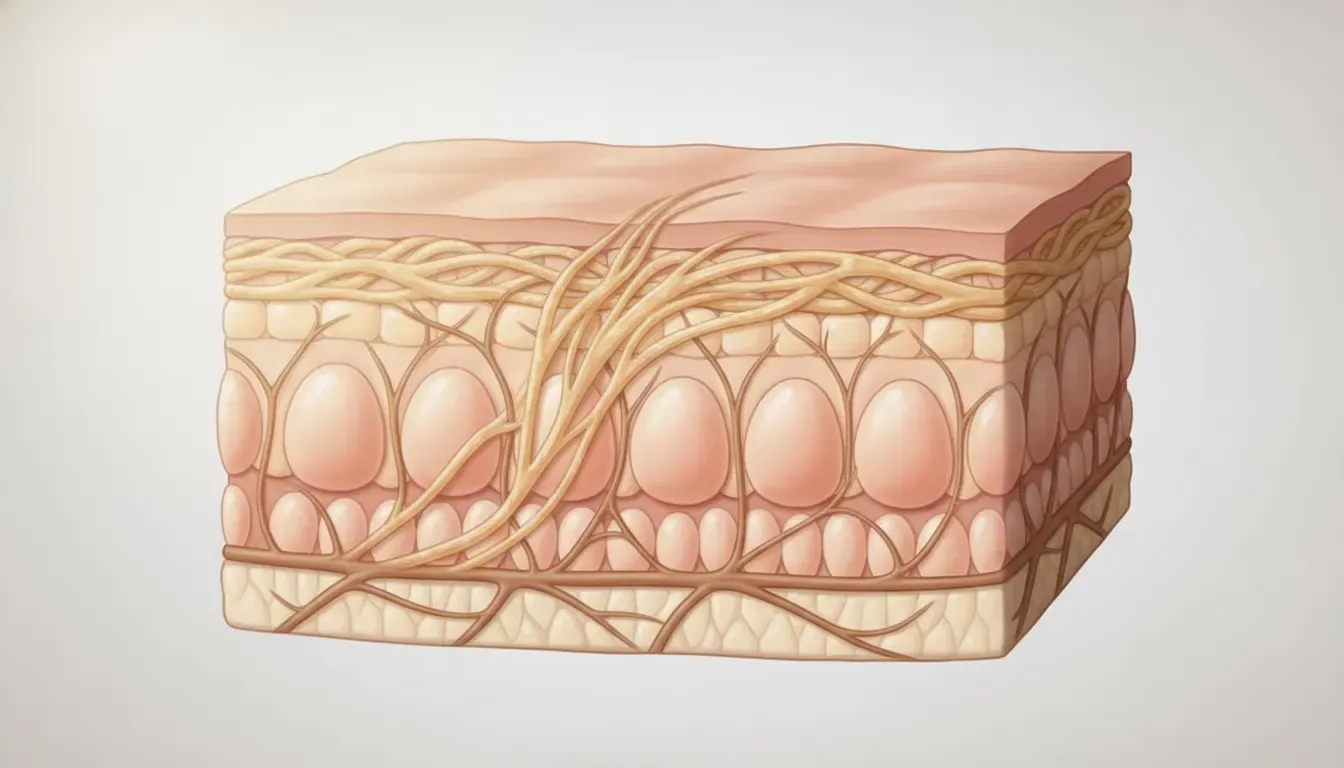
The mechanism is one reason the treatment needs careful planning. Overcorrecting can create an undesirable result, and official instructions warn that volume deficiencies are expected to improve gradually during the weeks after injection. The correct amount, placement, timing, and follow-up are clinical decisions. Do not use an online diagram to decide whether an injectable is appropriate for you.
When Might You See Sculptra Before and After Changes?
There is no single before-and-after schedule that applies to every patient. Official materials say that results may be seen as early as one month, while a clinical plan can involve multiple sessions over several months. Early swelling may settle before the intended collagen-related improvement becomes easier to evaluate. Your provider should explain what to expect from your plan and when progress will be reviewed.
| Stage | What a patient may notice | How to interpret it |
|---|---|---|
| Immediately after treatment | Temporary fullness, swelling, redness, tenderness, or bruising may affect the appearance. | Do not treat the same-day view as the final result. |
| Early recovery | Initial effects may settle, and the treated area may look less full than it did immediately after injection. | Follow the treating professional’s aftercare instructions and ask about unexpected symptoms. |
| Following months | A gradual change may become easier to assess as the collagen response develops. | Timing and degree of change vary by person, area, plan, and response. |
| Follow-up review | Your provider can compare standardized images and discuss whether your goals are being met. | Future treatment decisions should follow an individualized assessment. |
The official U.S. FAQ says patients average two to three sessions over a few months, with a typical plan of three sessions spaced at least three to four weeks apart. FDA materials also describe a clinical study in which patients received up to four injections for the best outcome. These are reported averages or study details, not a universal prescription. Your plan may be different, or a provider may recommend another treatment.
For a broader overview of how treatment goals, product type, and treatment area affect planning, visit UIMS’s dermal filler guide. It discusses Sculptra alongside other filler options, while this article focuses on the collagen-stimulator mechanism and the way to interpret gradual change.
Why Do Sculptra Photos Look Different From Immediate Filler Results?
Traditional dermal fillers are not one uniform category, but many hyaluronic-acid fillers are selected because they can add gel volume to a chosen tissue plane and create a visible contour change sooner. Sculptra uses a different approach. It is a PLLA-based injectable designed to support a gradual collagen response, so a later comparison may be more informative than an immediate one.
These differences affect the questions you should ask. Instead of asking which product is universally better, ask whether you want a gradual process, what concern is being addressed, which areas are appropriate, and how the provider will evaluate progress. The following comparison is simplified for education and does not replace a medical assessment.
| Question | Sculptra | Many hyaluronic-acid fillers |
|---|---|---|
| Primary material | Poly-L-lactic acid, or PLLA, in a prepared injectable suspension. | Hyaluronic acid formulated as an injectable gel. |
| How change develops | Designed to help stimulate a gradual collagen response. | Often creates a more immediate volume or contour effect, although swelling can influence early appearance. |
| Planning emphasis | Staged review, realistic timing, and individualized session planning. | Product, area, amount, tissue plane, and desired contour. |
| Best question | Does a gradual collagen-focused approach fit my goal? | Would targeted gel volume address my concern? |
UIMS’s published filler content presents Sculptra as an option patients can discuss during a comprehensive consultation. The dedicated Services page does not list Sculptra as a separate service, so confirm current availability, injector availability, and the treatment options offered before making plans. A consultation-led answer is more reliable than assuming a product is available at every appointment.
How Should You Read Sculptra Before and After Photos?
Before-and-after photos can help you understand the kind of change a treatment may support, but they are not a guarantee. The official gallery labels its images as actual patients and states that individual results may vary. The most useful comparisons are taken under similar lighting, camera angle, distance, facial expression, and timing.
Ask what happened between the two images. Was the photo taken immediately after an appointment, during early recovery, or months later? Was there one session or a series? Were other treatments performed? A gallery may not answer every question, and a combined-treatment image cannot show exactly which product produced each visible change. Age, anatomy, skin quality, weight change, skincare, lighting, and expression can also affect a comparison.

Bring reference photos to a consultation if they help explain your goals, but do not ask a provider to reproduce another person’s face. A qualified professional should connect your goals with your anatomy, health history, treatment area, and the limits of the product. Baseline and follow-up photographs may be taken with your consent so progress can be discussed more clearly.
What Are the Safety Questions to Ask Before Treatment?
Sculptra requires more than a product comparison. A qualified, trained healthcare professional should review your medical history, allergies, current medications, previous procedures, skin condition, and goals. The official Sculptra U.S. Instructions for Use is the source for detailed product warnings and directions.
Official safety information says Sculptra should not be used in people with hypersensitivity to an ingredient, severe allergies involving anaphylaxis or multiple severe allergies, or a known history of or susceptibility to keloid formation or hypertrophic scarring. If the product is reconstituted with lidocaine, lidocaine or amide-type local anesthetic allergy is also relevant. Safety has not been established for people who are pregnant, lactating or breastfeeding, or under 18 years of age.
Common post-treatment effects can include swelling, tenderness, redness, pain, bruising, bleeding, itching, lumps, and bumps at the injection site. Small papules or nodules can occur, and delayed lumps or inflammation have also been reported. Serious complications can occur if an injectable is placed in or near a blood vessel. Official information warns that vascular injection may lead to vascular occlusion, infarction, embolic phenomena, superficial necrosis, or scarring.
Do not treat through sores, cysts, pimples, rashes, hives, or an infection until the area has healed. Official safety information also excludes injection into the red vermilion area of the lip and the peri-orbital area. These details are not a personal eligibility checklist. They are reasons to give your provider complete information and to follow the current product instructions.
UIMS’s consultation process is designed around goals, medical history, professional assessment, candidacy, realistic outcomes, timelines, alternatives, and informed consent. You can review what to expect at a first med spa visit before your appointment.
What Should You Ask About a Sculptra Treatment Plan?
A focused consultation can turn a photo search into a safer decision. Consider asking:
- What concern are we treating, and what can this product realistically change?
- Is Sculptra currently available here, and who would evaluate or perform the treatment?
- Why might a gradual collagen-stimulator approach fit my goal better than another option?
- What timing should I use when comparing baseline, early, and later photographs?
- How many appointments might be considered for my plan, and what would determine the timing?
- What risks, contraindications, and aftercare instructions apply to my medical history?
- How will you document progress, and what follow-up is recommended?
- What alternatives should I consider if Sculptra is not the right fit or is not available?
UIMS serves the DFW community with locations in Plano, Dallas, Lewisville, and Richardson. Its live dermal-filler content presents Sculptra as an option to discuss during consultation, but current product and injector availability should be confirmed directly. Use the UIMS contact page to ask about your goals and next steps.
Frequently Asked Questions About the Sculptra Collagen Stimulator
How long does Sculptra last?
FDA and manufacturer materials report that results may last up to 24 months or two years in the relevant clinical-study context. That is a potential duration, not a guarantee. Individual response, treatment plan, area, follow-up, and other factors affect how long a visible change lasts.
What is the downside to Sculptra?
The main tradeoff is the gradual timeline. You may need patience and follow-up rather than seeing the complete intended change immediately. Temporary swelling, tenderness, redness, bruising, lumps, and bumps may occur, and delayed nodules or other complications are possible. A qualified provider should explain risks and alternatives for you.
Why do some doctors not like Sculptra?
A provider may decide that a gradual PLLA-based approach does not match a patient’s goal, anatomy, timing, medical history, or tolerance for staged assessment. Sculptra also has specific injection requirements and risks. The appropriate question is not whether every provider likes it, but whether a trained professional believes it is appropriate for your situation.
Is there anything better than Sculptra?
There is no universally better injectable. Hyaluronic-acid fillers, other treatments, or no injectable at all may be more appropriate depending on the concern, desired timing, anatomy, health history, and preferences. A consultation should compare benefits, limitations, risks, recovery, and alternatives rather than promise one product will work for everyone.
What might Sculptra before and after photos show after one treatment?
After one treatment, a person may see temporary swelling, a subtle change, or an evolving result. Official materials describe average and typical multi-session plans, but they do not establish one schedule for every patient. Compare standardized images over time and ask your provider how the result will be assessed.
Start With a Personalized Consultation
The Sculptra collagen stimulator is designed around a gradual process, not an instant or permanent promise. Understanding PLLA, the difference between early fullness and later collagen-related change, the range of session plans, and the safety questions can help you evaluate information more thoughtfully.
A consultation is the right next step if you want to know whether Sculptra is currently available through UIMS, whether it fits your goals, or whether another documented option may be more appropriate. The team can review your concerns, medical history, facial structure, realistic expectations, and next steps.