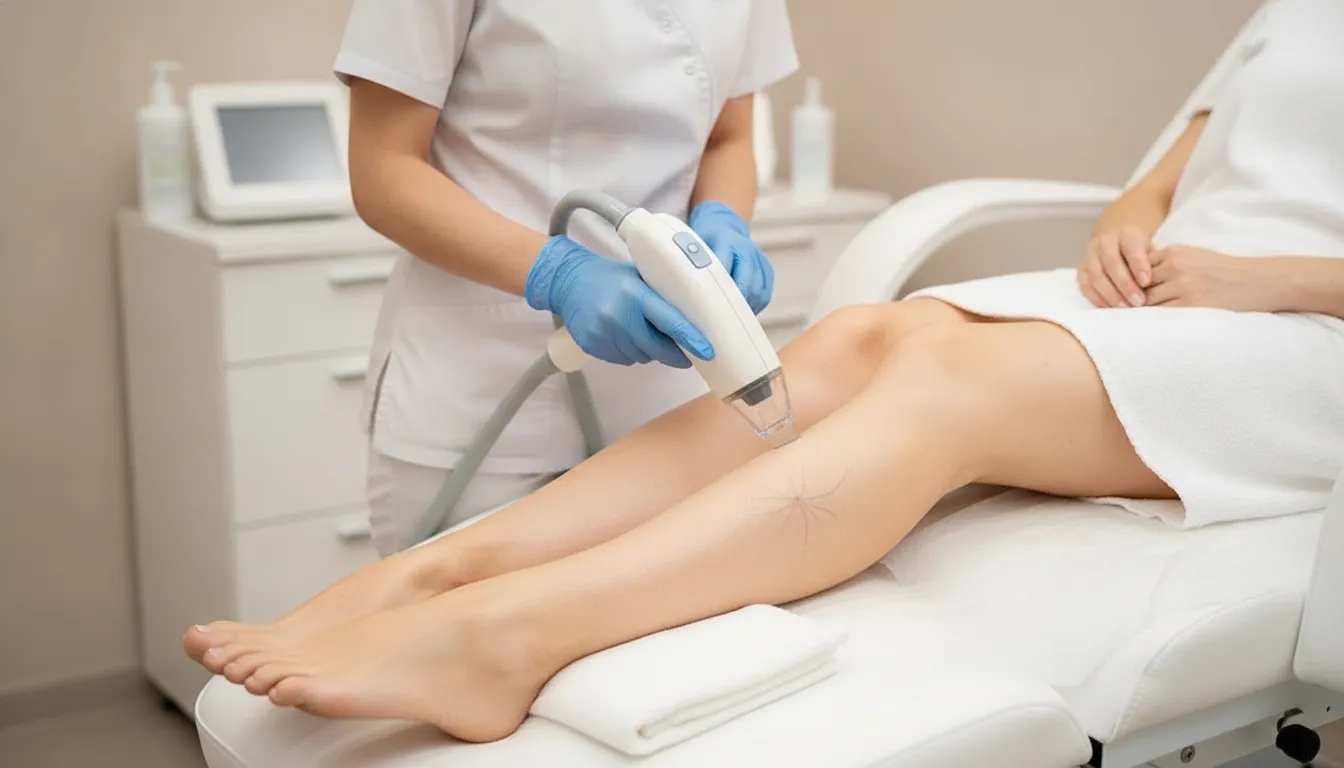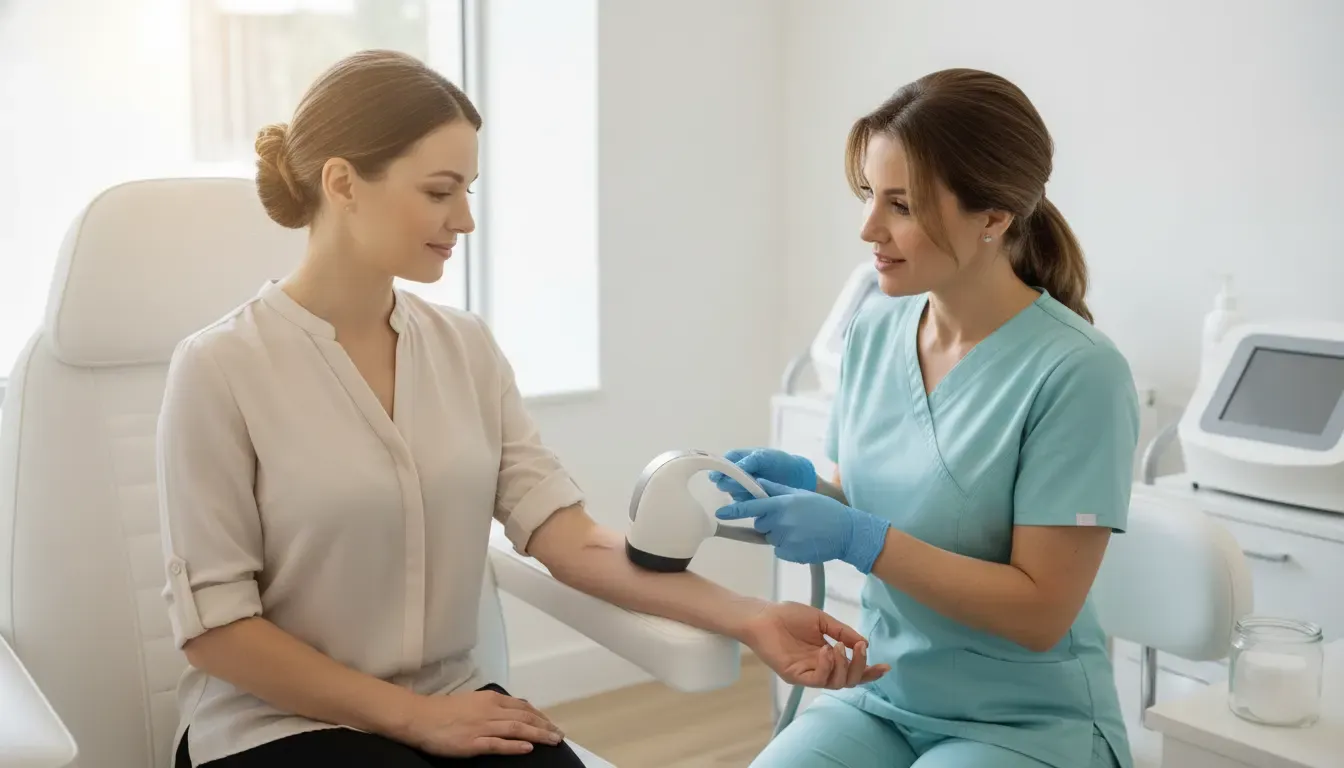
Choosing med spa treatments for darker skin tones is not just a question of what is popular. The right option depends on your concern, skin history, tendency toward pigment changes, treatment settings, and how much recovery time fits your schedule.
Options may include HydraFacial, SkinPen microneedling, selected VI Peels, eMatrix, photofacial, and laser services. Each works differently, and suitability cannot be inferred from a service name alone. Light, heat, exfoliation, treatment depth, recent sun exposure, and an individual’s history of discoloration all belong in the planning conversation.
At Ultimate Image MedSpa, treatment planning is personalized for DFW patients across Fitzpatrick skin types I through VI. This guide focuses on how people with melanin-rich skin can compare modalities, discuss pigment-related precautions, and prepare for an individualized consultation with a licensed professional.
What Can Med Spa Treatments Address in Darker Skin Tones?
Med spa treatments for darker skin tones may be selected to improve the look and feel of the skin, but there is no universal procedure for every concern or complexion. As the American Society of Plastic Surgeons explains, skin rejuvenation and resurfacing may involve laser and light treatments, chemical peels, and other techniques that address visible changes in skin appearance.
The right option depends on what you want to improve, your skin type, your tolerance for recovery, and your overall candidacy. A treatment designed to refresh dull skin may not be the best choice for acne-scar appearance or mild laxity. A professional assessment helps match the treatment intensity and technology to your specific concern instead of treating every goal the same way.
Texture and acne-scar appearance
Uneven texture can make skin look rough, weathered, or less reflective. Some treatments focus on exfoliating the surface, while others support a controlled skin-renewal response at deeper levels. These approaches may be considered for rough patches, enlarged-looking pores, fine lines, or the appearance of acne scars. SkinPen microneedling is one option offered by Ultimate Image MedSpa. The practice documents it as FDA-cleared and suitable for all skin types, including darker skin, for the appearance of acne scars and texture. Suitability still requires an individual evaluation.
Tone, pigment, and visible redness
Skin rejuvenation may also target uneven tone, sun-related discoloration, or the appearance of redness. Light-based treatments and selected peels can be part of a plan for these concerns, but pigment-related goals require careful assessment. Skin type, recent sun exposure, active skin conditions, and treatment settings can all affect how a person responds. The goal is a measured improvement in the appearance of tone, not a promise that every spot or area of redness will disappear.
Hydration and mild loss of firmness
Some treatments are chosen for a fresher, more hydrated appearance and smoother surface feel. Others may be considered when mild laxity or fine lines are part of the concern. These goals can overlap, but they do not always call for the same treatment. A plan may combine different services over time, or begin with a lower-intensity option before moving to a more targeted approach.
Ultimate Image MedSpa offers HydraFacial, SkinPen microneedling, VI chemical peels, photofacial treatments, eMatrix, and laser services. That range allows the discussion to focus on your needs rather than a one-size-fits-all menu.
If you are weighing surface exfoliation, hydration, or texture-focused options, start by comparing skin rejuvenation treatments by concern and recovery. The most useful next step is a candid conversation about your goals, skin history, and schedule so a qualified provider can recommend an appropriate path.
Which Treatment May Fit Your Concern and Skin Tone?
The most useful way to compare med spa treatments for darker skin tones is to start with the change you want to see. Then consider pigment history, intensity, recovery, skin condition, and how much planning your schedule allows. A treatment designed to refresh dull, dehydrated skin is not interchangeable with one selected for acne-scar texture, pigmentation, or more advanced resurfacing. The options below are a starting point for discussion, not a universal safety rating or ranking.
- Concern: Identify whether your priority is hydration, texture, acne-scar appearance, pigment, redness, fine lines, or firmness.
- Recovery: Compare minimal interruption with possible redness, sensitivity, flaking, or the 7 to 10 day peeling window documented for VI Peels.
- Candidacy: Share your skin history, recent sun exposure, active conditions, medications, and prior treatments before settings are selected.
| Treatment | Best suited concerns | Treatment intensity or planning profile | Questions to ask |
|---|---|---|---|
| HydraFacial | Dehydration, dullness, surface buildup, and a need for a refreshed appearance. | Non-invasive, multi-step cleansing, exfoliation, hydration, and serum delivery. Often considered when convenience and minimal interruption matter. | What does my skin need today? Which products or serums are appropriate for my sensitivity and goals? |
| SkinPen microneedling | Uneven texture, fine lines, and the appearance of acne scars. | Controlled micro-injuries stimulate the skin’s healing response. SkinPen is FDA-cleared and documented for all skin types, including darker skin, for acne-scar appearance and texture. | Am I a candidate based on my skin condition? How many sessions and what aftercare might my goals require? |
| VI Peel | Uneven tone, surface damage, and selected pigmentation or texture concerns. | A chemical peel removes damaged outer layers. UIMS provides a take-home care kit, and peeling commonly occurs over 7 to 10 days as customer-specific guidance. | What strength is appropriate? How should I plan around visible peeling, sun exposure, and other products? |
| Photofacial | Sun-related discoloration, hyperpigmentation, and uneven-looking tone. | Uses broad-spectrum light to target pigmented skin cells. Candidacy, settings, and sun exposure history should be reviewed before treatment. | Is my discoloration appropriate for light treatment? What pigment changes or precautions should I understand? |
| eMatrix | Texture irregularities and the appearance of scarring. | Sublative radiofrequency energy is used to support texture improvement. Planning depends on treatment area, concern severity, and the provider’s assessment. | How does this approach compare with microneedling or laser options for my texture concern? |
| Laser options | Selected concerns such as texture, firmness, fine lines, uneven color, or vascular changes, depending on the laser. | Laser treatments vary widely in energy, depth, and recovery. More aggressive resurfacing generally requires more recovery, while fractional approaches may use several sessions. | Which laser and settings fit my skin type? What recovery, sun precautions, and number of sessions should I plan for? |
HydraFacial may make sense when your priority is a clean, hydrated, polished look with little disruption. You can review the service details for HydraFacial before your appointment. Microneedling, eMatrix, and laser-based options may be considered when texture or scarring is the central concern, but their mechanisms and recovery profiles are different. A photofacial is more specifically focused on certain color concerns, while a VI Peel requires realistic planning for the peeling period.
Skin type is part of the decision, not an afterthought. UIMS serves people across Fitzpatrick skin types I through VI, but safe care still requires individualized assessment. Share your history of pigmentation changes, active skin conditions, medications, recent sun exposure, and prior procedures. Ask how the provider will adjust the plan, whether a series is appropriate, and what aftercare supports your goals. A consultation can help match the concern you want to address with a treatment intensity and schedule you can follow consistently.
How Do HydraFacial, SkinPen, and VI Peels Differ for Melanin-Rich Skin?
These three options approach skin concerns in different ways, so the right choice depends on what you want to improve and how your skin responds to treatment. A HydraFacial focuses on cleansing, exfoliation, extraction, and hydration. SkinPen microneedling uses controlled, fine needle channels to encourage a skin-repair response. A VI Peel uses a professional chemical formula to loosen damaged outer skin and support a smoother, more even appearance.
HydraFacial for hydration, congestion, and a refreshed appearance
HydraFacial is often considered when the main concerns are dullness, surface buildup, dehydration, or clogged pores. The treatment works at the skin’s surface and combines several steps in one session. It can be a useful option for someone who wants a fresh, polished look without choosing a more intensive resurfacing approach.
Because HydraFacial is centered on surface exfoliation and hydration, it may fit people preparing for an event or maintaining their skin between more targeted treatments. It does not address every concern equally, however. Deeper acne-scar texture, significant laxity, or more established pigment concerns may call for a different plan or a combination of services.
SkinPen microneedling for texture and acne-scar concerns
Microneedling creates precise micro-injuries in the skin. The body’s natural repair process can support the appearance of improved texture over time. At Ultimate Image MedSpa, FDA-cleared SkinPen microneedling is offered for concerns such as acne scars and uneven texture. Learn more about SkinPen microneedling to understand how the treatment is evaluated and planned.
This approach may be a stronger match than a surface-focused facial when texture is the primary concern. It is still not automatically the best option for every person. Skin condition, medical history, current products, and tolerance for post-treatment sensitivity all affect candidacy and settings.
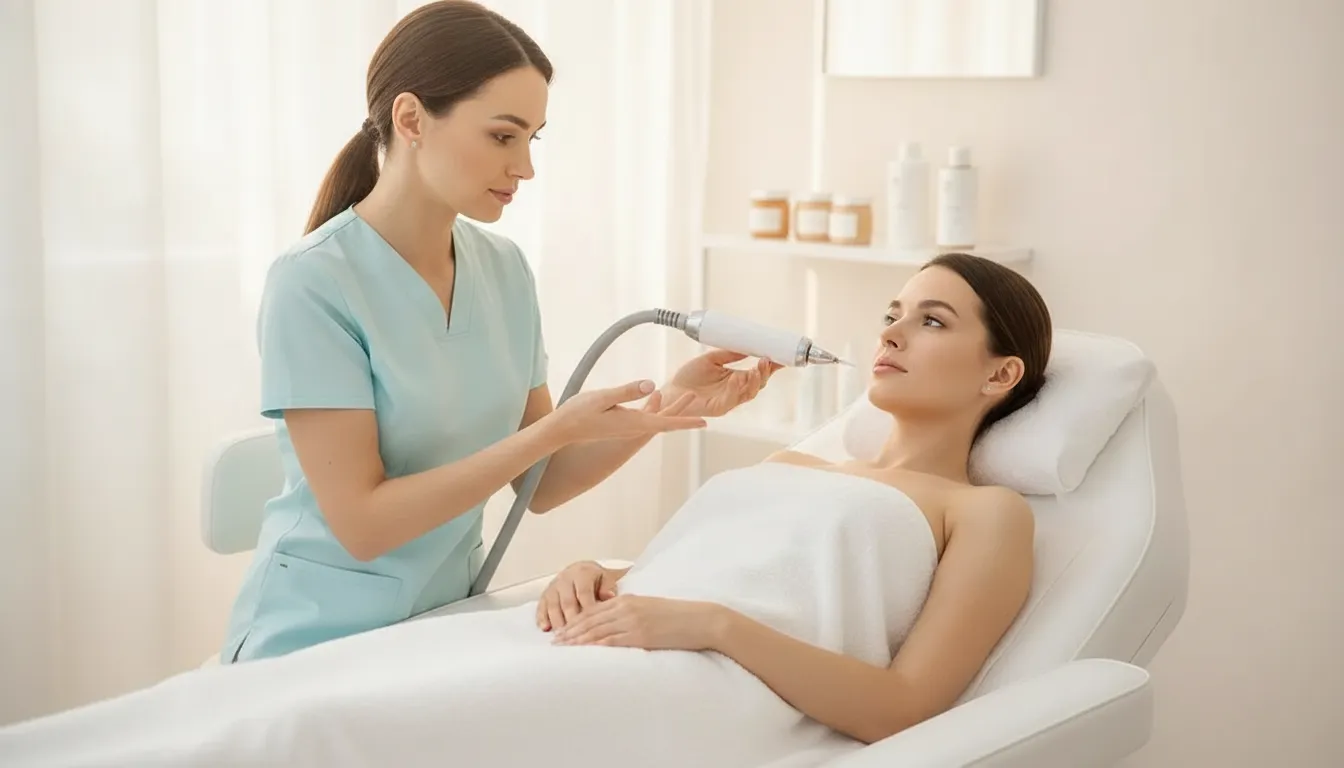
VI Peels for targeted exfoliation and tone concerns
VI Peels use a professional chemical peel formula to exfoliate the outer layers of skin. They may be considered for uneven tone, dullness, discoloration, and selected signs of photoaging. UIMS provides VI Peels with a take-home care kit, and peeling commonly occurs over approximately 7 to 10 days as customer-specific aftercare guidance. The timing and visible response can vary from person to person.
Choosing among med spa treatments for darker skin tones requires more than matching a symptom to a service name. A provider considers your concern, pigment history, skin type, recent sun exposure, active skin conditions, and desired downtime. UIMS serves clients across Fitzpatrick skin types I through VI and uses that assessment to guide treatment selection. A personalized consultation can help determine whether one treatment or a carefully planned combination is appropriate for your skin.
Bring your main concern, preferred recovery window, and treatment history to the appointment so your provider can discuss which option fits your goals and schedule.
Before choosing among med spa treatments for darker skin tones, write down your top concern, your preferred recovery window, any history of pigment changes, and any recent products or procedures. Bringing those details to your consultation helps the provider compare appropriate options efficiently.
How Much Downtime Should You Expect?
Downtime depends on the technique, the intensity of the treatment, your skin’s response, and the concern being addressed. A treatment designed to leave you looking refreshed may cause little visible interruption to your schedule. A stronger resurfacing treatment may involve redness, sensitivity, flaking, or peeling while the skin recovers. That difference matters when you are planning around work, travel, photographs, or an important event.
HydraFacial treatments are generally chosen by people who want a fresh, hydrated appearance without planning for a prolonged recovery period. Other options require more preparation and patience. Microneedling can leave the skin temporarily red or sensitive, while light-based treatments and laser services may produce short-term redness or sensitivity that varies by person and treatment settings. Chemical peels are also not all alike. Their recovery depends on the formulation and how deeply the treatment is intended to work.
Why recovery can look different from one person to another
Two people receiving the same service may not have identical aftercare needs or visible reactions. Skin sensitivity, recent sun exposure, the condition being treated, previous products or procedures, and the treatment intensity can all influence recovery. Your provider may also adjust the plan based on your skin type and how your skin has responded in the past.
For a broader clinical overview, the American Board of Cosmetic Surgery explains that recovery varies by resurfacing technique. Its general comparison places lighter treatments at one end of the recovery spectrum and more intensive laser procedures at the other. Those ranges are not a promise of what your recovery will be. They illustrate why a consultation is more useful than choosing a treatment based on a generic timeline.
What to know about VI Peel recovery
At Ultimate Image MedSpa, VI Peels include a take-home care kit to support the recovery process. UIMS guidance is that peeling commonly occurs over approximately 7 to 10 days. That is useful planning context, not a universal promise. The timing and amount of peeling can differ based on your skin and the specific treatment plan. So follow the instructions provided by your care team rather than trying to speed the process along.
Sun protection is an important part of responsible recovery after treatments that make skin more sensitive. Your provider will explain the aftercare that applies to your service, including what to use, what to pause, and when to resume your normal routine. Avoid picking or pulling at peeling skin, and contact the practice if your reaction seems unexpected or you are unsure how to respond.
When comparing treatments, ask not only how quickly you can return to your routine, but also what recovery and temporary pigment changes could look like day by day. A realistic plan should match your skin goals, history, schedule, tolerance for visible recovery, and the provider’s assessment of what is appropriate for you.
What Safety Questions Should People With Darker Skin Ask?
Skin tone alone does not determine whether someone is a candidate for a med spa treatment. The right choice depends on the specific modality, the condition of the skin, current medications, recent procedures, pigment history, and how much downtime is appropriate. A treatment that is well suited to one person may need different settings, additional preparation, or a different approach for someone else.
At Ultimate Image MedSpa, SkinPen microneedling is documented as FDA-cleared and suitable for all Fitzpatrick skin types I through VI, including darker skin. It is used to improve the appearance of acne scars and uneven texture. This inclusive candidacy information is important, but it does not mean every person should receive the same treatment or settings. A qualified provider still evaluates the skin in person and builds the plan around the individual.
What should you disclose before treatment?
Tell your provider about any active irritation, rash, open areas, cold sores, or suspected skin infection near the treatment area. Treatment may need to wait until the skin has healed. You should also disclose recent procedures, including injectables, peels, waxing, resurfacing, or other treatments that may affect the skin barrier. A complete medication and supplement history matters as well, particularly when a product may increase sensitivity, affect healing, or change the risk of bruising or pigment changes.
Sun exposure is another important consideration. Recently tanned or sunburned skin can be more reactive, and some light-based or resurfacing treatments require careful planning around sun exposure. Share your typical outdoor activities, tanning history, and current skincare products. Do not stop a prescribed medication based on general online advice. Instead, ask your provider whether the treatment should be adjusted or postponed.
Why pigment concerns deserve an individualized plan
People with darker skin tones can be good candidates for many professional treatments, but pigment response must still be considered. Certain lasers and light-based treatments may require conservative settings, specific preparation, or an alternative modality. Microneedling and laser resurfacing work differently, so understanding the distinction can help when choosing between microneedling and laser treatments.
A consultation is not a diagnosis, and an online article cannot determine candidacy. It is an opportunity to review your goals, examine your current skin condition, discuss risks and aftercare, and select a method that fits your skin type and tolerance. Follow the provider’s instructions before and after treatment, and report unexpected changes rather than trying to self-treat them.
How Do You Choose a DFW Provider for Melanin-Rich Skin?
The right plan begins with your skin goals, not with a single treatment name. A consultation gives a qualified provider the opportunity to assess your skin, discuss your health history, and explain which options may fit your concerns, schedule, and expectations. Use the process below to prepare for that conversation.
- Define your main concern. Start by identifying what you want to improve. You may be focused on uneven tone, sun-related pigmentation, acne scars, enlarged-looking pores, fine lines, rough texture, dullness, or a general loss of radiance. Try to separate your primary concern from secondary goals. If acne scarring is your main concern but you also want brighter skin, the plan may need to prioritize texture first and address tone as treatment progresses. HydraFacial, SkinPen microneedling, VI Peels, photofacial treatments, eMatrix, and laser services can serve different purposes, so a clear goal helps narrow the discussion.
- Disclose skin and health factors. Tell your provider about your skin history, recent sun exposure, active breakouts or irritation, cold sore history, allergies, medications, and previous cosmetic treatments. Mention any tendency toward prolonged discoloration or sensitivity. Skin assessment matters across Fitzpatrick skin types I through VI, including darker skin tones, because settings and treatment choices should be selected with your individual response in mind. Do not leave out a detail because it seems unrelated. Your provider needs the complete picture to determine candidacy and recommend an appropriate approach.
- Choose an intensity and downtime level. Discuss how much recovery you can realistically accommodate. A busy professional with an upcoming event may prefer a gentler option, while someone with more persistent texture concerns may consider a more intensive plan and schedule recovery time. Treatment time, visible response, and downtime vary by technique and by person. Choosing the strongest available option is not automatically the best decision. Your provider can explain tradeoffs, whether a series of sessions makes sense, and how the proposed treatment fits your skin condition and timeline.
- Plan aftercare and follow-up. Ask what you should do before and after treatment, including sun protection, product restrictions, cleansing, moisturizing, and when to resume active ingredients or exercise. Follow the specific instructions provided for your treatment rather than relying on general online advice. For example, UIMS notes that VI Peels include a take-home care kit and that peeling commonly occurs over 7 to 10 days. Your provider should also explain when to check in, how progress will be evaluated, and whether adjustments are appropriate.
Ultimate Image MedSpa has served the DFW area for nearly 15 years, with locations in Plano, Dallas, Lewisville, and Richardson. That local experience can make ongoing appointments more convenient, but the consultation remains the key step. It determines candidacy and turns a broad list of med spa treatments into a plan built around your skin tone, pigment history, goals, and comfort with recovery.
Frequently Asked Questions About Treatments for Darker Skin Tones
What is the best med spa treatment for darker skin?
There is no single best option for everyone. The right choice depends on whether your priority is hydration, uneven pigment, acne scarring, fine lines, texture, or firmness, along with your skin condition, pigment history, tolerance for downtime, and treatment history. A professional assessment can help match your goal with an appropriate option, such as HydraFacial, SkinPen microneedling, a chemical peel, eMatrix, or a carefully selected light or laser service.
Are chemical peels safe for darker skin tones?
Some people with darker skin tones may be candidates for a professional chemical peel, but the formula, strength, current skin condition, pigment history, preparation, and aftercare all matter. Ask the provider why a specific peel is appropriate for you and what steps reduce avoidable irritation.
Can darker skin tones receive light or laser treatments?
People with darker skin tones can be candidates for selected light or laser treatments, but the device, wavelength, settings, target, recent sun exposure, and provider experience require individualized review. Ask which technology will be used, how settings are selected for your skin, and whether another modality would carry fewer pigment-related tradeoffs.
What is the most effective skin resurfacing treatment?
Effectiveness depends on the concern and the intensity you can comfortably accommodate. More intensive treatment is not automatically better, especially when skin type, active conditions, sun exposure, or recovery needs affect candidacy. Discuss your goals and medical history with a qualified provider so the treatment, settings, and aftercare can be selected safely.
Ready to Discuss Treatments for Your Skin Tone?
Choosing among med spa treatments for darker skin tones can feel easier when your goals, pigment history, skin condition, and preferred downtime are considered together. A consultation gives you space to discuss your priorities and compare appropriate options with a personalized plan.