Laser hair removal is not a one-size-fits-all appointment. Your skin tone, treatment area, hair pattern, and current health information all help a licensed professional decide whether treatment is appropriate and how to plan it safely.
Someone asking who is a candidate for laser hair removal should bring relevant health and treatment information to a consultation. At Ultimate Image MedSpa, the team can assess your individual situation, discuss the areas you want treated, and explain what permanent hair reduction may realistically involve with the Candela GentleMax Pro.
For a Plano consultation, be ready to discuss the area you want to treat, any products or treatments currently affecting that area, and questions about your goals. Candidacy means understanding your starting point and creating a plan around it, not assuming that every reader will have the same response.
Who is a candidate for laser hair removal?
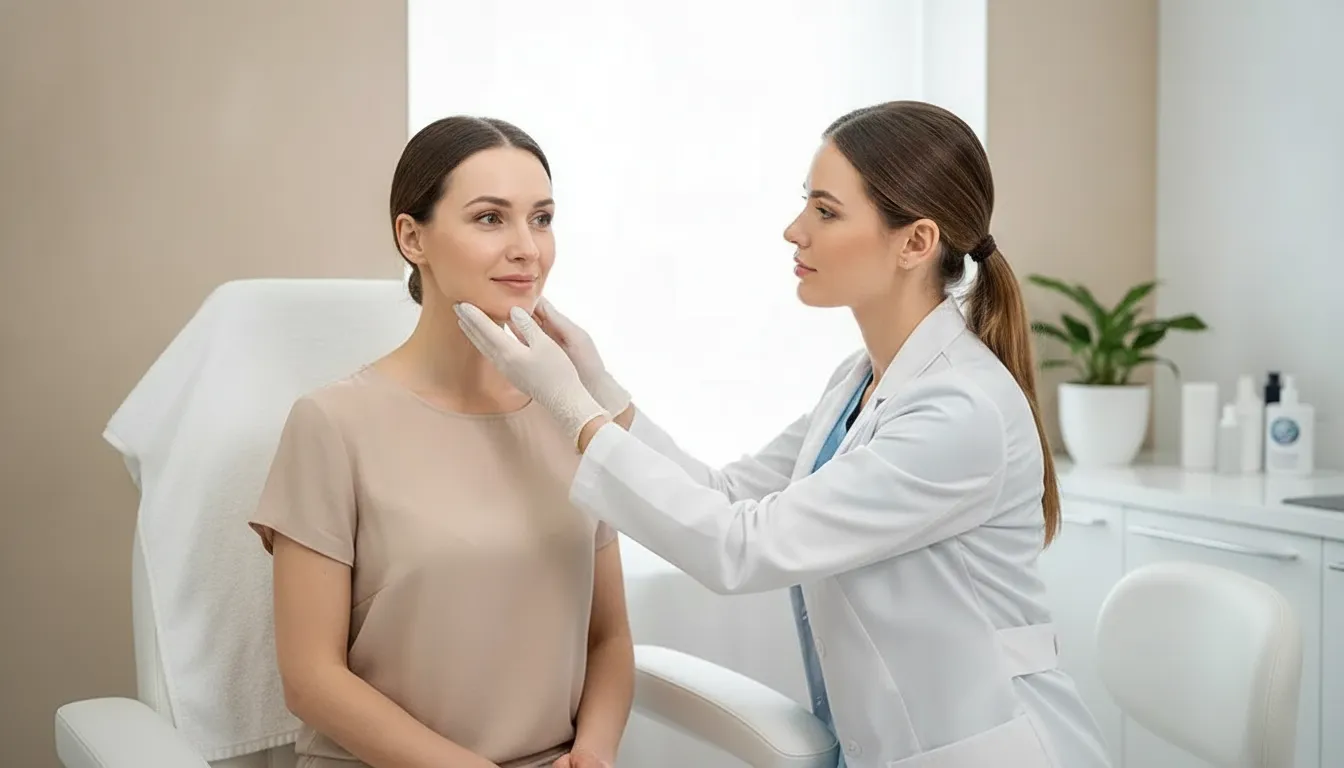
Candidacy is a screening decision made in person. It is not a yes or no from an online quiz, and it is not the same as a list of side effects. The question is whether a licensed professional can plan treatment for your skin, your hair, and the area you want treated.
Laser hair removal works by aiming light at the pigment in the hair, called melanin. The light turns into heat at the follicle. The Mayo Clinic overview of laser hair removal explains that hair color and skin color both affect how well that happens. Darker hair usually gives the laser more pigment to target. Lighter hair gives it less.
That contrast still matters, but it does not mean only pale skin can be assessed. Ultimate Image MedSpa uses the Candela GentleMax Pro, a dual-wavelength system with 755 nm Alexandrite and 1064 nm Nd:YAG. During a consultation, the team reviews skin type, hair characteristics, the treatment area, medical history, medications, and recent sun exposure before settings are chosen. The practice evaluates Fitzpatrick skin types I through VI after that visit, rather than turning people away from a skin-tone label alone.
A good candidate conversation also covers expectations. Laser hair removal is planned as long-term hair reduction, not a promise that every hair is gone forever. Many plans need a series of visits because the laser treats hairs in the active growth phase. And not every follicle is in that phase on the same day. If you want the planning detail, read how to plan laser hair removal sessions. This article stays on the screening step that comes first.
Bring the facts. Leave the setting choice to the person who can see your skin.
How do skin tone and hair color change the plan?
Skin and hair are the first screening facts because the laser is attracted to pigment. The same device can be a poor match or a reasonable match depending on what the provider sees that day.
Dark, coarse hair usually responds better than hair with very little pigment. Mayo Clinic notes that blonde, white, gray, and red hair respond less well, because there is not enough of the pigment the laser is built to heat. If your hair in the treatment area is very light, say so at the consult. A provider can tell you whether laser reduction is realistic there, instead of starting a series that is unlikely to help.
Skin tone changes which wavelength is even worth discussing. Candela’s Gentle Pro family includes GentleMax Pro. It uses 755 nm Alexandrite where lighter skin can tolerate stronger melanin absorption. The 1064 nm Nd:YAG is the longer wavelength described for darker skin and coarser hair. Ultimate Image MedSpa pairs that platform with Dynamic Cryogen Device cooling, a short cryogen spray meant to protect the skin surface during the pulse. Cooling is a comfort and safety feature. It is not a substitute for an assessment.

A recent tan or sunburn is its own fact. Tanned skin has more pigment in the surface, so the laser has a harder time telling hair from skin. Be candid if you have been outdoors, used a tanning bed, or applied a sunless tanner. Waiting is sometimes the safer plan.
The Plano team makes that call during professional laser hair removal consultations, using the same Candela GentleMax Pro service described on the laser hair removal treatment page. A device name does not decide candidacy. The visit does.
People often arrive with a rule they read somewhere else: only fair skin and dark hair qualify. That rule is outdated for a clinic that can choose between two wavelengths, and it is also incomplete. Fair skin with dark hair can be easier to plan. It is not the only combination the team will look at. Medium and deeper skin tones are assessed too, with settings chosen for that skin rather than borrowed from a lighter-skin protocol.
Hair on one part of the body can differ from hair on another. A person may have coarse dark hair on the underarms and finer, lighter hair on the face. Candidacy is allowed to differ by area. Ask about each area separately instead of assuming one answer covers all of them.
If you pluck, wax, or thread, pause that on the area you hope to treat and say when you last removed hair from the root. The follicle has to be present for the laser to target it. Shaving is different, because it leaves the root in place. Follow the timing the clinic gives you rather than a guess from a friend.
| Screening fact | Why it changes the plan | What to tell the team |
|---|---|---|
| Hair color and coarseness | The laser targets pigment. Very light hair may not respond well. | Whether hair in that area is dark, red, blonde, gray, or white, and whether it is fine or coarse. |
| Recent tan or sunburn | Extra pigment in the skin can make treatment harder to plan safely. | Any outdoor exposure, tanning bed, or sunless tanner since your last visit, including a burn. |
| Skin tone | Wavelength and settings are matched to skin, not copied from another person. | Your usual skin color and whether this area is darker than the rest of you. |
| Treatment area | Hair depth, density, and sensitivity differ by location. | The exact area, including spots you want left alone. |
Which health details should you bring to the consultation?
The American Academy of Dermatology tells patients to gather health facts before a laser hair removal consult, because the exam is about more than hair color. Share the list below even if a detail feels minor. Do not stop or change a medicine on your own while you wait for the visit.
- Say if your skin tends to scar, or if you have ever formed a keloid, the raised scar that grows past the original injury. That history changes how carefully a provider approaches heat on the skin.
- Mention a recent tan, as the preparation guidance asks, and any sunburn that is still healing.
- Tell the team if you get cold sores or genital herpes outbreaks. A history of either can matter for the area being treated, and the provider should hear it before a date is set.
- List isotretinoin if you take it or recently took it for severe acne, plus every other medicine. Include prescriptions and anything you buy without one, such as aspirin. Topical products on the treatment area belong on the same list.
- Add prior procedures on that skin, including peels, microneedling, or another laser, and the date of the last one.
- Name the exact area and what you want from it. “Less shaving” and “as much reduction as this hair can give” are different goals.
You can read the academy’s own list on its laser hair removal preparation page. Ultimate Image MedSpa’s consult covers the same kind of ground: medical history, medications. The treatment area, and recent sun exposure, then a decision about whether treatment should be planned.
Write the list down before you arrive. A phone note is enough. Include the dose only if you know it, and the month you started or stopped a medicine if you remember it. If you are unsure whether a cream counts, name the cream. The person reviewing your skin would rather hear an extra product than discover it after a pulse.
One more health fact is easy to mix up with candidacy. If extra hair is tied to a hormone condition, laser treatment can reduce the hair that is already there. But it does not treat the cause, and new hair may keep growing. Mayo Clinic makes that distinction for hormone-related hair growth. If that is your situation, the practice’s guide to laser hair removal for PCOS is the place for that question. Bring it up in the consult either way.
Which areas and timing questions belong in the same visit?
The body area is part of candidacy, not a detail to add later. Ultimate Image MedSpa can evaluate laser hair removal for the face, including the upper lip. Chin, jawline, and sideburns, and for underarms, the bikini line, arms, shoulders, legs, chest, and back. Hair density and how the skin feels differ across those spots, so a plan for underarms is not a plan for the full back.
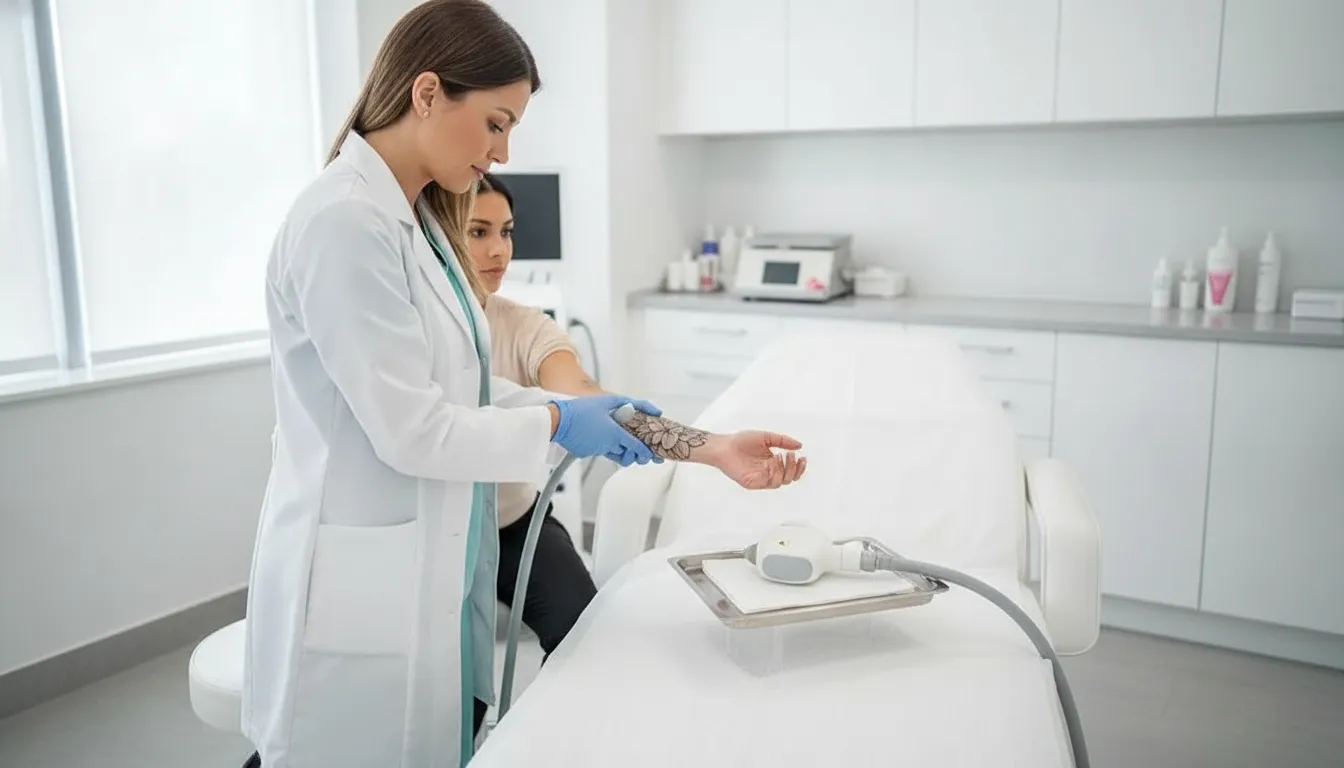
Some areas are a poor fit for this treatment. Mayo Clinic says laser hair removal should not be used on the eyelids, eyebrows, or the skin around the eyes, or on skin that has a tattoo. If a tattoo sits inside the area you want cleared, point to it on a photo or in person. The provider needs to see the border.
Timing belongs in the same conversation. On the service page, a small area may take about 15 minutes and full legs about 60 minutes. That is a scheduling range, not a promise for your visit. Ask how long your area is likely to take, and whether a recent tan means the date should move.

Before the appointment, follow sun guidance rather than guessing. The American Academy of Dermatology says not to tan, outdoors or indoors, and not to use sunless tanners. Protect skin with a broad-spectrum, water-resistant sunscreen of SPF 30 or higher on days you go outside. If a tan happened anyway, say so. The clinic’s written steps live on the pre and post treatment page. That page is the right place for aftercare once a plan exists.
Comfort is a fair question, and it has its own answer. Read whether laser hair removal is painful if sensation is what you are unsure about. Then bring the remaining questions to the visit:
- Is laser a realistic option for this hair color on this area?
- Does my skin, tan, or medicine list mean we should wait?
- Which areas will you treat, and which will you leave alone?
- Who performs the treatment, and what should I avoid beforehand?
Area guides, such as what to expect with laser hair removal on the hands, can help you form those questions. They do not replace the screening.
Men and women ask about different areas, and both can be screened. Beard, chest, and back hair raise different density questions than an upper lip or a bikini line. If you want the men’s overview before you book, read the practice’s laser hair removal for men guide, then bring the area you actually care about to the consult. A guide can suggest the question. It cannot clear you for treatment.
Photos help when you cannot point at the area easily. A clear picture in ordinary indoor light, without a filter, is enough. Mark the edges if you are unsure where you want the treatment to stop. Also note any mole, tattoo, or scar inside that border so it is not a surprise on the day.
How does a Plano consultation turn those facts into a plan?
The screening only becomes a plan when someone can look at your skin. At Ultimate Image MedSpa, that visit is free. The Plano office is at 4674 McDermott Rd, Suite 309, Plano, TX 75024. The practice also sees people in Dallas, Richardson, and Lewisville, and it has served the Dallas-Fort Worth area for nearly 15 years.
You do not need a perfect file before you call. You do need an honest one. Bring the area you want treated, your hair color there, any recent sun or self-tanner. Medicines and topical products, scar or cold-sore history, and prior treatments on that skin. The team uses those notes, plus what they see, to decide whether Candela GentleMax Pro settings can be chosen for you. Wavelength, energy, and cooling are set after that review, not from a chart in an article.
If you want a short picture of who you will be talking with, the Ultimate Image MedSpa team page lists the Plano laser technicians and client coordinator. The consult itself is still the medical conversation. A biography cannot tell you that you are a candidate.
Results vary. Hair reduction depends on pigment, the area, the device settings, and how closely you follow the plan you are given. This article is general education, not a personal medical decision. If laser is not a fit for the hair or the timing, a straightforward no is a useful outcome.
When you are ready to go through the list in person, request a visit and say you want the Plano office if that is the location you prefer. You can also call the practice at (972) 800-2127. Tell them you want to find out whether laser hair removal makes sense for your skin before any series is booked.
A consult is still useful if the answer is wait. Recent sun, a new medicine, or a healing treatment on the same skin are ordinary reasons to move a date. Leaving with a clear reason is better than starting and hoping the settings can be fixed afterward.
Book a consultation to review your candidacy
Bring your notes on skin, hair color, medicines, and recent sun exposure. The Plano team can tell you whether laser hair removal is a fit and what a plan would involve.
Frequently Asked Questions
Can an online quiz tell me if I am a candidate?
No. A quiz cannot see your skin, your tan, or your medicine list. Candidacy at Ultimate Image MedSpa is decided in a consultation after the team reviews skin type, hair, the treatment area, medical history, medications, and recent sun exposure.
Does blonde, gray, or red hair rule laser hair removal out?
It often responds less well. The laser targets pigment, and blonde, white, gray, and red hair have less of the pigment that absorbs the energy. Bring the actual color of the hair you want treated and let the provider say whether reduction is realistic.
Can darker skin still be assessed for laser hair removal?
Yes. Ultimate Image MedSpa evaluates Fitzpatrick skin types I through VI with the Candela GentleMax Pro, which offers 755 nm Alexandrite and 1064 nm Nd:YAG. Darker skin needs the right wavelength and settings, chosen in person, not a blanket exclusion.
Should I stop isotretinoin or other medicine before I ask?
Do not stop a medicine on your own. Tell the team if you take or recently took isotretinoin, and list every other prescription and over-the-counter medicine, including aspirin. The provider decides how that history affects timing.
What if I only want one small area, such as the upper lip?
Small areas can still be screened. Name the exact spot, including any tattoo, mole, or area you want left alone. Eyelids and eyebrows are not treatment areas for laser hair removal.