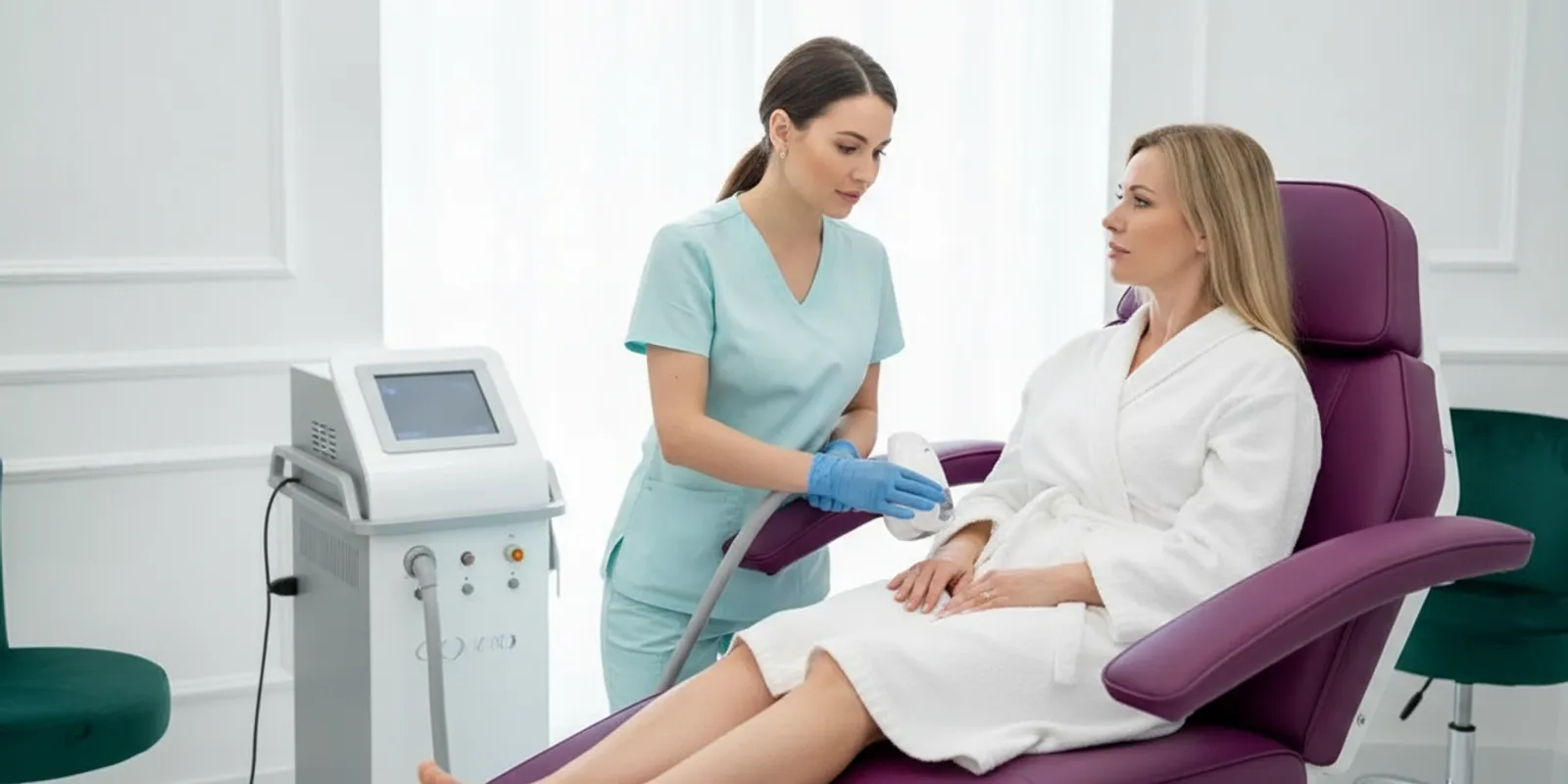

Microneedling and Chemical Peel Together: Can You Combine Them?
If you are trying to improve acne scars, uneven texture, fine lines, or stubborn discoloration, you may be wondering whether microneedling and chemical peel together can produce better results than either treatment alone. The short answer is yes, these treatments can complement each other when they are planned correctly, but timing, skin type, peel strength, and professional supervision matter.
Ready to build a skin rejuvenation plan that fits your skin? Schedule a consultation with Ultimate Image MedSpa at one of our DFW locations.
Microneedling and chemical peels both trigger skin renewal, but they work in different ways. Microneedling uses controlled micro-injuries to encourage collagen and elastin production below the surface. A chemical peel exfoliates the outer layers of skin to improve tone, clarity, and texture. When used in the right sequence, the two treatments can address both surface-level concerns and deeper textural changes.
At Ultimate Image MedSpa, skin rejuvenation plans are customized around your goals, skin history, downtime tolerance, and treatment area. That matters because combining treatments is not about doing more in one appointment. It is about choosing the safest order and spacing so your skin has time to respond, repair, and improve.
Quick Answer: Can You Do Microneedling and a Chemical Peel Together?
Yes, many clients can combine microneedling and a chemical peel as part of the same overall treatment plan. In most cases, the treatments are alternated over several weeks rather than performed aggressively on the same day. A common approach is to space sessions about four to six weeks apart, depending on the depth of treatment, your skin sensitivity, and your provider’s recommendation.
Some lighter peel and microneedling combinations may be appropriate closer together for selected clients, but this should only be decided after a professional skin evaluation. Both treatments create controlled inflammation. Stacking them too aggressively can increase irritation, dryness, post-inflammatory hyperpigmentation, or delayed healing, especially if you have active acne, recent sun exposure, melasma, or sensitive skin.
The best candidates are usually people looking to improve several related concerns at once, such as acne scars plus discoloration, rough texture plus dullness, or early fine lines plus uneven tone. If your main goal is a quick glow with no downtime, a lighter option such as HydraFacial may be a better starting point.
How Microneedling Works
Microneedling, also called collagen induction therapy, creates tiny controlled channels in the skin. These micro-channels stimulate the body’s natural wound-healing process, which can increase collagen and elastin over time. At Ultimate Image MedSpa, SkinPen microneedling is used to support smoother texture, healthier-looking skin, and improvement in concerns such as acne scars and fine lines.
The treatment is minimally invasive, and a topical numbing cream is typically used for comfort. Many clients notice pinkness or mild inflammation for 24 to 48 hours, similar to a mild sunburn. The most visible improvement usually develops gradually as collagen remodels in the weeks after treatment. For many skin goals, a series of three to six treatments spaced four to six weeks apart may be recommended.
Microneedling is especially useful when the concern sits deeper than the surface. Pitted acne scars, rough texture, enlarged-looking pores, and early laxity often need collagen support, not just exfoliation. That is where microneedling can be a strong foundation treatment.
How Chemical Peels Work
A professional chemical peel uses a controlled exfoliating solution to remove damaged outer layers of skin. This process can help brighten dull tone, smooth roughness, reduce the look of discoloration, and support clearer-looking skin. The type and strength of peel determine how much peeling, redness, and downtime you can expect.
Ultimate Image MedSpa offers the VI Peel collection, which includes different formulations for first-time clients, aging skin, sun damage, melasma, acne, oily skin, and acne with hyperpigmentation. VI Peels include a take-home aftercare kit and typically involve visible peeling over several days.
Peels are best for concerns that live closer to the surface, including dullness, uneven tone, clogged pores, and certain types of discoloration. For clients comparing treatment options, our guide to HydraFacial vs. microneedling vs. chemical peel explains how each treatment fits into a skin plan.
Why Combining Them Can Improve Results
The reason microneedling and chemical peel together can be effective is that they address different layers of the skin. Microneedling encourages renewal in the dermis, where collagen and elastin support texture and firmness. A peel works more at the surface, helping shed dull, damaged cells and improve visible tone.
When both are used thoughtfully, the combination may help with:
- Acne scars: Microneedling supports collagen remodeling while a peel can help improve discoloration left behind by breakouts.
- Uneven texture: Microneedling targets roughness and shallow scarring, while a peel smooths the skin surface.
- Hyperpigmentation: Peels can address surface discoloration, while microneedling may help overall skin quality when used safely.
- Fine lines: Microneedling supports collagen, and peels can brighten and refresh the outer layer of the skin.
- Dull tone: The combination can create a more refreshed look than exfoliation alone.
The goal is not to make the skin peel more or feel more irritated. The goal is to build a progressive plan that gives the skin enough stimulus to renew without overwhelming the barrier.
Should You Do Microneedling Before or After a Chemical Peel?
For many clients, the safest sequence is to alternate treatments, allowing the skin to heal between appointments. Whether microneedling comes before or after a chemical peel depends on your skin concern.
If acne scars or textural irregularities are the main concern, your provider may prioritize microneedling first to begin collagen stimulation. If congestion, dullness, or pigmentation is the bigger concern, a peel may be used first to improve the surface and prepare the skin for later collagen-focused treatments.
For stubborn pigmentation or acne-related discoloration, many treatment plans alternate microneedling and peel sessions. This can be helpful because pigment concerns need careful pacing. Too much inflammation too quickly can make discoloration worse, especially in darker skin tones or skin that tans easily.
Want help choosing the right order? Book a professional skin consultation so our team can evaluate your skin and recommend a safe sequence.
Can They Be Done on the Same Day?
Sometimes, but same-day treatment is not right for everyone. A provider may consider a conservative same-day approach only when the peel is appropriately selected, the skin barrier is healthy, and the client has no major risk factors. For many people, spacing treatments apart is the better option.
Same-day or close-together treatment may not be appropriate if you have:
- Active acne, open lesions, or a skin infection in the treatment area
- Recent sun exposure, tanning, or sunburn
- Very sensitive or reactive skin
- A history of post-inflammatory hyperpigmentation
- Recent use of retinoids, exfoliating acids, or certain acne medications
- A tendency toward keloid scarring
- Pregnancy or nursing
A safer plan often produces better long-term results than an overly aggressive one. If your skin needs both collagen stimulation and pigment correction, your provider can map out a series that treats each concern at the right time.
Best Skin Concerns for This Combination
Combining microneedling and a chemical peel is most useful when your skin concern has both a textural component and a tone component. Here is how that looks in real life.
Acne Scars and Post-Acne Marks
Acne scars and post-acne marks are different problems, but they often appear together. Pitted or indented scars come from collagen changes below the surface. Red, brown, or purple marks come from inflammation and pigment changes closer to the surface. Microneedling can support collagen remodeling, while a peel can help improve the look of lingering discoloration.
Melasma and Sun Damage
Discoloration concerns require a cautious, customized approach. Certain peels are designed to target pigmentation, but heat, inflammation, and sun exposure can worsen pigment in some skin types. If melasma or sun damage is part of your concern, professional guidance is especially important.
Fine Lines and Early Aging
Microneedling can support collagen production, while a peel can improve brightness and smoothness at the surface. Together, they may help skin look fresher, smoother, and more even over time. For deeper wrinkles or more advanced laxity, your provider may recommend combining this plan with other skin rejuvenation options.
Rough Texture and Enlarged-Looking Pores
Texture concerns often need more than one approach. A peel can refine the outer layer of the skin, while microneedling can help improve the underlying support structure. This combination can be especially helpful when skin feels dull, bumpy, or uneven despite a consistent home routine.
What Results Can You Expect?
Results are gradual. A chemical peel may create a visible glow once peeling is complete, often within one to two weeks depending on the peel. Microneedling results tend to build more slowly because collagen remodeling takes time. Many people notice smoother, healthier-looking skin within a few weeks, with continued improvement over several months.
The number of sessions depends on your starting point and goals. Mild dullness or uneven tone may improve with fewer visits. Acne scars, stubborn pigmentation, or deeper texture changes usually require a series. Your provider may recommend three to six microneedling sessions, two to four peels per year, or an alternating schedule tailored to your skin.
No professional treatment can guarantee perfect skin, and results vary from person to person. The most predictable outcomes come from consistency, sun protection, proper aftercare, and realistic expectations.
Downtime and Recovery Timeline
Downtime depends on the treatment strength and your skin’s sensitivity. Microneedling commonly causes pinkness, warmth, and mild inflammation for 24 to 48 hours. A VI Peel usually involves a peeling process over several days, and many clients plan around social events because visible flaking can occur.
If the treatments are alternated, your provider will give you aftercare instructions for each visit. In general, you should expect to:
- Avoid direct sun exposure and tanning before and after treatment
- Pause retinoids, exfoliating acids, and harsh scrubs as directed
- Use gentle cleanser, moisturizer, and sunscreen
- Avoid picking or pulling at peeling skin
- Delay intense exercise, saunas, and heat exposure for the recommended period
- Follow the take-home peel kit instructions exactly when a VI Peel is used
For a deeper look at recovery, see our guides to microneedling recovery time and chemical peel results day by day.
Who Should Avoid Combining Treatments?
Combining treatments is not the right first step for every client. You may need to postpone or modify treatment if your skin barrier is compromised, you have active irritation, or you recently had another cosmetic procedure. You should also tell your provider about medications, allergies, pregnancy or nursing, cold sore history, isotretinoin use, and any history of abnormal scarring.
Clients with darker skin tones can still be candidates for microneedling and peels, but the plan should be conservative and pigment-aware. The wrong peel strength, poor timing, or inadequate sun protection can increase the risk of dark spots. A professional consultation helps reduce those risks.
How Ultimate Image MedSpa Builds a Combination Plan
Ultimate Image MedSpa has served the Dallas-Fort Worth community for nearly 15 years with advanced aesthetic treatments, licensed professionals, and medical-grade technology. For combination skin rejuvenation, the process starts with a consultation, not a one-size-fits-all package.
Your provider may evaluate:
- Your main concern, such as acne scars, pigmentation, fine lines, or dullness
- Your Fitzpatrick skin type and pigmentation risk
- Your current skincare routine and active ingredients
- Your history with peels, microneedling, lasers, or acne medication
- Your available downtime
- Your event schedule and sun exposure habits
From there, the plan may include SkinPen microneedling, a VI Peel formulation, HydraFacial maintenance, or other skin rejuvenation treatments. The safest plan is the one that matches your skin, not the one that sounds most aggressive.
If you are in Dallas, Plano, Richardson, Lewisville, or nearby DFW areas, contact Ultimate Image MedSpa to create a personalized microneedling and chemical peel plan.
Microneedling and Chemical Peel Together: FAQ
How long should I wait between microneedling and a chemical peel?
Many plans space treatments about four to six weeks apart, but the right timing depends on peel strength, microneedling depth, skin sensitivity, and your provider’s guidance. Do not schedule treatments close together without a professional recommendation.
Is microneedling or a chemical peel better for acne scars?
Microneedling is often better for indented acne scars because it supports collagen remodeling. Chemical peels are often better for discoloration and surface texture. If you have both pitted scars and post-acne marks, a combination plan may be more effective than choosing only one.
Can I use retinol before or after these treatments?
You will usually need to pause retinol, exfoliating acids, and other active ingredients before and after treatment. Your provider will tell you exactly when to stop and restart based on your skin and the treatment plan.
Will combining treatments make me peel more?
Not necessarily. Peeling depends on the type of chemical peel used, your skin, and your aftercare. More peeling does not always mean better results. Controlled, well-timed treatment is more important than visible shedding.
Is the combination safe for darker skin tones?
It can be, but the plan should be customized to reduce the risk of post-inflammatory hyperpigmentation. Conservative timing, careful peel selection, and strict sun protection are especially important.
The Bottom Line
Microneedling and chemical peel together can be a smart approach for clients who want to improve texture, acne scars, discoloration, fine lines, and dullness. The key is not simply combining treatments. The key is combining them safely, in the right order, with enough recovery time between sessions.
If you want smoother, brighter, healthier-looking skin, start with a professional consultation. Ultimate Image MedSpa can help you decide whether SkinPen microneedling, a VI Peel, HydraFacial, or a customized combination plan is the right fit for your goals.