
Stubborn marks that linger after a breakout can feel like a permanent reminder of past skin struggles. For many in the DFW area, these scars affect confidence and skin health every single day. You deserve a clear plan that helps you feel comfortable and proud of your skin again.
Book a consultation to discuss your acne scar treatment options with our licensed professionals at Ultimate Image MedSpa.
Effective acne scar treatment usually begins with an expert check because no single approach works for every skin concern. According to the Mayo Clinic, the right option depends on your scar type, skin tone, and how deep the damage goes. Modern tools like FDA-cleared microneedling, medical peels, and radio frequency resurfacing may help improve texture and fade dark spots. Most people see the best results when they combine methods tailored to their unique needs.
What Causes Different Acne Scar Types?
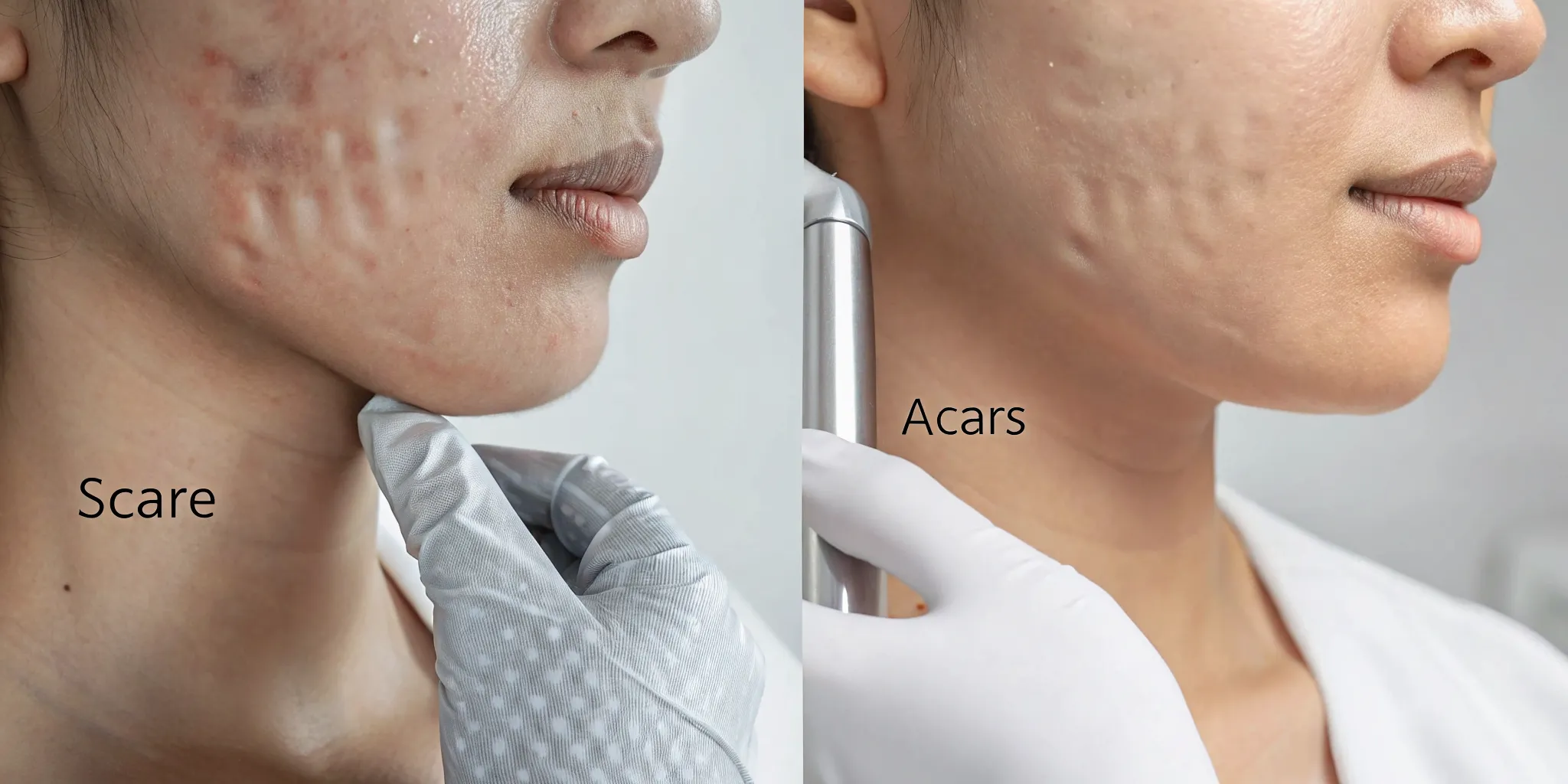
Acne scars form when the skin’s healing process goes wrong after a breakout. Indented scars occur when the body produces too little collagen, leaving pits or depressions. Raised scars happen when it produces too much collagen, creating thick tissue. The specific shape and depth of your scars determine which treatments will work best for your skin.
About 80 percent of people between the ages of 11 and 30 have had some form of acne according to Cleveland Clinic. While many breakouts clear up on their own, they often leave behind marks that do not fade easily. Knowing your scar type is the first step toward the right acne scar treatment plan.
Atrophic scars and indentations
Most people with acne scarring have atrophic scars, which occur when the body does not produce enough collagen during healing. This leaves a small pit or dip in the skin. Ice pick scars are narrow, deep holes that look like a tiny puncture mark on the surface. These are often the hardest to treat because they extend deep into the skin layers. Boxcar scars are wider indentations with sharp, steep edges, commonly found on the lower cheeks or jaw where skin is thicker. Rolling scars are shallow dips that create a wavy, uneven look across the face, caused by fibrous bands pulling the skin downward.
Raised scars and preparation for treatment
Some people develop raised marks, also called hypertrophic scars, when the body produces too much collagen during healing. These are more common on the chest or back. Because every skin type reacts differently, a good acne scar treatment plan depends on your skin type and how deep the marks go, as noted by the Mayo Clinic.
Before treating any scar type, active breakouts must be cleared first. The Mayo Clinic states that the red, swollen phase of acne needs to be resolved before working on scars. Treating active acne alongside scar therapy can cause more harm than good, potentially creating new scars while trying to fix old ones. Our team helps people from Plano to Dallas get the smooth look they want using tools safe for all skin types.
How Does Microneedling Treat Acne Scars?
Microneedling works by creating tiny controlled injuries in the skin using fine, sterile needles. This triggers the body’s natural healing response, stimulating collagen and elastin production deep in the dermis. Over time, the new tissue fills in depressed scars, improving skin texture without using heat or harsh chemicals.
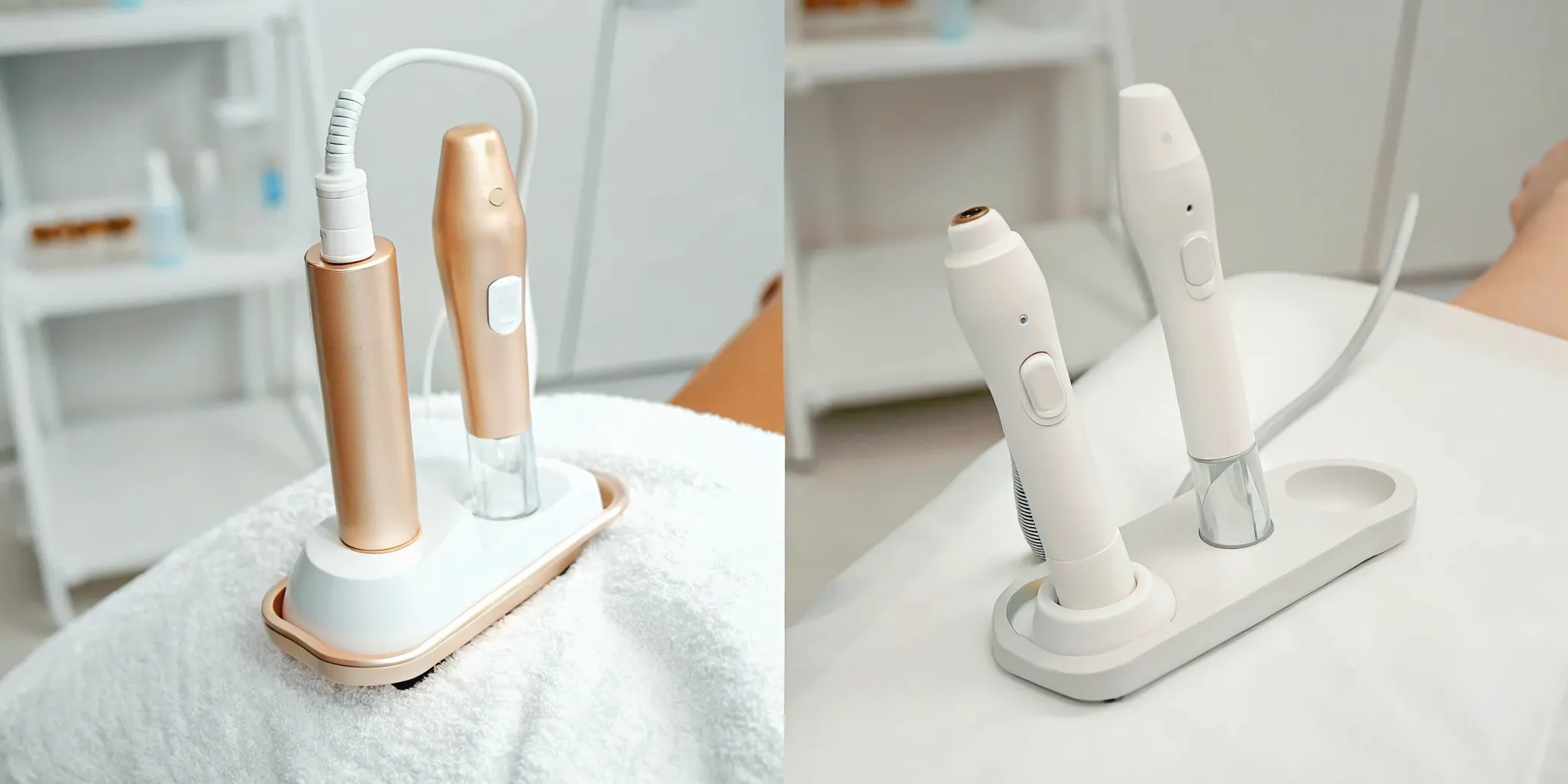
Microneedling, also called collagen induction therapy, is a top choice for treating acne scars. At Ultimate Image MedSpa, we use the SkinPen device, the first tool of its kind to receive FDA clearance for treating acne scars. It is safe for all Fitzpatrick skin types I through VI, making it a strong option for people with light or dark skin. The treatment does not use heat or strong chemicals, which means less risk of pigmentation changes compared to some laser treatments.
How the micro-injury process works
The treatment uses sterile needles to create micro-injuries in the top layer of skin. These tiny punctures tell your body to start its own healing process, prompting the production of new collagen and elastin. As the new tissue grows, the deep pits from acne scars begin to fill in. SkinPen microneedling in Plano offers a gentle yet effective approach with minimal downtime. Most people need three to six sessions spaced four to six weeks apart to see optimal results. The gradual buildup of collagen over time is what creates the lasting improvement in skin texture and firmness.
Adding PRP for enhanced results
Adding platelet-rich plasma (PRP) can take your results further. PRP comes from your own blood, drawn and spun in a centrifuge to separate the plasma that is rich in growth factors. During your session, this plasma is applied to the skin while the micro-channels created by the needles are still open, allowing the growth factors to penetrate deeply. This can speed healing and further boost collagen production. Microneedling with PRP for scars often leads to faster and more noticeable improvements in skin brightness and texture. Many patients find their skin looks brighter and smoother after this combination.
How Do Chemical Peels Improve Scar Texture?
Chemical peels use a medical-grade solution to remove damaged outer layers of skin, allowing fresh, smoother skin to emerge. The treatment breaks bonds between dead skin cells, which then peel away over several days. This process helps reduce the appearance of shallow scars, evens out skin tone, and stimulates natural renewal.
Chemical peels are a trusted option for smoothing skin texture and addressing surface-level scarring. At Ultimate Image MedSpa, we offer five types of VI Peels, each formulated to address specific skin concerns ranging from rough texture to hyperpigmentation. These professional chemical peels are safe for all skin tones from very light to very dark.
How the chemical solution works on scars
When you receive a peel, a trained professional applies a medical-grade solution to your skin. This liquid breaks the bonds between dead skin cells, allowing them to loosen and peel away over several days. The depth of the peel determines how deeply it reaches into scarred tissue. Lighter peels treat surface irregularities, while medium peels reach deeper layers to address more established textural concerns. The Cleveland Clinic notes that side effects like redness and minor swelling can last up to seven days. Proper aftercare, especially diligent sunscreen use, is critical in the Texas sun to protect the fresh new skin as it heals.
How Do Laser and Energy Treatments Fix Scars?
Energy-based treatments like eMatrix use radio frequency energy to heat the deeper layers of skin without damaging the surface. This creates controlled thermal zones in the dermis that stimulate collagen production from within. Unlike traditional ablative lasers, this approach is safe for all skin types and carries a lower risk of pigmentation changes.
The eMatrix system uses sublative rejuvenation, a technology that delivers bipolar radio frequency energy deep into the dermis. It does not use light like a laser does, which makes it fundamentally different in how it interacts with melanin. The energy creates small columns of heat in the dermis, telling your body to build new, healthy skin cells and collagen. Much of the work happens below the surface, preserving the outer layer while rebuilding from within.
A safe choice for all skin types
Safety is a primary concern when planning scar treatment. Many traditional lasers carry a higher risk of side effects for people with darker skin, potentially causing dark spots or light patches. The eMatrix tool solves this problem by using radio frequency instead of light. Making it safe for every skin tone on the Fitzpatrick scale from type I to type VI. eMatrix skin resurfacing is often an excellent option for deep scars and enlarged pores. Most people need a few sessions to see their best results, and the gentle nature of the treatment means minimal disruption to daily life.
Combining Treatments for Best Results
Combining multiple treatment methods, known as multi-modality care, often produces better results than any single approach. Microneedling builds collagen deep in the skin while chemical peels refresh the surface. Together, they address both texture and tone for more comprehensive improvement in fewer total visits.
Acne scars are stubborn, and no single treatment works for everyone. For many people in the DFW area, combining approaches leads to faster and more complete results. Multi-modality care uses more than one method to address different layers of the skin at once, building collagen while brightening the surface.
At our med spa, we see excellent results with combined microneedling and chemical peel treatments. Microneedling targets deep collagen production while a chemical peel refreshes the top layer. Together, they fix both texture and tone in fewer visits than using a single tool alone.
| Treatment | Best For | Downtime | Typical Sessions |
|---|---|---|---|
| SkinPen Microneedling | Depressed scars, texture, fine lines | 24 to 48 hours | 3 to 6 |
| VI Chemical Peel | Shallow scars, dark spots, uneven tone | 3 to 7 days | 3 to 5 |
| eMatrix Sublative | Deep scars, enlarged pores | 2 to 3 days | 3 to 4 |
| Dermal Fillers | Indented scar volume | Minimal | As needed |
A consultation is the most important first step for any acne scar treatment. During this visit, a licensed professional will assess your scars, review your goals, and create a custom plan that is safe for your skin type. Our team has nearly 15 years of experience serving the DFW area from our clinics in Dallas, Plano, Richardson, and Lewisville.
What to Expect from Acne Scar Treatment
Starting an acne scar treatment plan involves an initial consultation, a series of sessions spaced several weeks apart, and a gradual improvement period as collagen rebuilds. Most patients need multiple sessions to achieve their desired results, with the most noticeable changes appearing over several months as the skin heals and regenerates.
Your journey begins with a thorough skin assessment where a licensed professional evaluates your scar type, skin tone, and medical history to create a tailored treatment plan. The number of sessions depends on the depth and extent of your specific concerns, but most patients undergo three to six treatments spaced four to six weeks apart. This spacing gives your skin enough time to rest and rebuild between each visit.
Results develop gradually, not overnight. Collagen production takes time, and while some improvement may be visible after the first treatment session. The most significant changes typically appear two to three months following your series. Factors like sun protection, consistent aftercare, and following your provider’s instructions all play an important role in determining your final results.
Frequently Asked Questions
Which acne scar treatment works best for deep scars?
Combination approaches typically work best for deep acne scars. Microneedling with PRP builds collagen from within to fill depressed scars, while eMatrix radio frequency targets deeper tissue without harming the skin surface. A consultation with a licensed provider is the best way to determine the right approach for your specific scar type and skin tone.
How many sessions of microneedling do I need for acne scars?
Most patients benefit from three to six microneedling sessions spaced four to six weeks apart. The exact number depends on the depth and extent of your scarring. Each session builds on the previous one as collagen gradually accumulates, with optimal results typically visible a few months after completing your series.
Can chemical peels remove acne scars completely?
Chemical peels can significantly improve the appearance of shallow acne scars but may not completely eliminate deep indentations. They work best for surface-level texture issues and dark spots left by past breakouts. Medical-grade peels like VI Peels offer deeper results than over-the-counter options and are often combined with other treatments for more comprehensive improvement.
Is microneedling safe for dark skin with acne scars?
Yes, SkinPen microneedling is FDA-cleared for treating acne scars and is safe for all skin types, including Fitzpatrick types I through VI. Unlike some lasers that carry a risk of hyperpigmentation in darker skin. Microneedling uses mechanical micro-injuries rather than heat, making it a safer option for a wide range of skin tones.
How long does it take to see results from acne scar treatment?
Results develop gradually as your body builds new collagen. Some improvement may be visible within a few weeks of your first session. But the most noticeable changes typically appear two to three months after completing your treatment series. Patience and consistency are key for achieving optimal results from any acne scar treatment plan.
Ready to Start Your Acne Scar Treatment?
You do not have to live with acne scars forever. Our experienced team at Ultimate Image MedSpa is here to help you find the right path to smoother, clearer skin. With nearly 15 years of service across four DFW locations. We combine medical-grade technology with personalized care to help you achieve results that look natural and boost your confidence.
Book your consultation and take the first step toward skin you feel confident in.