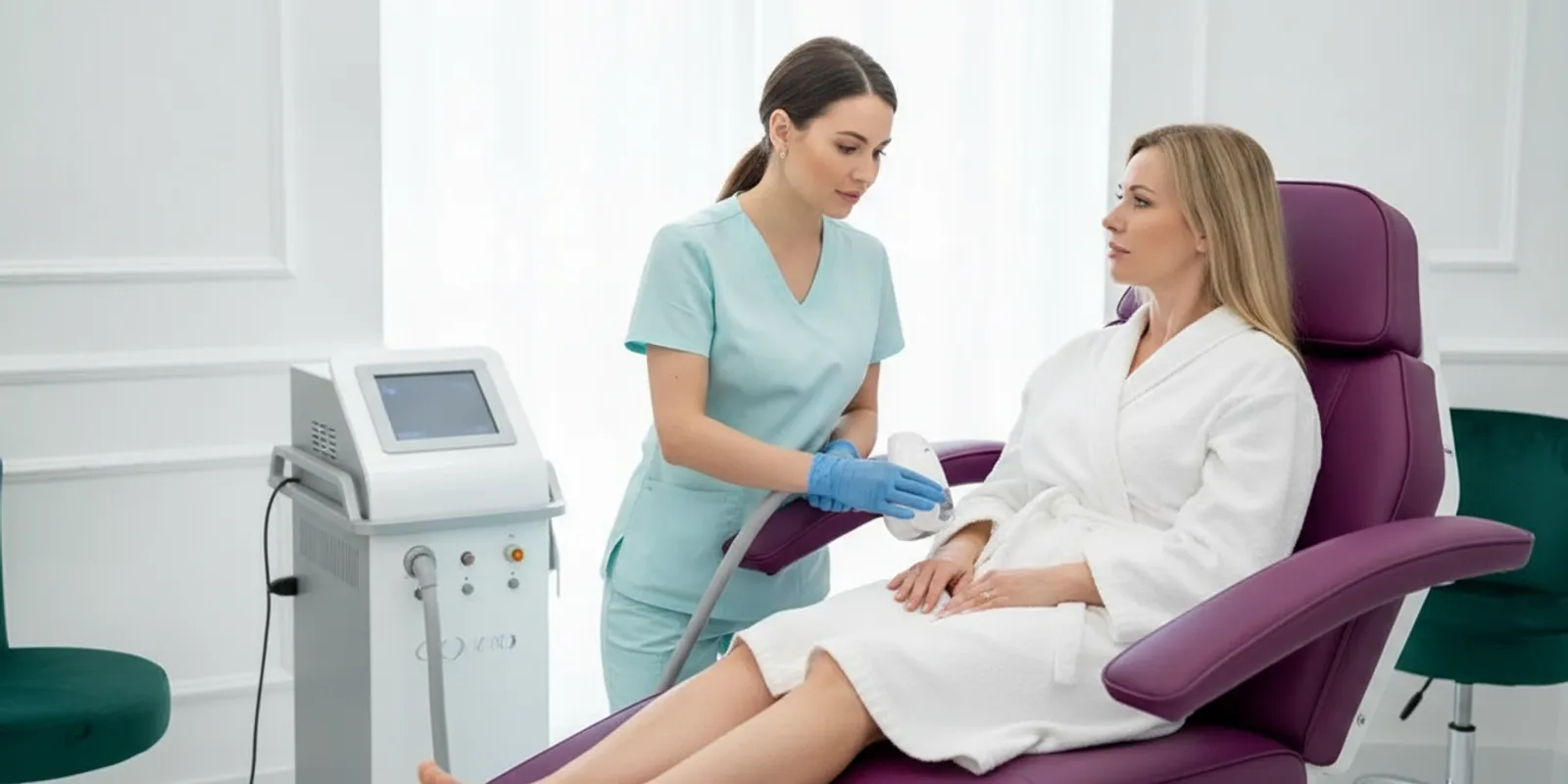

Med Spa Treatments for Summer: A Safe Planning Guide
Med spa treatments for summer should be planned around your goals, sun exposure, and schedule. The right timeline can help you prepare for travel or events while leaving room for professional guidance and treatment-specific aftercare.
Book your consultation to plan summer-ready care.
Summer plans often bring more sun, heat, travel, and last-minute events. The best treatment plan starts before your calendar fills up. Timing matters because some services involve multiple sessions, recovery time, or stricter sun precautions.
At Ultimate Image MedSpa, the right med spa treatments for summer depend on your goals, skin type, recent sun exposure, medications, and available downtime. A consultation can help determine candidacy and build a personalized plan. You do not have to rely on a one-size-fits-all treatment list.
How to Choose Med Spa Treatments for Summer
Choosing a summer treatment should begin with a conversation, not a seasonal trend. During a consultation, your provider can connect your goals with your skin needs, recent sun exposure, medication, lifestyle, and candidacy factors. A treatment that suits one person may require a different approach for someone with a different skin type, medical history, or schedule. Review the aesthetic services available in Texas before narrowing your options.
Start by identifying the outcome you want to support, such as a refreshed appearance, smoother skin, a more even-looking complexion, hair reduction, or body contouring. Be specific about your priorities and preferred downtime. A busy summer schedule may favor a gentler option, while another goal may call for a series that begins well in advance.
Sun exposure is another essential part of the discussion. Tell your provider about outdoor work, travel, swimming, sports, tanning, and upcoming vacations. Recent or expected tanning can change which services are appropriate. It can also affect how carefully treated skin must be protected. Consistent broad-spectrum SPF, hydration, and a gentle skincare routine are useful habits. They do not replace an individualized assessment.

Skin type and sensitivity should be evaluated alongside your goals. Clients across Fitzpatrick skin types I through VI may have different considerations. This is particularly true when pigmentation changes or sun exposure are part of the picture. Share your products, allergies, prior procedures, medications, and supplements. Some ingredients, medications, or health conditions can affect timing, healing, or candidacy.
Finally, ask whether the service is a one-time appointment or part of a multi-session plan. Many aesthetic services require multiple visits. Spacing them around travel or outdoor activities can make the plan easier to follow. A consultation may help determine whether a HydraFacial fits your immediate goals. Bring your calendar and be honest about what you can maintain at home. Then book your consultation so the plan reflects your skin, health history, and actual summer schedule.
Which Treatments Fit a Summer Schedule?
The best fit depends on your primary goal, how much sun exposure your plans involve, and whether you can allow recovery time. A treatment that works well before a quiet weekend may be less practical before a beach trip, outdoor event, or frequent time in the Texas sun. Candidacy and timing vary, so a consultation should account for your skin type, medical history, medications, current skincare routine, and schedule.
| Treatment | Primary goal | Planning needs | Summer considerations |
|---|---|---|---|
| HydraFacial | Refresh and hydrate the skin while addressing surface concerns. | Often easier to schedule around a busy calendar, but your provider should review active irritation and products first. | Plan around intense sun exposure and follow customized aftercare, including diligent sunscreen use. |
| VI Peel | Support skin renewal and improve the appearance of selected tone and texture concerns. | Allow time for the peeling process. Chemical peels may involve seven to ten days of peeling, so avoid placing one immediately before an important event. | Outdoor plans and sun exposure require careful coordination. Your provider may adjust timing or recommend postponing treatment based on your exposure and skin assessment. |
| SkinPen microneedling | Address selected concerns involving skin texture and the appearance of scars or fine lines. | It is commonly planned as a series rather than a one-time appointment. Leave room for provider-specific recovery instructions between sessions. | Sun protection is especially important. Schedule sessions when you can limit direct exposure and follow aftercare closely. |
| Laser hair removal | Reduce unwanted hair over a planned series of treatments. | Multi-session protocols mean early planning helps. Avoid tanning and discuss recent sun exposure before treatment. | Treated areas need sun-exposure precautions. Outdoor activities may affect when an appointment is appropriate. |
| Body contouring | Support body-shaping goals without treating the skin surface directly. | Discuss the recommended number and spacing of appointments, along with realistic expectations for your goal. | Summer convenience does not remove the need for candidacy screening. Share health history and upcoming travel or activity plans. |
There is no universal list of safe or unsuitable med spa treatments for summer. For example, a peel or microneedling session may require more planning than a treatment with minimal downtime, while laser hair removal may be affected by recent tanning. Ask what preparation is required, how your outdoor plans affect timing, and what signs should prompt you to contact the practice. A personalized plan can help you choose an appointment window that supports both safety and your priorities.
How Should You Handle Summer Sun and Pigmentation?
Summer treatment planning deserves extra care when you are concerned about uneven tone, dark spots, or pigmentation that becomes more noticeable after time outdoors. Sun exposure can affect how skin responds to some procedures. A recent tan or frequent outdoor activity may change which options are appropriate. That does not mean every treatment must wait until fall. It does mean the plan should be based on an assessment rather than a seasonal assumption.
Start with an honest sun-exposure assessment
During a consultation, share how much time you spend outside, whether you have recently tanned or burned, and whether you can consistently protect the treated area. Your skin type, current condition, medications, skincare products, and previous procedures also matter. These details help a qualified provider decide whether a treatment is suitable, whether preparation is needed, or whether postponing it would be the more responsible choice.
Be especially cautious with treatments that intentionally exfoliate or resurface the skin. A VI Peel may be part of a personalized plan, but the timing, preparation, and aftercare should be discussed before scheduling. Do not assume that a peel is appropriate simply because it is summer-friendly for someone else. Candidacy and aftercare requirements vary.
Make sun protection part of the treatment plan
Strict sun protection is central to managing melasma and reducing recurrence after treatment, according to Harvard Health Publishing. The same principle is important when planning care for pigmentation concerns in summer. Use a broad-spectrum sunscreen on exposed skin, reapply as directed, and use shade, protective clothing, and a hat when possible. Avoiding direct peak-hour sun exposure can also support healthier skin and make it easier to follow a provider’s instructions.
Sun protection is not a one-time step on the day of an appointment. It is an ongoing habit before and after treatment. If your schedule includes travel, pool days, outdoor sports, or extended time in direct Texas sun, mention that during the consultation. A plan that fits your real routine is more useful than one that looks ideal on paper but is difficult to follow.
Set realistic expectations for pigmentation concerns
Pigmentation can have different causes, and a blog post cannot determine what is affecting your skin. A consultation can help clarify your goals, review your history, and explain expected outcomes, risks, alternatives, and aftercare. Improvement may require more than one step, and results are not guaranteed. The safest approach is to prioritize skin health, follow individualized instructions, and allow enough time to evaluate how your skin responds.
Summer Preparation and Aftercare That Protects Results
A thoughtful plan does not end when your appointment begins. The steps you take before and after treatment can help your skin stay comfortable and give your provider the information needed to personalize care. Use this checklist as a starting point, then follow the instructions provided for your specific service.
- Schedule a consultation first. Share your goals, upcoming events, usual sun exposure, and any concerns about downtime. Your provider can assess your skin, review your medical history, and determine whether the selected service fits your needs and timing. This consultation-first approach is especially important for summer plans, when outdoor activities and heat may affect preparation.
- Bring a complete product and medication list. Include prescriptions, over-the-counter medicines, supplements, active skincare ingredients, and recent procedures. Products and medications can affect candidacy or change how your skin should be prepared. Do not stop a prescribed medication unless the prescribing clinician tells you to do so. If you are considering laser hair removal, mention tanning, self-tanner, or recent sun exposure so the team can advise you safely.
- Protect your skin from sun and heat before treatment. Follow the provider’s instructions about sun exposure, tanning, and active products. Customer guidance emphasizes consistent broad-spectrum sun protection and avoiding direct sun around selected treatments. For some laser services, the site advises avoiding sun exposure for 24 to 48 hours beforehand. The exact window depends on the treatment and your assessment, so use your provider’s directions rather than a generic online schedule. As customer guidance after treatment, use SPF 50+ as directed and reapply according to your provider’s instructions.
- Arrive with clean skin when instructed. Treatment-day requirements vary. Your provider may ask you to arrive without makeup, lotions, deodorant, or other products on the treatment area. Wear comfortable clothing that makes the area easy to access, and tell the team about any new irritation, sunburn, or skin change before treatment begins. Rescheduling may be safer than treating compromised skin.
- Keep the first day calm and cool. Aftercare depends on the service, but many treatments call for avoiding unnecessary heat, intense exercise, saunas, hot tubs, or hot showers for a provider-specified period. Do not scrub, pick, wax, or apply strong active ingredients to a treated area unless your provider says it is appropriate. A gentle cleanser and moisturizer may be recommended, but use only products approved for your recovery plan.
Follow the instructions that are specific to your treatment. A peel, injectable service, laser procedure, and body-contouring treatment can each have different restrictions and warning signs. Ask when to resume exercise, swimming, exfoliation, makeup, and outdoor activities, and contact the provider if your recovery does not look or feel as expected. Personalized aftercare is more reliable than a one-size-fits-all checklist.
When Should You Start a Summer Treatment Plan?
The right starting point depends on your event date, the treatment selected, and whether your goal can be addressed in one visit or requires a series. A consultation should happen before you schedule the first treatment. That visit gives your provider time to review your goals, skin type, sun exposure, medications, and any planned travel or outdoor activities. Consultation timing and treatment timing are not always the same.
Planning for a vacation or general summer goal
For a vacation, begin planning several weeks to a few months ahead when possible. Many treatment plans require multiple sessions, and early planning leaves room for provider-recommended intervals, healing time, and adjustments. It also gives you time to establish consistent sun protection and avoid starting a treatment immediately before prolonged outdoor exposure.
Laser hair removal commonly involves four to ten sessions spaced about four to eight weeks apart. If smoother skin is your goal for summer, waiting until the week before a trip will not create a complete series. Instead, ask about the optimal timing for laser hair removal, including how your recent or expected sun exposure may affect scheduling. Your provider may recommend postponing a session if the treated area has been recently tanned.
Planning for a wedding or special event
Microneedling commonly uses three to six sessions with approximately four to six weeks between visits. That schedule can make it a longer-term option for improving the appearance of skin before a wedding or other milestone. A final treatment should not be placed too close to the event without professional guidance. Your provider can discuss expected redness, sensitivity, and recovery based on your treatment plan and skin response.
Chemical peels require a different kind of calendar. Depending on the peel, visible peeling may continue for seven to ten days. Schedule a consultation early enough to discuss the expected process, your makeup and work needs, travel, and time in the sun. A peel may be appropriate for one person and poorly timed for another, particularly when outdoor activities are unavoidable.
Book your consultation to create a personalized summer treatment timeline.
Leave room for safety and flexibility
Do not treat a session interval as a guaranteed deadline for results. Treatment response varies, and candidacy depends on factors such as medical history, medication, skin condition, and sun exposure. Bring your event or travel date to the consultation, then ask which steps should happen first, how much recovery time to allow, and what activities to avoid afterward. Building in extra time is usually more practical than trying to compress a multi-session plan at the last minute.
What Should You Ask at a Summer Consultation?
A useful consultation should give you more than a treatment name. It should help you understand whether a service fits your goals, skin, schedule, and summer plans. Bring a current list of medications, skincare products, supplements, allergies, and prior procedures. Be honest about recent tanning, planned beach or pool time, and any upcoming event. These details can affect candidacy, preparation, and timing.
Use questions like these to guide the conversation:
- What result am I trying to improve? Describe the concern in practical terms, such as unwanted hair, uneven tone, texture, hydration, or body contouring. Ask which options address that concern and which may not.
- Am I a suitable candidate right now? Ask how your skin type, medical history, medications, active skin conditions, and previous procedures affect the recommendation. If you identify with Fitzpatrick skin types I through VI, ask how your assessment informs treatment settings and sun precautions.
- How will recent or planned sun exposure affect the plan? Tell the provider about tanning, outdoor work, vacations, and sports. Ask whether you should postpone treatment, change the treatment area, or follow specific protection instructions.
- How many sessions might I need, and how far apart are they? Some services use a series rather than one appointment. Ask how a proposed series fits around travel, photographs, weddings, or other summer commitments. Request a realistic planning range, not a guarantee.
- What downtime or visible changes should I plan for? Ask about redness, sensitivity, peeling, swelling, activity limits, heat exposure, and makeup. The answer may differ between a lighter service and a resurfacing treatment.
- What alternatives should I consider? Ask why one option is preferred over another. For example, you can compare SkinPen microneedling with other professional skin rejuvenation approaches when texture is the primary concern.
- What preparation and aftercare will I need? Confirm which products to pause, when to resume them, how to cleanse, how to protect treated skin, and whether heat or direct sun should be avoided. Broad-spectrum SPF, gentle skincare, and provider-specific instructions are important parts of summer planning.
- What is the total plan? Ask for the expected appointment sequence, follow-up process, maintenance needs, and total cost estimate for the recommended series. This helps you compare options based on the full commitment rather than the first appointment alone.
A professional consultation should result in a personalized plan, with clear reasons for the recommendation and clear limits on what can be predicted. If your plan changes after a medication update, significant sun exposure, or a new skin concern, contact the provider before proceeding. When you are ready to discuss your goals, review the available services and book your consultation with Ultimate Image MedSpa.
Frequently Asked Questions
Which treatments can fit a summer schedule?
HydraFacial, laser hair removal, and select body-contouring services may fit a summer plan, depending on your goals, skin condition, sun exposure, and schedule. Your provider can recommend the treatment and timing that suit your candidacy rather than applying a one-size-fits-all list.
Are chemical peels safe during the summer?
Some lighter peels may be appropriate during summer with careful sun protection, while stronger peels may require more planning because they can increase sensitivity. Ask about expected peeling, downtime, and how much outdoor exposure your schedule involves before choosing a peel.
How should I prepare my skin before treatment?
Use broad-spectrum sunscreen consistently, keep your routine gentle, stay hydrated, and tell your provider about current medications and skincare products. Do not arrive with undisclosed recent tanning, irritation, or a new product reaction, because these details can affect the recommended plan.
Is laser hair removal safe in the summer?
It may be possible, but avoiding tanning and protecting treated areas from the sun are important considerations. Laser hair removal targets melanin in the hair and follicle, so your provider should assess your skin and recent sun exposure before treatment. Source: NCBI Bookshelf.
How soon before an event should I start?
Start with a consultation well before the event. Some services involve multiple appointments, and a peel or other treatment may involve visible recovery. Your provider can map treatment dates, preparation, and aftercare around your plans without promising a universal timeline.
Book a Summer Treatment Consultation
Seasonal planning can help you choose treatments that fit your goals, sun exposure, schedule, and skin needs. A consultation gives you space to discuss candidacy, preparation, treatment timing, and aftercare before you decide what makes sense.
Ready to plan your summer care? Book your consultation with Ultimate Image MedSpa.