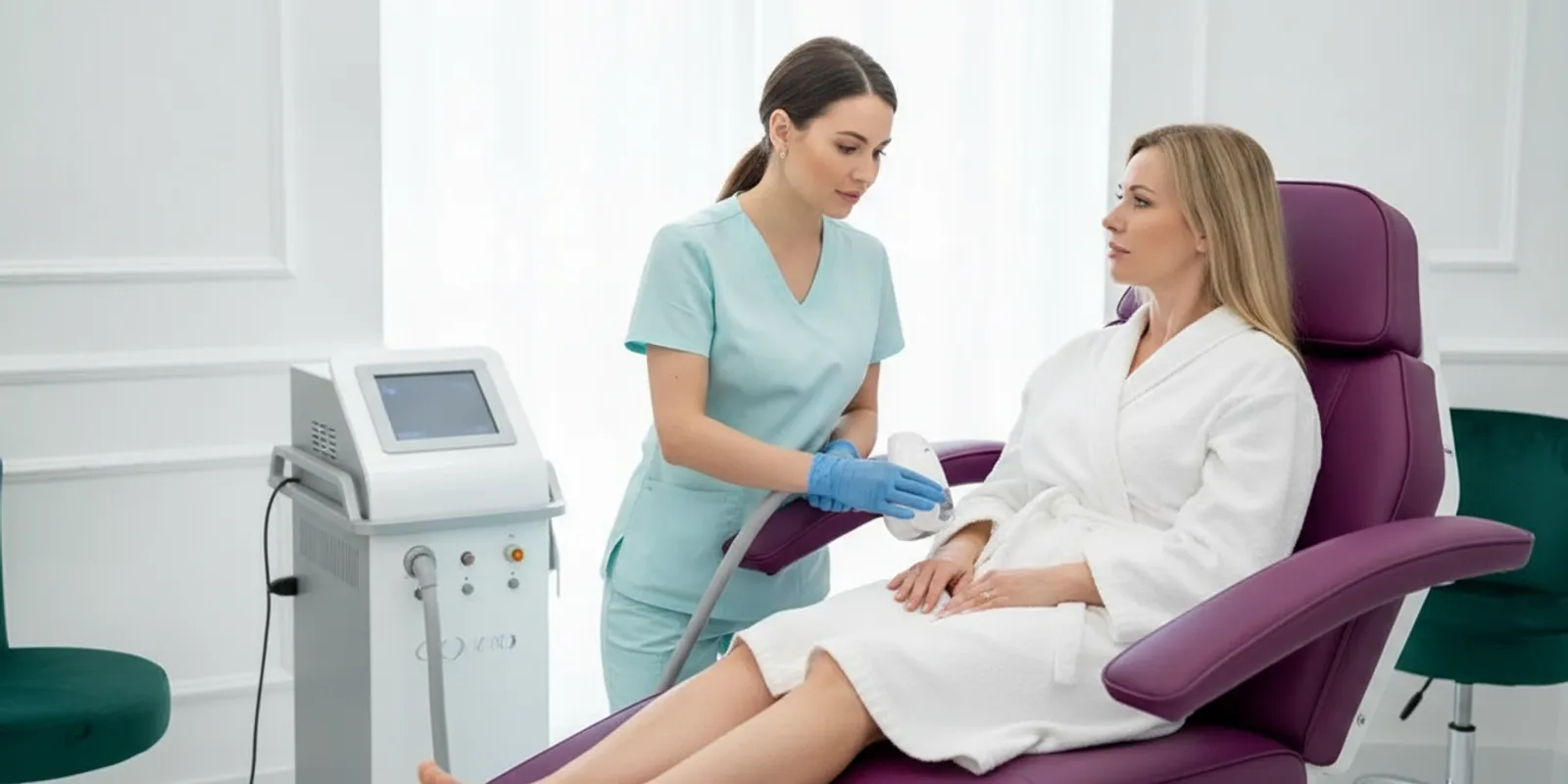

Melasma treatment works best as a long-term plan, not a single quick fix. This DFW guide explains practical protection, topical care, and provider-guided options for clearer-looking skin.
Brown or gray-brown patches can be frustrating. If you are searching for melasma treatment in the Dallas-Fort Worth area, start by learning how light, heat, products, and procedures can affect your skin.
Brown or gray-brown patches can be frustrating. They often fade and then return on the cheeks, forehead, nose, or upper lip. If you are searching for melasma treatment in the Dallas-Fort Worth area, the best first step is not choosing the strongest procedure. It is understanding your pigmentation pattern, personal triggers, and the level of care your skin can tolerate.
What Is Melasma and Why Does It Keep Coming Back?
Melasma is a recurring form of facial hyperpigmentation that often appears symmetrically on sun-exposed skin. Ultraviolet light, visible light, heat, hormones, genetics, and inflammation may all influence it. Effective melasma treatment usually focuses on long-term control through protection, appropriate home care, and carefully selected professional treatments.
Melasma is an acquired pigment condition. It commonly appears as fairly even brown or gray-brown patches on both sides of the face. The cheeks, forehead, nose, and upper lip are frequent locations. Although the pattern can look distinctive, several other causes of discoloration can appear similar. A new, isolated, rapidly changing, bleeding, or irritated spot should be evaluated instead of self-treating based only on a photograph.
Several influences can overlap. Ultraviolet exposure can stimulate pigment activity, and visible light may also worsen melasma for some people. Hormonal changes, including pregnancy or oral contraceptive use, may play a role when a person also has an underlying genetic susceptibility. Researchers have also studied contributions from blood vessels and deeper skin structures. This multifactorial pattern helps explain why two people with similar sun exposure can experience very different pigmentation. The NCBI Bookshelf overview of melasma provides additional medical background.
Melasma is often chronic and relapsing. A treatment may make the patches look lighter without removing the tendency to produce excess pigment. A return of discoloration does not automatically mean that a procedure failed. It may mean that light, heat, hormonal changes, irritation, or another trigger is still active. A realistic plan aims for improvement and maintenance, not a promise of permanent removal.
An evaluation may include a review of the pigment pattern, medications, skin products, recent sun exposure, prior procedures, and history of dark marks after inflammation. A Wood lamp examination may be considered when appropriate. If the appearance is unusual or the diagnosis is uncertain, a medical referral may be the safest next step.
What Is the Foundation of Effective Melasma Treatment?
The foundation of melasma treatment is consistent protection from ultraviolet and visible light, supported by a gentle skincare routine. Tinted broad-spectrum sunscreen with iron oxides may help limit visible-light exposure, while shade, hats, and heat awareness add practical protection. Professional treatments work best when they support this daily foundation.
Daily photoprotection is not an optional finishing step after an in-office service. It is the base of a melasma plan. Use broad-spectrum sunscreen as directed and reapply according to your clinician’s instructions, particularly when you spend time outdoors. A tinted formula containing iron oxides may provide added support against visible light. Mineral ingredients such as zinc oxide or titanium dioxide may be recommended for some skin types. But comfort matters because a product only helps when you can use it consistently.
Physical protection also matters. Seek shade when practical, wear a wide-brimmed hat, and consider sunglasses that make outdoor exposure easier to manage. Heat can be a personal trigger. Notice whether hot weather, saunas, intense workouts, or other warmth reliably make your patches look darker. You do not need to stop normal activities automatically, but cooling strategies and thoughtful scheduling may help if heat is part of your pattern. American Academy of Dermatology guidance on melasma supports strict sun protection as part of care.
Keep the daily routine calm and consistent
Melasma-prone skin often benefits from a gentle cleanser, a well-tolerated moisturizer, and careful introduction of active ingredients. Scrubbing, picking, frequent strong exfoliation, and stacking multiple irritating products can increase inflammation. Irritation can make discoloration harder to manage, even when the original product was intended to brighten the skin.
Prescription or professional topical care may include ingredients such as hydroquinone, retinoids, azelaic acid, or tranexamic acid. These options are not interchangeable, and they are not appropriate for every person. Pregnancy, breastfeeding, medication interactions, skin sensitivity, and past reactions should be discussed before using prescription-strength products. Do not start, stop, or combine medical topicals without appropriate guidance.
Expect gradual change. Melasma usually responds better to a repeatable routine than to frequent product changes or aggressive exfoliation. Keep notes about irritation, sun exposure, heat, and pigment changes so you can discuss patterns during follow-up. The goal is a plan you can continue after the skin looks more even.

How Can VI Peel Precision Plus Help With Melasma?
VI Peel Precision Plus may be considered as one part of a personalized melasma treatment plan for unwanted facial pigmentation. It is not a guaranteed cure or a substitute for daily protection. A qualified provider should review your skin, medical history, current products, and risk of post-inflammatory pigmentation before recommending a peel.
Chemical peels can be used in layered approaches to pigment concerns, but the formula, timing, and treatment intensity should match the individual. At Ultimate Image MedSpa, VI Peel Precision Plus is positioned for concerns involving uneven facial pigmentation. Customer-specific service information identifies kojic acid, hydroquinone, and vitamin C among the formula ingredients intended to support pigment management. Those ingredients do not make the peel right for every person or every dark spot.
A proper assessment helps distinguish melasma from other types of hyperpigmentation. It also gives the provider a chance to review your current skincare routine, medications, prior peels, recent sun exposure, and history of dark marks after procedures. If the skin is actively irritated or the diagnosis is unclear, another approach or a medical referral may be more appropriate.
What Should You Expect After the Peel?
VI Peel Precision Plus is not a same-day, zero-downtime service. UIMS information states that VI Peels include a take-home aftercare kit and that visible peeling commonly occurs over approximately 7 to 10 days. Your experience can vary based on the formula, protocol, skin condition, and individual response. Before treatment, ask what sensations and visible changes are expected and which symptoms warrant a call.
During recovery, follow the supplied instructions rather than picking or pulling at peeling skin. Keep the routine gentle, avoid unapproved active ingredients, and use sun protection consistently. Heat and irritation may make pigment concerns more difficult to control. A peel can support improvement, but it cannot replace a sustainable maintenance routine.
Learn more about VI Peel treatment before your visit, then bring questions about recovery, timing, and aftercare to an evaluation. Service details should be confirmed with the provider because protocols can change based on your skin and goals.
Who May Be a Candidate?
Candidacy cannot be determined from a keyword or image alone. Tell your provider about pregnancy or breastfeeding, prescription medications, active irritation, allergies, recent sun exposure, previous peels, and any history of post-inflammatory hyperpigmentation. The safest plan may involve postponing treatment, modifying your routine, or coordinating with a medical professional when the diagnosis or risk picture is uncertain.
Is Microneedling a Good Melasma Treatment?
SkinPen Microneedling may be considered within a clinician-guided melasma treatment plan, particularly when paired with appropriate topical care. It is not automatically the first choice for every person with facial discoloration. Because inflammation can worsen pigment in some patients, assessment, conservative technique, timing, and disciplined aftercare are important.
Microneedling uses fine needles to create controlled micro-injuries in the skin. The intended response is skin renewal, and some treatment plans use microneedling alongside topical therapies. A clinical review reports that microneedling has shown promise for melasma when combined with topical treatment rather than used as an isolated cure. Read the clinical review of microneedling and melasma for context about the evidence.
Melasma is not the same as every dark mark. General hyperpigmentation can describe marks left after acne, injury, or irritation. Those marks may respond differently from symmetrical patches influenced by light and hormones. An assessment can consider the pattern, skin tone, sensitivity, current products, medical history, and likely triggers before SkinPen Microneedling is recommended. You can also review SkinPen Microneedling treatment details before asking about candidacy.
For persistent melasma, microneedling is generally better understood as one component of a multimodal approach. Your provider may recommend a series, supportive home care, and follow-up rather than a single session. Change is usually gradual and cumulative. Continue protecting the skin from ultraviolet light, visible light, and avoidable heat during and after the treatment plan.
Extra caution is appropriate when skin is actively irritated, recently sun-exposed, or prone to dark marks after procedures. Ask how long to pause retinoids or other active products, what recovery symptoms are expected, and when normal skincare can resume. No procedure can guarantee permanent removal of melasma. The purpose of careful planning is to support improvement while limiting unnecessary inflammation.
Compare microneedling for hyperpigmentation with your own concerns, but do not assume that a general hyperpigmentation recommendation applies to melasma. A professional evaluation should guide the decision.
When Should You Consider IPL Photofacial or Other Procedures?
IPL photofacial treatment is not automatically the best melasma treatment because light and heat can aggravate pigmentation in some patients. It may be considered only after careful assessment of skin tone, pigment pattern, recent sun exposure, medical history, and prior reactions. Topical care, a peel, or microneedling may be safer alternatives.
| Option | Potential role | Important consideration |
|---|---|---|
| VI Peel Precision Plus | Professional peel for selected pigmentation concerns. | Peeling and irritation can affect recovery and pigment response. |
| SkinPen Microneedling | Controlled micro-injuries that may support renewal with topical care. | Inflammation, settings, timing, and skin history matter. |
| IPL photofacial | Light-based treatment for selected pigment concerns. | Heat and light may worsen melasma or post-inflammatory pigmentation. |
| Topical care | Ongoing pigment support and maintenance at home. | Some ingredients irritate skin or are unsuitable in pregnancy. |
IPL deserves particular caution. The AAD notes that heat from certain light and laser treatments can potentially trigger additional pigment production. A review of melasma management also emphasizes careful treatment selection and individualized planning. A provider may recommend home care first, choose a peel or microneedling approach, or decide that a light-based procedure is not worth the risk for your skin.
That decision should account for skin tone, the depth and distribution of pigment, recent sun or heat exposure, medications, active irritation, and previous procedure responses. The most aggressive option is not necessarily the best option. A measured plan aims for steady control with the lowest reasonable chance of creating more inflammation. If you are considering other skin services, the Ultimate Image MedSpa services overview can help you prepare questions for your consultation.

How Do You Build a Melasma Treatment Plan That Lasts?
A lasting melasma treatment plan combines diagnosis, trigger awareness, daily photoprotection, appropriate home care, and a professional treatment sequence that fits your skin. Schedule reassessment instead of repeating a procedure automatically. Maintenance matters because melasma can return after improvement when light, heat, hormones, or irritation remain active.
- Confirm the diagnosis and review your history. Begin with an evaluation rather than assuming every brown patch is melasma. Share your history of pregnancy, oral contraceptive use, medications, prior procedures, irritation, allergies, and changes in the patches. A medical referral may be recommended for an unusual or uncertain finding.
- Identify triggers and define a realistic goal. Discuss sun exposure, visible light, heat, skincare habits, and past reactions. Ask what degree of improvement is realistic for your skin and schedule. Be specific about pregnancy, breastfeeding, prescription medications, or unusual changes before selecting products or procedures.
- Select the right modality and sequence. A clinician may recommend home care alone or combine it with a peel or microneedling. Persistent cases may benefit from layered management, but more treatment is not automatically better. IPL and other heat-based options require especially careful judgment when melasma or post-inflammatory pigmentation is a concern. Review evidence on multimodal melasma management.
- Follow home care and aftercare consistently. Use the sunscreen recommended for your skin, reapply as directed, and consider visible-light protection when appropriate. Reduce avoidable heat and keep the routine gentle. Follow post-treatment instructions about active ingredients, cleansing, moisturizer, and when to resume normal products.
- Schedule reassessment and maintenance. Give the plan enough time to evaluate progress, then return for review. Your provider may adjust frequency, modality, or home care. Continue protecting your skin even after the patches look lighter. Maintenance is part of management, not evidence that the treatment failed.
For DFW patients, a consultation can also address practical details such as timing around travel, outdoor work, exercise, and recovery. Ultimate Image MedSpa serves clients in Dallas, Plano, Lewisville, and Richardson. The right location and schedule should support the routine you can realistically maintain.
Frequently Asked Questions
What Is the Best Treatment for Melasma?
There is no single best option for everyone. A plan often combines daily photoprotection, appropriate topical care, and a carefully selected in-office option such as VI Peel Precision Plus or SkinPen Microneedling. The right approach depends on your skin, triggers, pigment pattern, medical history, and response to previous care.
Is There a Permanent Cure for Melasma?
Melasma is usually managed rather than permanently cured. It can improve substantially, but pigment may return when ultraviolet light, visible light, heat, hormonal changes, or irritation remain active. Long-term protection and a consistent maintenance routine help preserve progress. A provider should explain realistic expectations before treatment.
Can Melasma Be Treated With IPL Photofacial Therapy?
IPL may be appropriate for selected patients, but it is not automatically the safest choice for melasma. Light and heat can worsen pigmentation or contribute to post-inflammatory hyperpigmentation in some people. Your provider should assess skin tone, pigment pattern, recent sun exposure, current products, and treatment history first.
What Sunscreen Should I Use With Melasma?
Use broad-spectrum sunscreen every day and reapply as directed. Tinted sunscreen with iron oxides may support visible-light protection. Hats and shade reduce direct exposure. Ask your clinician which product fits your skin and treatment plan.
Before choosing a service, review the VI Peel treatment information and SkinPen Microneedling details so you can bring focused questions to your provider.
Book your consultation to discuss a personalized melasma treatment plan